Governing patient safety: lessons learned from a mixed methods evaluation of implementing a ward-level medication safety scorecard in two English NHS hospitals
- PMID: 24029440
- PMCID: PMC3913182
- DOI: 10.1136/bmjqs-2012-001730
Governing patient safety: lessons learned from a mixed methods evaluation of implementing a ward-level medication safety scorecard in two English NHS hospitals
Abstract
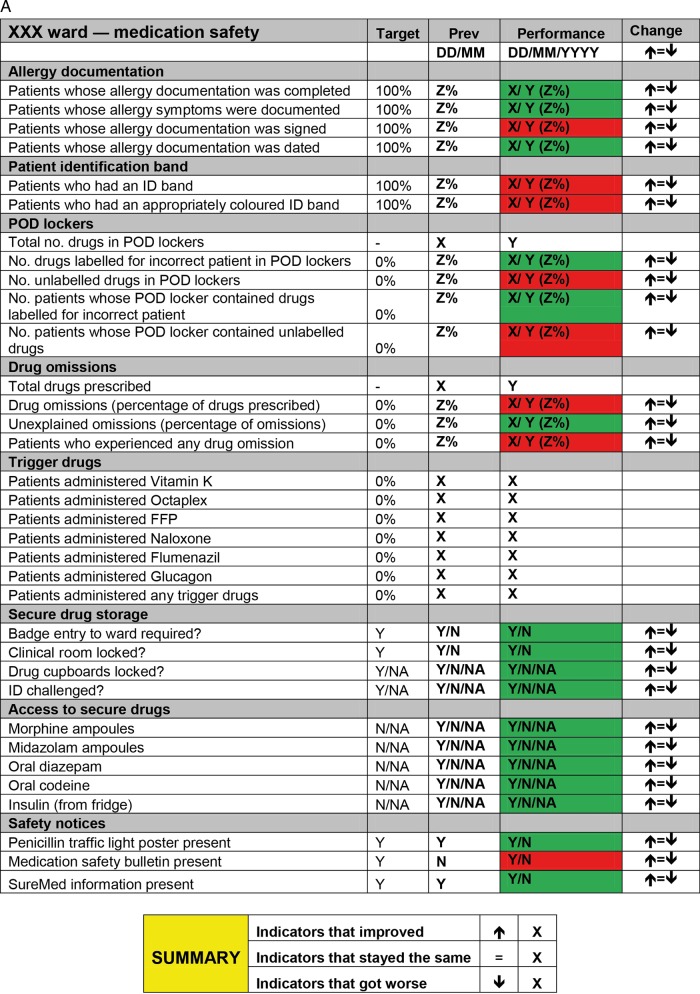
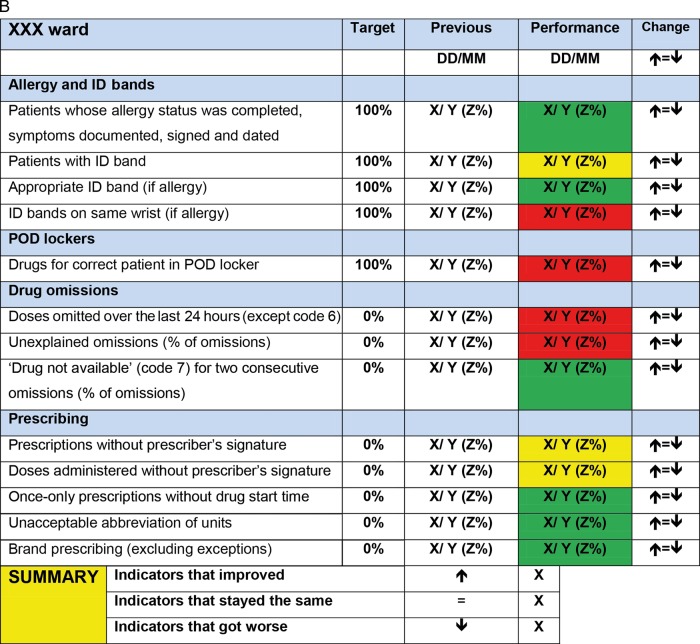
Background: Relatively little is known about how scorecards presenting performance indicators influence medication safety. We evaluated the effects of implementing a ward-level medication safety scorecard piloted in two English NHS hospitals and factors influencing these.
Methods: We used a mixed methods, controlled before and after design. At baseline, wards were audited on medication safety indicators; during the 'feedback' phase scorecard results were presented to intervention wards on a weekly basis over 7 weeks. We interviewed 49 staff, including clinicians and managers, about scorecard implementation.
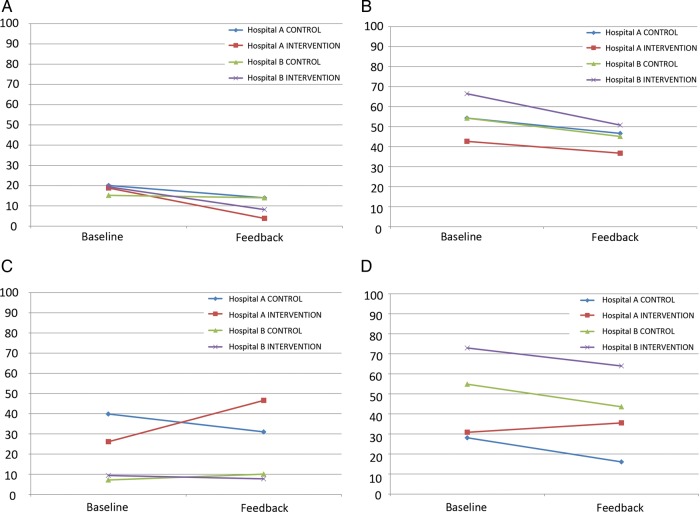
Results: At baseline, 18.7% of patients (total n=630) had incomplete allergy documentation; 53.4% of patients (n=574) experienced a drug omission in the preceding 24 h; 22.5% of omitted doses were classified as 'critical'; 22.1% of patients (n=482) either had ID wristbands not reflecting their allergy status or no ID wristband; and 45.3% of patients (n=237) had drugs that were either unlabelled or labelled for another patient in their drug lockers. The quantitative analysis found no significant improvement in intervention wards following scorecard feedback. Interviews suggested staff were interested in scorecard feedback and described process and culture changes. Factors influencing scorecard implementation included 'normalisation' of errors, study duration, ward leadership, capacity to engage and learning preferences.
Discussion: Presenting evidence-based performance indicators may potentially influence staff behaviour. Several practical and cultural factors may limit feedback effectiveness and should be considered when developing improvement interventions. Quality scorecards should be designed with care, attending to evidence of indicators' effectiveness and how indicators and overall scorecard composition fit the intended audience.
Keywords: Audit and Feedback; Governance; Medication Safety; Patient Safety; Quality Improvement.
Figures
References
-
- Bates DW, Larizgoitia I, Prasopa-Plaizier N, et al. Global priorities for patient safety research. BMJ 2009;338:1242–4 - PubMed
-
- Audit Commission A spoonful of sugar. London: Audit Commission, 2001
-
- National Patient Safety Agency Safety in doses. London: National Patient Safety Agency, 2009
-
- Kohn LT, Corrigan J, Donaldson MS. To Err Is Human: Building a Safer Health System. Washington, DC: National Academy Press, 2000 - PubMed
-
- Lisby M, Nielsen LP, Mainz J. Errors in the medication process: frequency, type, and potential clinical consequences. Int J Qual Health Care 2005;17:15–22 - PubMed
Publication types
MeSH terms
Grants and funding
LinkOut - more resources
Full Text Sources
Other Literature Sources
Medical