


Disruption of pro-oxidant and antioxidant systems with elevated expression of the ubiquitin proteosome system in the cachectic heart muscle of nude mice
- PMID: 24030522
- PMCID: PMC3830009
- DOI: 10.1007/s13539-013-0116-8
Disruption of pro-oxidant and antioxidant systems with elevated expression of the ubiquitin proteosome system in the cachectic heart muscle of nude mice
Abstract
Background: Current research into the mechanisms of organ atrophy associated with cancer cachexia have centred on the loss of skeletal muscle, as it is one of the most profound physical changes of the disease. However, many patients with cancer cachexia also experience significant atrophy of the heart. The mechanisms causing cardiac tissue wastage in cancer cachexia are largely unknown. However, it is believed to involve a number of molecular interactions between the tumour and host. Increased levels of oxidative stress have been found in cancer cachectic skeletal muscle and has been linked to the activation of the ubiquitin proteosome system (UPS). The aim of the current study was to examine the role of oxidative stress and the UPS in the hearts of mice with cancer cachexia.
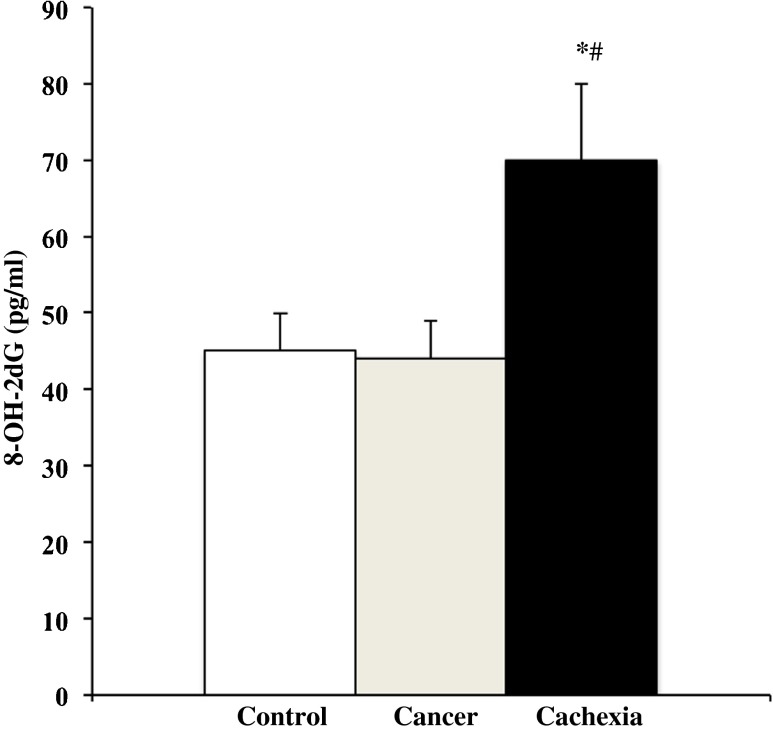
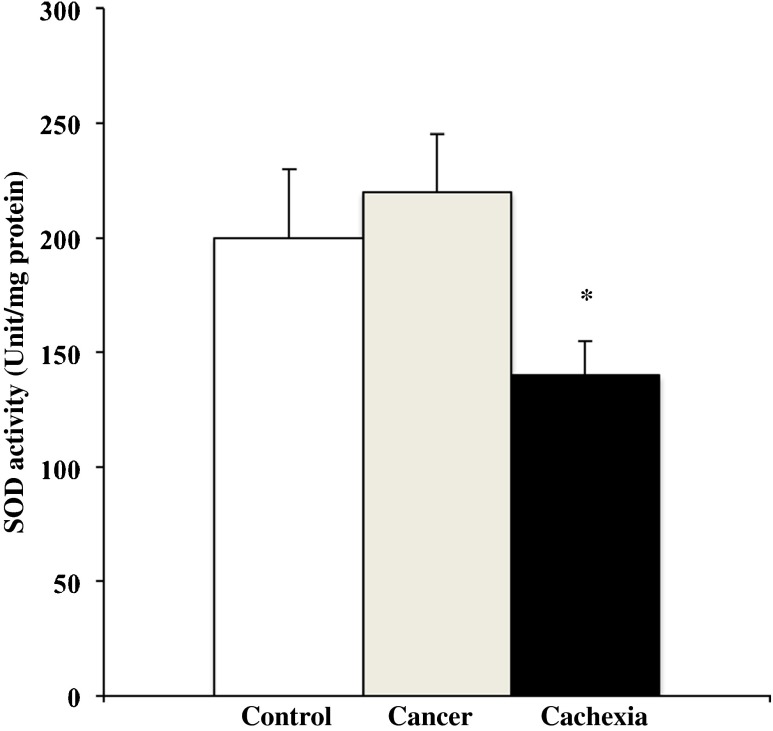
Methods: Oxidative damage to DNA (8-OH-2dG), mRNA levels of the ROS-producing enzymes NADPH oxidase (NOX), and xanthine oxidase (XDH), the antioxidant enzyme superoxide dismutase (SOD) and key components of the UPS was measured in the heart of mice with cancer cachexia. Protein expression levels of NOX enzyme subunits and SOD enzyme activity was also measured in the same heart samples.
Results: 8-OH-2dG levels were 1.5-fold higher in the heart of mice with cancer cachexia, and this was associated with a 1.7-fold lower level of NOX2 mRNA and twofold higher XDH mRNA in the same hearts. Cancer cachexia was also associated with a 1.5-fold lower level of SOD activity in the heart. Accompanying these pro- and antioxidant differences was a significantly higher level of mRNA for the key UPS elements MURF-1 (4.3=fold) and MAFbx (3.8-fold) in the hearts of mice with cancer cachexia.
Conclusions: The current study demonstrated that cardiac atrophy of cachectic mice is associated with oxidative damage to DNA in the myocardium. The higher levels of XDH mRNA in cachectic hearts suggest that xanthine oxidase may have an important role to play in producing oxidative stress. It appears that the combination of higher XDH expression and lower SOD enzyme activity are key contributors to oxidative stress and cardiac tissue damage in cancer-induced cardiac atrophy. Oxidative stress in the myocardium as with skeletal muscle may also induce increased expression of the E3 ligases MURF-1 and MAFbx as seen in this study.
Figures
References
-
- Tian M, Nishijima Y, Asp ML, Stout MB, Reiser PJ, Belury MA. Cardiac alterations in cancer-induced cachexia in mice. Int J Oncol. 2010;37:347–53. - PubMed
LinkOut - more resources
Full Text Sources
Other Literature Sources
Miscellaneous
