


Induction of estrogen-sensitive epithelial cells derived from human-induced pluripotent stem cells to repair ovarian function in a chemotherapy-induced mouse model of premature ovarian failure
- PMID: 24032550
- PMCID: PMC3864371
- DOI: 10.1089/dna.2013.2032
Induction of estrogen-sensitive epithelial cells derived from human-induced pluripotent stem cells to repair ovarian function in a chemotherapy-induced mouse model of premature ovarian failure
Abstract
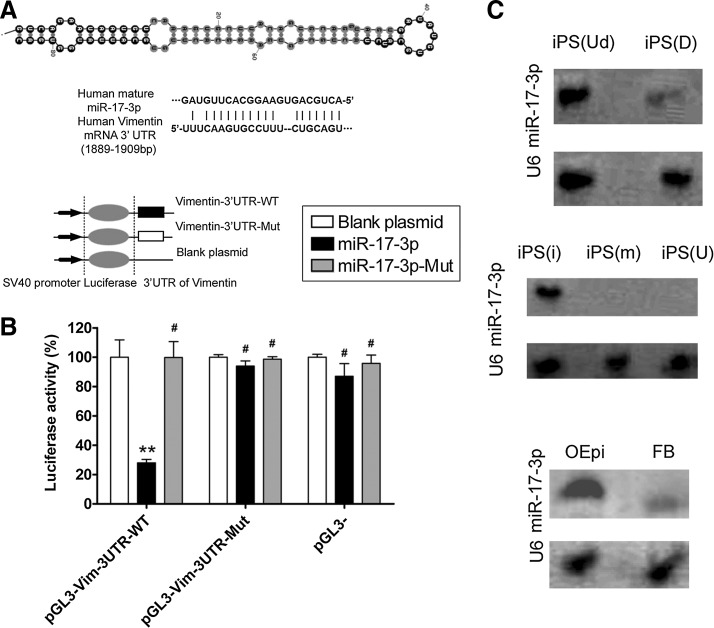
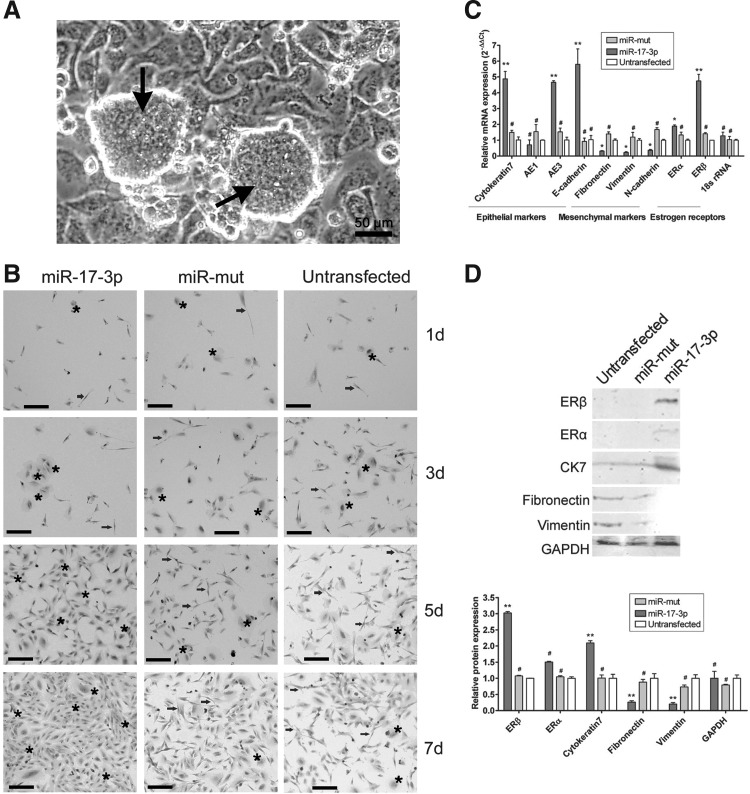
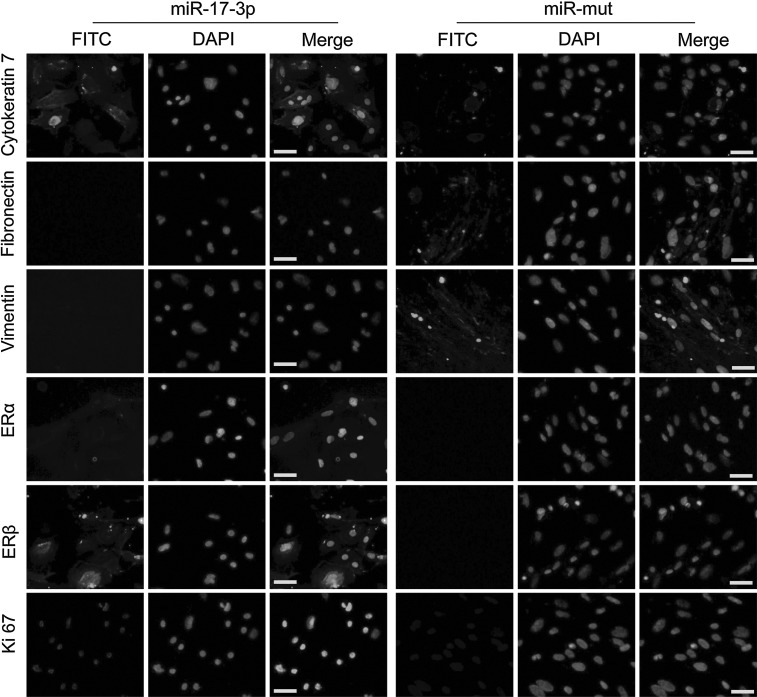
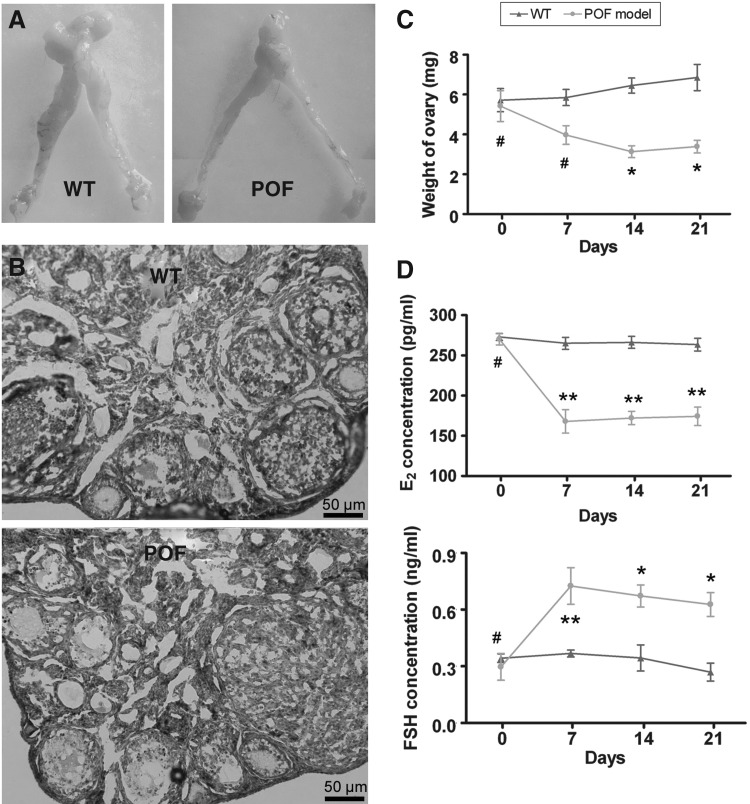
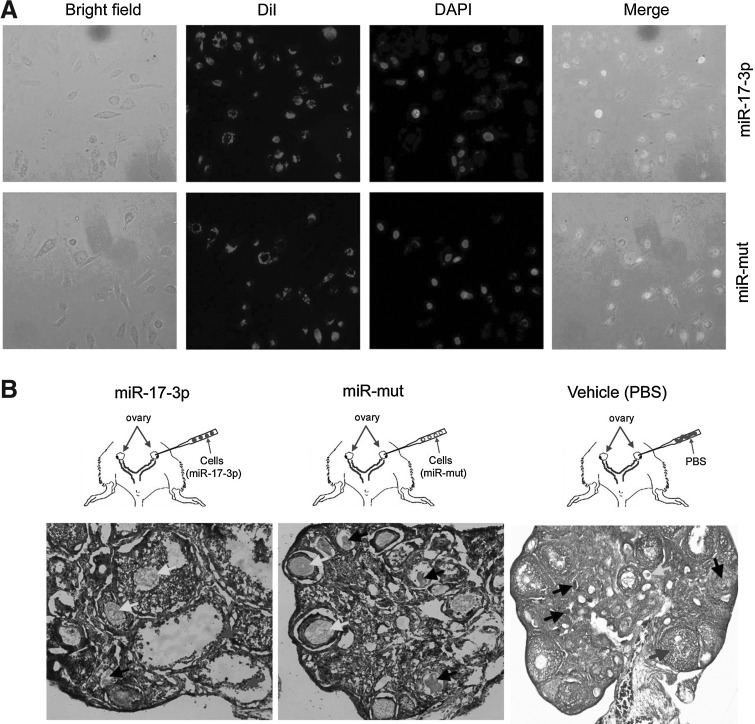
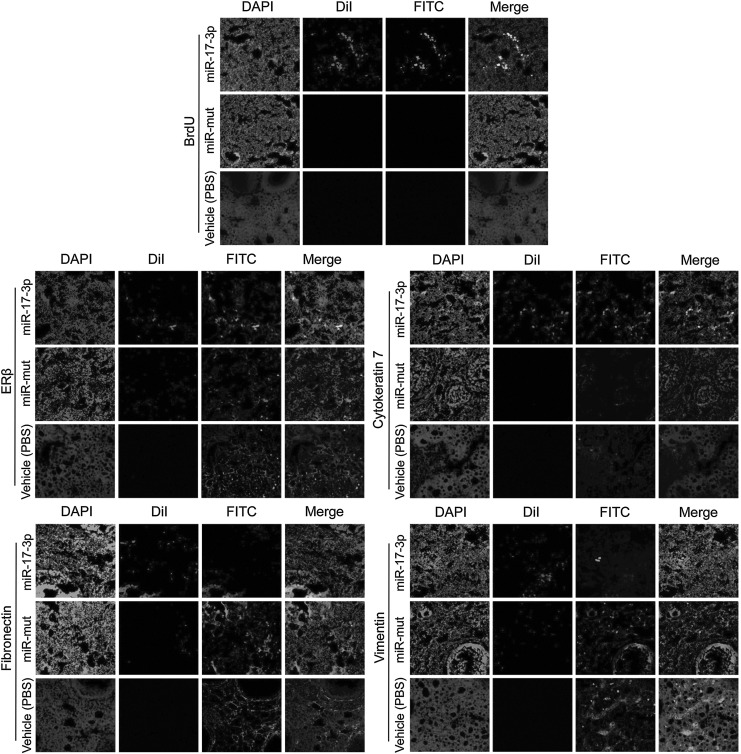
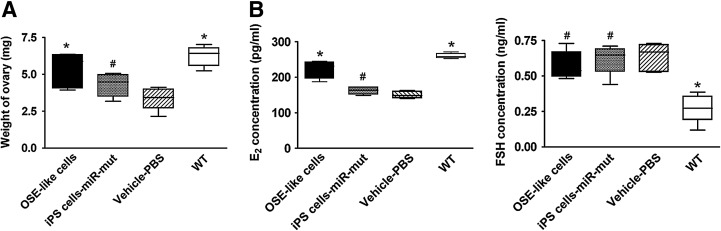
The incidence of premature ovarian failure (POF), a condition causing amenorrhea and hypergonadotropic hypoestrogenism in women before the age of 40, has been increasing in recent years. As an irreversible pathological change, improved treatment strategies for this disease are urgently needed. In this study, a type of microRNA (miR-17-3p) was used to guide the differentiation of human-induced pluripotent stem (iPS) cells into hormone-sensitive ovarian epithelial (OSE)-like cells in vitro. To prevent their morphological transformation into fibroblast-like cells, MiR-17-3p, a microRNA that suppresses vimentin expression, was transfected into human iPS cells. Subsequently, these cells were successfully induced into OSE-like cells in vitro after treatment with estrogen and cell growth factors. Compared with controls, iPS cells transfected with miR-17-3p expressed higher levels of epithelial markers (cytokeratin 7, AE1, AE3, and E-cadherin) and estrogen receptors (ERα and ERβ) while levels of mesenchymal markers (fibronectin, vimentin, and N-cadherin) lowered after the induction. The human iPS cell-derived OSE-like cells were then injected into cyclophosphamide-induced POF model mice to determine their potential benefit as grafts to repair ovarian tissues. The OSE-like cells survived within POF mouse ovaries for at least 14 days in vivo. Compared with the negative controls, expressions of cytokeratin 7 and ERβ proteins were elevated while fibronectin and vimentin levels in ovarian tissues were downregulated in the OSE-like cell transplantation group. Moreover, the ovarian weight and plasma E2 level increased over time in the transplantation with OSE-like cells, compared with control groups. Hence, we can draw the conclusion that iPS cells can be induced to differentiate into OSE-like cells in vitro.
Figures
References
-
- Auersperg N. Wong A.S. Choi K.C. Kang S.K. Leung P.C. Ovarian surface epithelium: biology, endocrinology, and pathology. Endocr Rev. 2001;22:255–288. - PubMed
-
- Bandyopadhyay S. Chakrabarti J. Banerjee S. Pal A.K. Goswami S.K. Chakravarty B.N., et al. Galactose toxicity in the rat as a model for premature ovarian failure: an experimental approach readdressed. Hum Reprod. 2003;18:2031–2038. - PubMed
-
- Cheng C.W. Wang H.W. Chang C.W. Chu H.W. Chen C.Y. Yu J.C., et al. MicroRNA-30a inhibits cell migration and invasion by downregulating vimentin expression and is a potential prognostic marker in breast cancer. Breast Cancer Res Treat. 2012a;134:1081–1093. - PubMed
-
- Cheng W. Liu T. Jiang F. Liu C. Zhao X. Gao Y., et al. microRNA-155 regulates angiotensin II type 1 receptor expression in umbilical vein endothelial cells from severely pre-eclamptic pregnant women. Int J Mol Med. 2011;27:393–399. - PubMed
-
- Cheng W. Liu T. Wan X. Gao Y. Wang H. MicroRNA-199a targets CD44 to suppress the tumorigenicity and multidrug resistance of ovarian cancer-initiating cells. FEBS J. 2012b;279:2047–2059. - PubMed
Publication types
MeSH terms
Substances
LinkOut - more resources
Full Text Sources
Other Literature Sources
Medical
Research Materials
Miscellaneous
