Review
. 2013 Oct;5(10):1465-83.
doi: 10.1002/emmm.201201773. Epub 2013 Aug 23.

Antimicrobial peptides and gut microbiota in homeostasis and pathology

Affiliations
Review

Antimicrobial peptides and gut microbiota in homeostasis and pathology

Maureen J Ostaff et al. EMBO Mol Med. 2013 Oct.

Abstract

We survive because we adapted to a world of microorganisms. All our epithelial surfaces participate in keeping up an effective barrier against microbes while not initiating ongoing inflammatory processes and risking collateral damage to the host. Major players in this scenario are antimicrobial peptides (AMPs). Such broad-spectrum innate antibiotics are in part produced by specialized cells but also widely sourced from all epithelia as well as circulating inflammatory cells. AMPs belong to an ancient defense system found in all organisms and participated in a preservative co-evolution with a complex microbiome. Particularly interesting interactions between host barrier and microbiota can be found in the gut. The intestinal cell lining not only has to maintain a tightly regulated homeostasis during its high-throughput regeneration, but also a balanced relationship towards an extreme number of mutualistic or commensal inhabitants. Recent research suggests that advancing our understanding of the circumstances of such balanced and sometimes imbalanced interactions between gut microbiota and host AMPs should have therapeutic implications for different intestinal disorders.

Keywords: antimicrobial peptides; defensin; epithelial differentiation; intestinal homeostasis; microbiota.


Figures

Figure 1
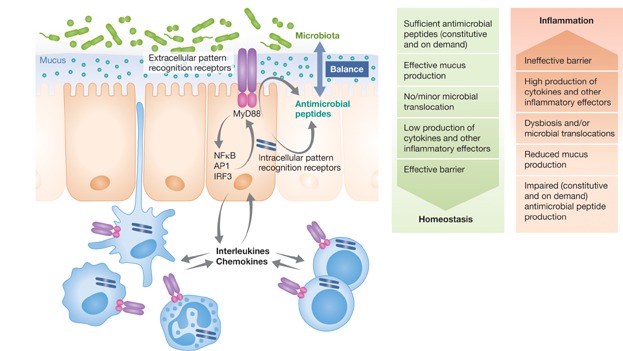
Figure 1. The relationship between resident microbiota and epithelial barrier functions is characterized by a delicate homeostasis
Maturated epithelial cells provide not only a physical shield against the luminal content; they also generate potent biological effectors which help to control intestinal microbiota and keep the epithelial adjacent mucus barrier quite sterile. Among these, various AMPs sourced from all epithelia are crucial in maintaining a beneficial homeostasis in the gut. AMPs are in part constitutively expressed but can also be induced by PRR-activated signalling cascades after stimulation with microbial patterns.
Figure 2
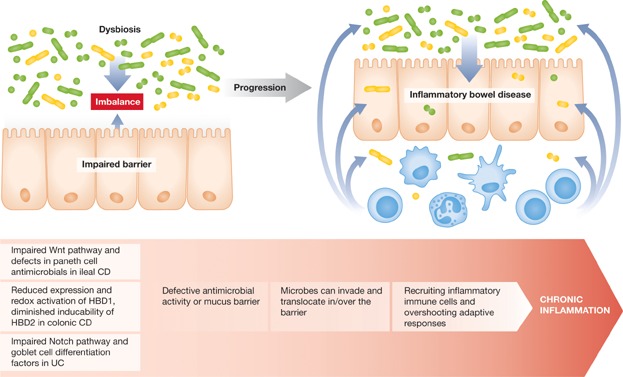
Figure 2. Proposed model for the pathogenesis of IBDs
IBD is characterized by mucosal adherent bacteria and the induction of continuous and overshooting immune responses against normally commensal gut microbiota. Different defects in the intestinal barrier integrity, which affect the innate immune system, are linked to specific subgroups of IBD. Small intestinal CD is associated with defects in Paneth cell antimicrobial defense, which includes reduced α-defensin expression and Impairments in the Wnt pathway. In the colon, Crohn's disease is characterized by reduced inducability of HBD2 as well as diminished constitutive expression of HBD1 and the HBD1 reducing, and thereby activating thioredoxin. UC on the other hand shows an impaired inflammation associated induction of factors, which are important for goblet cell differenciation, which affects the mucus layer effectiveness. Such defects in the first line of mucosal defense can result in mucosal adherent bacteria as well as microbial translocations, which then promote ongoing inflammatory and adaptive immune responses.
Figure 3
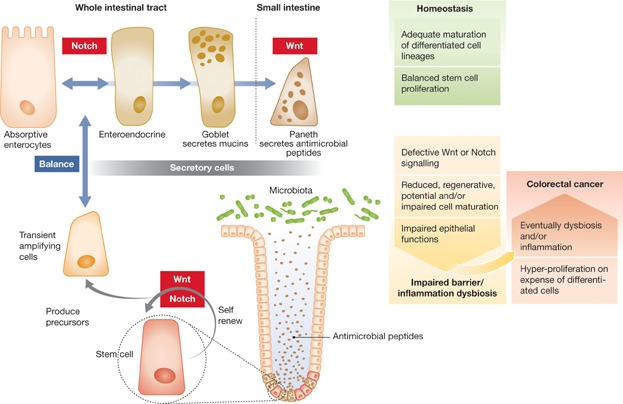
Figure 3. The gut is characterized by a delicately balanced regeneration
Intestinal epithelia underlie complex signalling networks, first and foremost the Notch and Wnt pathways, which control the symmetry of proliferation and differentiation. Notch furthermore directs the lineage decision between absorptive and secretory cells, while the β-catenin dependent Wnt cascade additionally regulates Paneth cell maturation and function. Different from all other secretory cell types (Enteroendocrine and Goblet cells), Paneth cells are normally confined to the bottom of small intestinal crypts of Lieberkühn but can under certain circumstances (e.g. inflammation) appear in other gastrointestinal epithelia. A disturbance of the epithelial cell homeostasis might have disastrous consequences promoting an either debilitated barrier or potentially tumour development. In both cases, effects of microbiota on the onset and/or progression of subsequent pathogenesis mechanisms are discussed. Bacteria have also been shown to influence epithelial differentiation factors in general, which highlights a circular symmetry of host microbe relationship in the gut.

References

    1. Aberle H, Bauer A, Stappert J, Kispert A, Kemler R. Beta-catenin is a target for the ubiquitin-proteasome pathway. EMBO J. 1997;16:3797–3804. - PMC - PubMed
    1. Acosta-Alvear D, Zhou Y, Blais A, Tsikitis M, Lents NH, Arias C, Lennon CJ, Kluger Y, Dynlacht BD. XBP1 controls diverse cell type- and condition-specific transcriptional regulatory networks. Mol. Cell. 2007;27:53–66. - PubMed
    1. Aldhous MC, Noble CL, Satsangi J. Dysregulation of human beta-defensin-2 protein in inflammatory bowel disease. PLoS ONE. 2009;4:e6285. - PMC - PubMed
    1. Andreu P, Colnot S, Godard C, Gad S, Chafey P, Niwa-Kawakita M, Laurent-Puig P, Kahn A, Robine S, Perret C, et al. Crypt-restricted proliferation and commitment to the Paneth cell lineage following Apc loss in the mouse intestine. Development. 2005;132:1443–1451. - PubMed
    1. Andreu P, Peignon G, Slomianny C, Taketo MM, Colnot S, Robine S, Lamarque D, Laurent-Puig P, Perret C, Romagnolo B. A genetic study of the role of the Wnt/beta-catenin signalling in Paneth cell differentiation. Dev Biol. 2008;324:288–296. - PubMed

Publication types

MeSH terms

Substances