


Calcium sensing receptor expression in ovine amniotic fluid mesenchymal stem cells and the potential role of R-568 during osteogenic differentiation
- PMID: 24040082
- PMCID: PMC3767786
- DOI: 10.1371/journal.pone.0073816
Calcium sensing receptor expression in ovine amniotic fluid mesenchymal stem cells and the potential role of R-568 during osteogenic differentiation
Abstract
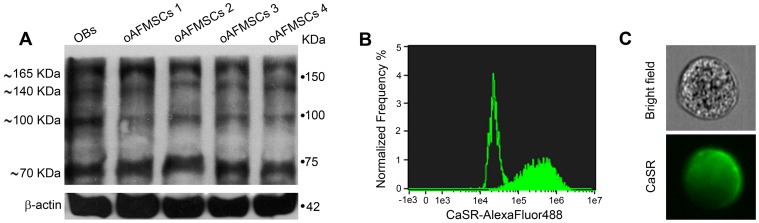
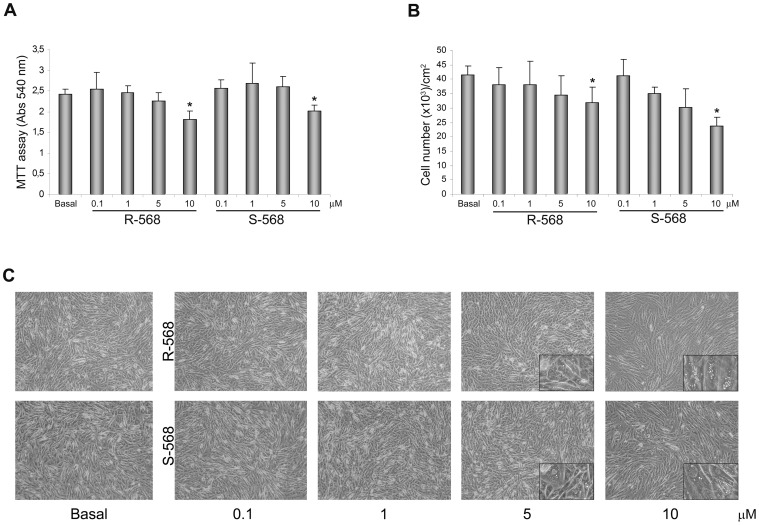
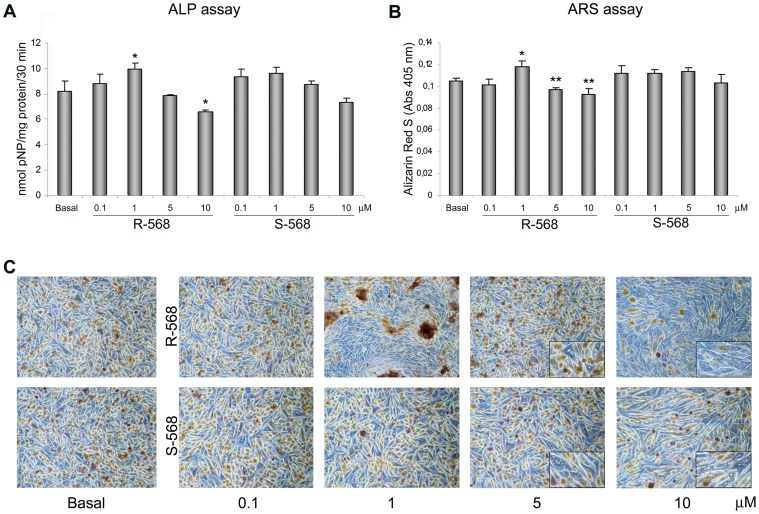
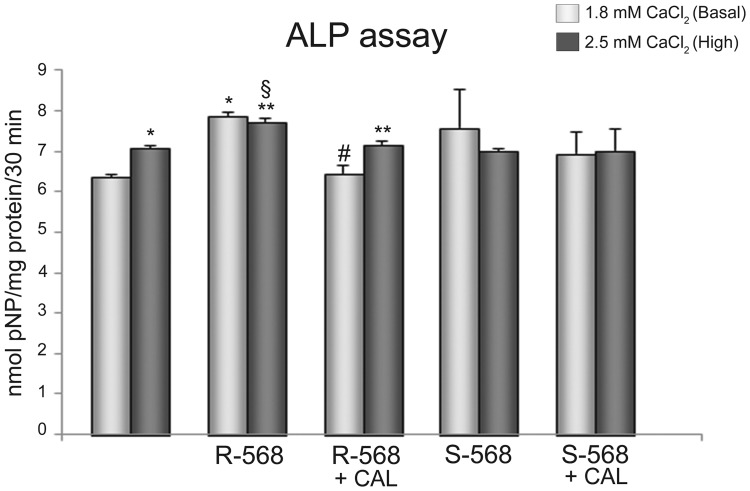
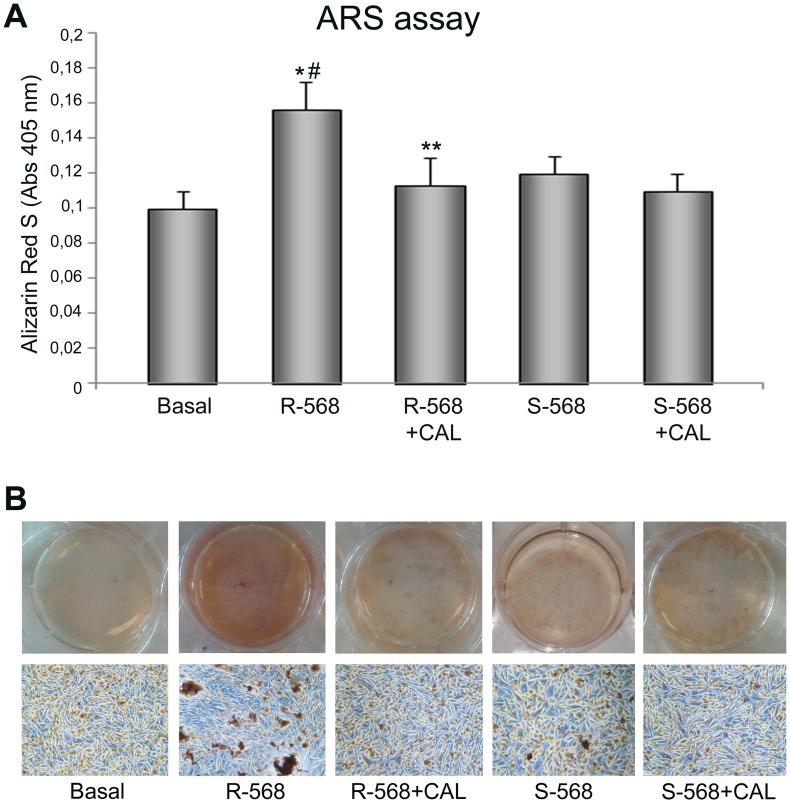
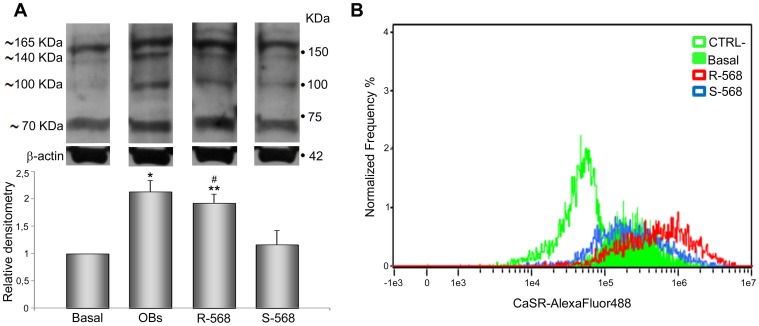
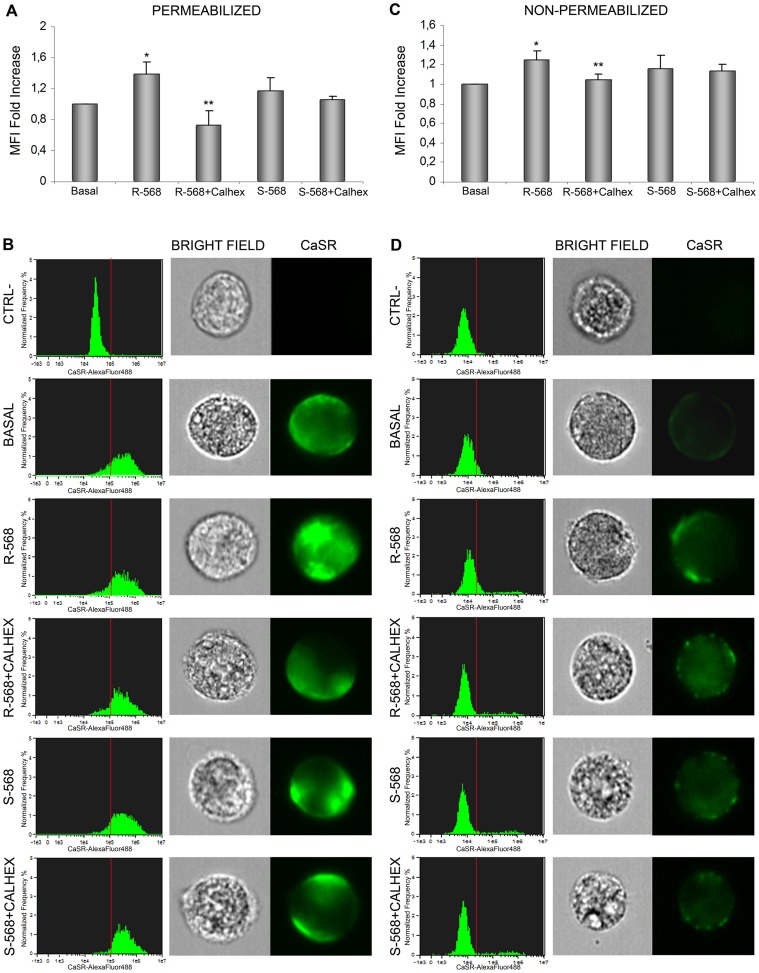
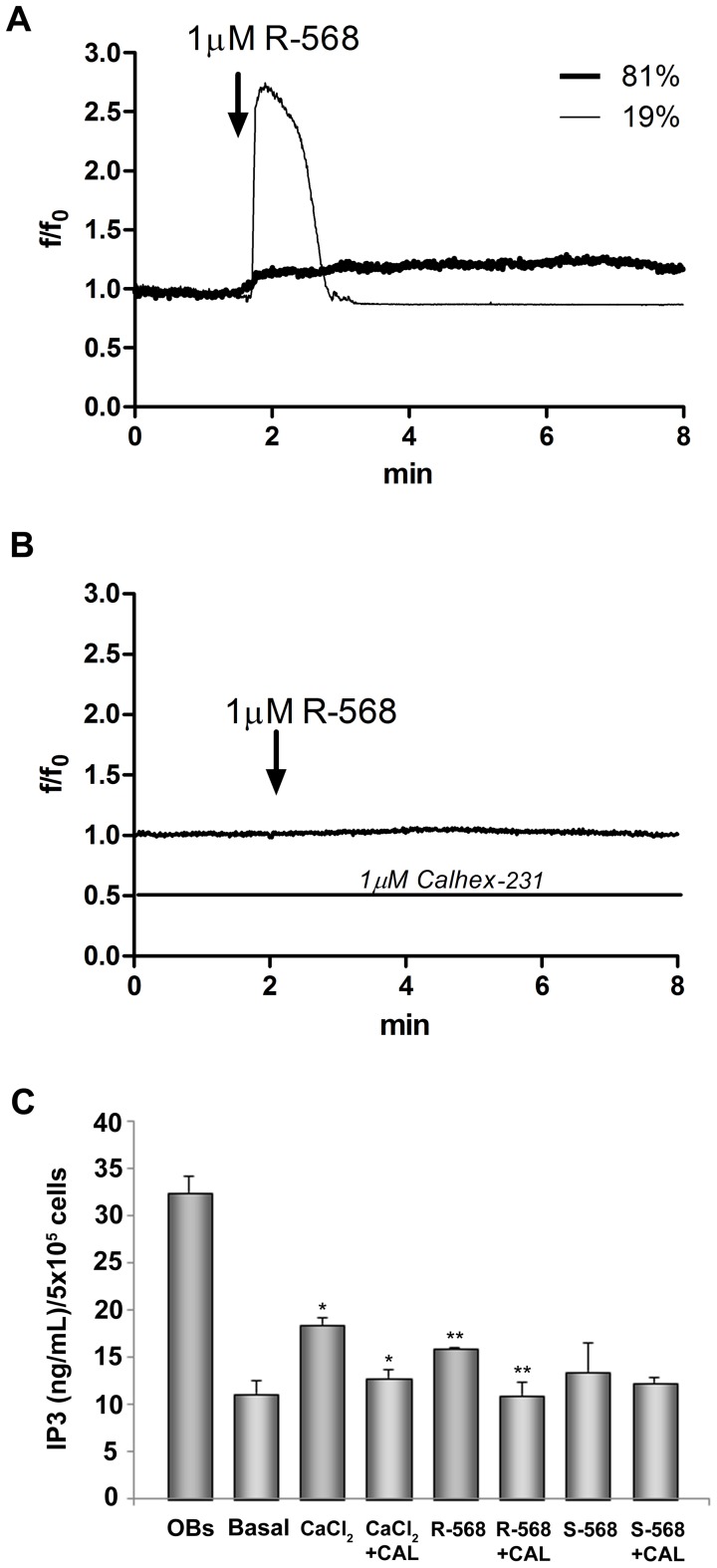
Amniotic fluid-derived stem (AFS) cells have been identified as a promising source for cell therapy applications in bone traumatic and degenerative damage. Calcium Sensing Receptor (CaSR), a G protein-coupled receptor able to bind calcium ions, plays a physiological role in regulating bone metabolism. It is expressed in different kinds of cells, as well as in some stem cells. The bone CaSR could potentially be targeted by allosteric modulators, in particular by agonists such as calcimimetic R-568, which may potentially be helpful for the treatment of bone disease. The aim of our study was first to investigate the presence of CaSR in ovine Amniotic Fluid Mesenchymal Stem Cells (oAFMSCs) and then the potential role of calcimimetics in in vitro osteogenesis. oAFMSCs were isolated, characterized and analyzed to examine the possible presence of CaSR by western blotting and flow cytometry analysis. Once we had demonstrated CaSR expression, we worked out that 1 µM R-568 was the optimal and effective concentration by cell viability test (MTT), cell number, Alkaline Phosphatase (ALP) and Alizarin Red S (ARS) assays. Interestingly, we observed that basal diffuse CaSR expression in oAFMSCs increased at the membrane when cells were treated with R-568 (1 µM), potentially resulting in activation of the receptor. This was associated with significantly increased cell mineralization (ALP and ARS staining) and augmented intracellular calcium and Inositol trisphosphate (IP3) levels, thus demonstrating a potential role for calcimimetics during osteogenic differentiation. Calhex-231, a CaSR allosteric inhibitor, totally reversed R-568 induced mineralization. Taken together, our results demonstrate for the first time that CaSR is expressed in oAFMSCs and that calcimimetic R-568, possibly through CaSR activation, can significantly improve the osteogenic process. Hence, our study may provide useful information on the mechanisms regulating osteogenesis in oAFMSCs, perhaps prompting the use of calcimimetics in bone regenerative medicine.
Conflict of interest statement
Figures
References
-
- De Coppi P, Bartsch G, Siddiqui MM, Xu T, Santos CC, et al. (2007) Isolation of amniotic stem cell lines with potential for therapy. Nature biotechnology 25: 100–106. - PubMed
-
- D’Alimonte I, Lannutti A, Pipino C, Di Tomo P, Pierdomenico L, et al.. (2013) Wnt Signaling Behaves as a “Master Regulator” in the Osteogenic and Adipogenic Commitment of Human Amniotic Fluid Mesenchymal Stem Cells. Stem cell reviews. Available: http://www.ncbi.nlm.nih.gov/pubmed/23605563. doi 10.1007/s12015-013-9436-5. - DOI - PMC - PubMed
-
- Piccoli M, Franzin C, Bertin E, Urbani L, Blaauw B, et al. (2012) Amniotic Fluid Stem Cells Restore the Muscle Cell Niche in a HSA-Cre, SmnF7/F7 Mouse Model. Stem Cells 30: 1675–1684. - PubMed
-
- Sedrakyan S, Angelow S, De Filippo R, Perin L (2012) Stem cells as a therapeutic approach to chronic kidney diseases. Curr Urol Rep 13: 47–54. - PubMed
-
- Bollini S, Cheung K, Riegler J, Dong X, Smart N, et al. (2011) Amniotic fluid stem cells are cardioprotective following acute myocardial infarction. Stem Cells Dev 20: 1985–1994. - PubMed
Publication types
MeSH terms
Substances
LinkOut - more resources
Full Text Sources
Other Literature Sources
