


Association of hormonal contraceptive use with reduced levels of depressive symptoms: a national study of sexually active women in the United States
- PMID: 24043440
- PMCID: PMC3888252
- DOI: 10.1093/aje/kwt188
Association of hormonal contraceptive use with reduced levels of depressive symptoms: a national study of sexually active women in the United States
Abstract
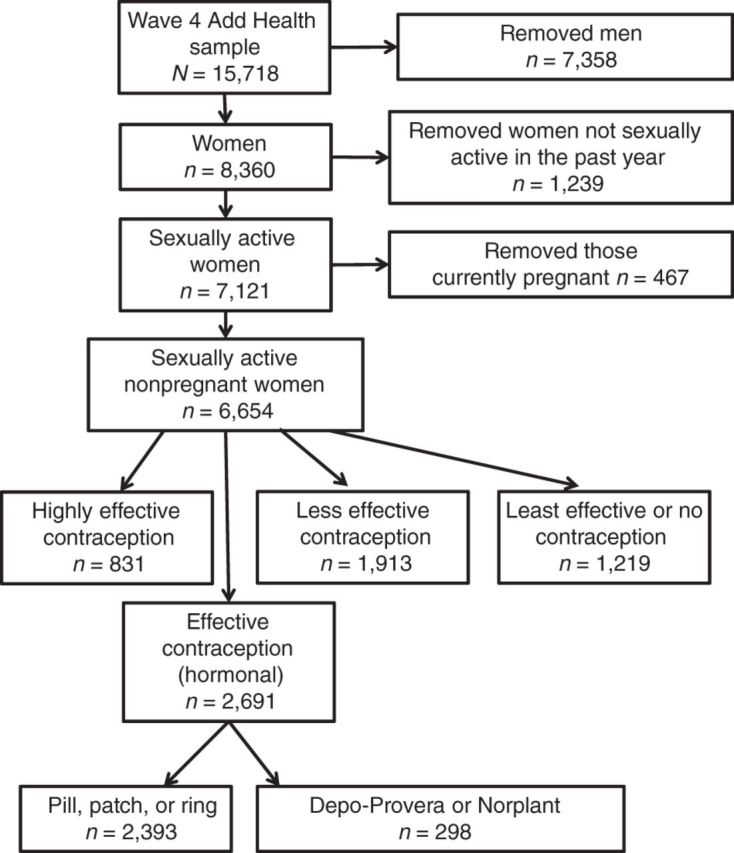
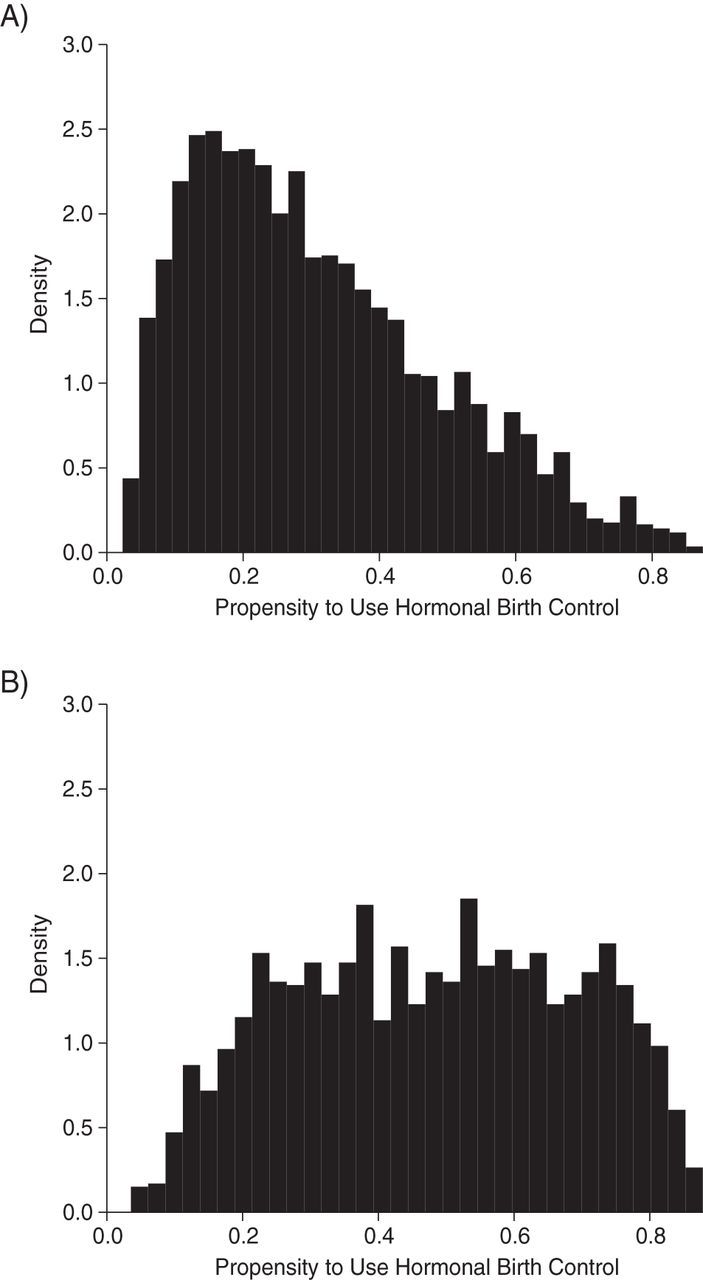
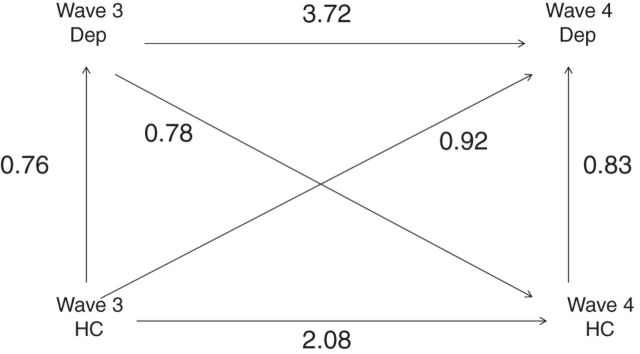
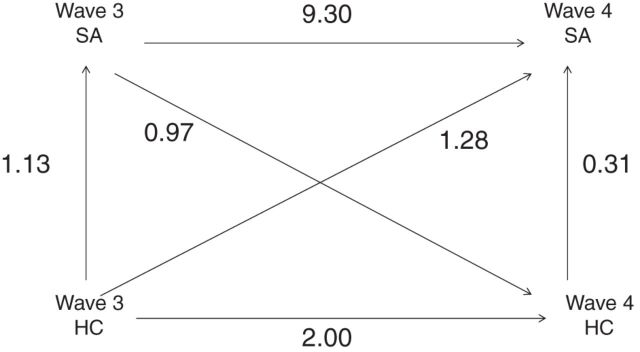
An estimated 80% of sexually active young women in the United States use hormonal contraceptives during their reproductive years. Associations between hormonal contraceptive use and mood disturbances remain understudied, despite the hypothesis that estrogen and progesterone play a role in mood problems. In this study, we used data from 6,654 sexually active nonpregnant women across 4 waves of the National Longitudinal Study of Adolescent Health (1994-2008), focusing on women aged 25-34 years. Women were asked about hormonal contraceptive use in the context of a current sexual partnership; thus, contraceptive users were compared with other sexually active women who were using either nonhormonal contraception or no contraception. Depressive symptoms were assessed with the Center for Epidemiologic Studies Depression Scale. At ages 25-34 years, hormonal contraceptive users had lower mean levels of concurrent depressive symptoms (β = -1.04, 95% confidence interval: -1.73, -0.35) and were less likely to report a past-year suicide attempt (odds ratio = 0.37, 95% confidence interval: 0.14, 0.95) than women using low-efficacy contraception or no contraception, in models adjusted for propensity scores for hormonal contraceptive use. Longitudinal analyses indicated that associations between hormonal contraception and depressive symptoms were stable. Hormonal contraception may reduce levels of depressive symptoms among young women. Systematic investigation of exogenous hormones as a potential preventive factor in psychiatric epidemiology is warranted.
Keywords: adolescent; depression; gender; hormonal contraception; oral contraceptives; suicide.
Figures
Comment in
-
Invited commentary: How can we reconcile the findings of Keyes et al.'s study with the experience of our patients in clinical practice?Am J Epidemiol. 2013 Nov 1;178(9):1389-91. doi: 10.1093/aje/kwt186. Epub 2013 Sep 15. Am J Epidemiol. 2013. PMID: 24043434
-
Keyes et Al. Respond to "hormonal contraception and mood".Am J Epidemiol. 2013 Nov 1;178(9):1392-3. doi: 10.1093/aje/kwt187. Epub 2013 Sep 15. Am J Epidemiol. 2013. PMID: 24043438 Free PMC article. No abstract available.
References
-
- Chandra A, Martinez GM, Mosher WD, et al. Fertility, family planning, and reproductive health of U.S. women: data from the 2002 National Survey of Family Growth. Vital Health Stat 23. 2005;(25):1–160. - PubMed
-
- Kaunitz AM. Oral contraceptive health benefits: perception versus reality. Contraception. 1999;59(suppl 1):29S–33S. - PubMed
-
- King J. Noncontraceptive uses of hormonal contraception. J Midwif Wom Health. 2011;56(6):628–635. - PubMed
-
- Maguire K, Westhoff C. The state of hormonal contraception today: established and emerging noncontraceptive health benefits. Am J Obstet Gynecol. 2011;205(suppl 4):S4–S8. - PubMed
Publication types
MeSH terms
Substances
Grants and funding
LinkOut - more resources
Full Text Sources
Other Literature Sources
Medical
Miscellaneous
