


Renal adaptation during hibernation
- PMID: 24049148
- PMCID: PMC4073900
- DOI: 10.1152/ajprenal.00675.2012
Renal adaptation during hibernation
Abstract
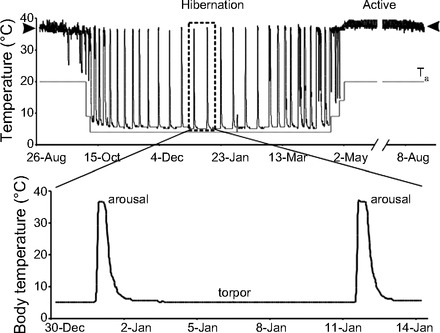
Hibernators periodically undergo profound physiological changes including dramatic reductions in metabolic, heart, and respiratory rates and core body temperature. This review discusses the effect of hypoperfusion and hypothermia observed during hibernation on glomerular filtration and renal plasma flow, as well as specific adaptations in renal architecture, vasculature, the renin-angiotensin system, and upregulation of possible protective mechanisms during the extreme conditions endured by hibernating mammals. Understanding the mechanisms of protection against organ injury during hibernation may provide insights into potential therapies for organ injury during cold storage and reimplantation during transplantation.
Keywords: electrolytes; hibernation; kidney; metabolism; torpor.
Figures
References
-
- Abbate M, Bonventre JV, Brown D. The microtubule network of renal epithelial cells is disrupted by ischemia and reperfusion. Am J Physiol Renal Fluid Electrolyte Physiol 267: F971–F978, 1994 - PubMed
-
- Abbotts B, Wang LC, Glass JD. Absence of evidence for a hibernation “trigger” in blood dialyzate of Richardson's ground squirrel. Cryobiology 16: 179–183, 1979 - PubMed
-
- Alpern RJ, Hebert SC. Seldin and Giebisch's the Kidney: Physiology Pathophysiology 1–2. New York: Academic, 2007
-
- Anderson DG. Changes in renal morphology and renin secretion in the golden-mantled ground squirrel (Spermophilus lateralis) during activity and hibernation. Cell Tissue Res 262: 99–104, 1990 - PubMed
-
- Audet D, Fenton MB. Heterothermy and the use of torpor by the bat eptesicus fuscus (chiroptera: vespertilionidae): a field study. Physiol Zool 61: 197–204, 1988
Publication types
MeSH terms
Grants and funding
LinkOut - more resources
Full Text Sources
Other Literature Sources
