Caveolae internalization repairs wounded cells and muscle fibers
- PMID: 24052812
- PMCID: PMC3776555
- DOI: 10.7554/eLife.00926
Caveolae internalization repairs wounded cells and muscle fibers
Abstract
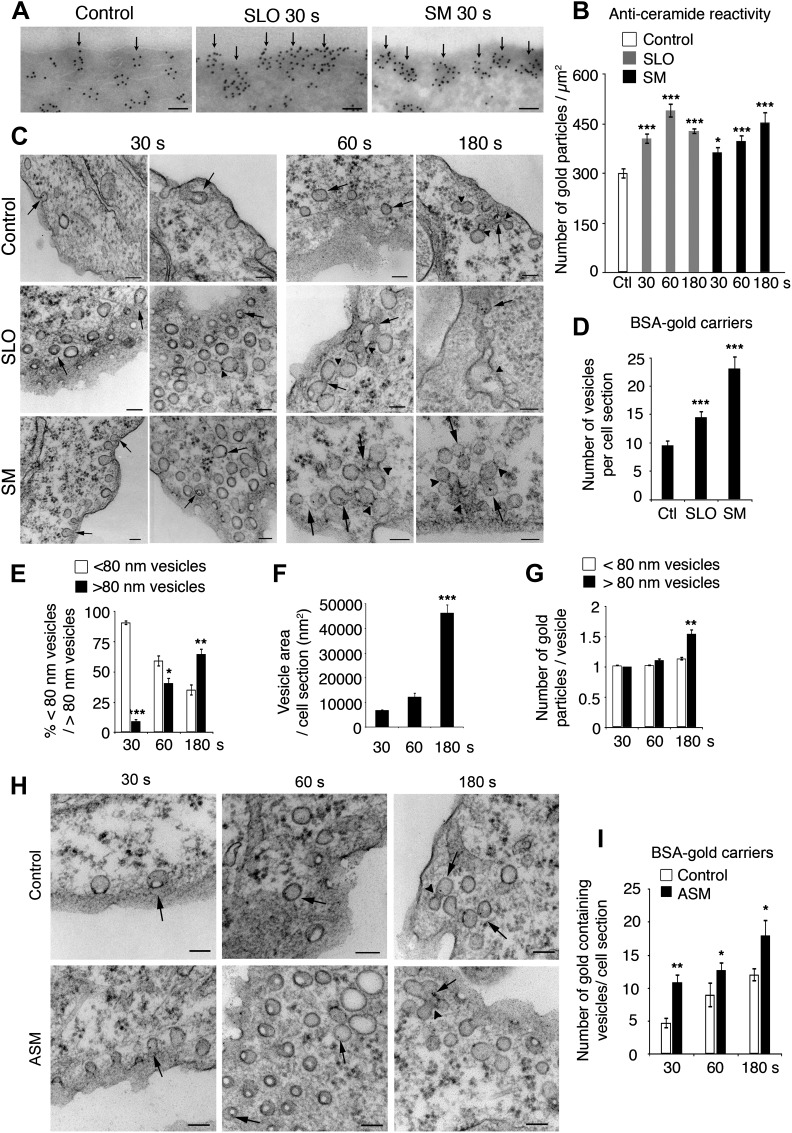
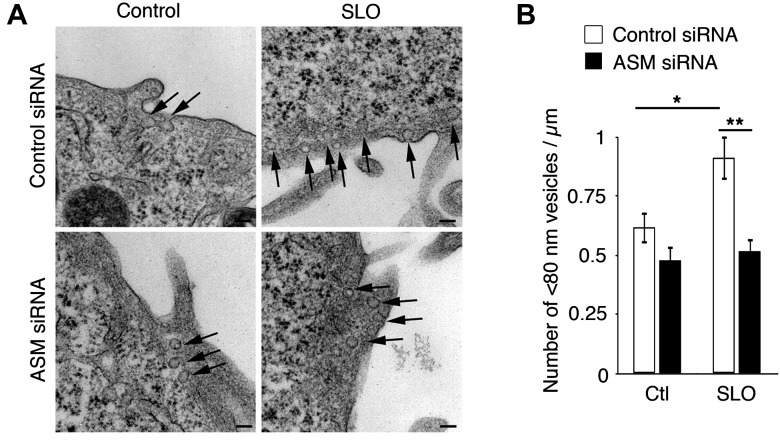
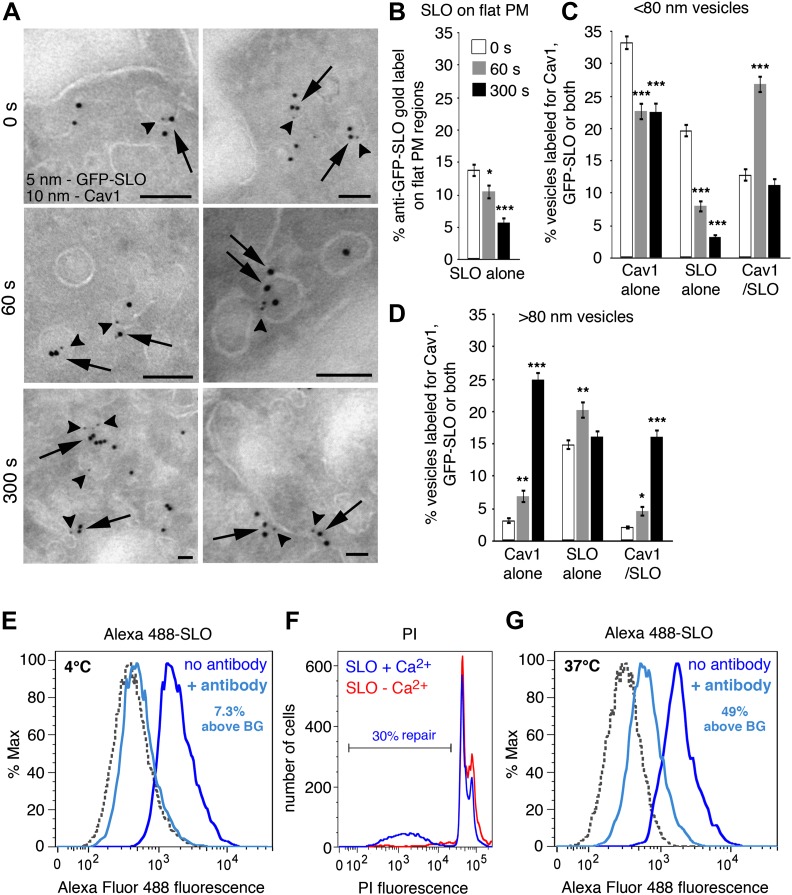
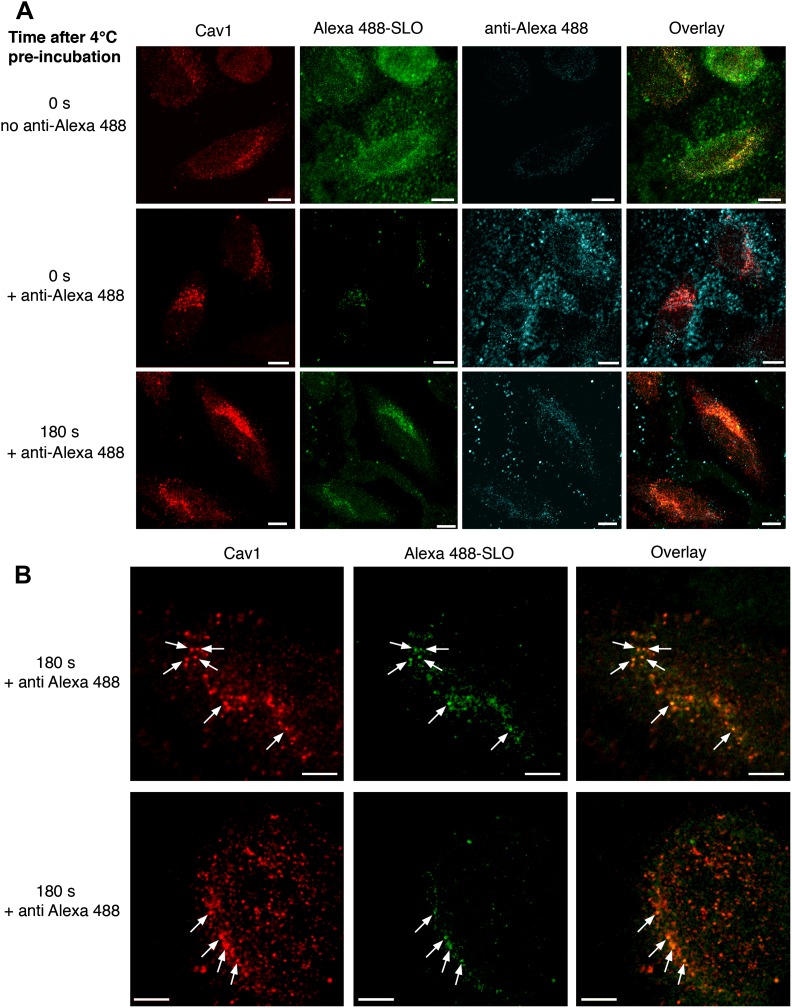
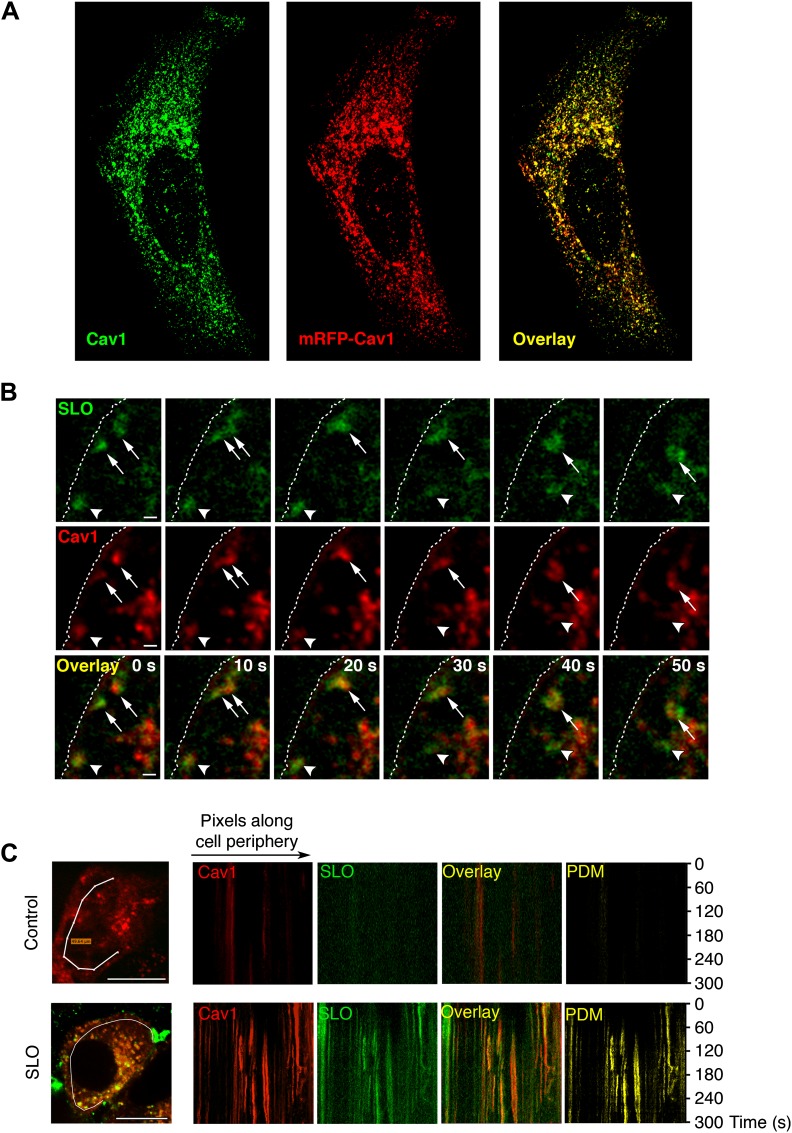
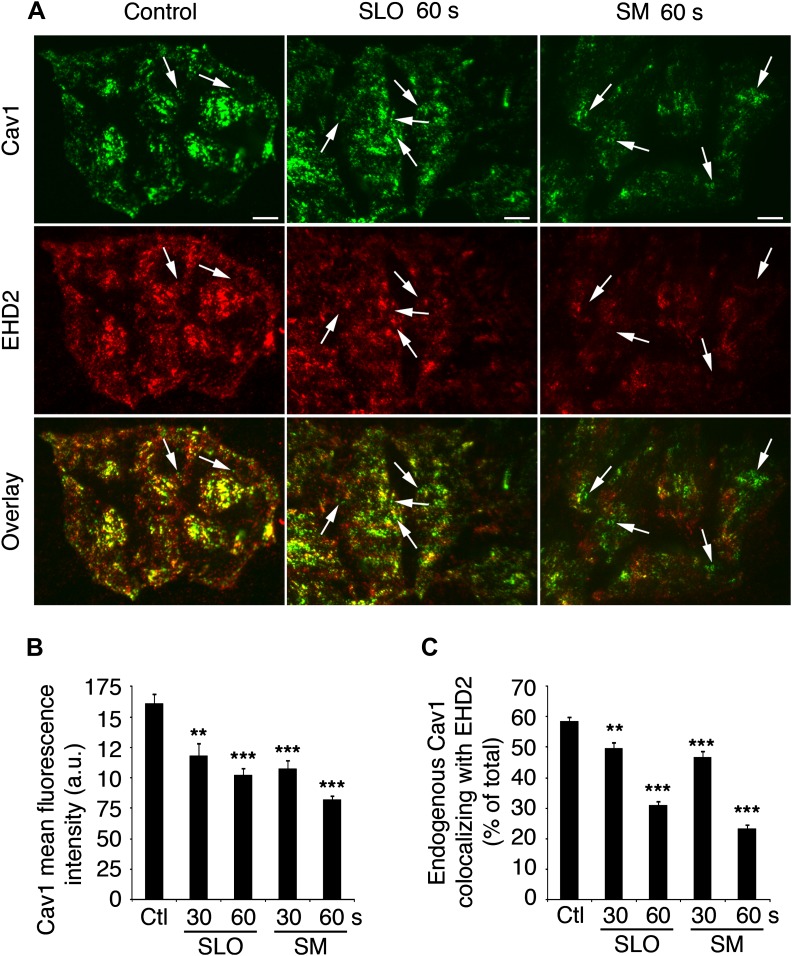
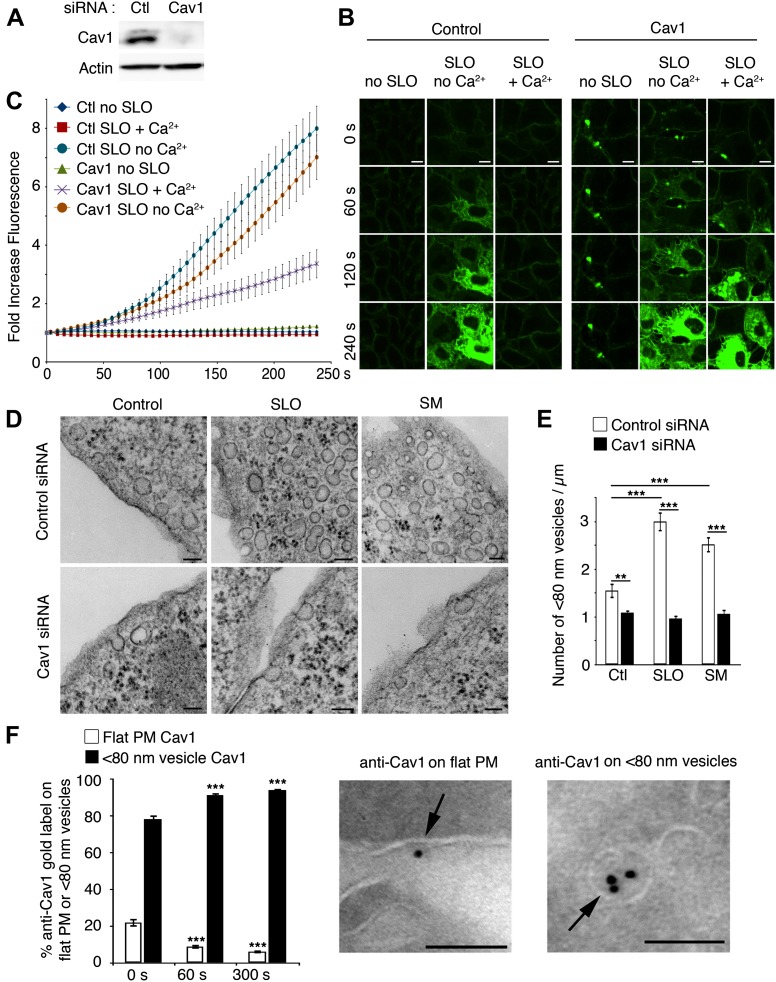
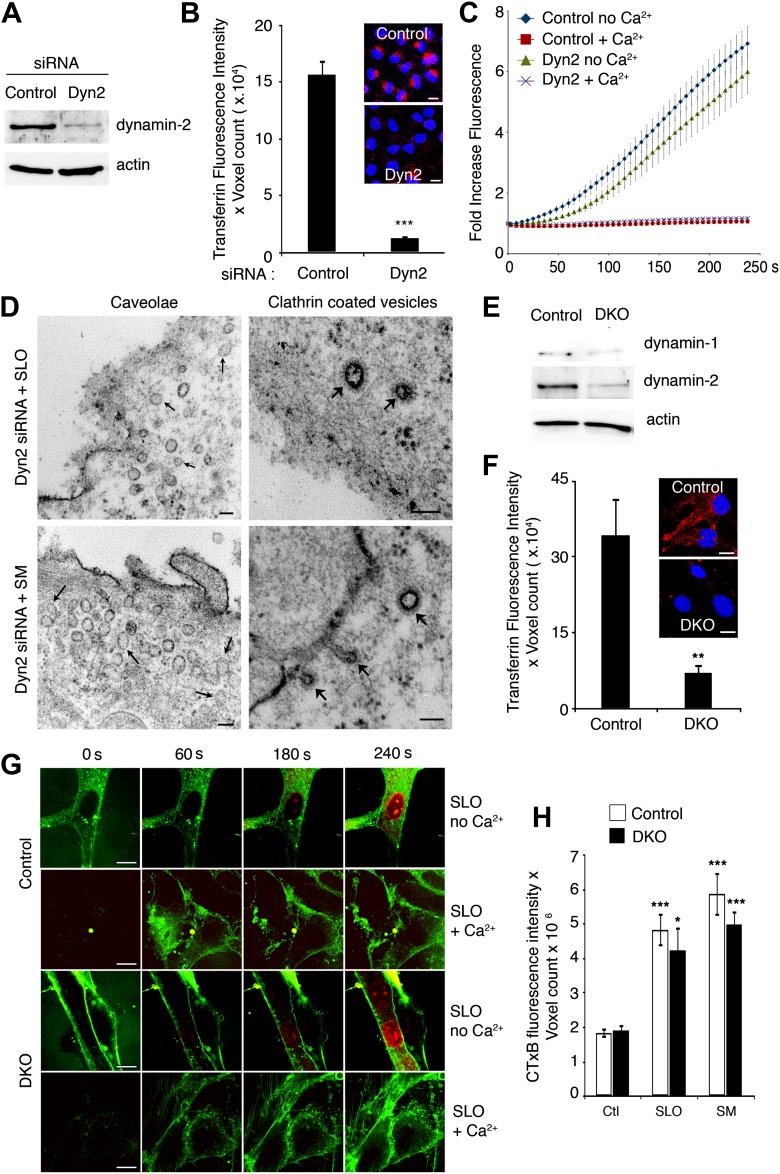
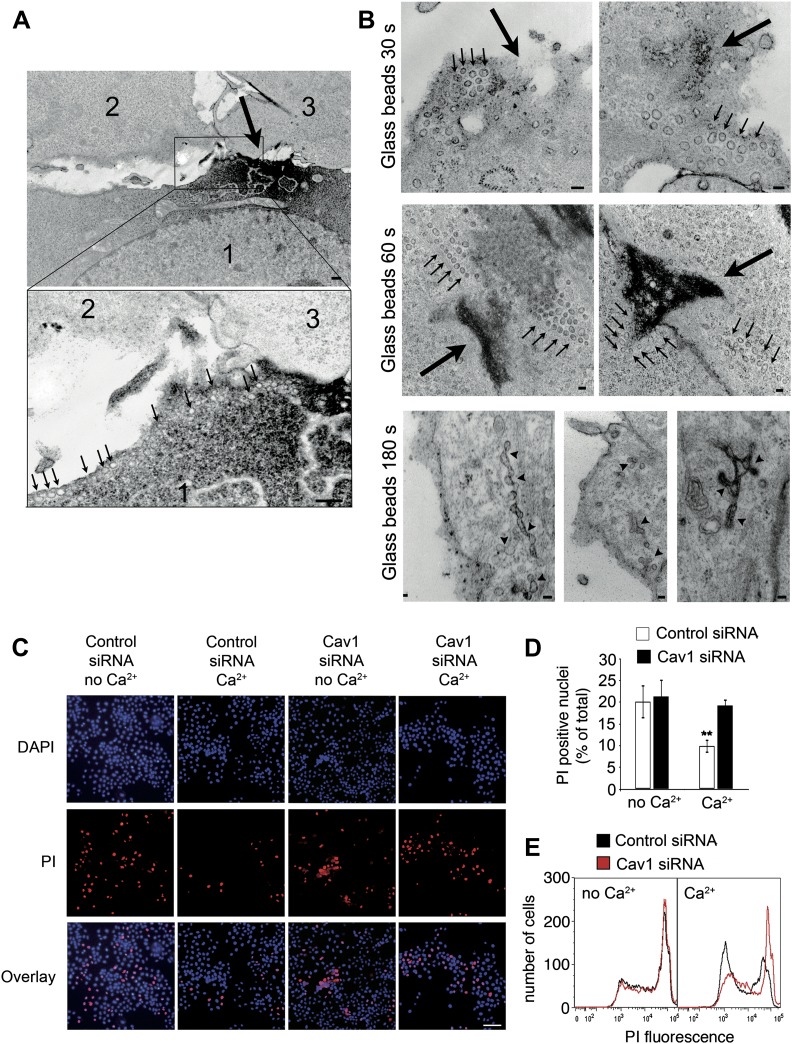
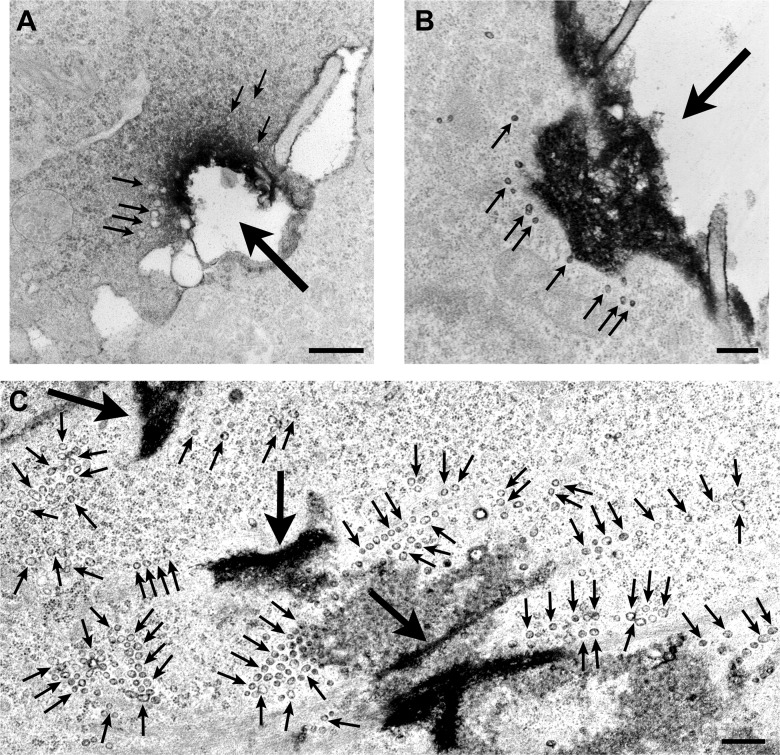
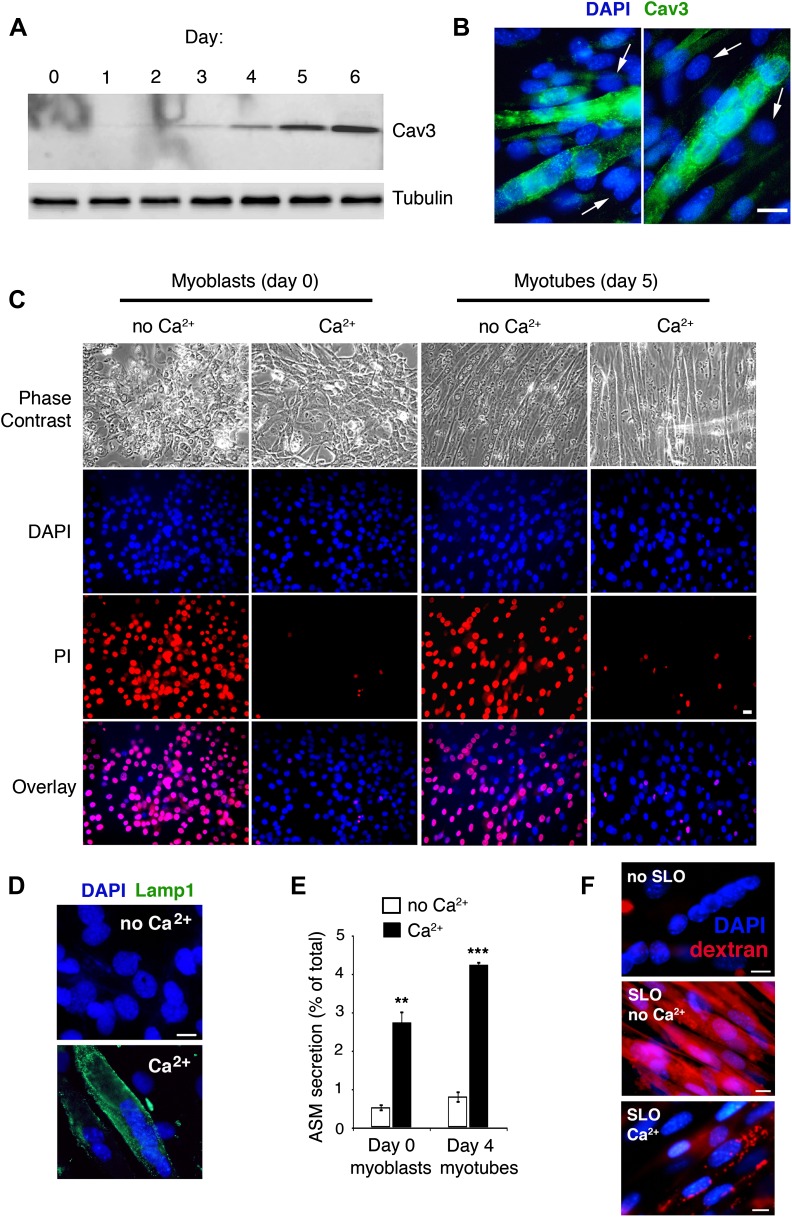
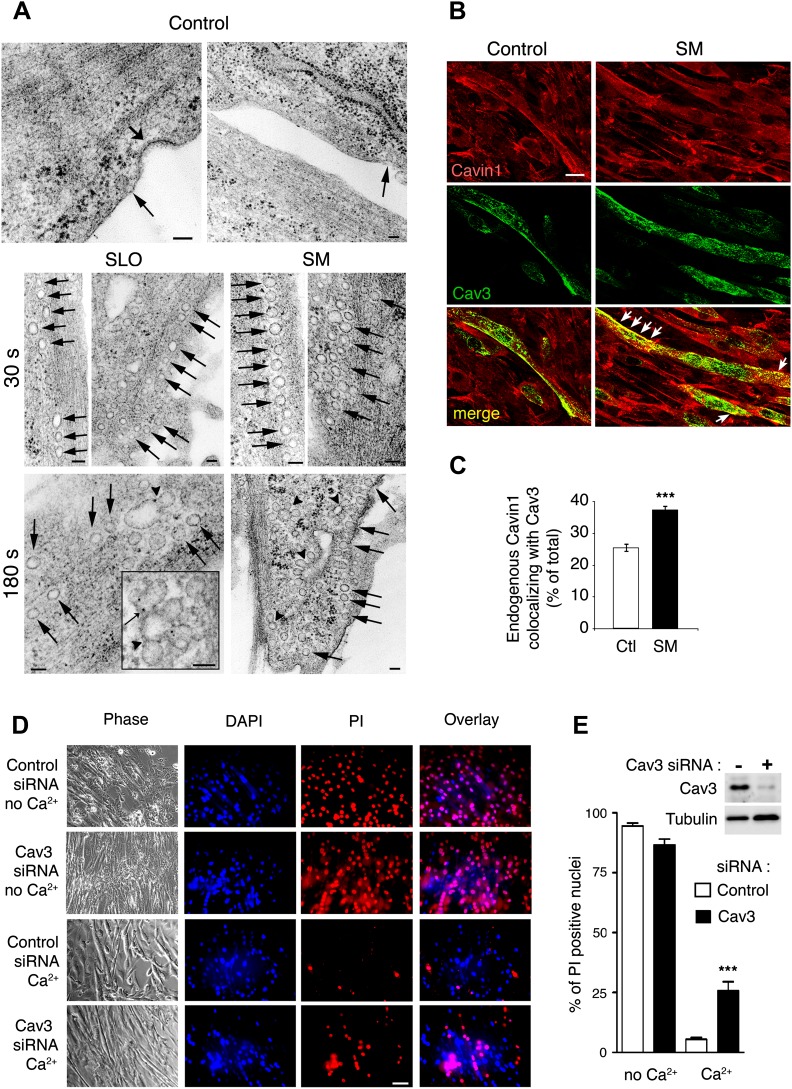
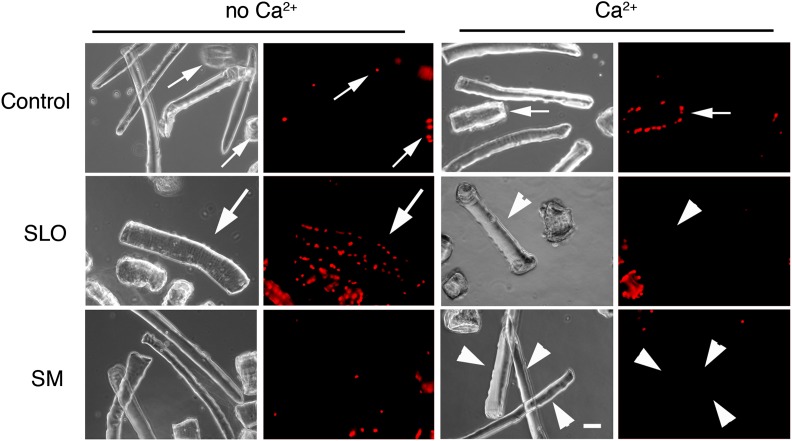
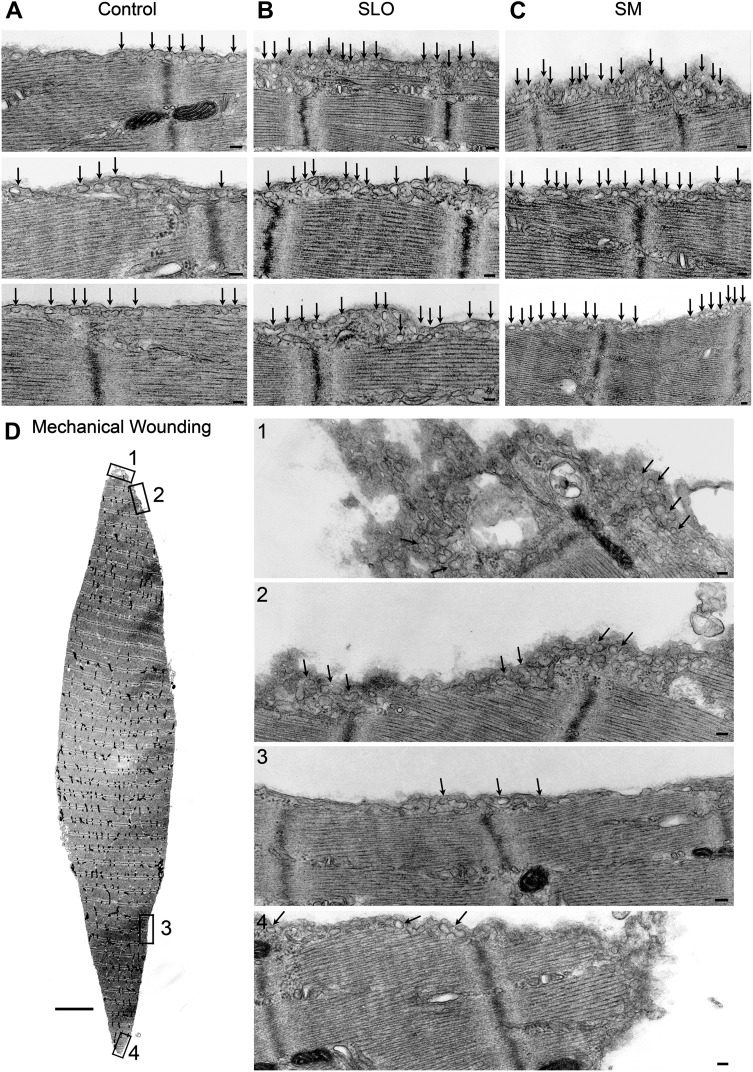
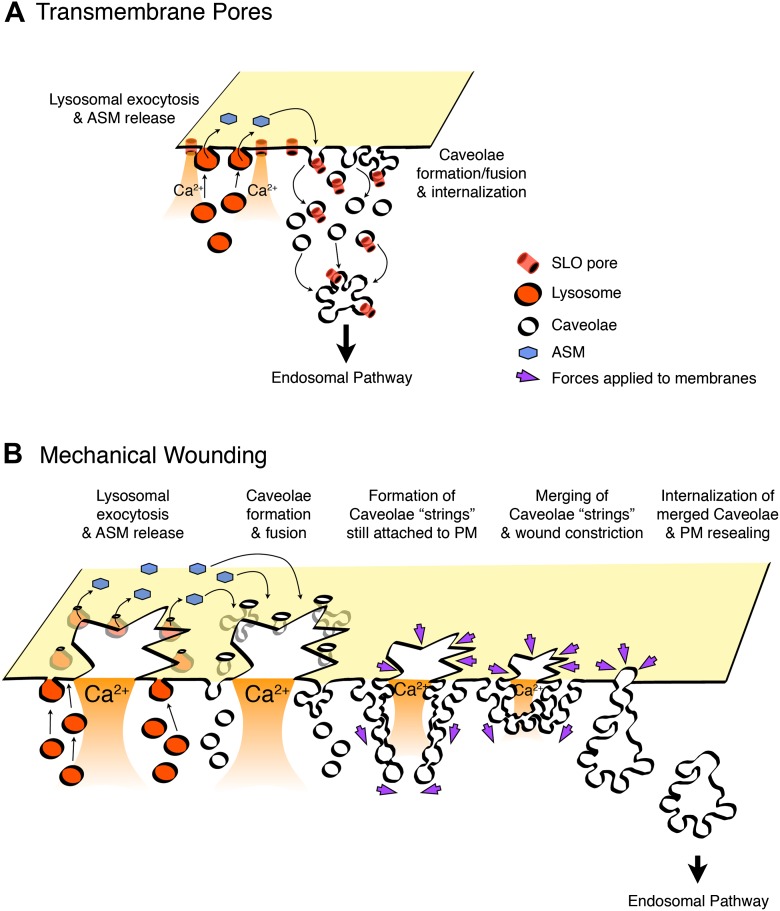
Rapid repair of plasma membrane wounds is critical for cellular survival. Muscle fibers are particularly susceptible to injury, and defective sarcolemma resealing causes muscular dystrophy. Caveolae accumulate in dystrophic muscle fibers and caveolin and cavin mutations cause muscle pathology, but the underlying mechanism is unknown. Here we show that muscle fibers and other cell types repair membrane wounds by a mechanism involving Ca(2+)-triggered exocytosis of lysosomes, release of acid sphingomyelinase, and rapid lesion removal by caveolar endocytosis. Wounding or exposure to sphingomyelinase triggered endocytosis and intracellular accumulation of caveolar vesicles, which gradually merged into larger compartments. The pore-forming toxin SLO was directly visualized entering cells within caveolar vesicles, and depletion of caveolin inhibited plasma membrane resealing. Our findings directly link lesion removal by caveolar endocytosis to the maintenance of plasma membrane and muscle fiber integrity, providing a mechanistic explanation for the muscle pathology associated with mutations in caveolae proteins. DOI:http://dx.doi.org/10.7554/eLife.00926.001.
Keywords: Human; Mouse; endocytosis; lysosome; toxin.
Conflict of interest statement
The authors declare that no competing interests exist.
Figures
References
Publication types
MeSH terms
Substances
Grants and funding
LinkOut - more resources
Full Text Sources
Other Literature Sources
Miscellaneous