


Antidepressant medication as a risk factor for type 2 diabetes and impaired glucose regulation: systematic review
- PMID: 24065841
- PMCID: PMC3781547
- DOI: 10.2337/dc13-0560
Antidepressant medication as a risk factor for type 2 diabetes and impaired glucose regulation: systematic review
Abstract
Objective: Antidepressant use has risen sharply over recent years. Recent concerns that antidepressants may adversely affect glucose metabolism require investigation. Our aim was to assess the risk of type 2 diabetes associated with antidepressants through a systematic review.
Research design and methods: Data sources were MEDLINE, Embase, PsycINFO, The Cochrane Library, Web of Science, meeting abstracts of the European Association for the Study of Diabetes, American Diabetes Association, and Diabetes UK, Current Controlled Trials, ClinicalTrials.gov, U.K. Clinical Research Network, scrutiny of bibliographies of retrieved articles, and contact with relevant experts. Relevant studies of antidepressant effects were included. Key outcomes were diabetes incidence and change in blood glucose (fasting and random).
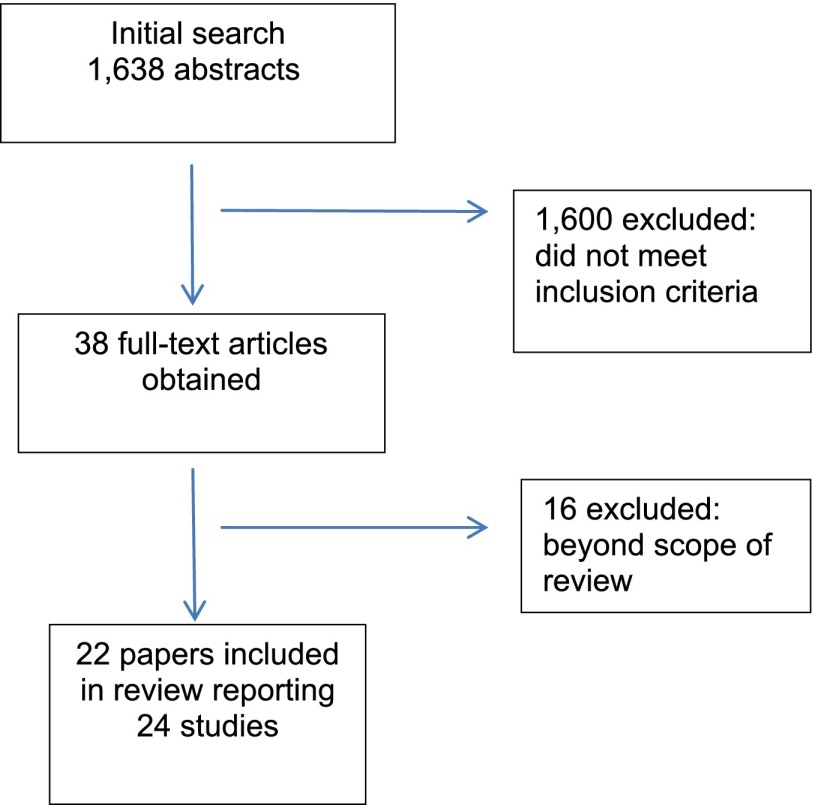
Results: Three systemic reviews and 22 studies met the inclusion criteria. Research designs included 1 case series and 21 observational studies comprising 4 cross-sectional, 5 case-control, and 12 cohort studies. There was evidence that antidepressant use is associated with type 2 diabetes. Causality is not established, but rather, the picture is confused, with some antidepressants linked to worsening glucose control, particularly with higher doses and longer duration, others linked with improved control, and yet more with mixed results. The more recent, larger studies, however, suggest a modest effect. Study quality was variable.
Conclusions: Although evidence exists that antidepressant use may be an independent risk factor for type 2 diabetes, long-term prospective studies of the effects of individual antidepressants rather than class effects are required. Heightened alertness to potential risks is necessary until these are complete.
References
-
- National Health Executive. Available from: http://www.nationalhealthexecutive.com/Health-Care-News/antidepressant Accessed 5 February 2013
-
- Serretti A, Mandelli L. Antidepressants and body weight: a comprehensive review and meta-analysis. J Clin Psychiatry 2010;71:1259–1272 - PubMed
-
- Isotani H, Kameoka K. Hypoglycemia associated with maprotiline in a patient with type 1 diabetes. Diabetes Care 1999;22:862–863 - PubMed
-
- Khoza S, Barner JC. Glucose dysregulation associated with antidepressant agents: an analysis of 17 published case reports. Int J Clin Pharmacol 2011;33:484–492 - PubMed
Publication types
MeSH terms
Substances
LinkOut - more resources
Full Text Sources
Other Literature Sources
Medical
Miscellaneous
