


Doublecortin knockout mice show normal hippocampal-dependent memory despite CA3 lamination defects
- PMID: 24073232
- PMCID: PMC3779246
- DOI: 10.1371/journal.pone.0074992
Doublecortin knockout mice show normal hippocampal-dependent memory despite CA3 lamination defects
Abstract
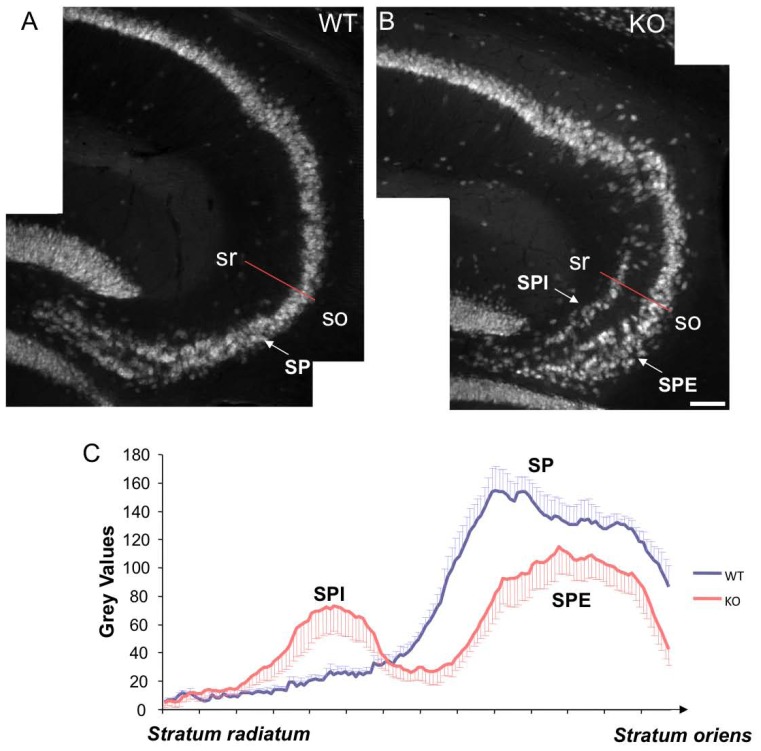
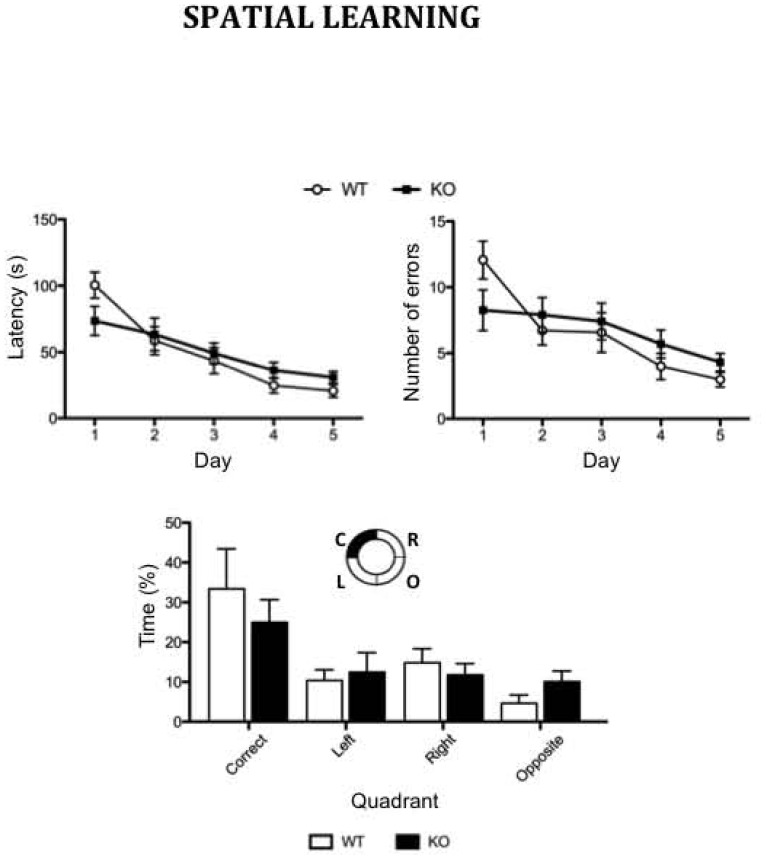
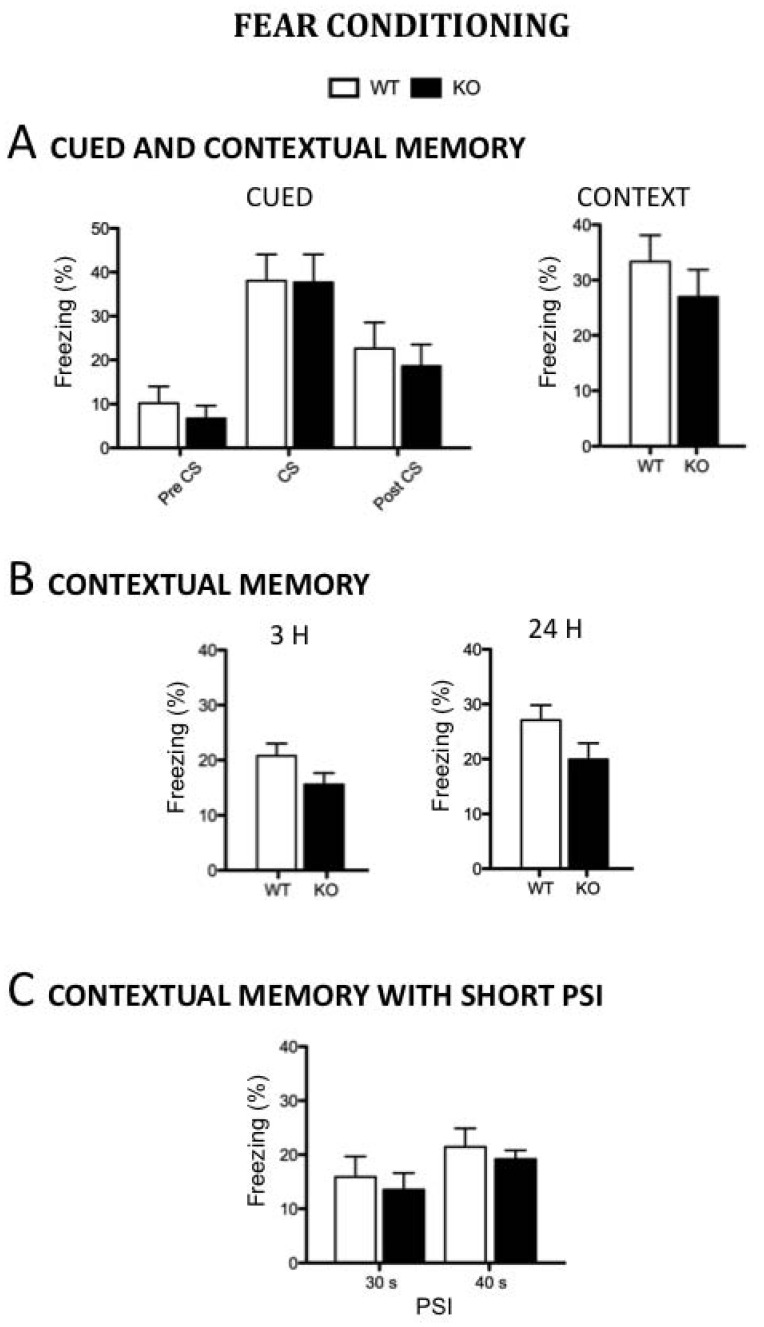
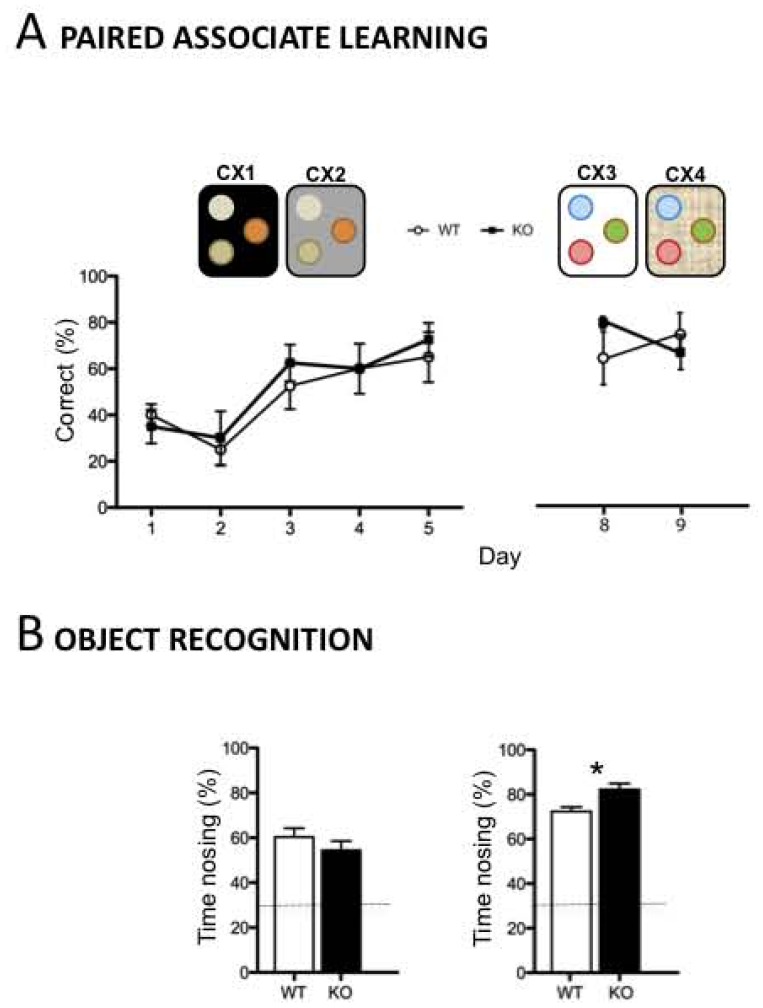
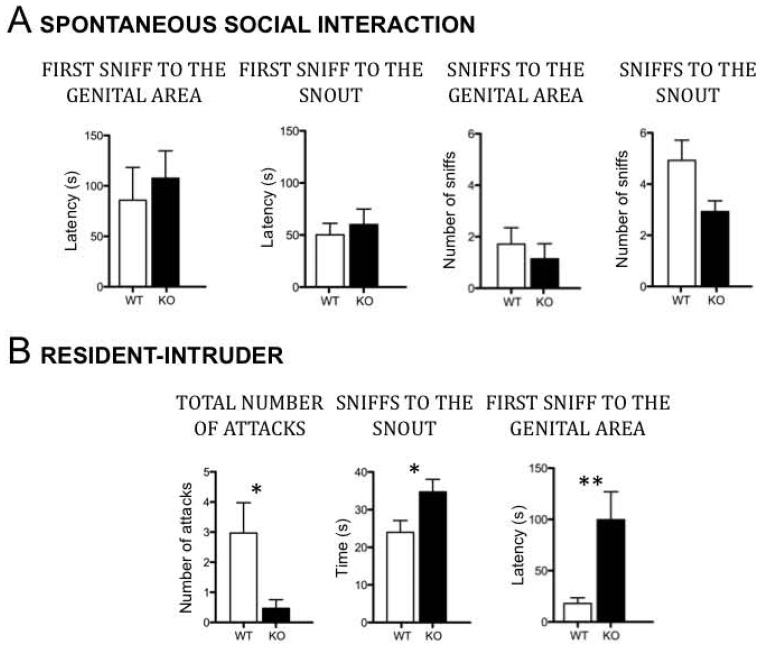
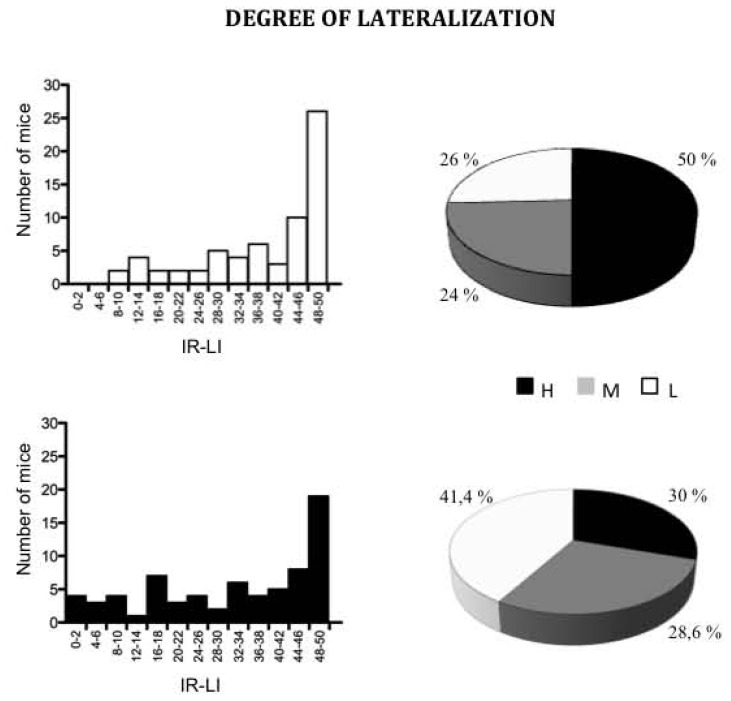
Mutations in the human X-linked doublecortin gene (DCX) cause major neocortical disorganization associated with severe intellectual disability and intractable epilepsy. Although Dcx knockout (KO) mice exhibit normal isocortical development and architecture, they show lamination defects of the hippocampal pyramidal cell layer largely restricted to the CA3 region. Dcx-KO mice also exhibit interneuron abnormalities. As well as the interest of testing their general neurocognitive profile, Dcx-KO mice also provide a relatively unique model to assess the effects of a disorganized CA3 region on learning and memory. Based on its prominent anatomical and physiological features, the CA3 region is believed to contribute to rapid encoding of novel information, formation and storage of arbitrary associations, novelty detection, and short-term memory. We report here that Dcx-KO adult males exhibit remarkably preserved hippocampal- and CA3-dependant cognitive processes using a large battery of classical hippocampus related tests such as the Barnes maze, contextual fear conditioning, paired associate learning and object recognition. In addition, we show that hippocampal adult neurogenesis, in terms of proliferation, survival and differentiation of granule cells, is also remarkably preserved in Dcx-KO mice. In contrast, following social deprivation, Dcx-KO mice exhibit impaired social interaction and reduced aggressive behaviors. In addition, Dcx-KO mice show reduced behavioral lateralization. The Dcx-KO model thus reinforces the association of neuropsychiatric behavioral impairments with mouse models of intellectual disability.
Conflict of interest statement
Figures
References
-
- Kappeler C, Dhenain M, Phan Dinh Tuy F, Saillour Y, Marty S, et al. (2007) Magnetic resonance imaging and histological studies of corpus callosal and hippocampal abnormalities linked to doublecortin deficiency. J Comp Neurol 500: 239–254. - PubMed
-
- Gleeson JG, Allen KM, Fox JW, Lamperti ED, Berkovic S, et al. (1998) Doublecortin, a brain-specific gene mutated in human X-linked lissencephaly and double cortex syndrome, encodes a putative signaling protein. Cell 92: 63–72. - PubMed
-
- Hong SE, Shugart YY, Huang DT, Shahwan SA, Grant PE, et al. (2000) Autosomal recessive lissencephaly with cerebellar hypoplasia is associated with human RELN mutations. Nat Genet 26: 93–96. - PubMed
-
- Reiner O, Carrozzo R, Shen Y, Wehnert M, Faustinella F, et al. (1993) Isolation of a Miller-Dieker lissencephaly gene containing G protein beta-subunit-like repeats. Nature 364: 717–721. - PubMed
Publication types
MeSH terms
Substances
LinkOut - more resources
Full Text Sources
Other Literature Sources
Medical
Molecular Biology Databases
Research Materials
Miscellaneous
