. 2013 Sep 20;8(9):e75139.
doi: 10.1371/journal.pone.0075139. eCollection 2013.

Resveratrol Inhibits CD4+ T cell activation by enhancing the expression and activity of Sirt1

Affiliations

Resveratrol Inhibits CD4+ T cell activation by enhancing the expression and activity of Sirt1

Ting Zou et al. PLoS One. .

Abstract

Resveratrol, a natural polyphenol compound, has broad effects on critical events, including inflammation, oxidation, cancer and aging. However, the function and molecular mechanisms of resveratrol on T cell activation are controversial. In the present study, we found that resveratrol significantly inhibits the activation and cytokine production of T cells in vitro and in vivo. Sirt1 expression was up-regulated in resveratrol-treated T cells. Once Sirt1 was down-regulated in the T cells, the resveratrol-induced inhibition of T cell activation noticeably diminished. The acetylation of c-Jun decreased and its translocation was impeded in the resveratrol-treated T cells. The incidence and severity of collagen-induced arthritis in the resveratrol-treated mice were considerably reduced.


Conflict of interest statement

Competing Interests: The authors have declared that no competing interests exist.

Figures

Figure 1
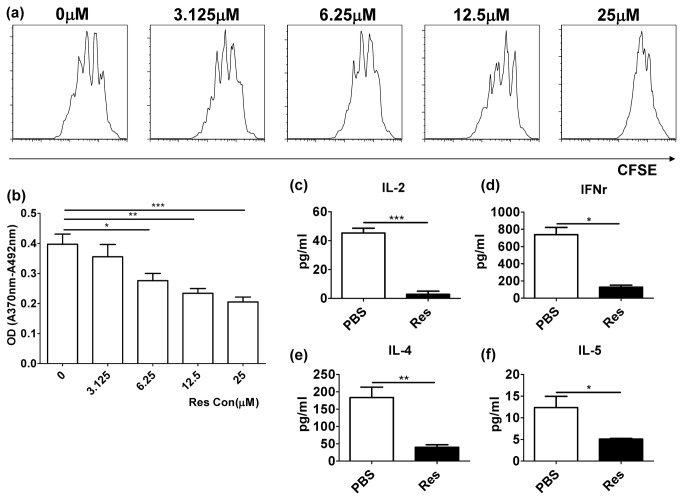
Figure 1. Resveratrol inhibited T cell activation in vitro and in vivo.
(a) The proliferation of CD4+ T cells treated with different concentrations of resveratrol was evaluated by CFSE labeling assay. (b) The proliferation of CD4+ T cells treated with different concentrations of resveratrol was measured by BrdU proliferation assay. (cf) The productions of cytokines in supernatant of cell cultures, including IL-2 (c), IFNγ (d), IL-4 (e) and IL-5 (f), were measured by ELISA (*P < 0.05, **P < 0.01, ***P < 0.001). The data are representative of at least five independent experiments.
Figure 2
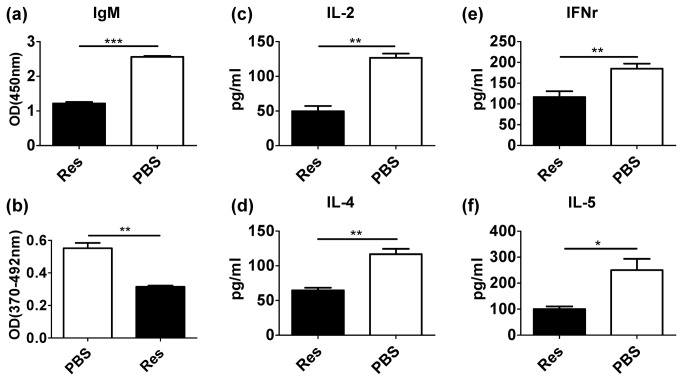
Figure 2. Resveratrol inhibited T cell activation and antigen-specific antibody production in vivo.
(a) Collagen-specific IgM in the serum from immunized mice was detected by ELISA. (b) The proliferation of collagen-specific T cell prepared from collagen-immunized mice spleen were measured through BrdU proliferation assay. (cf) The cytokines in the serum from mice immunized with collagen were detected by ELISA (*P < 0.05, ** P < 0.01, ***P < 0.001). The data shown are representative of three independent experiments.
Figure 3
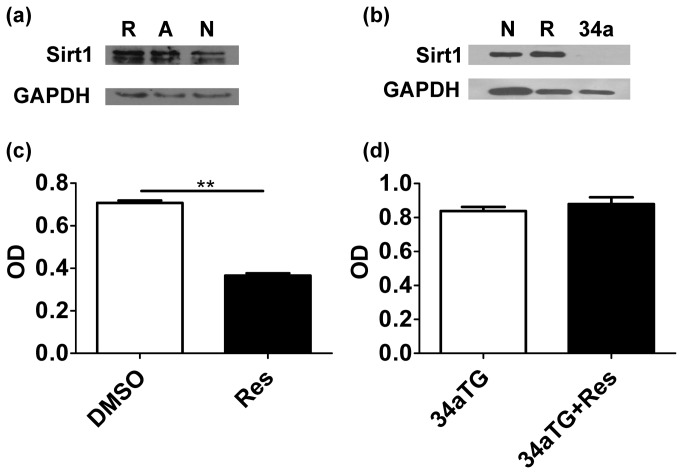
Figure 3. Resveratrol inhibited T cell activation by enhancing the expression of Sirt1.
(a) The expression of Sirt1 in resveratrol treated (R), anti-CD3/CD28 antibody-activated (A), and naïve T cells (N) cells were detected through Western blot. GAPDH was used as loading reference. (b) The expression of Sirt1 in wild-type T cells (N), resveratrol-treated T cells (R), and mir-34a TG mouse T cells (34a). GAPDH was used as loading reference. (c, d) The proliferation of CD4+ T cells from wild-type mice and mir-34a TG mice, some of which were treated with resveratrol (**P < 0.01). The data are representative of three time-independent repetitions.
Figure 4
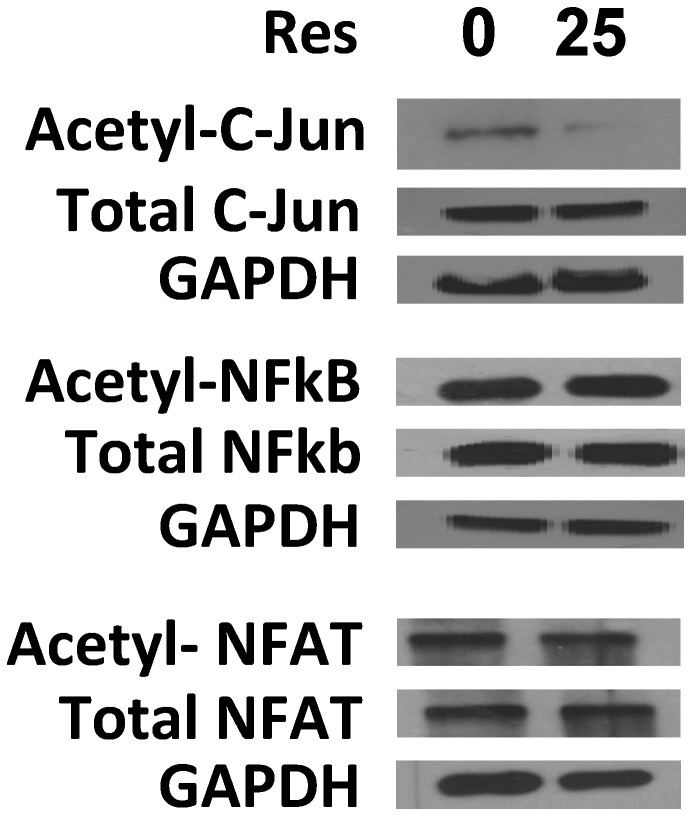
Figure 4. Resveratrol enhanced the acetylase activity of Sirt1 on c-Jun.
The cell lysis of activated T cells was precipitated with antibodies against c-Jun, NFκB, or NFAT, blotted with anti-acetylase antibody, and then blotted with antibodies against C-Jun, NFκB, NFAT, and GAPDH as references. The pictures are representative of three more repetitions.
Figure 5
Figure 5. Primary T cells were isolated from WT and Sirt1-/- mice and cultivated with anti-CD3 (5 µg/ml) and anti-CD28 (2 µg/ml) for overnight.
Cells were then treated with Res (10µg/ml) for additional 8 hours. (a) c-Jun acetylation in the lysates of treated cells was determined by immunoprecipitation with anti-c-Jun antibody and western blotting with anti-acetyl-lysine Abs (top panel). The expression levels of c-Jun (middle panel) and Sirt1 (bottom panel) in the whole cell lysate were confirmed by western blotting. (b) The levels of acetylated c-Jun were quantified and normalized with total c-Jun and its relative levels are shown. Error bars represent data from three independent experiments (mean + SD).
Figure 6
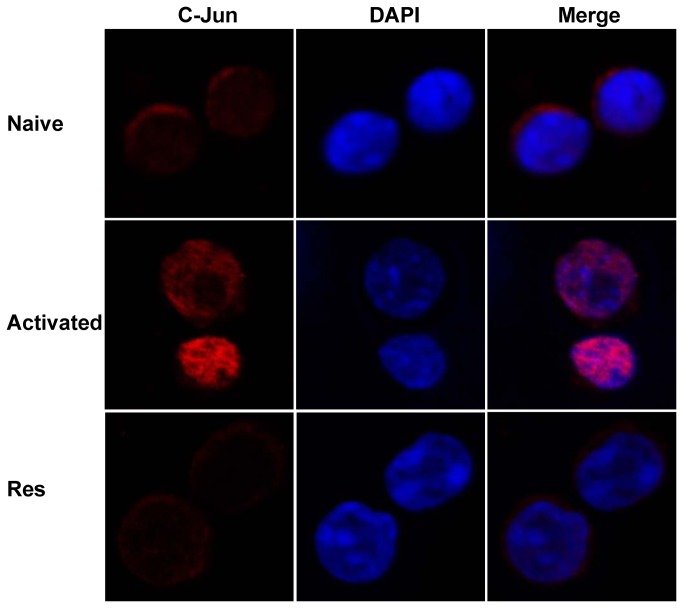
Figure 6. Resveratrol blocked the translocation of c-Jun into the nucleus.
Naïve CD4+ T cells, anti-CD3/CD28 antibody-activated CD4+ T cells, and resveratrol-treated CD4+ T cells were stained with Cy5-labeled anti-c-Jun antibody and DAPI, and then observed under a confocal microscope. Experiments were repeated more than four times.
Figure 7
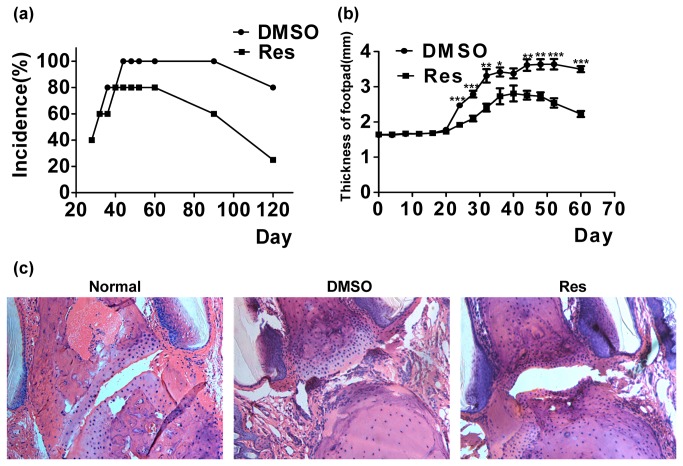
Figure 7. Resveratrol reduced the incidence and severity of CIA.
(a) The incidence of CIA in resveratrol-treated DBA1 mice was significantly lower compared to that of untreated CIA DBA1 mice. (b) The thickness of footpad in resveratrol-treated and untreated CIA DBA1. (c) CIA mouse joint sections were stained with H&E (*P < 0.05, **P < 0.01, ***P < 0.001). Each group had six mice. The experiments were repeated three times.

References

    1. Pervaiz S (2003) Resveratrol: from grapevines to mammalian biology. FASEB J 17: 1975-1985. doi:10.1096/fj.03-0168rev. PubMed: 14597667. - DOI - PubMed
    1. Renaud S, de Lorgeril M (1992) Wine, alcohol, platelets, and the French paradox for coronary heart disease. Lancet 339: 1523-1526. doi:10.1016/0140-6736(92)91277-F. PubMed: 1351198. - DOI - PubMed
    1. Kopp P (1998) Resveratrol, a phytoestrogen found in red wine. A possible explanation for the conundrum of the ‘French paradox’? Eur J Endocrinol 138: 619-620. doi:10.1530/eje.0.1380619. PubMed: 9678525. - DOI - PubMed
    1. Jang M, Cai L, Udeani GO, Slowing KV, Thomas CF et al. (1997) Cancer chemopreventive activity of resveratrol, a natural product derived from grapes. Science 275: 218-220. doi:10.1126/science.275.5297.218. PubMed: 8985016. - DOI - PubMed
    1. Bradamante S, Barenghi L, Villa A (2004) Cardiovascular protective effects of resveratrol. Cardiovasc Drug Rev 22: 169-188. PubMed: 15492766. - PubMed

Publication types

MeSH terms