


Comparing Web-based with Mail Survey Administration of the Consumer Assessment of Healthcare Providers and Systems (CAHPS®) Clinician and Group Survey
- PMID: 24078901
- PMCID: PMC3783026
- DOI: 10.4172/2167-1079.1000132
Comparing Web-based with Mail Survey Administration of the Consumer Assessment of Healthcare Providers and Systems (CAHPS®) Clinician and Group Survey
Abstract
Context: The CAHPS® survey instruments are widely used to assess patient experiences with care but there is limited information about web-based data collection with them.
Objective: To compare web-based data collection with standard mail survey mode of collection of CAHPS® Clinician and Group survey data.
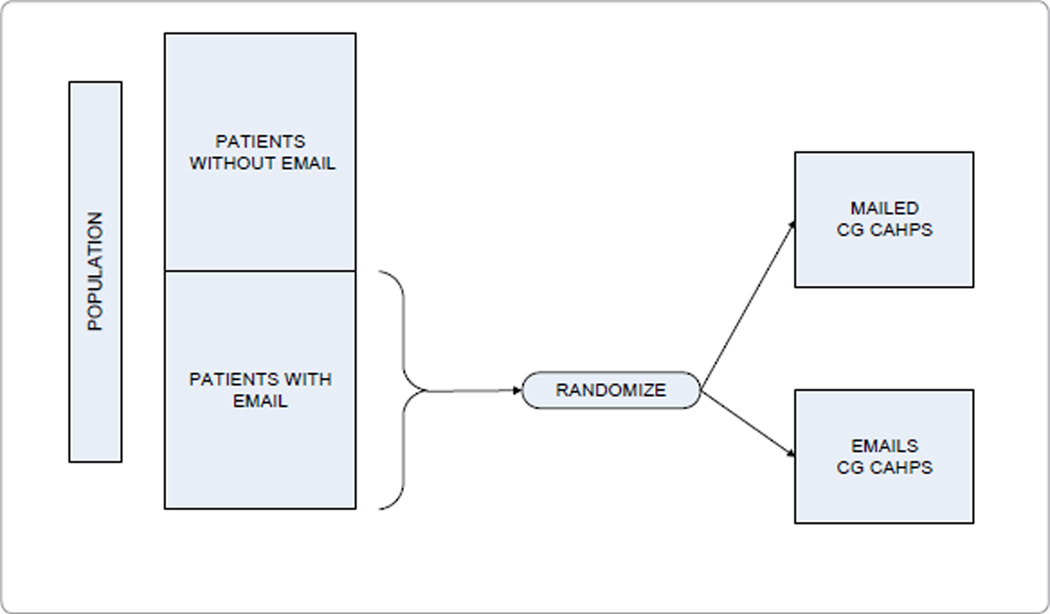
Design setting and patients: We randomized mode of data collection (web versus mail) of the CAHPS® Clinician and Group Survey to patients who had visited one of six clinics over a four-month period in Minnesota. A total of 410 patients responded to the web-based survey (14% response rate) and 982 patients responded to the mail survey (33% response rate).
Main outcome measures: Responses to CAHPS® survey dimensions and individual question responses, response rates, and participant characteristics.
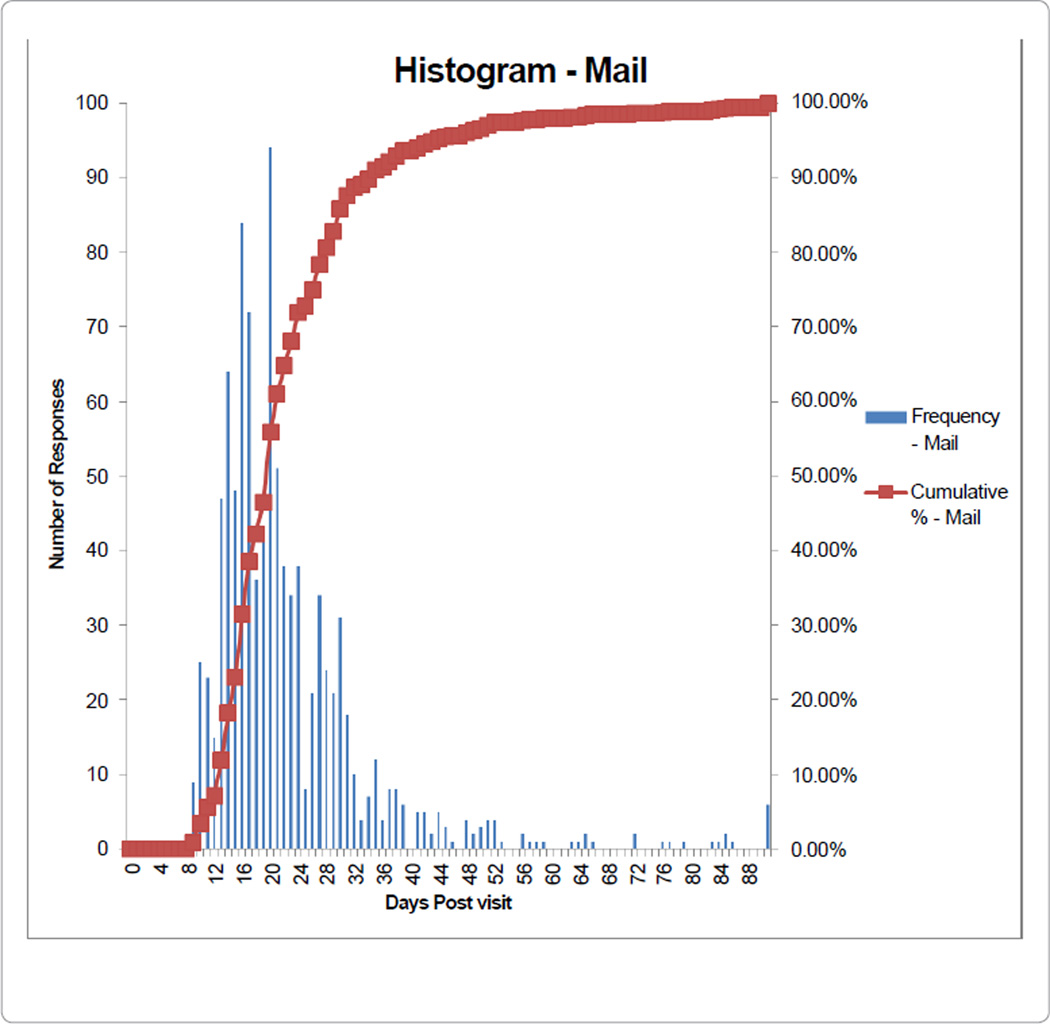
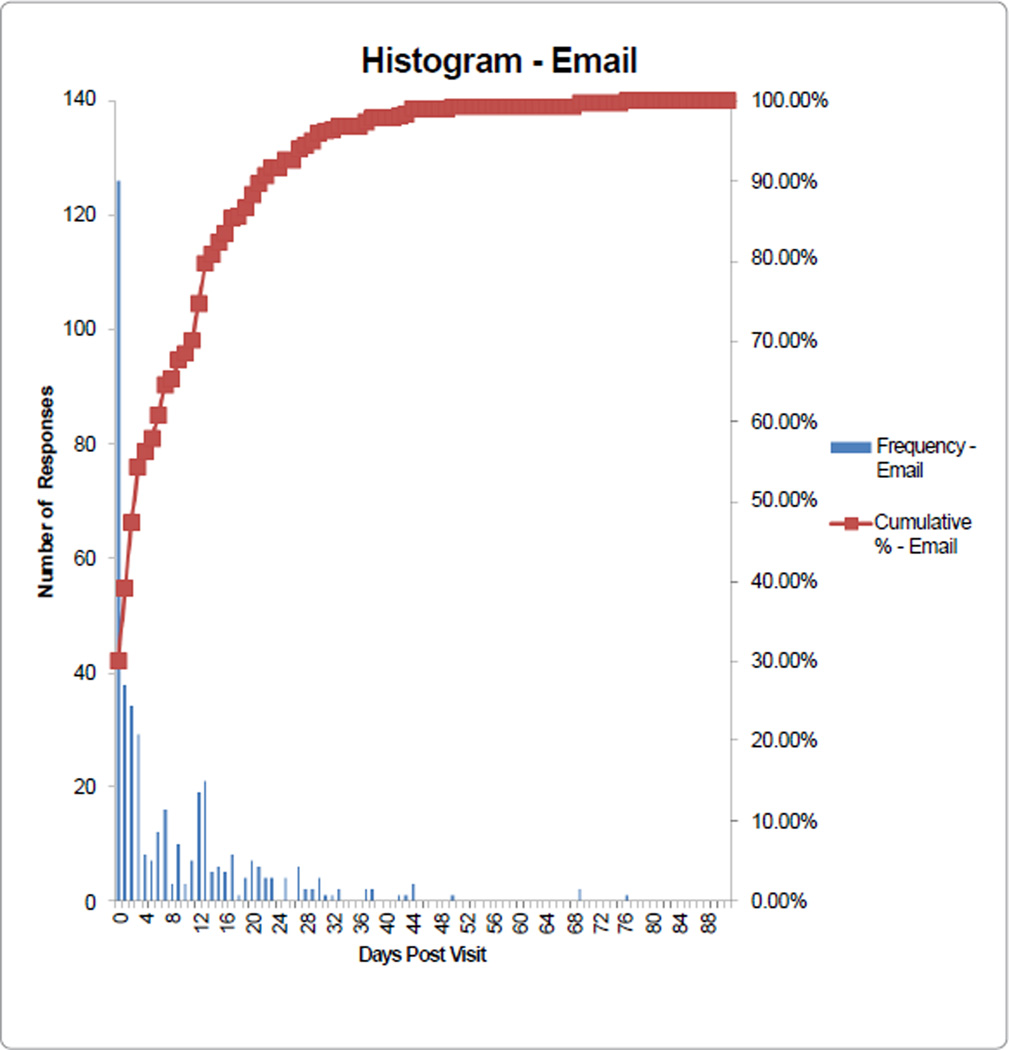
Results: There were no significant differences in CAHPS® survey composites and individual question responses by mode, except for those addressing access. Those responding via the web reported less positive experiences with access to an appointment for urgent care as soon as needed, getting an appointment for routine care as soon as needed, getting answers to medical questions as soon as needed, and follow-up on test results (t's=-3.64, -7.15, -2.58, -2.23; p's=0.0003, <0.0001, 0.01, 0.03, respectively). Web respondents had more positive experiences about office wait time for the most recent visit (t = 2.32, p=0.021). Those who participated in the study tended to be older than those that did not (ƛ2=247.51, df=8, p<0.0001 for mail; ƛ2= 4.56, df=8, p<0.0001 for the web). Females were significantly more likely than males to respond to the survey overall (24% vs. 18%, ƛ2=6.45, 1 df, p=0.011) and relatively more likely than males to respond to web (15% vs. 13%, ƛ2=1.32, 1 df, p=0.25) than mail (34% vs. 30%, ƛ2=5.42, 1 df, p=0.02). Mail respondents were more likely than web respondents to be male (28% versus 18%, ƛ2=16.27, 1 df, p<0.0001) and older (27% of the mail respondents and 19% of the web respondents were 65 or older, ƛ2=10.88, 1 df, p=0.001). Costs of web-based surveys were less than mailed surveys and were returned more quickly than mailed surveys. The correlations between reports and ratings of clinicians and clinics by mode were unreliable because of the relatively small number of web responses.
Conclusion: Web-based surveys yielded comparable results to mail (except for questions addressing access) more quickly at lower costs. The low response rates in this study are a concern although this was not intended as a test of increasing response rates. Strategies to increase response rates will be a key element of web-based data collection. The differences in costs will be an incentive for organizations to continue to pursue web-based surveying. Further studies are needed to evaluate the generalizability of the results of this one.
Keywords: CAHPS®; Consumer assessments; Mode effects; Patient evaluation of health care.
Figures
References
-
- Rodriguez HP, von Glahn T, Rogers WH, Chang H, Fanjiang G, et al. Evaluating patients’ experiences with individual physicians: a randomized trial of mail, internet, and interactive voice response telephone administration of surveys. Med Care. 2006;44:167–174. - PubMed
-
- Link MW, Mokdad AH. Alternative modes for health surveillance surveys: an experiment with web mail, and telephone. Epidemiology. 2005;16:701–704. - PubMed
-
- Paper presented at the Annual meeting of the AAPOR; Phoenix, AZ.
Grants and funding
LinkOut - more resources
Full Text Sources
Other Literature Sources
Miscellaneous