


Multi-criteria decision analysis as an innovative approach to managing zoonoses: results from a study on Lyme disease in Canada
- PMID: 24079303
- PMCID: PMC3850527
- DOI: 10.1186/1471-2458-13-897
Multi-criteria decision analysis as an innovative approach to managing zoonoses: results from a study on Lyme disease in Canada
Abstract
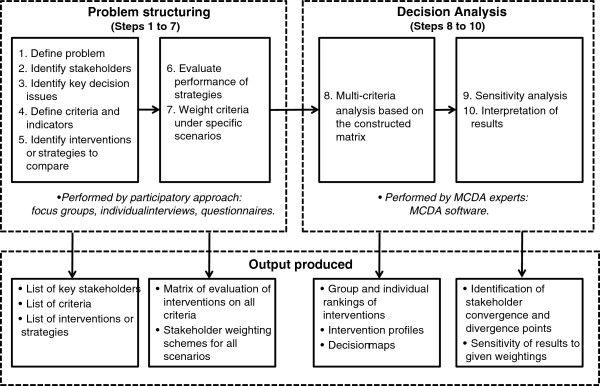
Background: Zoonoses are a growing international threat interacting at the human-animal-environment interface and call for transdisciplinary and multi-sectoral approaches in order to achieve effective disease management. The recent emergence of Lyme disease in Quebec, Canada is a good example of a complex health issue for which the public health sector must find protective interventions. Traditional preventive and control interventions can have important environmental, social and economic impacts and as a result, decision-making requires a systems approach capable of integrating these multiple aspects of interventions. This paper presents the results from a study of a multi-criteria decision analysis (MCDA) approach for the management of Lyme disease in Quebec, Canada. MCDA methods allow a comparison of interventions or alternatives based on multiple criteria.
Methods: MCDA models were developed to assess various prevention and control decision criteria pertinent to a comprehensive management of Lyme disease: a first model was developed for surveillance interventions and a second was developed for control interventions. Multi-criteria analyses were conducted under two epidemiological scenarios: a disease emergence scenario and an epidemic scenario.
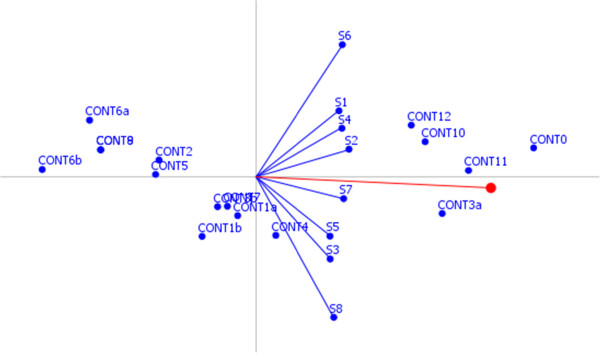
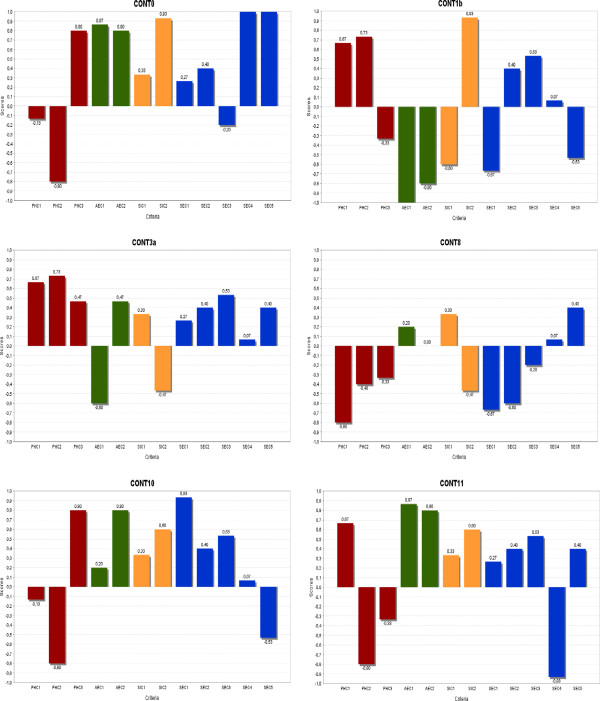
Results: In general, we observed a good level of agreement between stakeholders. For the surveillance model, the three preferred interventions were: active surveillance of vectors by flagging or dragging, active surveillance of vectors by trapping of small rodents and passive surveillance of vectors of human origin. For the control interventions model, basic preventive communications, human vaccination and small scale landscaping were the three preferred interventions. Scenarios were found to only have a small effect on the group ranking of interventions in the control model.
Conclusions: MCDA was used to structure key decision criteria and capture the complexity of Lyme disease management. This facilitated the identification of gaps in the scientific literature and enabled a clear identification of complementary interventions that could be used to improve the relevance and acceptability of proposed prevention and control strategy. Overall, MCDA presents itself as an interesting systematic approach for public health planning and zoonoses management with a "One Health" perspective.
Figures
References
-
- Lee JW, McKibbin WJ. In: Institute of Medicine (US) Forum on Microbial Threats. Knobler S, Mahmoud A, Lemon S, editor. Learning from SARS: Preparing for the Next Disease Outbreak: Workshop Summary. Washington (DC): National Academies Press (US); 2004. Estimating the global economic costs of SARS. [ http://www.ncbi.nlm.nih.gov/books/NBK92473/ - PubMed
-
- Guan Y, Smith GJ. The emergence and diversification of panzootic H5N1 influenza viruses. Virus Res. 2013. http://dx.doi.org/10.1016/j.virusres.2013.05.012 [Epub ahead of print] - PMC - PubMed
Publication types
MeSH terms
LinkOut - more resources
Full Text Sources
Other Literature Sources
Medical
Miscellaneous
