


Control of asymmetry in the radical addition approach to chiral amine synthesis
- PMID: 24085561
- PMCID: PMC4114248
- DOI: 10.1007/128_2013_481
Control of asymmetry in the radical addition approach to chiral amine synthesis
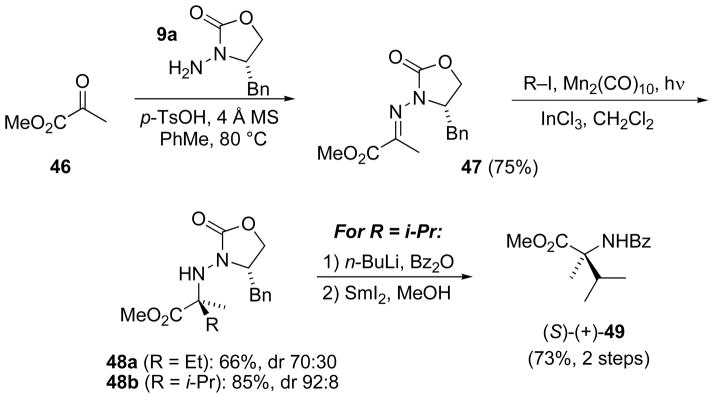
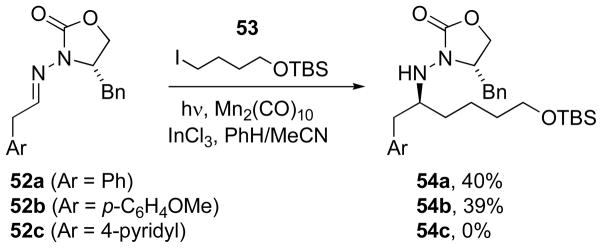
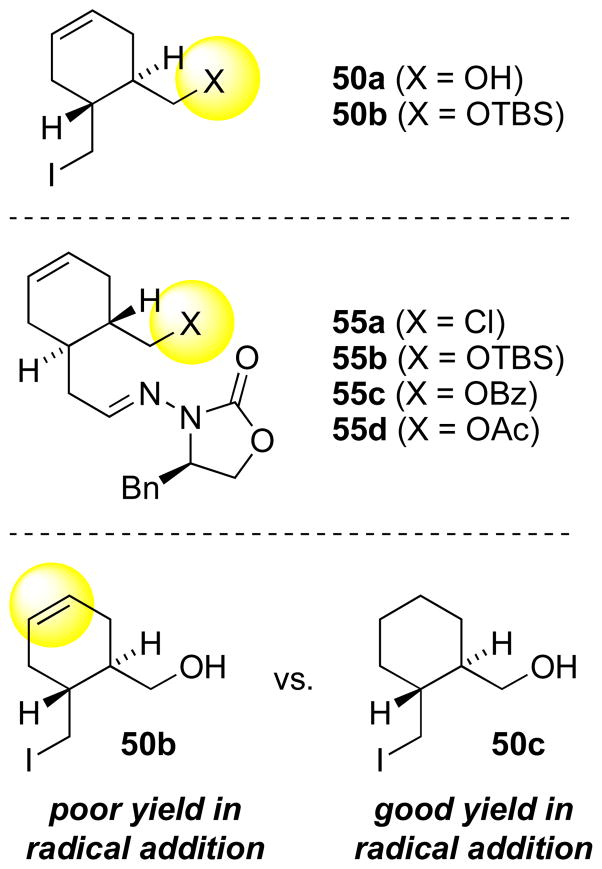
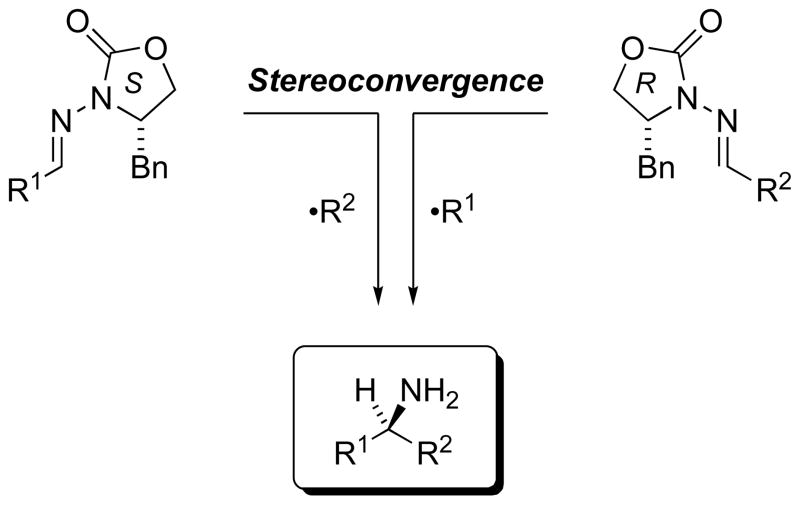
Abstract
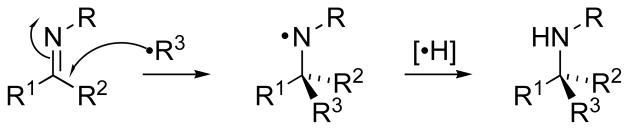
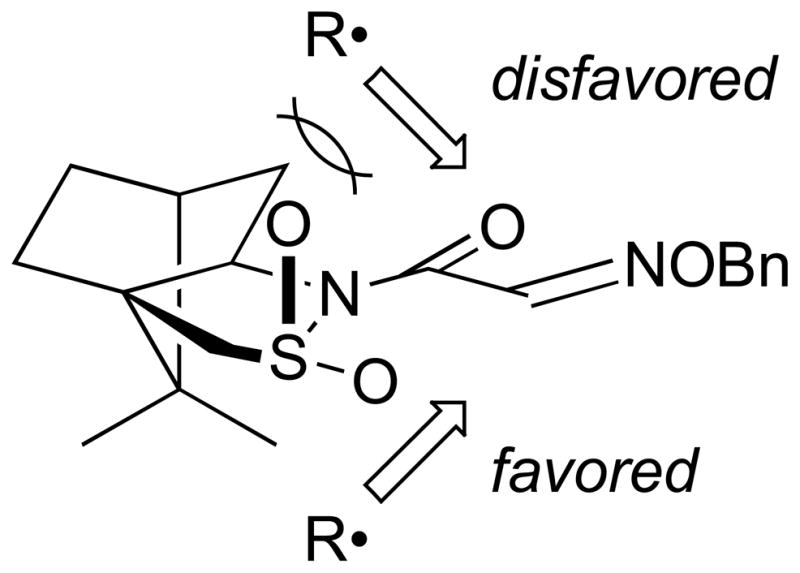
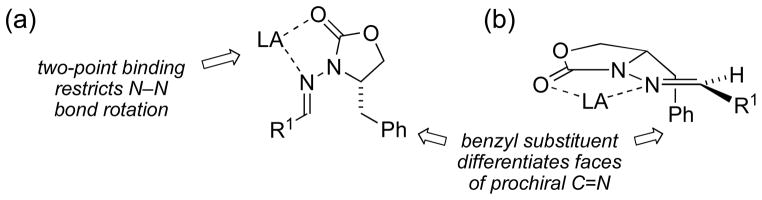
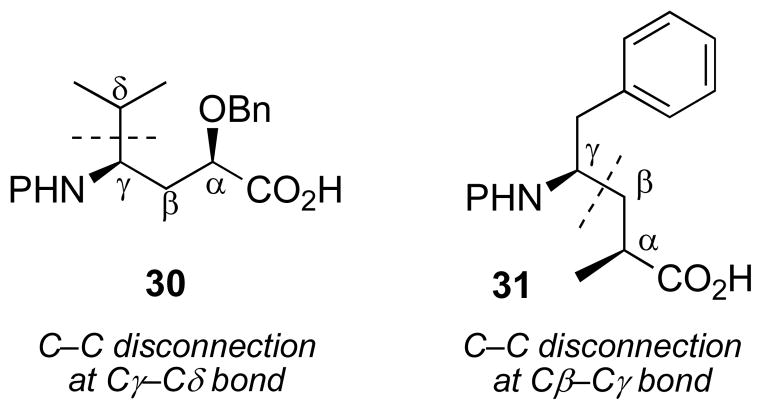
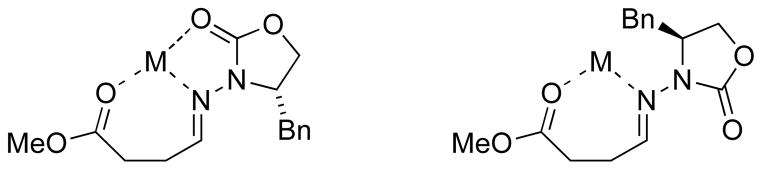
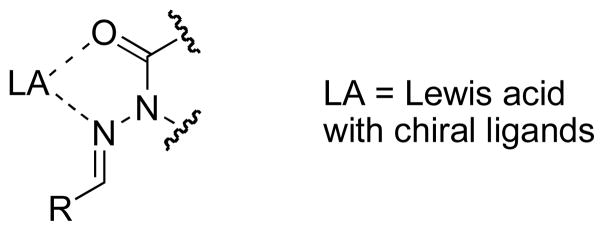
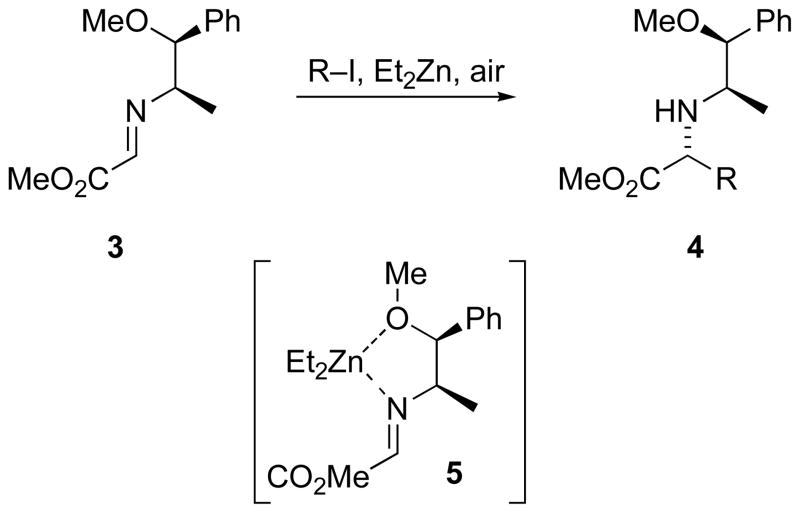
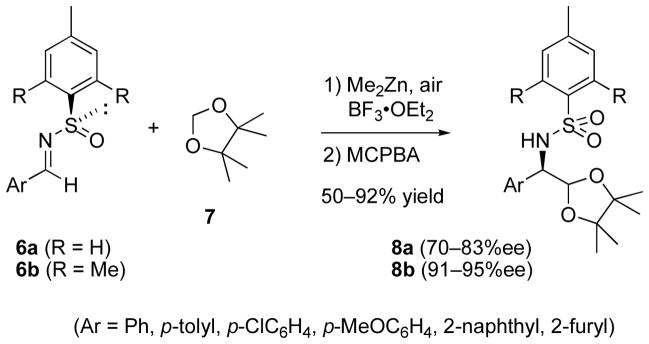
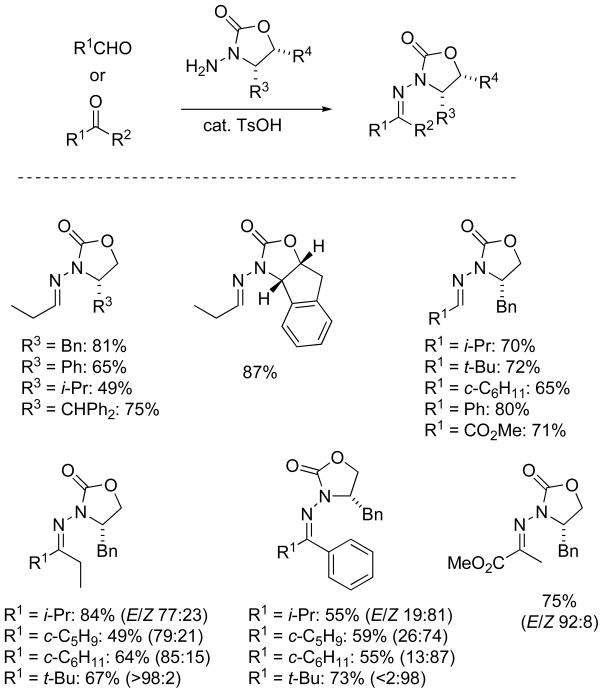
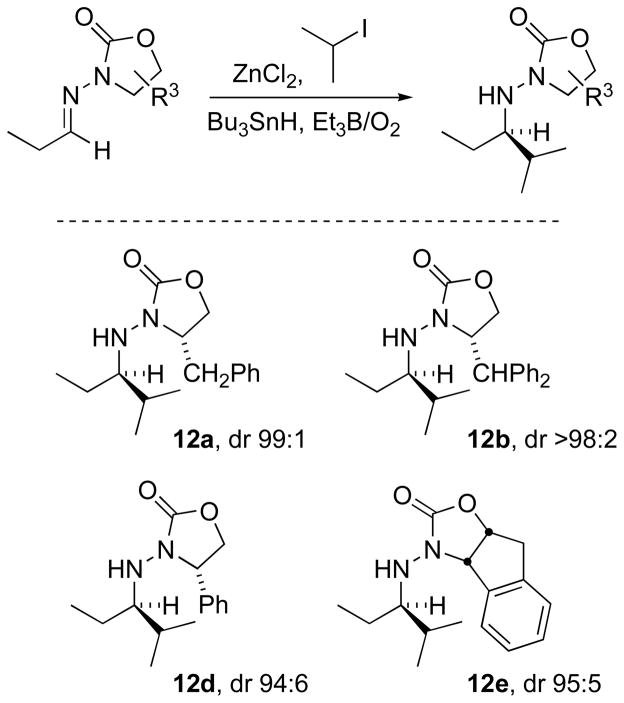
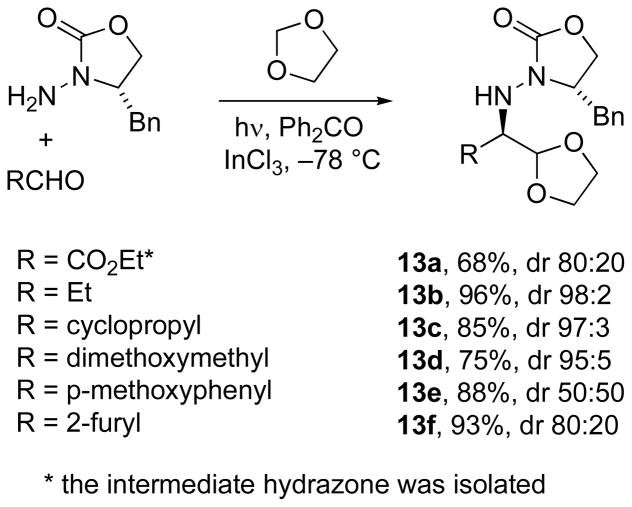
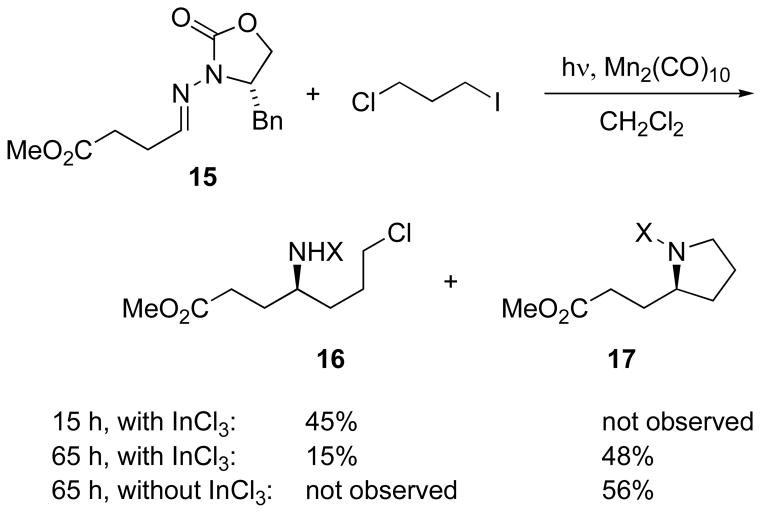
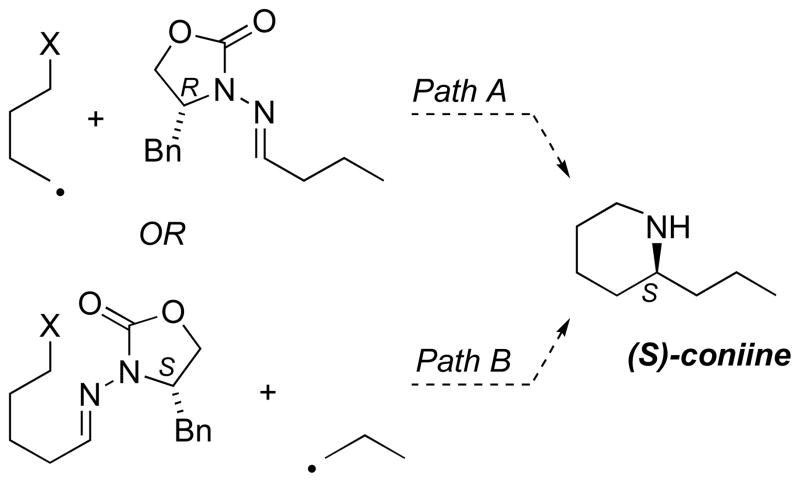
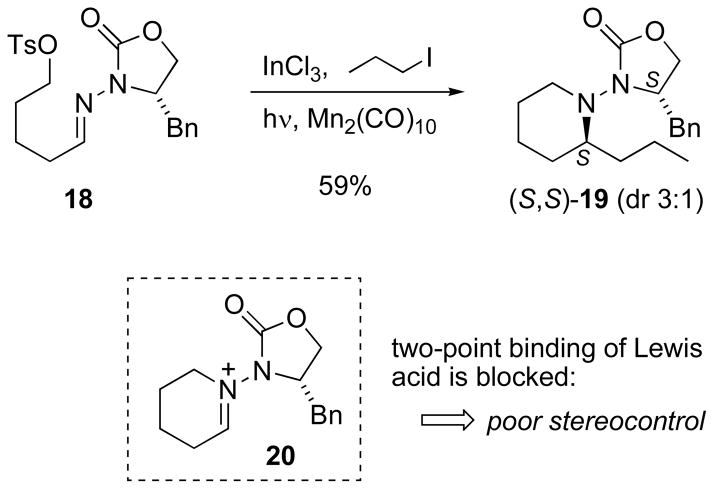
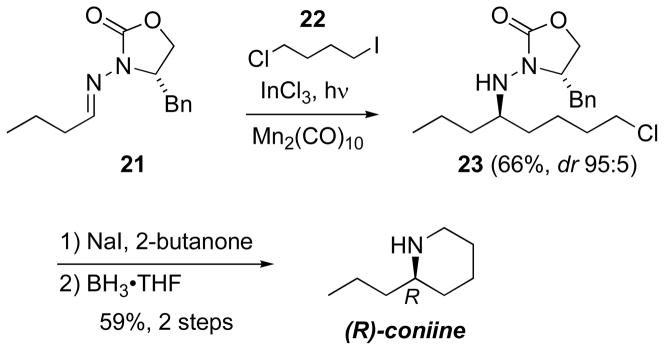
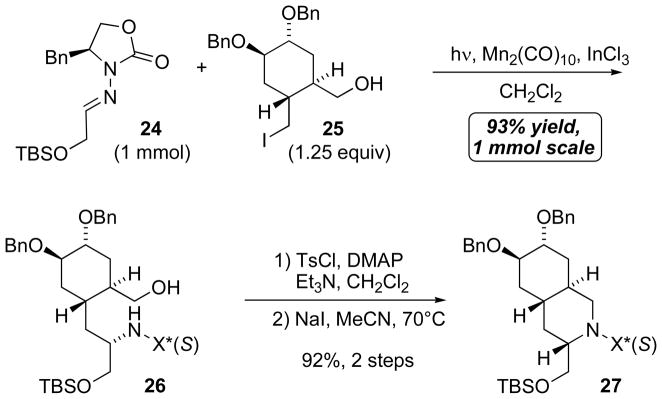
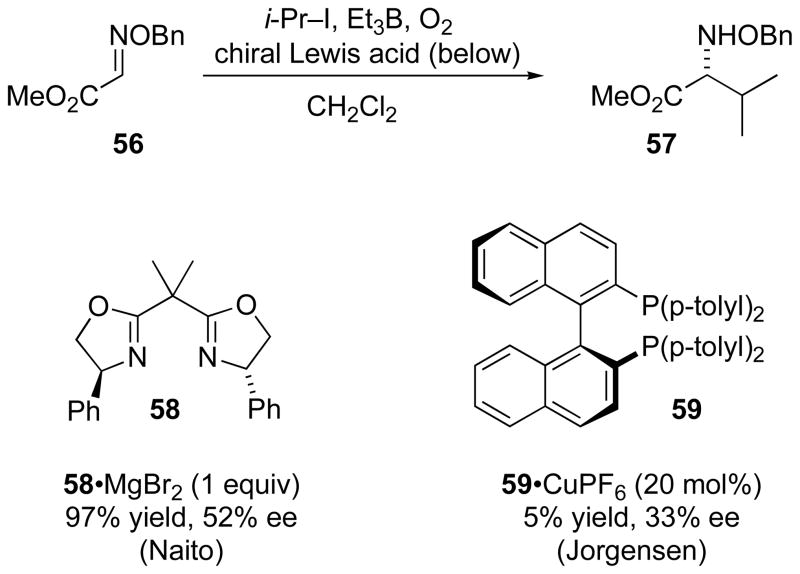
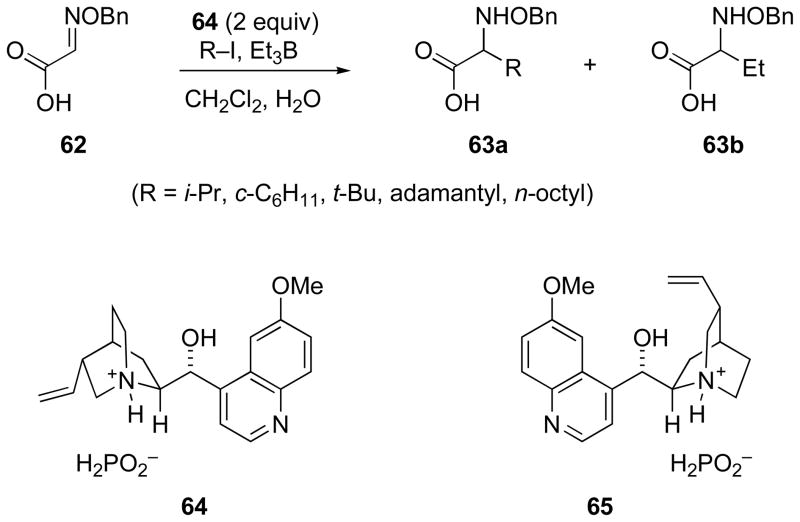
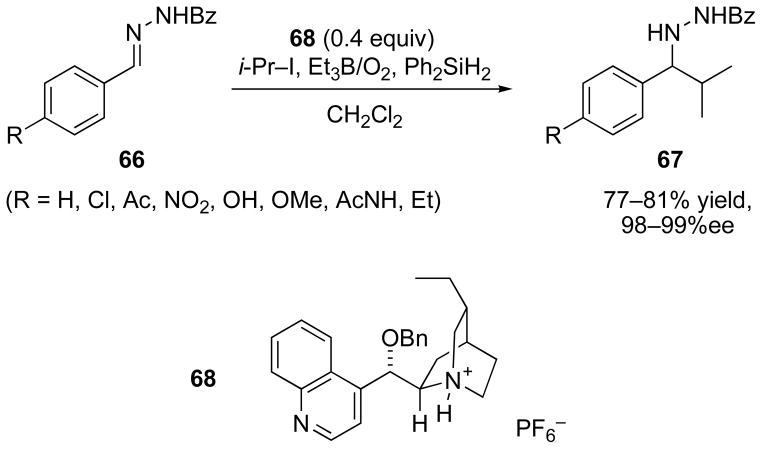
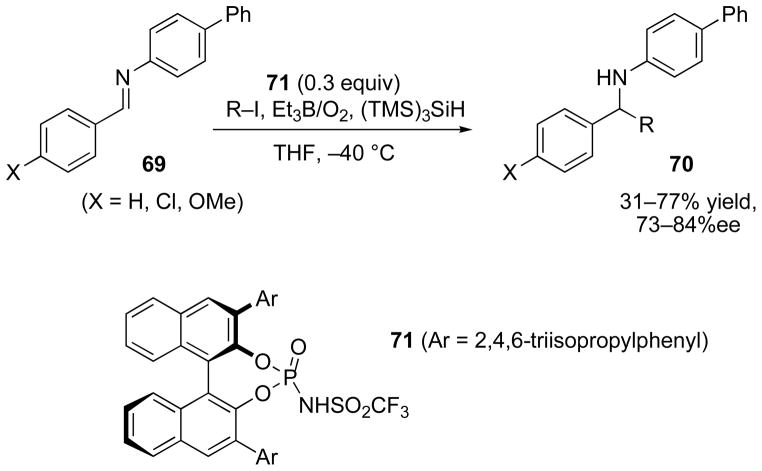
The state-of-the-science in asymmetric free radical additions to imino compounds is presented, beginning with an overview of methods involving stereocontrol by various chiral auxiliary approaches. Chiral N-acylhydrazones are discussed with respect to their use as radical acceptors for Mn-mediated intermolecular additions, from design to scope surveys to applications to biologically active targets. A variety of aldehydes and ketones serve as viable precursors for the chiral hydrazones, and a variety of alkyl iodides may be employed as radical precursors, as discussed in a critical review of the functional group compatibility of the reaction. Applications to amino acid and alkaloid synthesis are presented to illustrate the synthetic potential of these versatile stereocontrolled carbon-carbon bond construction reactions. Asymmetric catalysis is discussed, from seminal work on the stereocontrol of radical addition to imino compounds by non-covalent interactions with stoichiometric amounts of catalysts, to more recent examples demonstrating catalyst turnover.
Figures


References
-
-
Recent reviews: Friestad GK. Addition of Carbanions to Azomethines. In: Enders D, Shaumann E, editors. Science of Synthesis Vol 40a: Compounds with One Saturated Carbon-Heteroatom Bond: Amines and Ammonium Salts. Thieme; Stuttgart: 2009. Yamada K-I, Tomioka K. Chem Rev. 2008;108:2874–2886.Friestad GK, Mathies AK. Tetrahedron. 2007;63:2541–2569.Ding H, Friestad GK. Synthesis. 2005:2815–2829.Alvaro G, Savoia D. Synlett. 2002:651–673.Kobayashi S, Ishitani H. Chem Rev. 1999;99:1069–1094.Bloch R. Chem Rev. 1998;98:1407–1438.Davis FA, Zhou P, Chen B-C. Chem Soc Rev. 1998;27:13–18.Enders D, Reinhold U. Tetrahedron Asymmetry. 1997;8:1895–1946.Denmark SE, Nicaise OJ-C. J Chem Soc Chem Commun. 1996:999–1004.
-
-
-
For examples of aza-enolization of imino compounds by organometallic reagents see: Stork G, Dowd SR. J Am Chem Soc. 1963;85:2178–2180.Wittig G, Frommeld HD, Suchanek P. Angew Chem Int Ed Engl. 1963;2:683.Guerrier L, Royer J, Grierson DS, Husson H-P. J Am Chem Soc. 1983;105:7754–7755.Enders D, Diez E, Fernandez R, Martin-Zamora E, Munoz JM, Pappalardo RR, Lassaletta JM. J Org Chem. 1999;64:6329–6336.
-
-
-
Reviews of free radical reactions in synthesis: Ischay MA, Yoon TP. Eur J Org Chem. 2012:3359–3372.Rowlands GJ. Tetrahedron. 2009;65:8603–8655.Renaud P, Sibi M, editors. Radicals in Organic Synthesis. Wiley-VCH; New York: 2001. Curran DP, Porter NA, Giese B. Stereochemistry of Radical Reactions: Concepts Guidelines and Synthetic Applications. VCH; New York: 1995. Jasperse CP, Curran DP, Fevig TL. Chem Rev. 1991;91:1237–1286.Giese B. Radicals in Organic Synthesis: Formation of Carbon-Carbon Bonds. Pergamon Press; New York: 1986. Hart DJ. Science. 1984;223:883–887.
-
-
-
Reviews of radical additions to imines and related acceptors: Friestad GK. In: Topics In Current Chemistry: Radicals in Synthesis III. Gansauer A, Heinrich M, editors. Vol. 320. Springer-Verlag; Berlin: 2012. pp. 61–92.Friestad GK. Chiral Amine Synthesis. In: Nugent T, editor. Methods, Developments and Applications. Wiley-VCH; Weinheim, Germany: 2010. pp. 51–74.Miyabe H, Yoshioka E, Kohtani S. Curr Org Chem. 2010;14:1254–1264.Yamada K, Tomioka K. Chem Rev. 2008;108:2874–2886.Friestad GK. Tetrahedron. 2001;57:5461–5496.
-
-
- Friestad GK. Eur J Org Chem. 2005:3157–3172.
Publication types
MeSH terms
Substances
Grants and funding
LinkOut - more resources
Full Text Sources
Other Literature Sources
