. 2013;9(9):e1003669.
doi: 10.1371/journal.ppat.1003669. Epub 2013 Sep 26.

Cross-serotype immunity induced by immunization with a conserved rhinovirus capsid protein

Affiliations

Cross-serotype immunity induced by immunization with a conserved rhinovirus capsid protein

Nicholas Glanville et al. PLoS Pathog. 2013.

Abstract

Human rhinovirus (RV) infections are the principle cause of common colds and precipitate asthma and COPD exacerbations. There is currently no RV vaccine, largely due to the existence of ∼150 strains. We aimed to define highly conserved areas of the RV proteome and test their usefulness as candidate antigens for a broadly cross-reactive vaccine, using a mouse infection model. Regions of the VP0 (VP4+VP2) capsid protein were identified as having high homology across RVs. Immunization with a recombinant VP0 combined with a Th1 promoting adjuvant induced systemic, antigen specific, cross-serotype, cellular and humoral immune responses. Similar cross-reactive responses were observed in the lungs of immunized mice after infection with heterologous RV strains. Immunization enhanced the generation of heterosubtypic neutralizing antibodies and lung memory T cells, and caused more rapid virus clearance. Conserved domains of the RV capsid therefore induce cross-reactive immune responses and represent candidates for a subunit RV vaccine.


Conflict of interest statement

I have read the journal's policy and have the following potential conflict to declare: A patent application relating to the work presented in this paper has been jointly submitted by Imperial College and Sanofi Pasteur, and a number of the authors. This does not alter our adherence to all PLoS Pathogens policies on sharing data and materials.

Figures
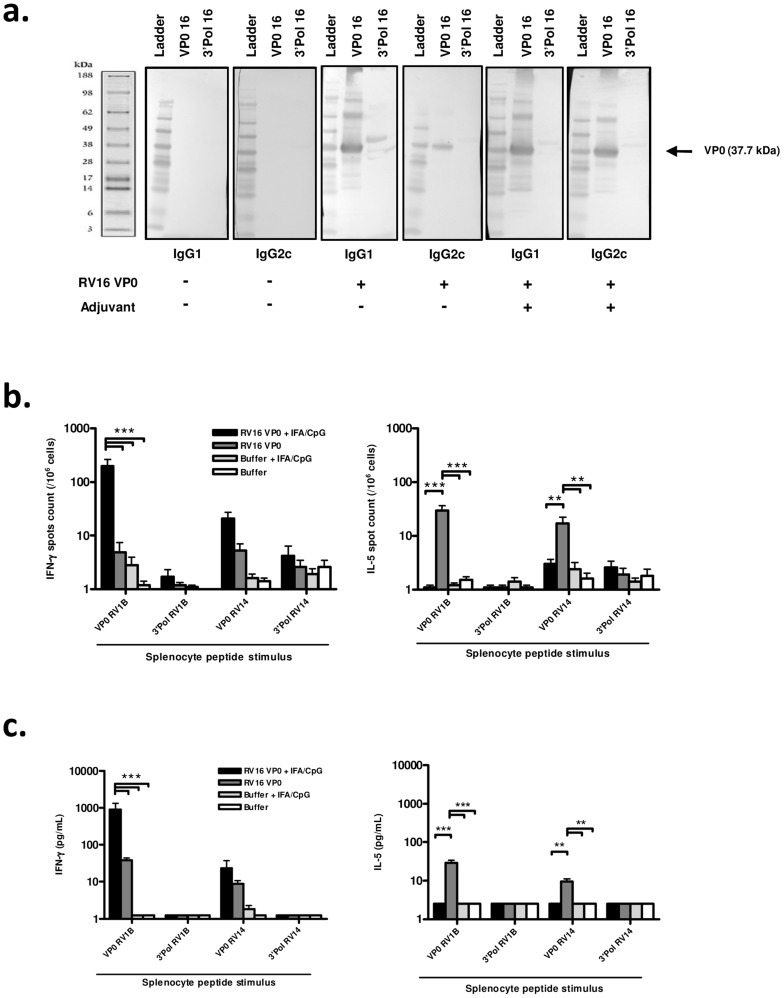
Figure 1
Figure 1. Immunization induces systemic, cross-serotype, type I immune responses.
Mice were immunized subcutaneously with RV16 VP0 protein or buffer, with or without IFA/CpG adjuvant, as described. Spleens and serum were harvested 28 days post-immunization. (a) Serum IgG binding to (RV16 VP0 or control polymerase (3′ Pol)) viral proteins were assessed by western blot. (b & c) Splenocytes were stimulated with VP0 or Polymerase (3′ Pol) peptide pools as indicated and (b) IFN-γ and IL-5 producing cells were enumerated by ELISPOT assay and (c) supernatant FN-γ and IL-5 protein levels were measured by cytometric bead array. n = 10 mice/group ***P<0.001, **P<0.01.
Figure 2
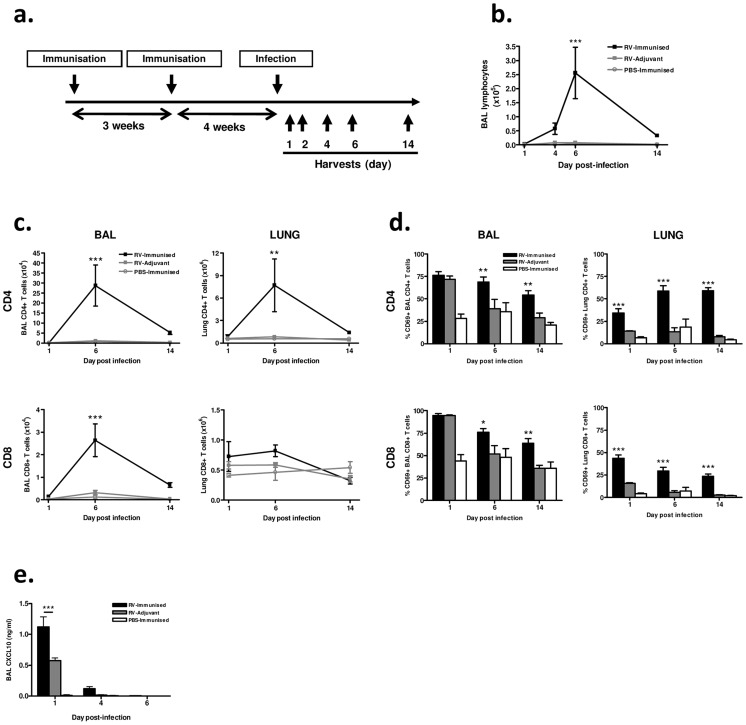
Figure 2. Immunization enhances airway lymphocyte responses to heterologous RV infection.
(a) Mice were immunized subcutaneously with RV16 VP0 protein plus IFA/CpG adjuvant, or with IFA/CpG adjuvant only, and infected intranasally with RV1B (RV-Immunized, RV-Adjuvant) or sham PBS-challenged (PBS-Immunized). (b) Lymphocytes in BAL were counted by cytospin assay. (c) BAL and lung CD4+ and CD8+ T cells were enumerated and (d) their expression of the activation marker CD69 was assessed by flow cytometry. (e) CXCL10/IP-10 protein in BAL was measured by ELISA. n = 4 mice/group. Statistics indicated are for RV-immunized vs RV-adjuvant groups. ***P<0.001, **P<0.01, *P<0.05.
Figure 3
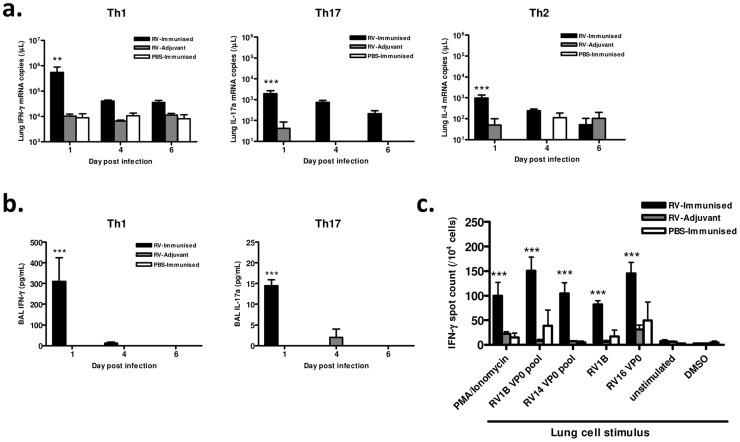
Figure 3. Immunization enhances lung Th1/Tc1 responses to heterologous RV infection.
Mice were immunized subcutaneously with RV16 VP0 protein plus IFA/CpG, or with IFA/CpG adjuvant only and infected intranasally with RV1B or sham PBS-challenged, as described. (a) Lung tissue IFN-γ, IL-17a and IL-4 mRNA levels measured by Taqman qPCR. (b) T cell cytokine proteins in BAL measured by ELISA. (c) Lung cells harvested 6 days after intranasal challenge were incubated with the indicated stimuli and IFN-γ producing cells were enumerated by ELISPOT assay. n = 4 mice/group. Statistics indicated are for RV-immunized vs RV-adjuvant groups. ***P<0.001, **P<0.01.
Figure 4
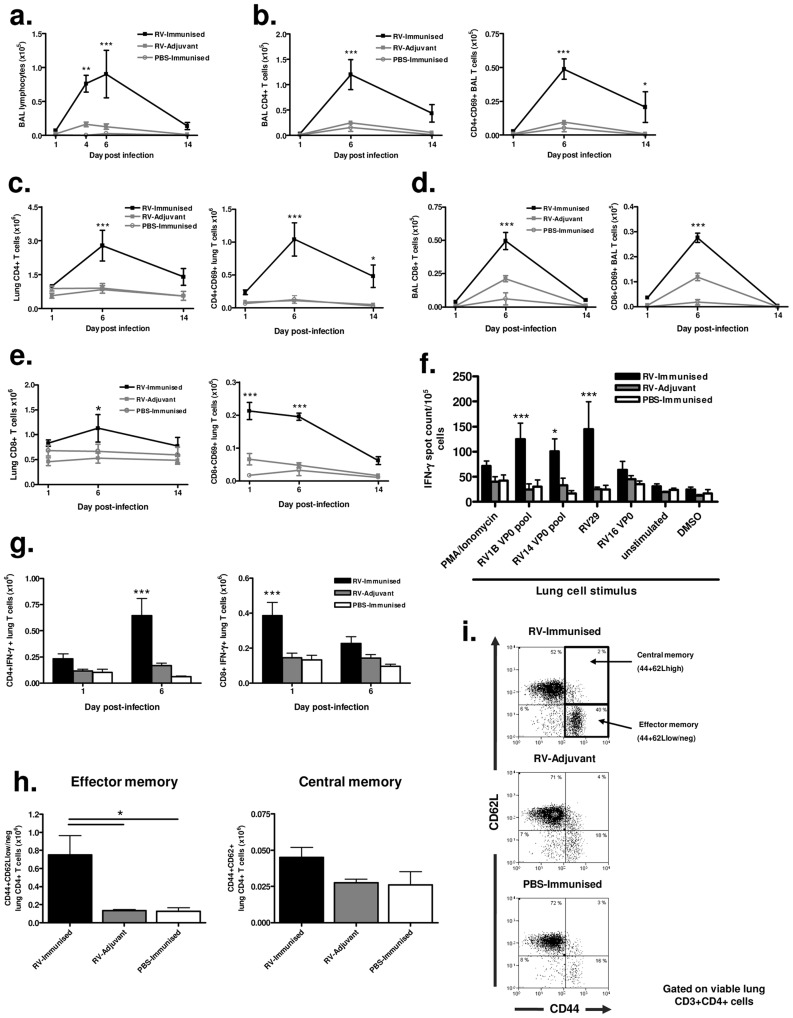
Figure 4. Immunization enhances effector and memory T cell responses to infection with a more distantly related RV.
Mice were immunized subcutaneously with RV16 VP0 protein plus IFA/CpG or with IFA/CpG adjuvant only and infected intranasally with RV29 or sham PBS-challenged, as described. (a) Lymphocytes in BAL were counted by cytospin assay. (b & c) Total and CD69 expressing CD3+CD4+T cells in BAL (b) and lung (c) were enumerated by flow cytometry. (d & e) Total and CD69 expressing CD3+CD8+T cells in BAL (d) and lung (e) were enumerated by flow cytometry. (f) Lung cells harvested 6 days after intranasal challenge were incubated with the indicated virus, protein, peptide pool or control stimuli and IFN-γ producing cells were measured by ELISPOT assay. (g) Lung cells were stimulated with PMA and ionomycin and intracellular IFN-γ expression in CD4+ and CD8+ T cells was measured by flow cytometry. (h) Graphical data and (i) representative flow cytometry dot plots of CD62L and CD44 memory cell staining of lung CD4+ T cells on day 14 post-infection. n = 4 mice/group. Statistics indicated in a to g are for RV-immunized vs RV-adjuvant groups. ***P<0.001, **P<0.01, *P<0.05.
Figure 5
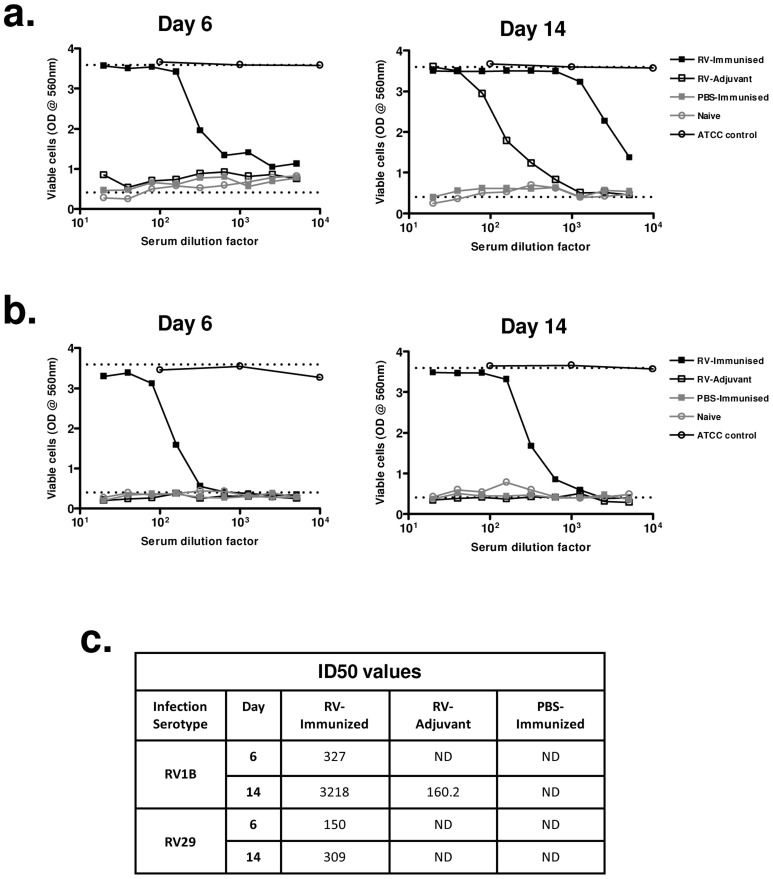
Figure 5. Immunization enhances and accelerates the generation of neutralizing antibodies to a heterologous infecting virus.
Mice were immunized subcutaneously with RV16 VP0 protein plus IFA/CpG or with IFA/CpG adjuvant only and infected intranasally with RV1B, RV29 or sham PBS-challenged as described. Sera were assayed for their ability to prevent cytopathic effect caused by the same RV serotype administered for in vivo infection, using a crystal violet HeLa cell neutalization assay. (a) Neutralization of RV1B cytopathic effect by sera from RV1B-infected or PBS-challenged mice. (b) Neutralization of RV29 cytopathic effect by sera from RV29 infected or PBS challenged mice. Top dotted lines; serum only (uninfected) controls. Bottom dotted lines; virus infected (no serum) control. Open circles are ATCC reference guinea pig anti-sera. Data points represent sera pooled from 4 mice/treatment group. (C) Serum 50% inhibition dilution (ID50) values for RV1B and RV29 neutralization. ND; not detected.
Figure 6
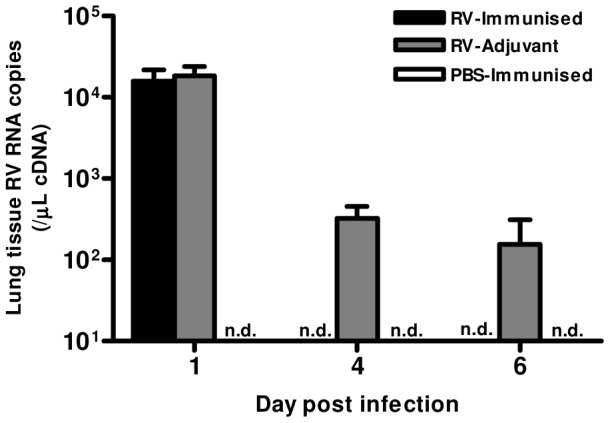
Figure 6. Immunization accelerates virus clearance.
Mice were immunized subcutaneously with RV16 VP0 protein plus IFA/CpG or with IFA/CpG adjuvant only and infected intranasally with RV1B or sham PBS-challenged. RV RNA in lung tissue was measured by Taqman qPCR. n = 4 mice/group. n.d., not detected.

Comment in

References

    1. Makela MJ, Puhakka T, Ruuskanen O, Leinonen M, Saikku P, et al. (1998) Viruses and bacteria in the etiology of the common cold. J Clin Microbiol 36: 539–542. - PMC - PubMed
    1. Johnston SL, Pattemore PK, Sanderson G, Smith S, Lampe F, et al. (1995) Community study of role of viral infections in exacerbations of asthma in 9–11 year old children. Bmj 310: 1225–1229. - PMC - PubMed
    1. Nicholson KG, Kent J, Ireland DC (1993) Respiratory viruses and exacerbations of asthma in adults. Bmj 307: 982–986. - PMC - PubMed
    1. Papi A, Bellettato CM, Braccioni F, Romagnoli M, Casolari P, et al. (2006) Infections and airway inflammation in chronic obstructive pulmonary disease severe exacerbations. Am J Respir Crit Care Med 173: 1114–1121. - PubMed
    1. Alper CM, Doyle WJ, Skoner DP, Buchman CA, Seroky JT, et al. (1996) Prechallenge antibodies: moderators of infection rate, signs, and symptoms in adults experimentally challenged with rhinovirus type 39. Laryngoscope 106: 1298–1305. - PubMed

Publication types

MeSH terms