


The social structure of microbial community involved in colonization resistance
- PMID: 24088624
- PMCID: PMC3930314
- DOI: 10.1038/ismej.2013.172
The social structure of microbial community involved in colonization resistance
Erratum in
- ISME J. 2014 Nov;8(11):2352
Abstract
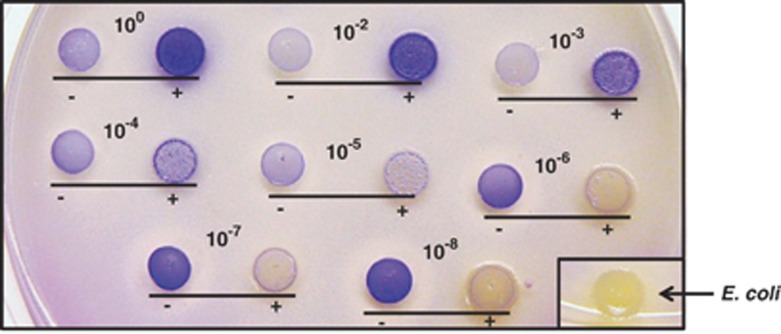
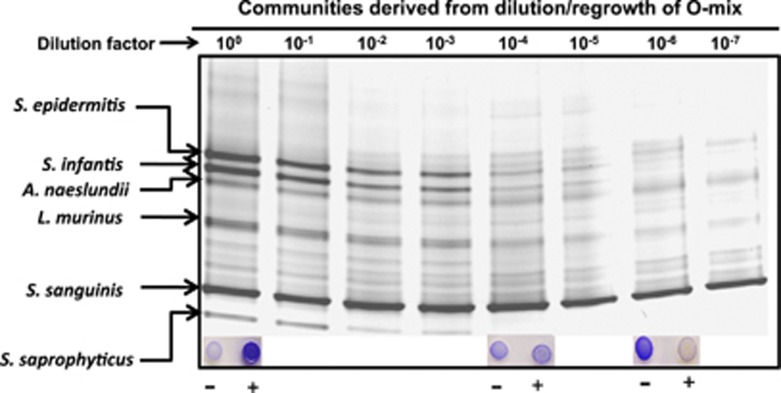
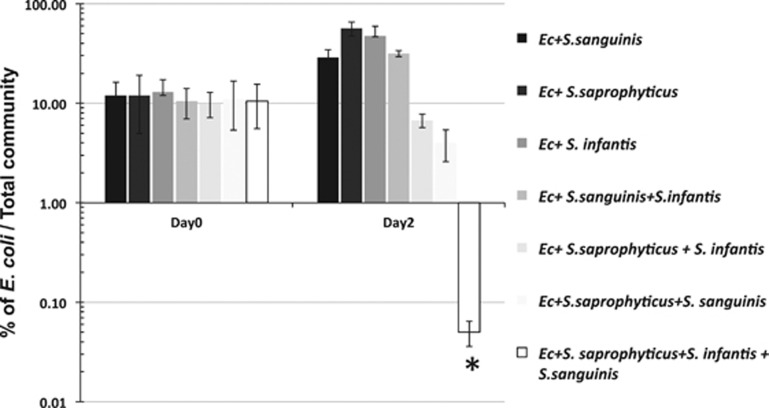
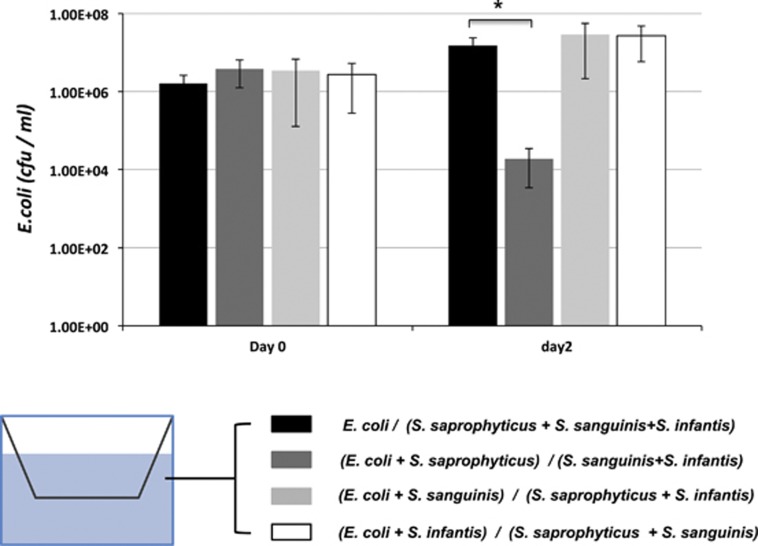
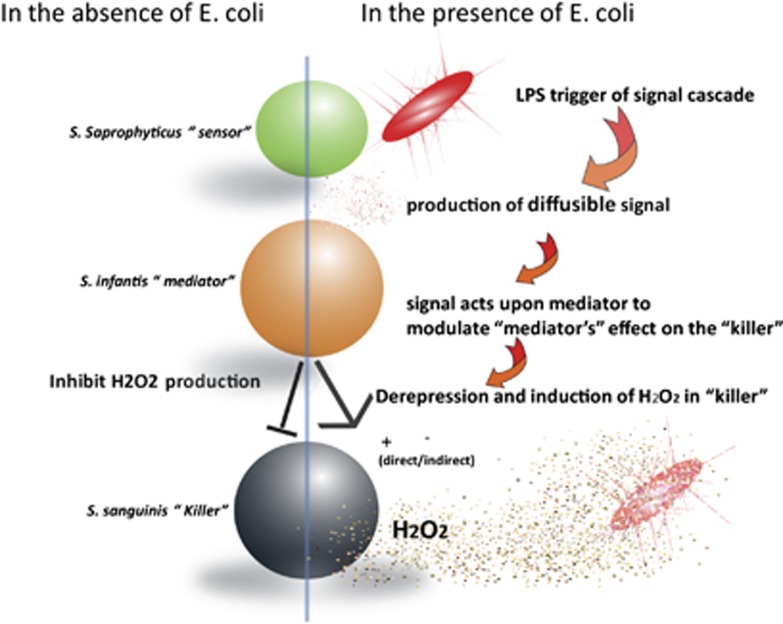
It is well established that host-associated microbial communities can interfere with the colonization and establishment of microbes of foreign origins, a phenomenon often referred to as bacterial interference or colonization resistance. However, due to the complexity of the indigenous microbiota, it has been extremely difficult to elucidate the community colonization resistance mechanisms and identify the bacterial species involved. In a recent study, we have established an in vitro mice oral microbial community (O-mix) and demonstrated its colonization resistance against an Escherichia coli strain of mice gut origin. In this study, we further analyzed the community structure of the O-mix by using a dilution/regrowth approach and identified the bacterial species involved in colonization resistance against E. coli. Our results revealed that, within the O-mix there were three different types of bacterial species forming unique social structure. They act as 'Sensor', 'Mediator' and 'Killer', respectively, and have coordinated roles in initiating the antagonistic action and preventing the integration of E. coli. The functional role of each identified bacterial species was further confirmed by E. coli-specific responsiveness of the synthetic communities composed of different combination of the identified players. The study reveals for the first time the sophisticated structural and functional organization of a colonization resistance pathway within a microbial community. Furthermore, our results emphasize the importance of 'Facilitation' or positive interactions in the development of community-level functions, such as colonization resistance.
Figures
References
-
- Adlerberth I, Cerquetti M, Poliane I, Wold A, Collignon A. Mechanisms of colonisation and colonisation resistance of the digestive tract part 1: bacteria/host interactions. Microb Ecol Health Dis. 2000;12:223–239.
-
- Alain LS. Antagonistic activities of lactobacilli and bifidobacteria against microbial pathogens. FEMS Microbiol Rev. 2004;28:405–440. - PubMed
-
- Brook I. Bacterial interference. Crit Rev Microbiol. 1999;25:155–172. - PubMed
Publication types
MeSH terms
Substances
Grants and funding
LinkOut - more resources
Full Text Sources
Other Literature Sources
