. 2013 Dec;119(6):1415-23.
doi: 10.3171/2013.7.JNS1323. Epub 2013 Oct 4.

Proteasome inhibition with bortezomib induces cell death in GBM stem-like cells and temozolomide-resistant glioma cell lines, but stimulates GBM stem-like cells' VEGF production and angiogenesis

Affiliations

Proteasome inhibition with bortezomib induces cell death in GBM stem-like cells and temozolomide-resistant glioma cell lines, but stimulates GBM stem-like cells' VEGF production and angiogenesis

Daniela A Bota et al. J Neurosurg. 2013 Dec.

Abstract

Object: Recurrent malignant gliomas have inherent resistance to traditional chemotherapy. Novel therapies target specific molecular mechanisms involved in abnormal signaling and resistance to apoptosis. The proteasome is a key regulator of multiple cellular functions, and its inhibition in malignant astrocytic lines causes cell growth arrest and apoptotic cell death. The proteasome inhibitor bortezomib was reported to have very good in vitro activity against malignant glioma cell lines, with modest activity in animal models as well as in clinical trials as a single agent. In this paper, the authors describe the multiple effects of bortezomib in both in vitro and in vivo glioma models and offer a novel explanation for its seeming lack of activity.

Methods: Glioma stem-like cells (GSCs) were obtained from resected glioblastomas (GBMs) at surgery and expanded in culture. Stable glioma cell lines (U21 and D54) as well as temozolomide (TMZ)-resistant glioma cells derived from U251 and D54-MG were also cultured. GSCs from 2 different tumors, as well as D54 and U251 cells, were treated with bortezomib, and the effect of the drug was measured using an XTT cell viability assay. The activity of bortezomib was then determined in D54-MG and/or U251 cells using apoptosis analysis as well as caspase-3 activity and proteasome activity measurements. Human glioma xenograft models were created in nude mice by subcutaneous injection. Bevacizumab was administered via intraperitoneal injection at a dose of 5 mg/kg daily. Bortezomib was administered by intraperitoneal injection 1 hour after bevacizumab administration in doses of at a dose of 0.35 mg/kg on days 1, 4, 8, and 11 every 21 days. Tumors were measured twice weekly.

Results: Bortezomib induced caspase-3 activation and apoptotic cell death in stable glioma cell lines and in glioma stem-like cells (GSCs) derived from malignant tumor specimens Furthermore, TMZ-resistant glioma cell lines retained susceptibility to the proteasome inhibition. The bortezomib activity was directly proportional with the cells' baseline proteasome activity. The proteasome inhibition stimulated both hypoxia-inducible factor (HIF)-1α and vascular endothelial growth factor (VEGF) production in malignant GSCs. As such, the VEGF produced by GSCs stimulated endothelial cell growth, an effect that could be prevented by the addition of bevacizumab (VEGF antibody) to the media. Similarly, administration of bortezomib and bevacizumab to athymic mice carrying subcutaneous malignant glioma xenografts resulted in greater tumor inhibition and greater improvement in survival than administration of either drug alone. These data indicate that simultaneous proteasome inhibition and VEGF blockade offer increased benefit as a strategy for malignant glioma therapy.

Conclusions: The results of this study indicate that combination therapies based on bortezomib and bevacizumab might offer an increased benefit when the two agents are used in combination. These drugs have a complementary mechanism of action and therefore can be used together to treat TMZ-resistant malignant gliomas.


Figures
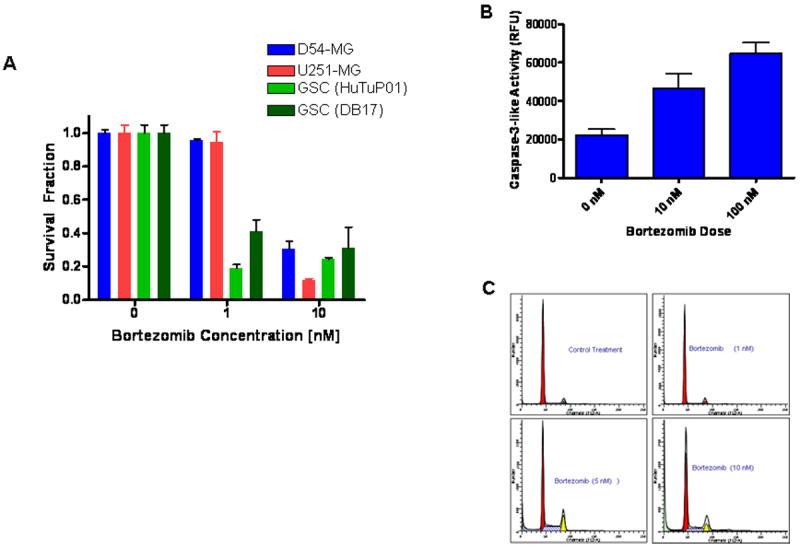
Figure 1
Figure 1. Bortezomib Kills Human Malignant Glioma Stem-Like Cells and the Malignant Glioma Cell Lines U251-MG and D-54 MG by a Caspase 3- Dependent Apoptotic Cell Death
(A) In vitro treatment with 10 nM botezomib kills off the GSCs (HuTuP01 and DB17) as well as the stable glioma lines (D54-MG and U251-MG). (B) Caspase-3 activity was measured in cell extracts, 24 hours after treatment with bortezomib (10 nM and 100 nM). A doubling in aspase-3 activity was found in presence of 10 nM bortezomib. (C) 25% of the glioma cells treated with 10 nM bortezomib display subdiploid (SD) DNA content at 24 hours after treatment.
Figure 2
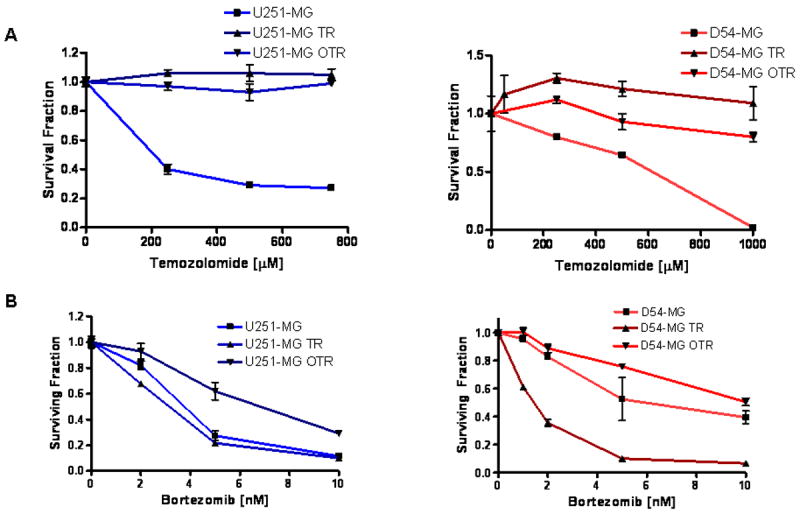
Figure 2. Bortezomib is Active against Temozolomide-Resistant Malignant Glioma Cell Lines
(A) In vitro treatment with graded doses of temozolomide leads to a decreased number of U251-MG and D54-MG parent lines, while minimally affecting the temozolomide resistant derived glioma lines (U215-TR and U251-OTR, D54-TR and D54-OTR). (B) In vitro treatment with graded doses of temozolomide is similarly effective in killing of U251-MG and D54-MG parent lines as well as the temozolomide resistant derived glioma lines (U215-TR and U251-OTR, D54-TR and D54-OTR).
Figure 3
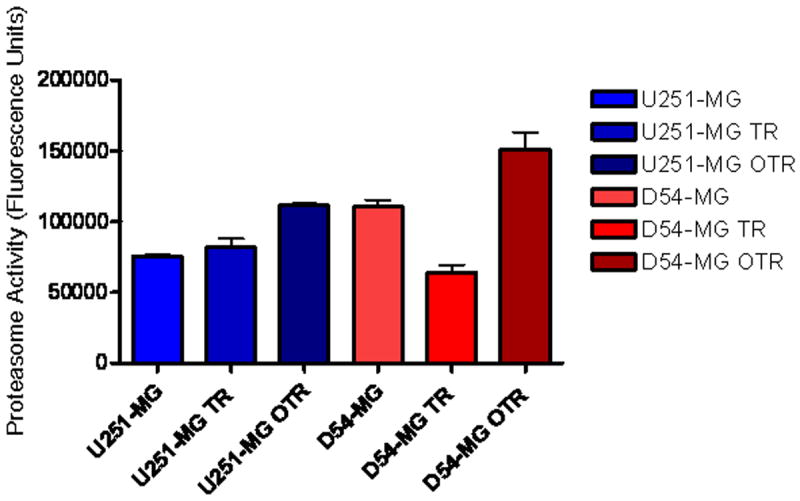
Figure 3. Bortezomib Sensitivity is Directly Proportional with the Baseline Proteasome Chymotrypsin-Like Activity Levels in Temozolomide-Resistant and Parent Malignant Glioma Cell Lines
Proteasome chymotrypsin-like activity was measured in cell extracts. The two cell lines that displayed the highest resistance to bortezomib (U251-OTR and D54-OTR) also had the highest baseline proteasome levels, while the most sensitive line to bortezomib (D54-TR) had the lowest baseline proteasome activity.
Figure 4
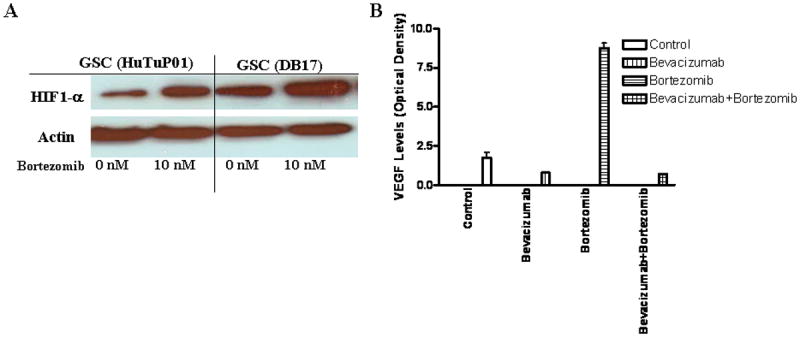
Figure 4. Bortezomib Treatment Induces HIF1-a and VEGF Levels in Malignant Glioma Stem-Like Cells
(A) 72 hours after treatment with bortezomib (10nM), HIF1-α protein levels (as determined by Western blot analysis) are increased in GSCs (HuTuP01 and DB17). (B) VEGF expression levels in media conditioned for 72 hours from GSCs treated with either bortezomib (10nM), bevacizumab (0.5mg/mL), or the combination were measured using a Human VEGF Quantikine ELISA Kits (R&D Systems). Bortezomib induced a four-time increase in the VEGF levels as compared with the control treatment, while bevacizumab was able to block the VEGF increase.
Figure 5
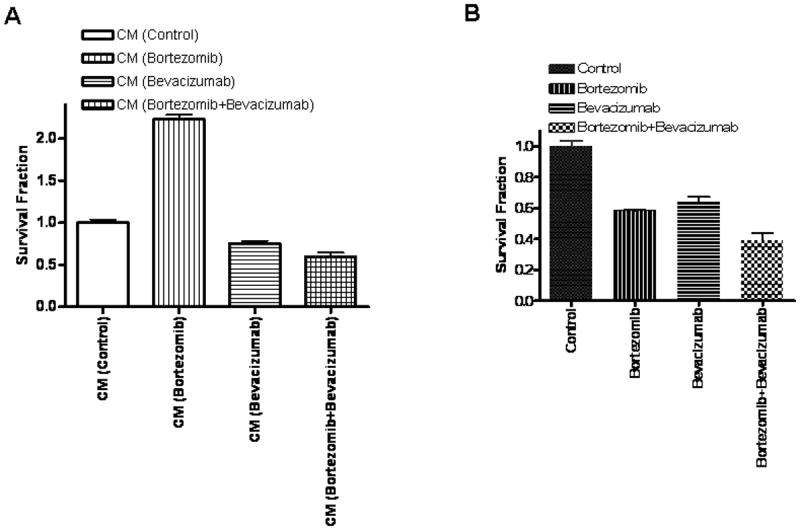
Figure 5. Conditioned Media (CM) from Malignant Glioma Stem-Like Cells Treated with Bortezomib induces Microvascular Endothelial Cell Growth due to VEGF Over-expression
(A) Media conditioned for 72 hours by GSCs treated with bortezomib stimulates microvascular endothelial cell growth, while the conditioned media from the GSCs treated with both bortezomib and the VEGF neutralizing antibody, bevacizumab doesn’t increase endothelial cell growth. (B) Direct treatment of microvacular endothelial cells with with bortezomib (10 nM) as well as with bevacizumab (0.5mg/mL) caused a 40% reduction in microvascular endothelial cell viability, while the combined treatment caused a 60% decrease in cell viability, statistically superior to either drug alone.
Figure 6
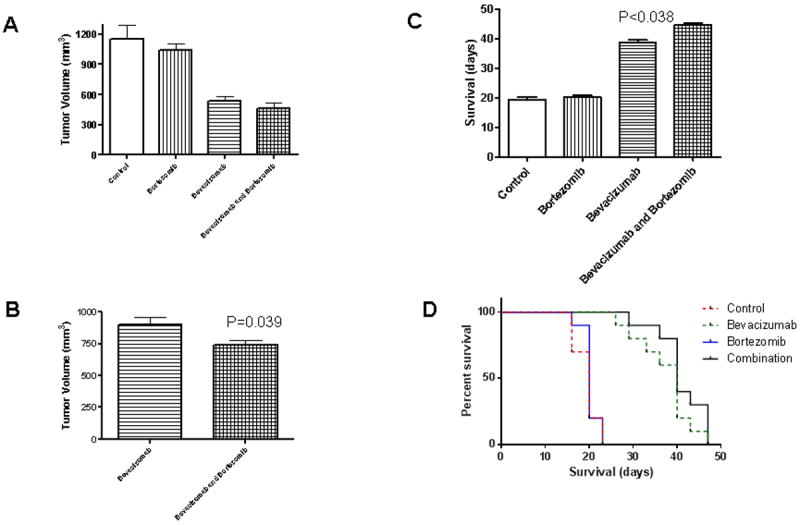
Figure 6. In vivo Treatment with Simultaneous Proteasome Inhibition (Bortezomib) and VEGF Blockade (Bevacizumab) Leads to Reduced Tumor Growth and Extended Survival
D245-MG xenografts were grown in the flanks of atymic mice. 18 days after the malignant glioma cell inoculation, the animals (10 mice per group) were treated with bortezomib (0.35 mg/kg on days 1, 4, 8 and 11 every 21 days) and/or bevacizumab (5 mg/kg daily). Tumor volume was calculated according to the formula: [(width)2 × (length)]/2. The animals that received the bortezomib-bevacizumab combination had smaller tumors both at day 16 and day 27 (p= 0.039) than the bevacizumab-only treated group (A, B). The combination also increased animal survival with 6 days (16%, p<0.038) as compared with the bevacizumab-only treated group (C).

References

    1. Adams J. Potential for proteasome inhibition in the treatment of cancer. Drug Discov Today. 2003;8:307–315. - PubMed
    1. Adams J, Palombella VJ, Elliott PJ. Proteasome inhibition: a new strategy in cancer treatment. Invest New Drugs. 2000;18:109–121. - PubMed
    1. Bao S, Wu Q, Sathornsumetee S, Hao Y, Li Z, Hjelmeland AB, et al. Stem Cell-like Glioma Cells Promote Tumor Angiogenesis through Vascular Endothelial Growth Factor. Cancer Res. 2006;66:7843–7848. - PubMed
    1. Bektas M, Johnson S, Poe W, Bigner D, Friedman H. A sphingosine kinase inhibitor induces cell death in temozolomide resistant glioblastoma cells. Cancer Chemotherapy and Pharmacology. 2009;64:1053–1058. - PMC - PubMed
    1. Bektas M, Johnson SP, Poe WE, Bigner DD, Friedman HS. A sphingosine kinase inhibitor induces cell death in temozolomide resistant glioblastoma cells. Cancer Chemother Pharmacol. 2009;64:1053–1058. - PMC - PubMed

Publication types

MeSH terms