Review
. 2013 Dec 28;172(3):1045-64.
doi: 10.1016/j.jconrel.2013.09.026. Epub 2013 Oct 2.

Mind the gap: a survey of how cancer drug carriers are susceptible to the gap between research and practice

Affiliations
Review

Mind the gap: a survey of how cancer drug carriers are susceptible to the gap between research and practice

Darren Lars Stirland et al. J Control Release. .

Abstract

With countless research papers using preclinical models and showing the superiority of nanoparticle design over current drug therapies used to treat cancers, it is surprising how deficient the translation of these nano-sized drug carriers into the clinical setting is. This review article seeks to compare the preclinical and clinical results for Doxil®, PK1, Abraxane®, Genexol-PM®, Xyotax™, NC-6004, Mylotarg®, PK2, and CALAA-01. While not comprehensive, it covers nano-sized drug carriers designed to improve the efficacy of common drugs used in chemotherapy. While not always available or comparable, effort was made to compare the pharmacokinetics, toxicity, and efficacy between the animal and human studies. Discussion is provided to suggest what might be causing the gap. Finally, suggestions and encouragement are dispensed for the potential that nano-sized drug carriers hold.

Keywords: Cancer therapy; Clinical translation; Drug carrier; Drug delivery; Nanomedicine.


Figures

Fig. 1
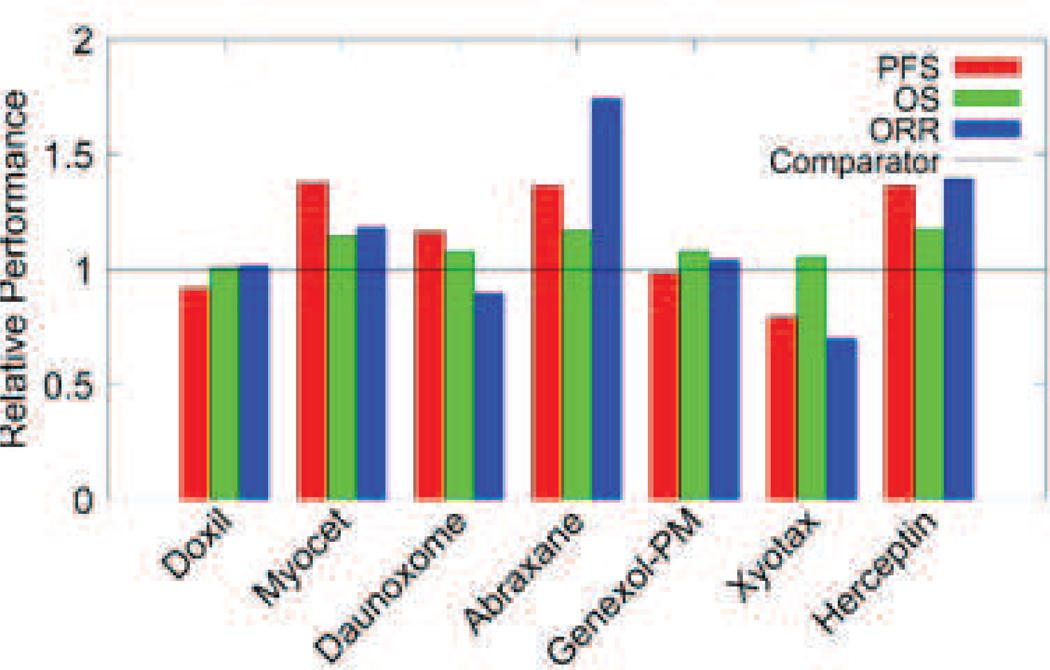
Fig. 1
Summary of phase III performance of selected drug carrier therapies compared to standard treatment. PFS: progression free survival; OS: overall survival; ORR: overall response rate. Data gathered from phase III trials [21], [22], [69], [106], [119], [122], [183], [184], [185].
Fig. 2
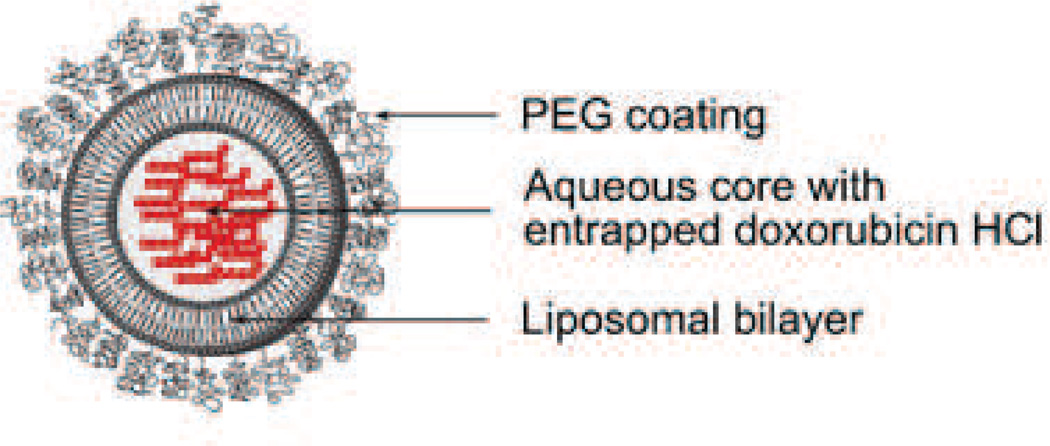
Fig. 2
Pegylated liposomal doxorubicin (Doxil® / Caelyx®), Particle size is 80–90 nm. Developed by Johnson and Johnson and approved in 1995 for treating AIDS-related Kaposi's sarcoma. So far, the indications have been extended to ovarian cancer and multiple myeloma. Illustration modified from FDA label.
Fig. 3
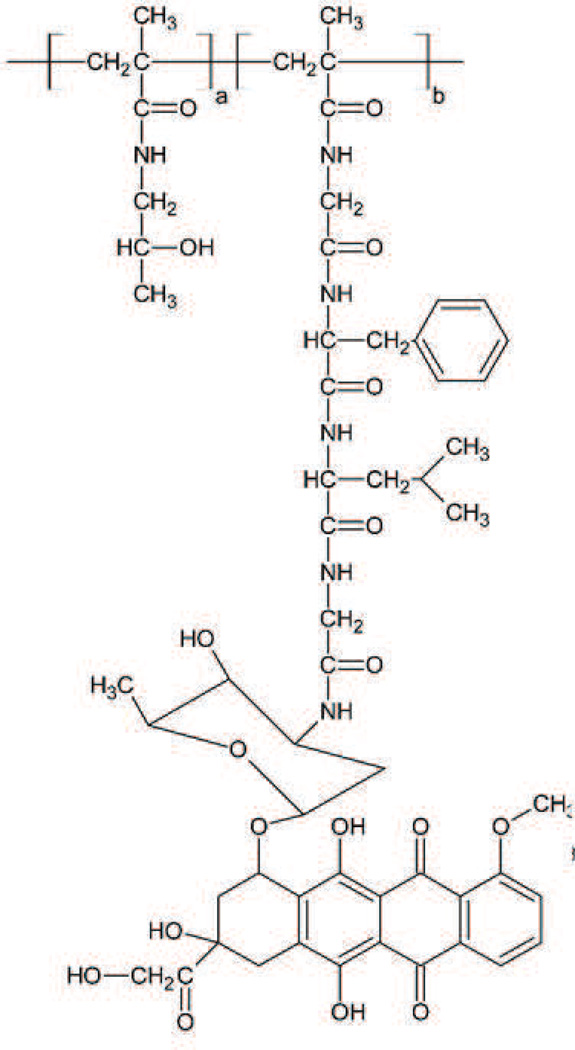
Fig. 3
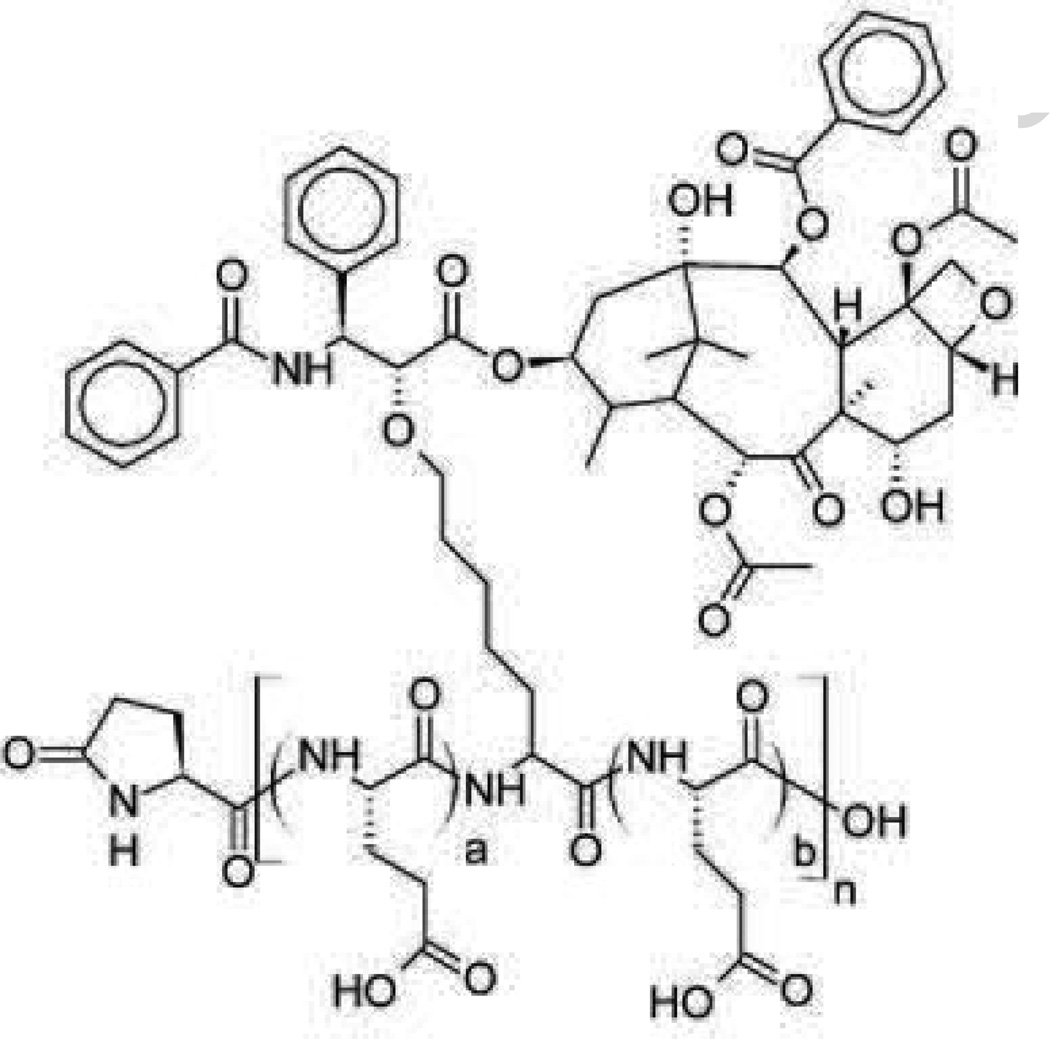
PK1/FCE 28068. a=96.1%, b= 3.9%, Particle size is around 8 nm. Developed by Pharmacia which merged with Pfizer [88].
Fig. 4
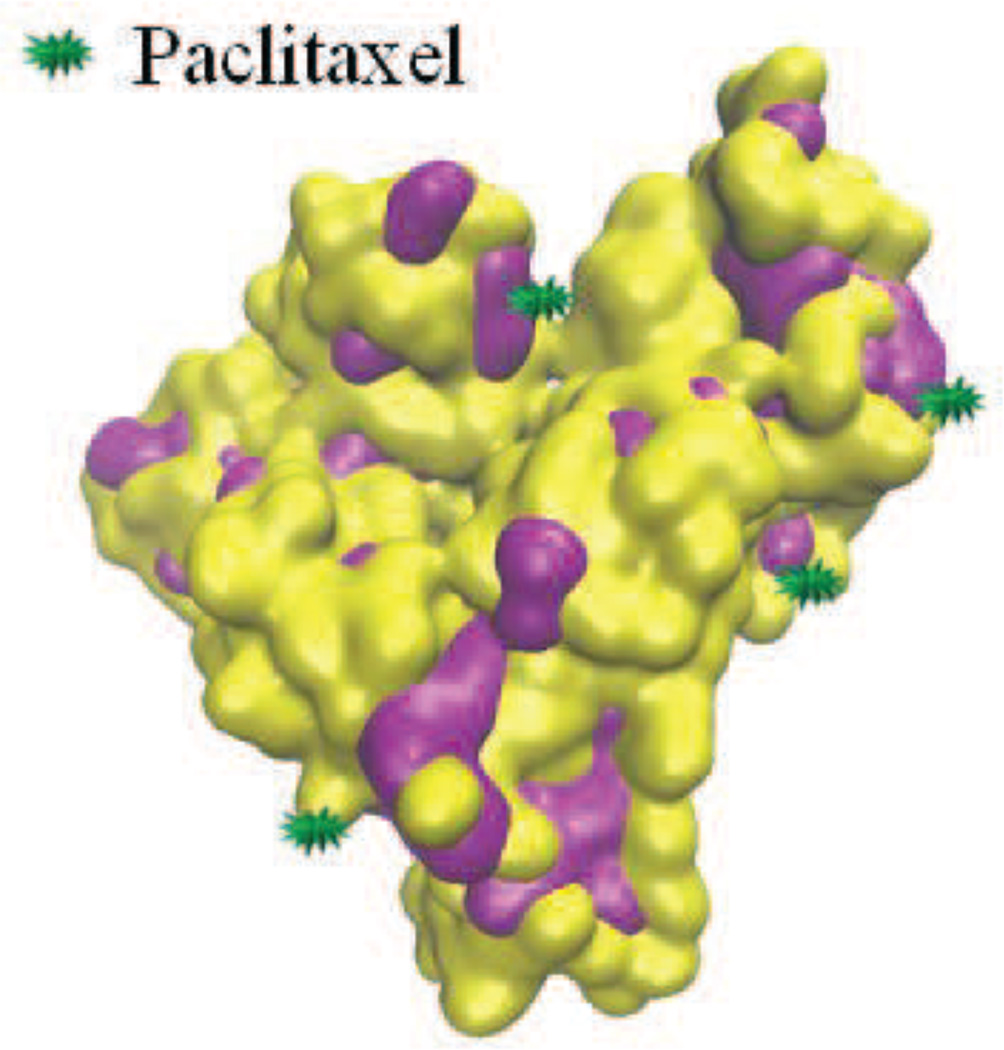
Fig. 4
Albumin-bound paclitaxel (Abraxane). Purple represents hydrophobic regions. Particle size 7 nm or 67 kDa (size of albumin protein). FDA approval 2005 for treating advanced metastatic breast cancer. Recommended dose is 260 mg/m every 3 weeks while tolerated [186].
Fig. 5
Fig. 5
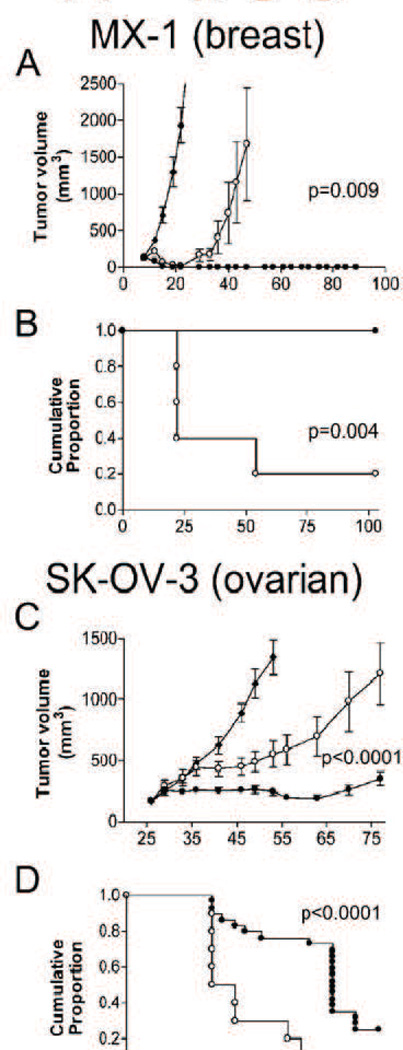
Tumor volume and Kaplan-Meier analysis of tumors in two xenograft mouse tumor models treated with Abraxane (closed circles), Taxol (open circles), and untreated controls (closed diamonds). A & B MX-1 (breast tumor xenograft); C & D SK-OV (ovarian tumor xenograft). [106]
Fig. 6
Fig. 6
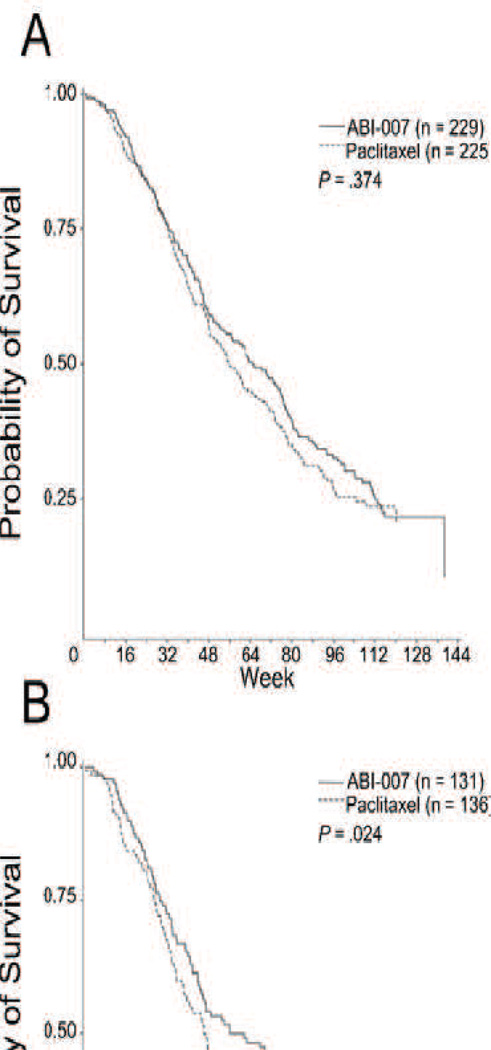
(A) Patient survival over time. (B) Patient survival over time in patients who received second-line or greater therapy. P values from log-rank test. Survival indicates time from first dose of study drug to date of death. [106]
Fig. 7
Fig. 7
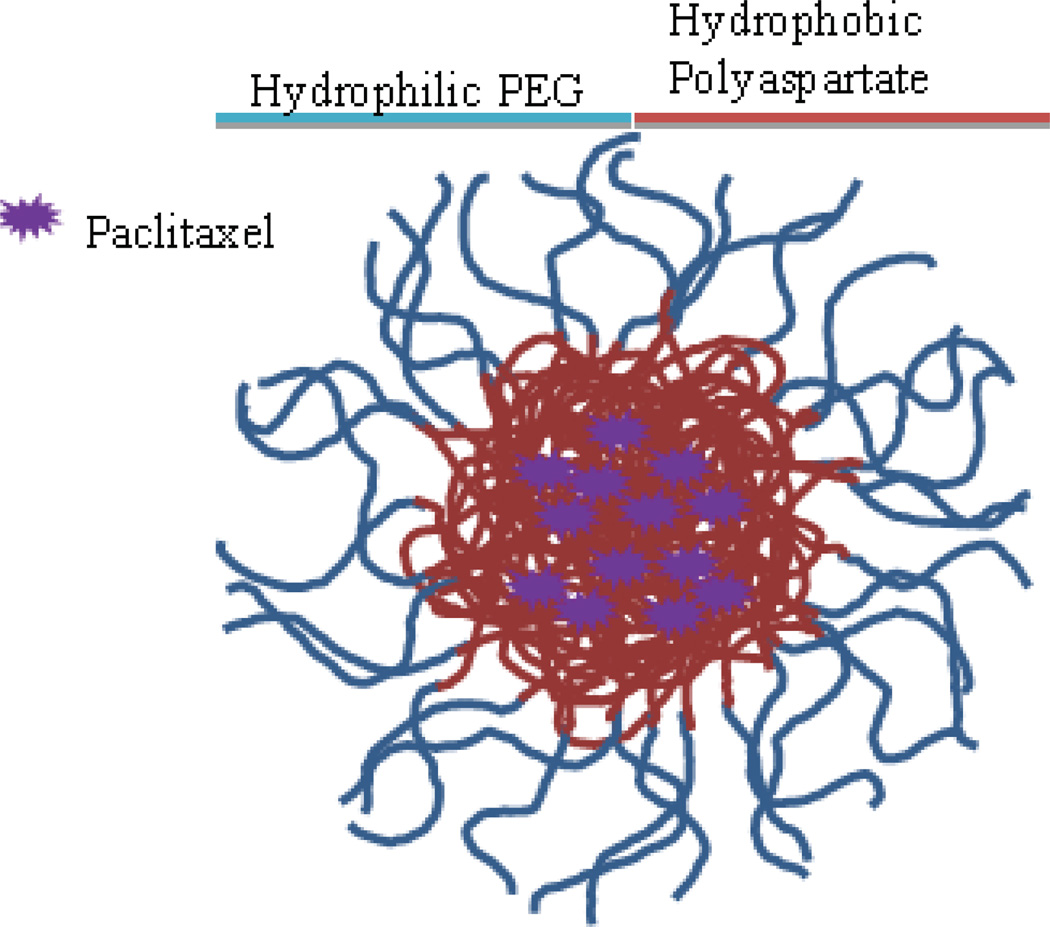
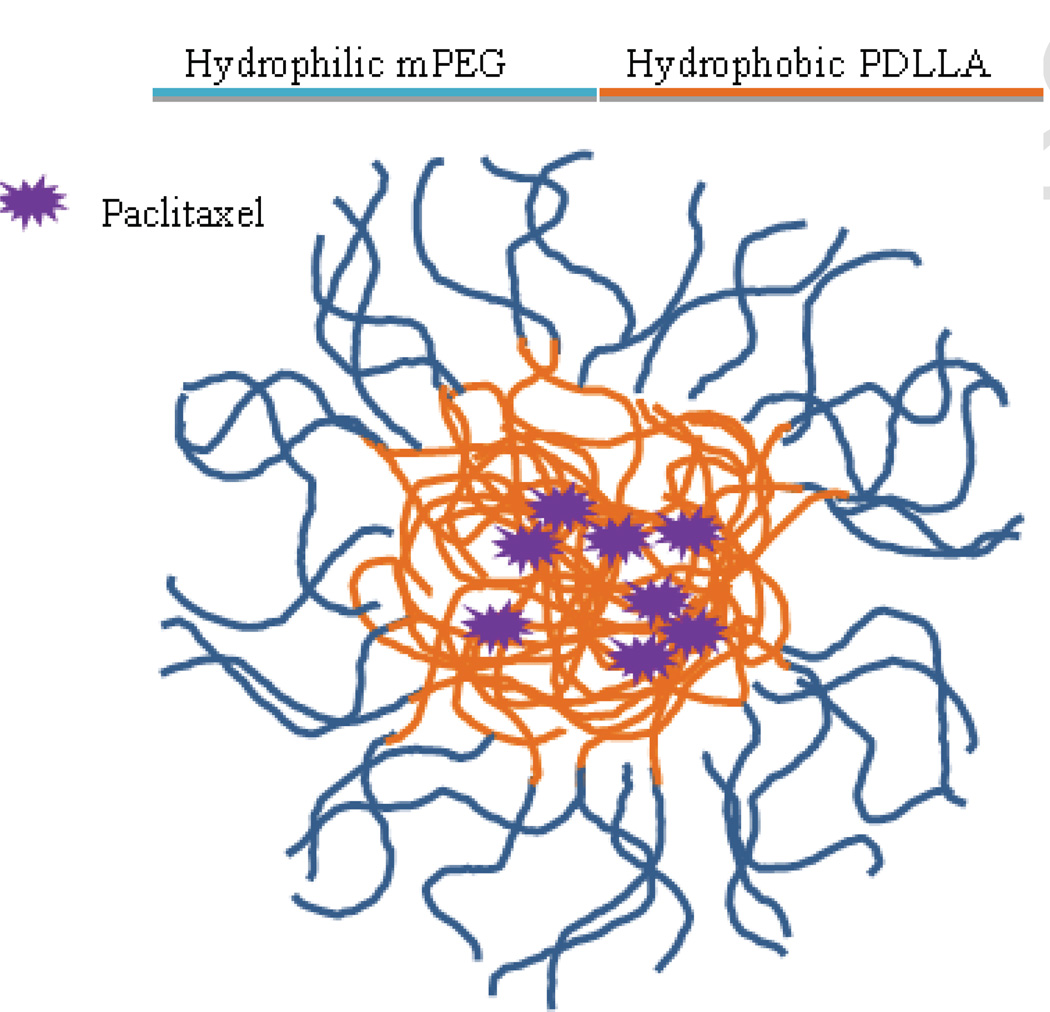
NK105, micellar paclitaxel. Size range 20–430 nm, average size 85 nm. Not FDA approved but previously tested for use as second-line therapy for recurrent metastatic gastric cancer. Recommended dose is 150 mg/m2.
Fig. 8
Fig. 8
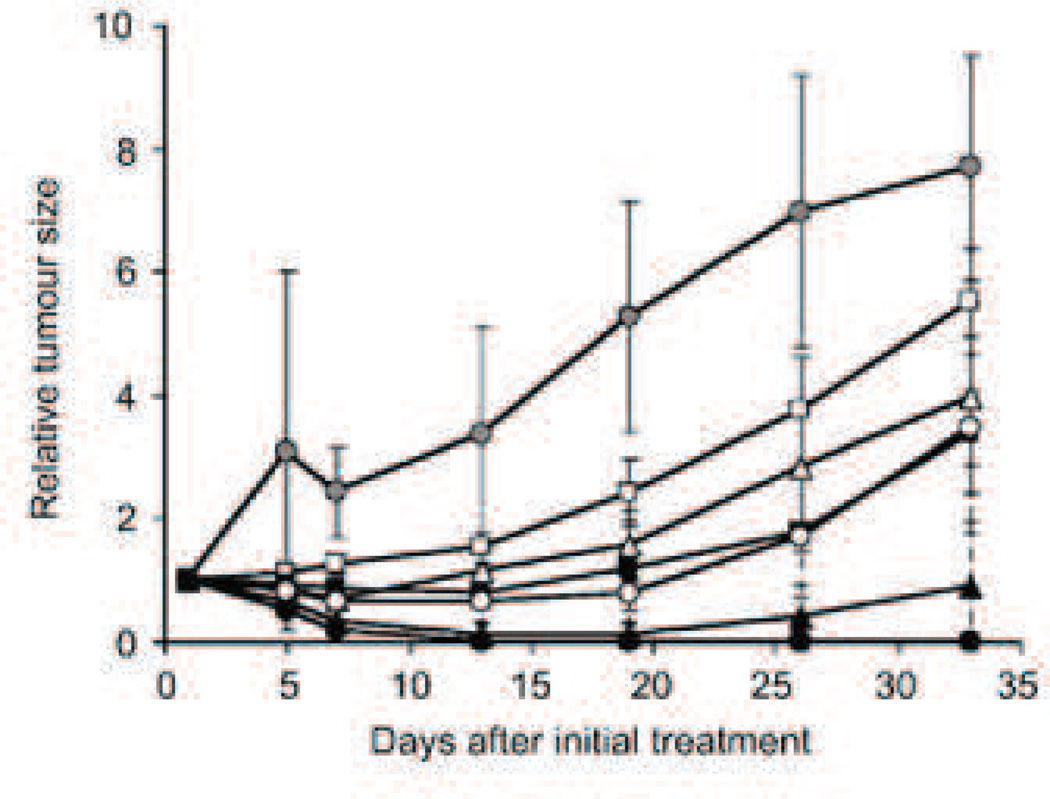
Relative changes in HT-29 tumor growth rates in nude mice. (A) Effects of PTX (open symbols) and NK105 (closed symbols). PTX and NK105 were injected i.v. once weekly for 3 weeks at PTX-equivalent doses of 25 mg/kg (squares), 50 mg/kg (triangles), and 100 mg/kg (circles), respectively. Saline was injected to control animals (shaded circles) [110].
Fig. 9
Fig. 9
Genexol-PM. Size range 20–50 nm. In phase III trials as second-line therapy for recurrent metastatic breast cancer. Recommended dose 300 mg/m2 paclitaxel equivalent.
Fig. 10
Fig. 10
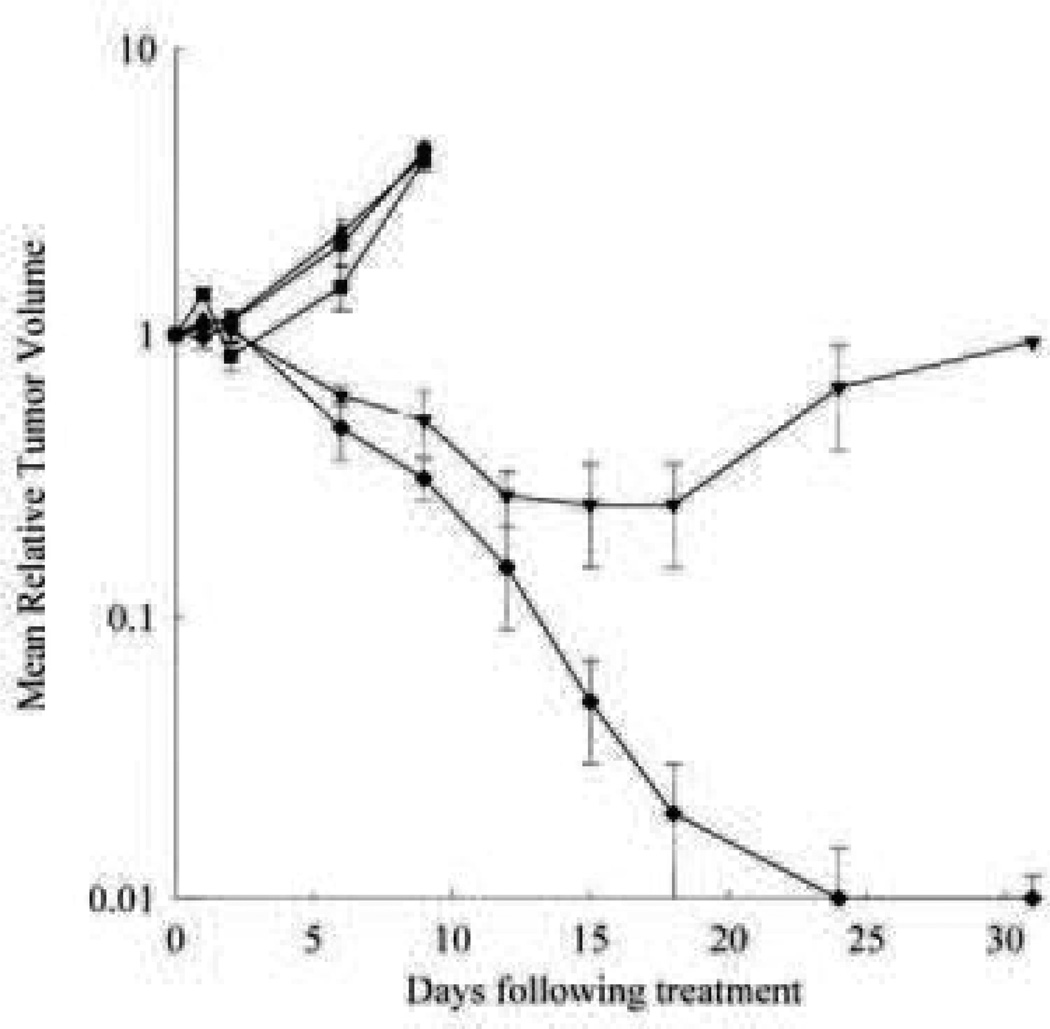
Antitumor efficacy of Genexol®-PM and Taxol® on Tac:Cr:(NCr)-nu athymic mice bearing MX-1 human breast tumor xenograft. Tumors were allowed to establish and mice were treated on 3 consecutive days with saline (•), Taxol® vehicle (■), Genexol®-PM vehicle (▴), Taxol® 20 mg/kg (▾) or Genexol®-PM 60 mg/kg (♦). Each point represents a mean ± S.D. [117]
Fig. 11
Fig. 11
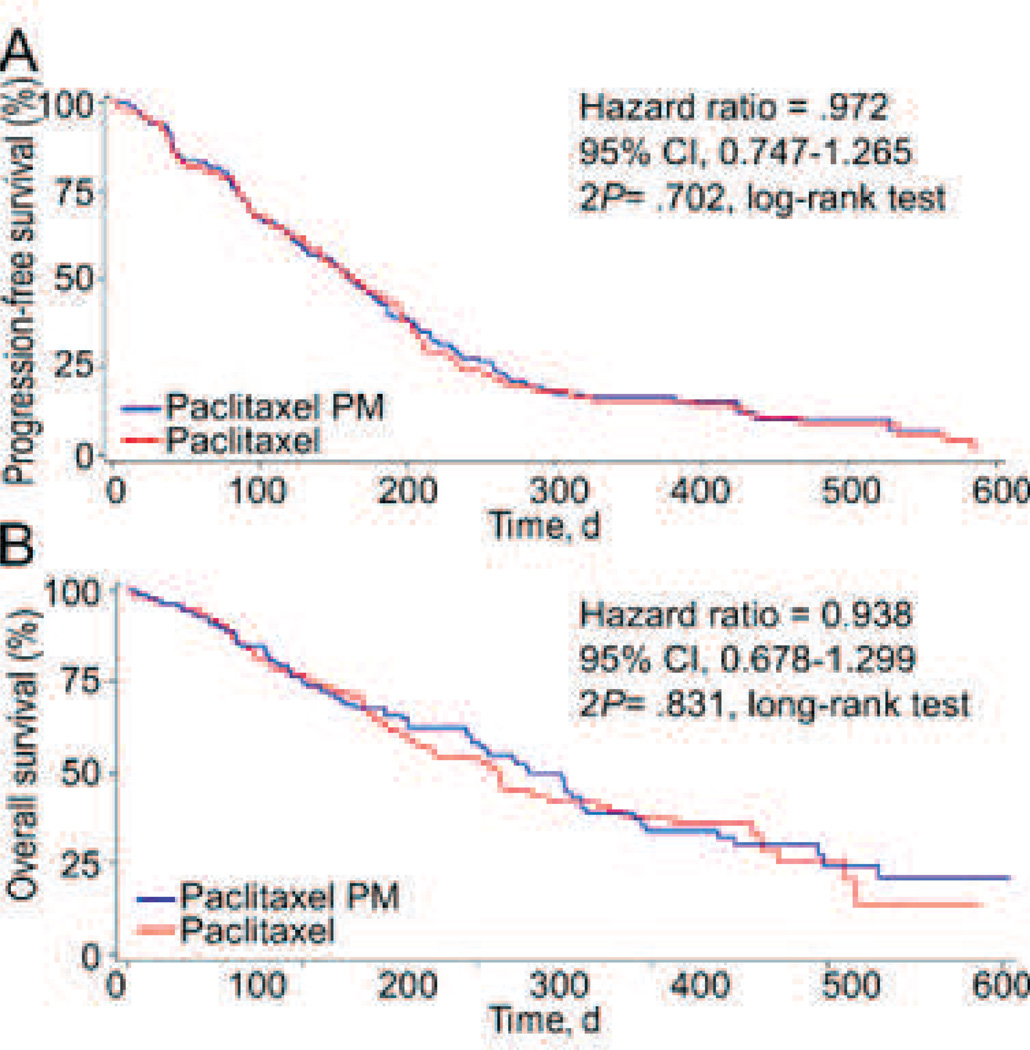
PFS and OS among the study patients. (A) Kaplan-Meier Curves for PFS in the Intent-to-Treat (ITT) Population (2P = .70). (B) OS in the ITT Population (2P = .83). Blue represents Genexol-PM + cisplatin and red represents paclitaxel + cisplatin. Figure from [119].
Fig. 12
Fig. 12
Paclitaxel poliglumex (PPX; Xyotax). Size range 40–50 kDa. Not FDA approved. Under investigation to treat NSCLC. Recommended dose 210 mg/m paclitaxel equivalent.
Fig. 13
Fig. 13
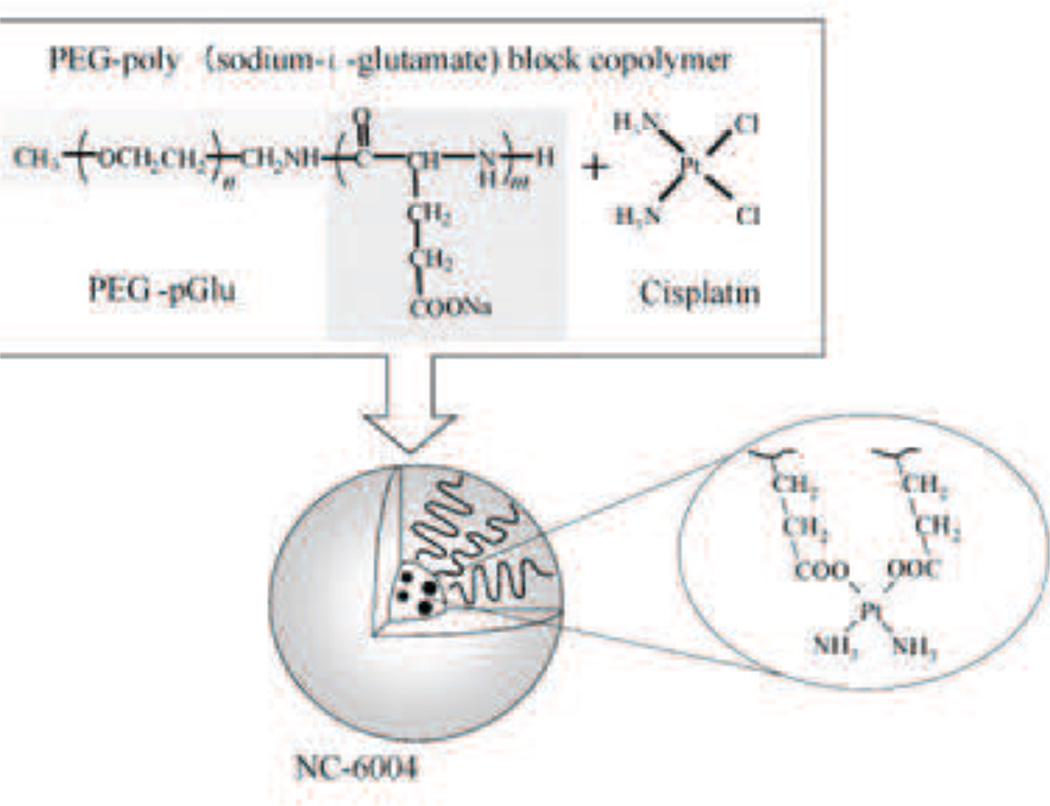
Cisplatin incorporated polymeric micelle (NC-6004). Particle size is around 50 nm. Developed by Nanocarrier. [187]
Fig. 14
Fig. 14
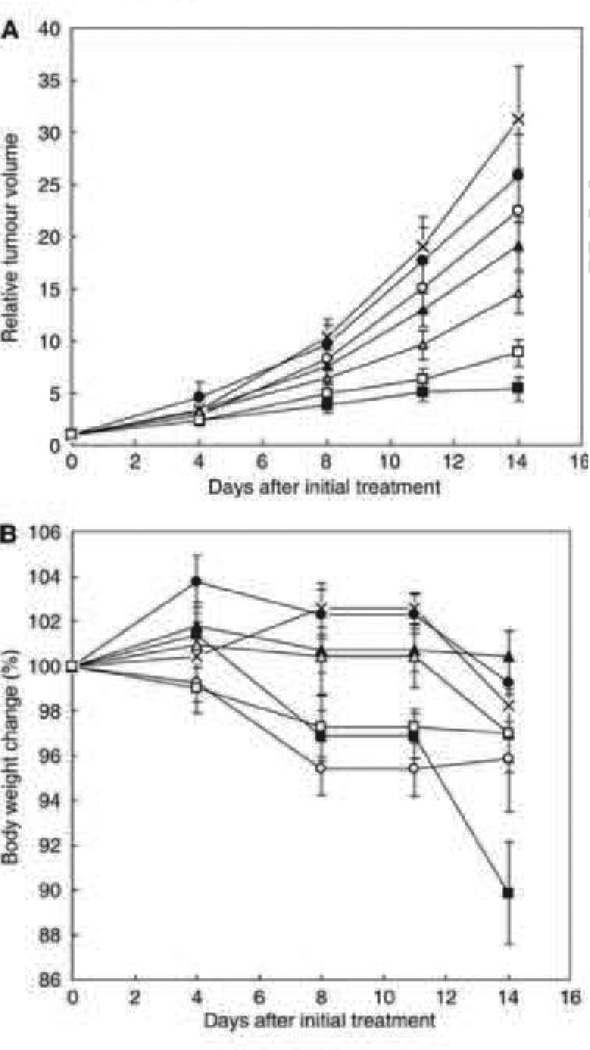
Relative changes in MKN-45 tumor growth rates in nude mice. (A) Cisplatin and NC-6004 were injected i.v. every 3 days, three administrations in total, at CDDP-equivalent doses of 0.5 mg/kg(●, ○), 2.5 mg/kg (▲, Δ), and 5 mg/kg (■, □), respectively. Glucose (5%) was injected in the control mice (×). (B) Changes in relative body weight. Data were derived from the same mice as those used in the present study. Values are expressed as the mean ± S.E. [148].
Fig. 15
Fig. 15
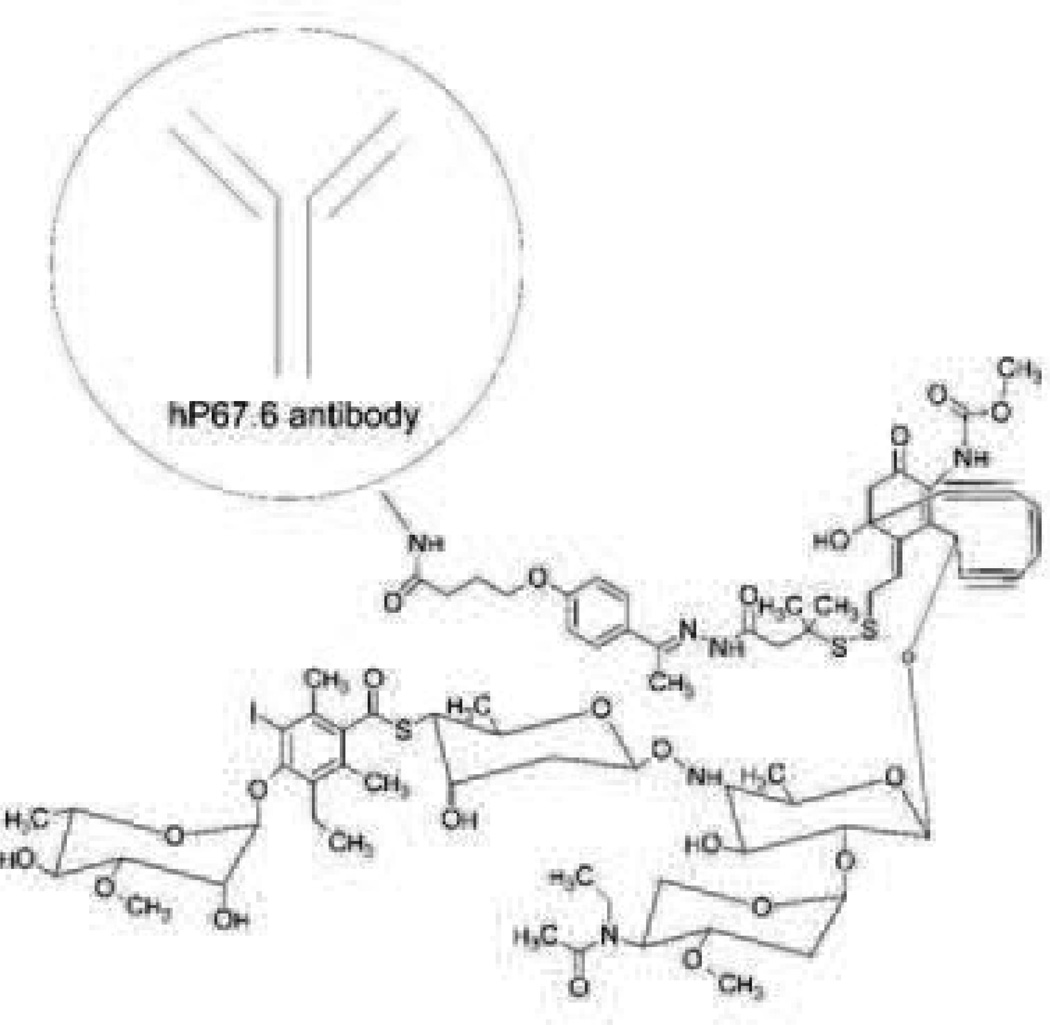
Mylotarg/gemtuzumab ozogamicin. Size range: 5–20 nm or 151–153 kDa. Binding Site: CD33. FDA approved in 2000 and withdrawn in 2010. Indicated for CD33 positive acute myeloid leukemia. Recommended dose is 9 mg/m i.v. over 4 h and repeated in 14 days. Company: Pfizer.
Fig. 16
Fig. 16
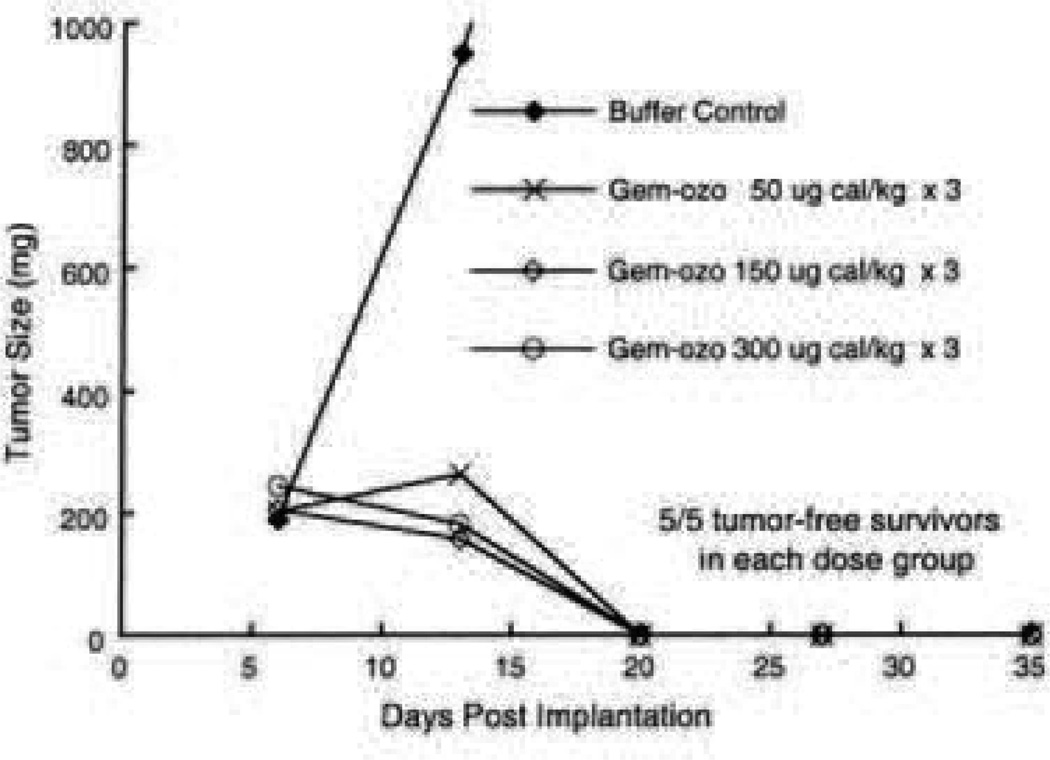
Complete cure rates in mice for various dose strengths of Mylotarg [159].
Fig. 17
Fig. 17
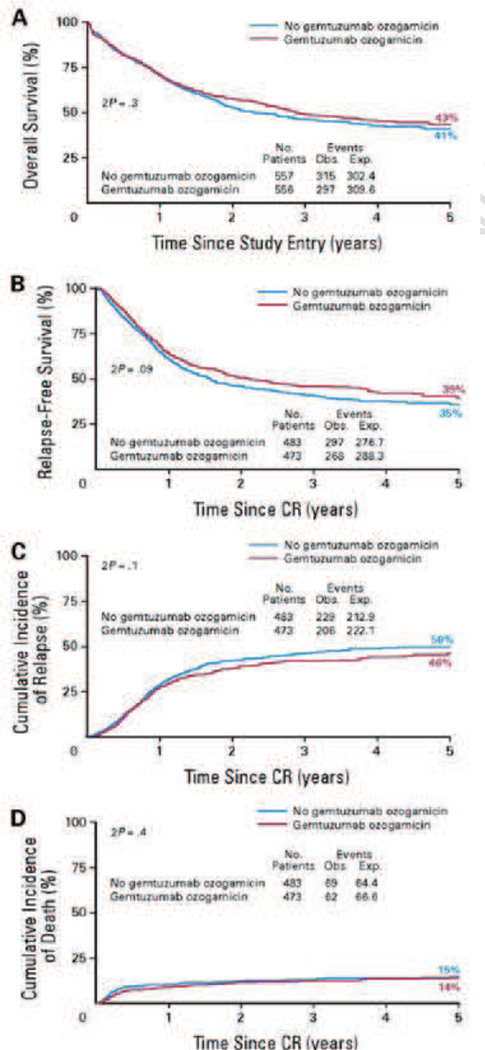
An open-label trial involving 1,113 patients that were randomly assigned whether or not to include gemtuzumab ozogamicin as part of their induction therapy. Broadly, there were only slight differences in overall survival (A), relapse-free survival (B), cumulative incidence of relapse (C), and cumulative incidence of death (D) [163].
Fig. 18
Fig. 18
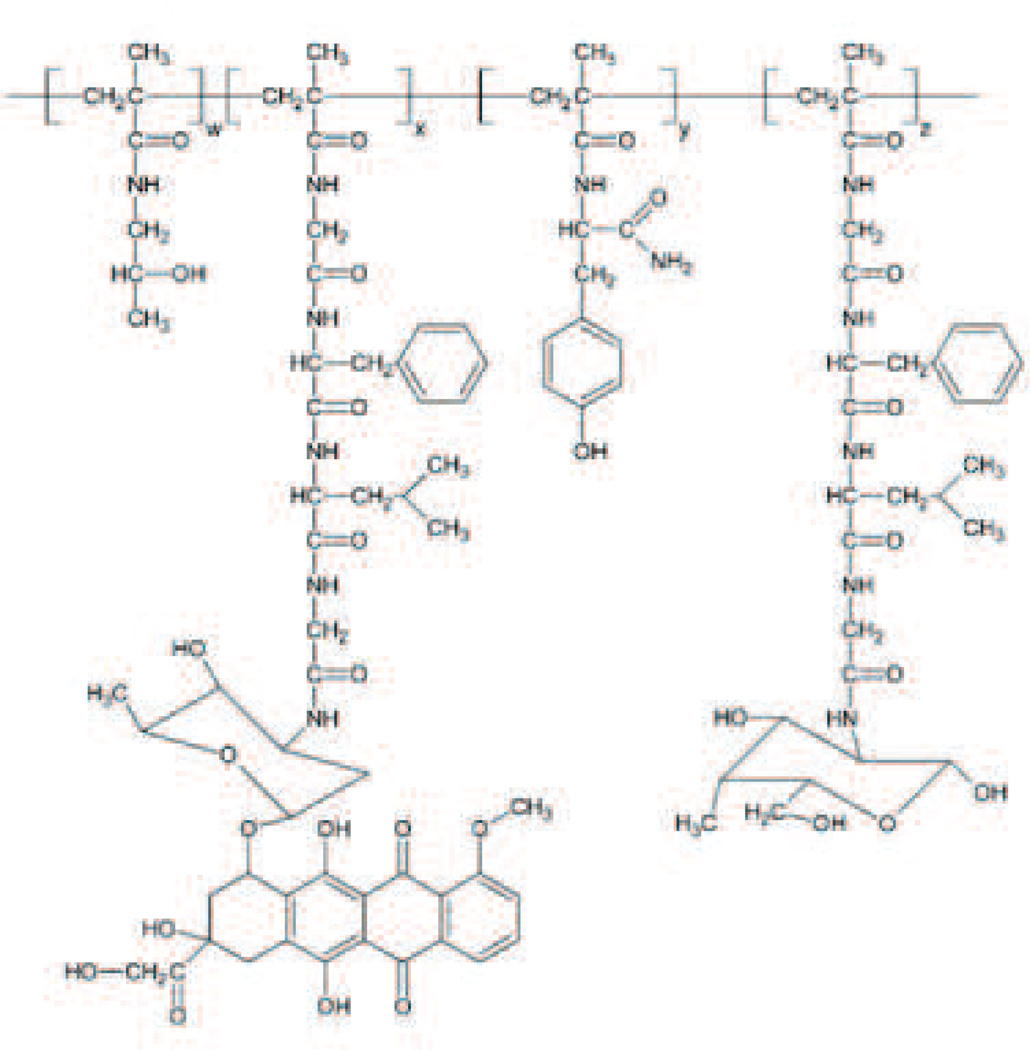
PK2/FCE 28069. Size: about 27,100 Da. Binding Site: Asialoglycoprotein receptor. Review articles state phase I/II FDA trials, though not currently found on clinicaltrials.gov. Indicated for hepatocellular carcinoma. The recommended dose is a 4 mg/kg loading dose with 2 mg/kg weekly doses or an 8 mg/kg loading dose with a 6 mg/kg dose every 3 weeks. Developed by Pharmacia which merged with Pfizer.
Fig. 19
Fig. 19
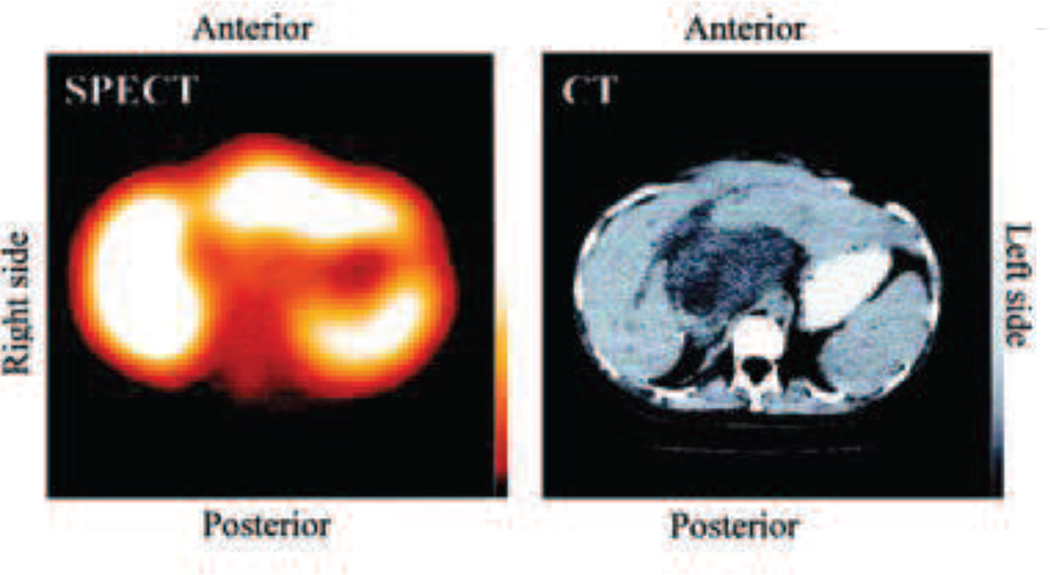
SPECT and CT imaging of a patient treated with PK2 showing decreased accumulation of targeted nanoparticles in the tumor region. The SPECT shows accumulation of PK2 in the liver except in the central region. The tumor is visible in the CT image as the dark mass in the central region. [167]
Fig. 20
Fig. 20
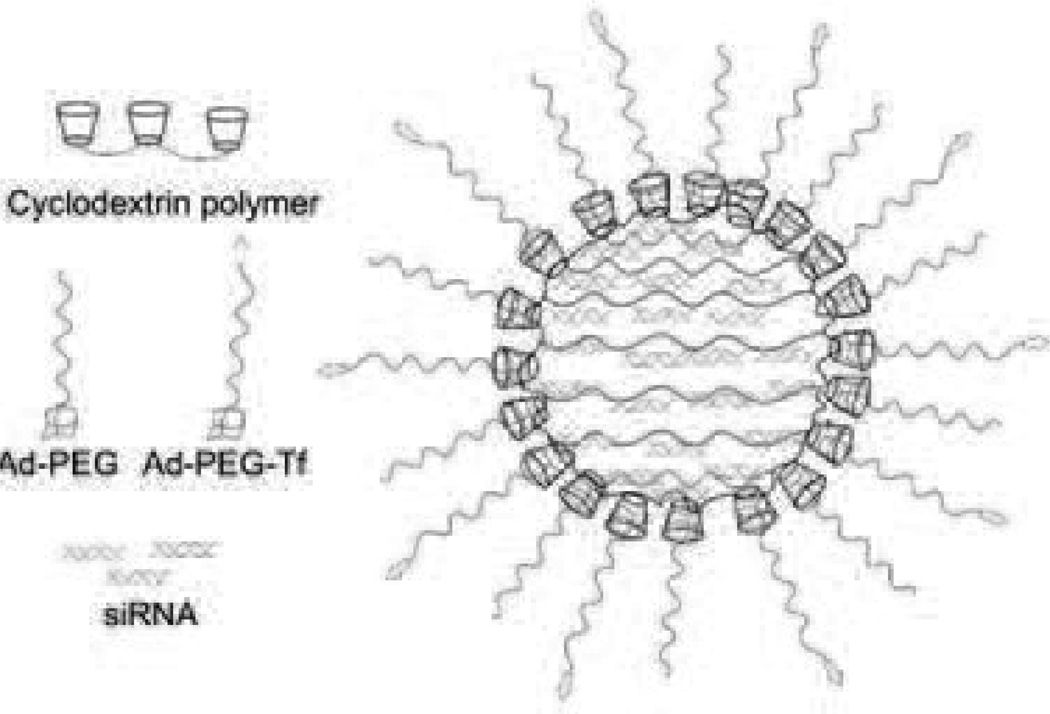
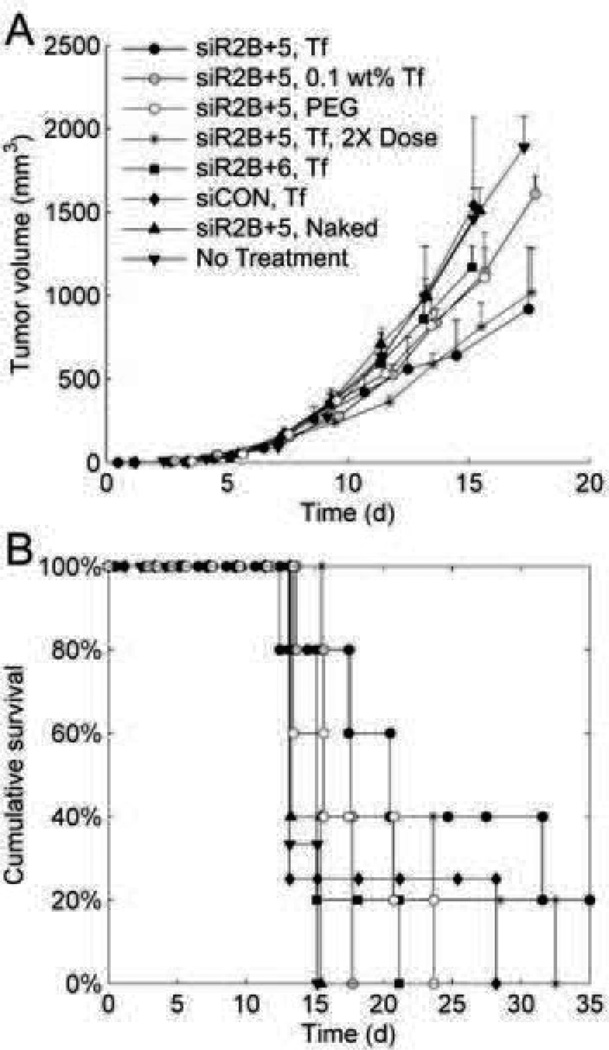
CALAA-01. Size: about 70 nm. Binding site: Transferrin receptor. Currently in phase I of FDA clinical trials. Seeking indication for solid tumors. The recommended dose is 18–30 mg siRNA/m2. Developed by Calando Pharmaceuticals, Inc.
Fig. 21
Fig. 21
The targeted and pegylated formulation containing the RRM2 sequence denoted as siR2B+5 performed the best in tumor growth inhibition. (A) tumor growth rates and (B) Kaplan-Meier survival curves. [180]

References

    1. Roco MC. Nanotechnology: convergence with modern biology and medicine. Current Opinion in Biotechnology. 2003;14:337–346. - PubMed
    1. Wagner V, Dullaart A, Bock A-K, Zweck A. The emerging nanomedicine landscape. Nature Biotechnology. 2006;24:1211–1217. - PubMed
    1. Nasongkla N, Bey E, Ren J, Ai H, Khemtong C, Guthi JS, et al. Multifunctional Polymeric Micelles as Cancer-Targeted, MRI-Ultrasensitive Drug Delivery Systems. Nano Letters. 2006;6:2427–2430. - PubMed
    1. Pickup JC, Zhi Z, Khan F, Saxl T, Birch DJS. Nanomedicine and its potential in diabetes research and practice. Diabetes/Metabolism Research and Reviews. 2008;24:604–610. - PubMed
    1. Gelperina S, Kisich K, Iseman MD, Heifets L. The potential advantages of nanoparticle drug delivery systems in chemotherapy of tuberculosis. American Journal of Respiratory and Critical Care Medicine. 2005;172:1487–1490. - PMC - PubMed

Publication types

MeSH terms