


Lumpy skin disease of cattle: an emerging problem in the Sultanate of Oman
- PMID: 24097247
- PMCID: PMC3895213
- DOI: 10.1007/s11250-013-0483-3
Lumpy skin disease of cattle: an emerging problem in the Sultanate of Oman
Abstract
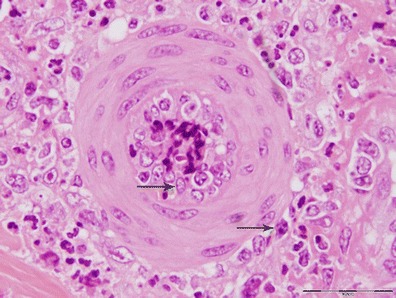
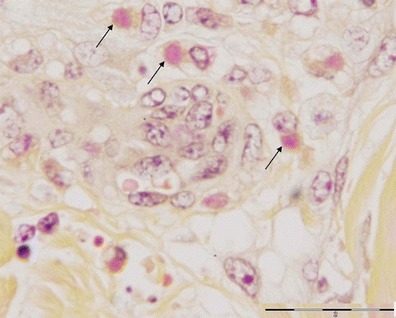
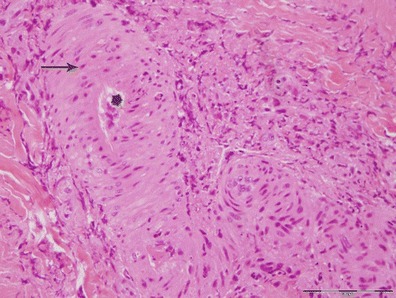
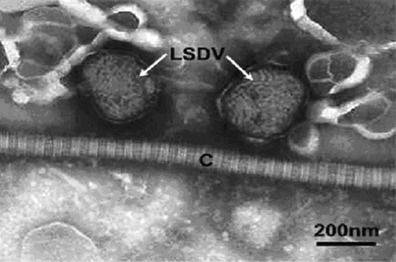
Lumpy skin disease (LSD) is a highly infectious disease of cattle caused by a virus belonging to the Capripoxvirus genus of the family Poxviridae. The purpose of this study is to place on record the first confirmation of LSD in the Sultanate. The disease was diagnosed and confirmed using polymerase chain reaction, histopathology, transmission electron microscopy and serum neutralization testing. The epizootic occurred in 2009 involving a large number of animals and covering a wide area including Nezwa, Alqabel, Sohar, Saham and Burimi. Morbidity and mortality rates of 29.7 and 26.3 %, and 13.6 and 15.4 % were observed at Nezwa and Sohar, respectively. The clinical signs were much more severe in Holstein-Friesian cattle compared to indigenous breeds and were characterized by multiple skin nodules covering the neck, back, perineum, tail, limbs and genital organs. Affected animals also exhibited lameness, emaciation and cessation of milk production. Oedema of limbs and brisket, and superficial lymph node enlargement were highly prominent. It is not known from where the virus originated, or how it spread to the Sultanate. The disease has become endemic in the country and is liable to extend to other Gulf Cooperation Council Countries and cause a pandemic. It is of major concern to the Omani dairy industry. Due to the widespread presence of screw worm, serious economic losses can follow outbreaks.
Figures
References
-
- Ali AA, Esmat M, Attia H, Selim A, Abdel-Humid YM. Clinical and pathological studies on lumpy skin disease in Egypt. Veterinary Record. 1990;127:549–550. - PubMed
-
- Bancroft JD, Gamble M. Theory and Practice of Histological Techniques. In: Bartlett JH, editor. Microorganisms. 6. Elsevier: Churchill Livingstone; 2008. pp. 309–331.
-
- Brenner J, Haimovitz M, Oron E, Stram Y, Fridgut O, Bumbarov V, Kuznetzova L, Oved Z, Waserman A, Garazzi S, Perl S, Lahav D, Edery N, Yadin H. Lumpy skin disease (LSD) in a large dairy herd in Israel, June 2006. Israel Journal of Veterinary Medicine. 2006;61:73–77.
Publication types
MeSH terms
LinkOut - more resources
Full Text Sources
Other Literature Sources
