. 2013 Oct 1;8(10):e77599.
doi: 10.1371/journal.pone.0077599. eCollection 2013.

An in vitro model of the horse gut microbiome enables identification of lactate-utilizing bacteria that differentially respond to starch induction

Affiliations

An in vitro model of the horse gut microbiome enables identification of lactate-utilizing bacteria that differentially respond to starch induction

Amy S Biddle et al. PLoS One. .

Abstract

Laminitis is a chronic, crippling disease triggered by the sudden influx of dietary starch. Starch reaches the hindgut resulting in enrichment of lactic acid bacteria, lactate accumulation, and acidification of the gut contents. Bacterial products enter the bloodstream and precipitate systemic inflammation. Hindgut lactate levels are normally low because specific bacterial groups convert lactate to short chain fatty acids. Why this mechanism fails when lactate levels rapidly rise, and why some hindgut communities can recover is unknown. Fecal samples from three adult horses eating identical diets provided bacterial communities for this in vitro study. Triplicate microcosms of fecal slurries were enriched with lactate and/or starch. Metabolic products (short chain fatty acids, headspace gases, and hydrogen sulfide) were measured and microbial community compositions determined using Illumina 16S rRNA sequencing over 12-hour intervals. We report that patterns of change in short chain fatty acid levels and pH in our in vitro system are similar to those seen in in vivo laminitis induction models. Community differences between microcosms with disparate abilities to clear excess lactate suggest profiles conferring resistance of starch-induction conditions. Where lactate levels recover following starch induction conditions, propionate and acetate levels rise correspondingly and taxa related to Megasphaeraelsdenii reach levels exceeding 70% relative abundance. In lactate and control cultures, taxa related to Veillonellamontpellierensis are enriched as lactate levels fall. Understanding these community differences and factors promoting the growth of specific lactate utilizing taxa may be useful to prevent acidosis under starch-induction conditions.


Conflict of interest statement

Competing Interests: The authors have declared that no competing interests exist.

Figures

Figure 1
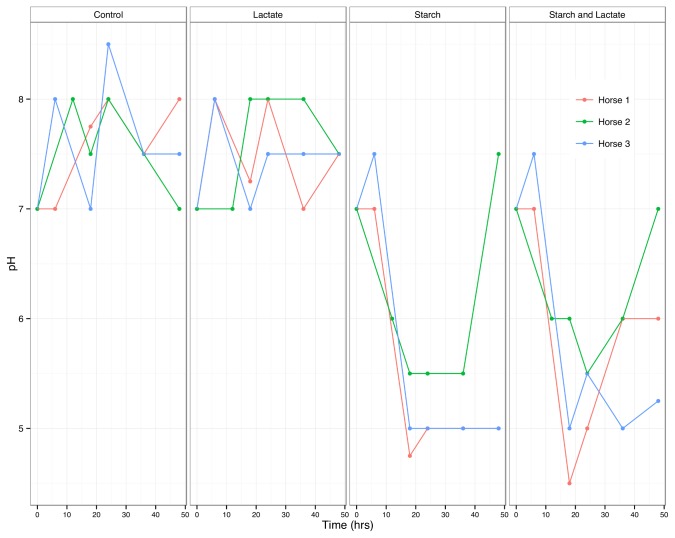
Figure 1. pH of cultures over time by horse.
pH of cultures from each horse and culture condition measured at 6 hour intervals.
Figure 2
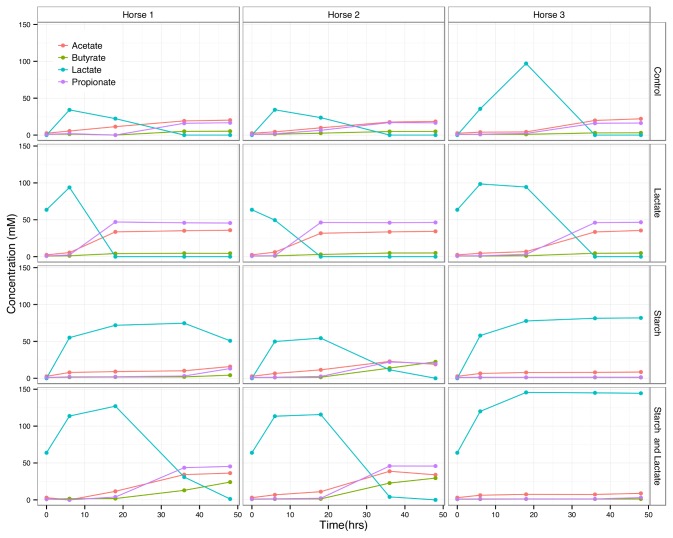
Figure 2. Short chain fatty acid metabolites over time by horse.
Concentration (mM) of acetate, butyrate, lactate, and propionate measured by high performance liquid chromatography from each horse and culture condition at times 0, 6, 18, 36, and 48 hours.
Figure 3
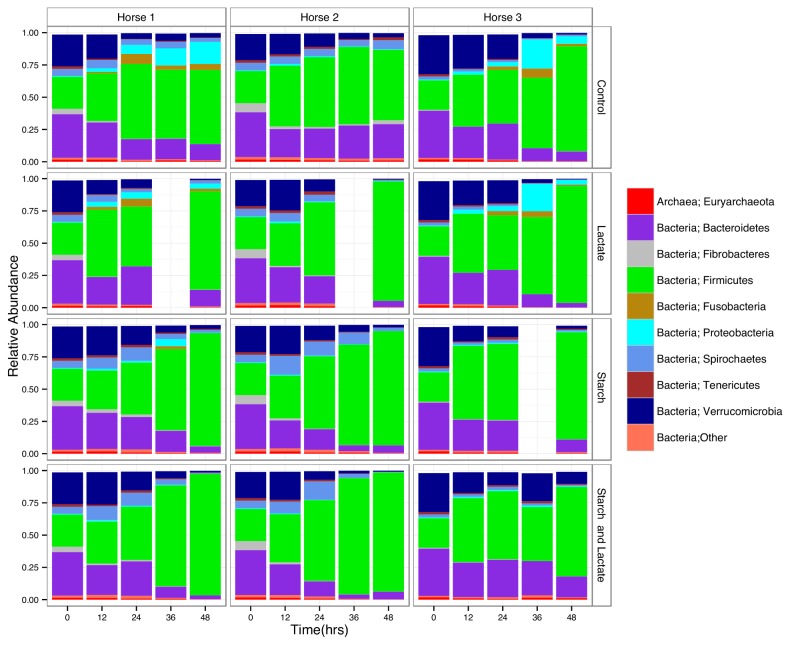
Figure 3. Distribution of sequences by phyla.
Relative abundance of sequences for each operational taxonomic unit found at or greater than 1% at each time point for each culture condition and horse sample by phyla.
Figure 4
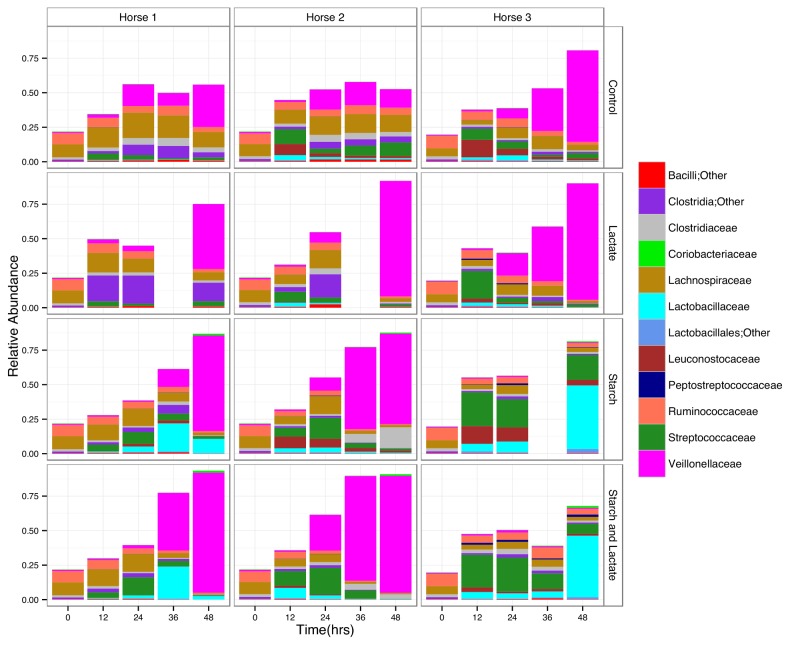
Figure 4. Distribution of Firmicute sequences by family.
Relative abundance of Firmicutes sequences found at or greater than 1% by family at each time point for each culture condition and horse sample.
Figure 5
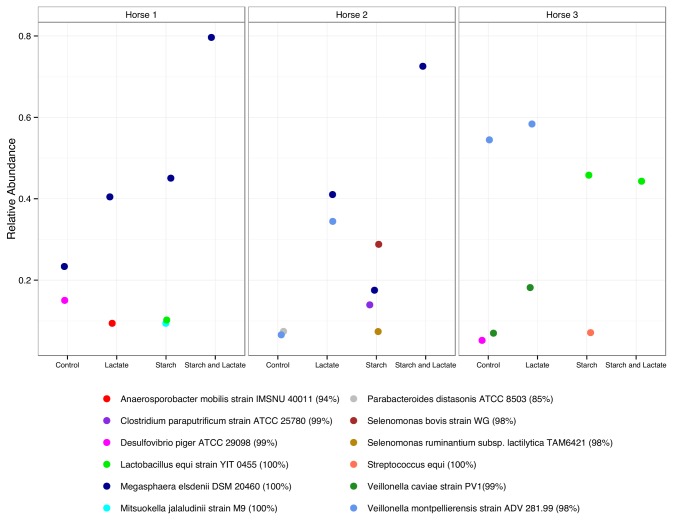
Figure 5. Distribution of most abundant OTUs at time 48.
Relative abundance of OTUs found at greater than 5% in each culture condition by horse. OTUs are identified by best BLAST match, and percent sequence similarity is given.
Figure 6
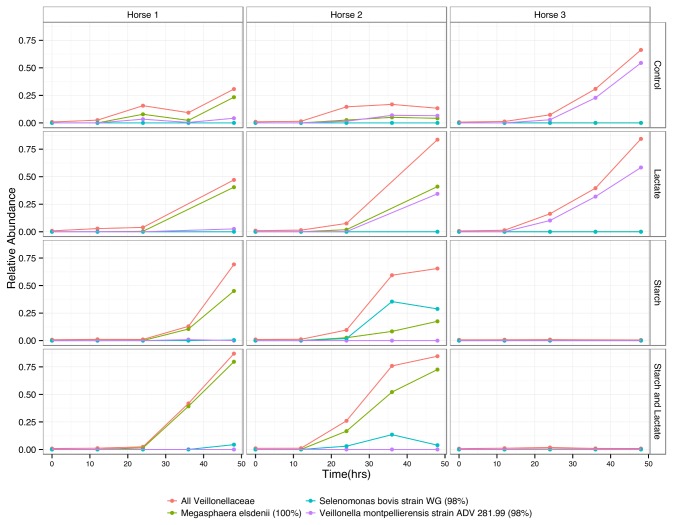
Figure 6. Change in most abundant Veillonellaceae OTUs over time.
Relative abundance of most abundant Veillonellaceae OTUs over time in each culture condition by horse. OTUs are identified by best BLAST match, and percent sequence similarity is given.
Figure 7
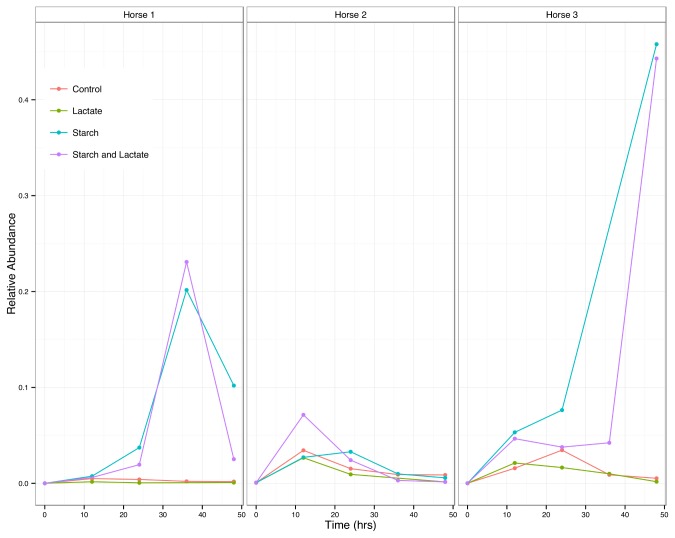
Figure 7. Change in single, abundant Lactobacillaceae OTU over time.
Relative abundance of the single, dominant Lactobacillus OTU over time for each culture condition by horse.
Figure 8
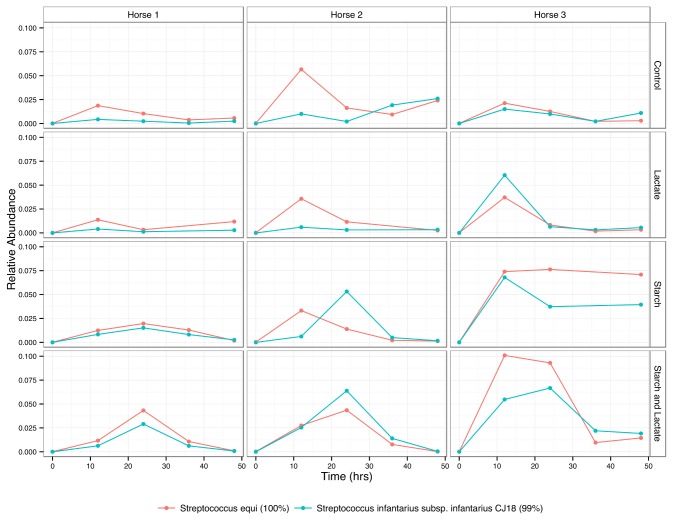
Figure 8. Change in abundant Streptococcaceae OTUs over time.
Relative abundance of dominant Streptococcus OTUs over time for each culture condition by horse. OTUs are identified by best BLAST match, and percent sequence similarity is given.

References

    1. Janis C (1976) The evolutionary strategy of the Equidae and the origins of rumen and cecal digestion. Evolution: 757–774. - PubMed
    1. Argenzio RA (1975) Functions of the equine large intestine and their interrelationship in disease. Cornell Vet 65: 303–330. PubMed: 237739. - PubMed
    1. Argenzio RA, Hintz HF (1972) Effect of diet on glucose entry and oxidation rates in ponies. J Nutr 102: 879–892. PubMed: 4556122. - PubMed
    1. Argenzio RA, Southworth M, Stevens CE (1974) Sites of organic acid production and absorption in the equine gastrointestinal tract. Am J Physiol 226: 1043–1050. PubMed: 4824856. - PubMed
    1. Garner HE, Coffman JR, Hahn AW, Hutcheson DP, Tumbleson ME (1975) Equine laminitis of alimentary origin: an experimental model. Am J Vet Res 36: 441–449. PubMed: 1124880. - PubMed

Publication types

MeSH terms

LinkOut - more resources