. 2013 Sep 30;8(9):e75592.
doi: 10.1371/journal.pone.0075592. eCollection 2013.

Relaxin protects rat lungs from ischemia-reperfusion injury via inducible NO synthase: role of ERK-1/2, PI3K, and forkhead transcription factor FKHRL1

Affiliations

Relaxin protects rat lungs from ischemia-reperfusion injury via inducible NO synthase: role of ERK-1/2, PI3K, and forkhead transcription factor FKHRL1

Konstantin Alexiou et al. PLoS One. .

Abstract

Introduction: Early allograft dysfunction following lung transplantation is mainly an ischemia/reperfusion (IR) injury. We showed that relaxin-2 (relaxin) exerts a protective effect in lung IR, attributable to decreases in endothelin-1 (ET-1) production, leukocyte recruitment, and free radical generation. Here, we summarize our investigations into relaxin's signalling.

Materials and methods: Isolated rat lungs were perfused with vehicle or 5 nM relaxin (n = 6-10 each). Thereafter, experiments were conducted in the presence of relaxin plus vehicle, the protein kinase A inhibitors H-89 and KT-5720, the NO synthase (NOS) inhibitor L-NAME, the iNOS inhibitor 1400W, the nNOS inhibitor SMTC, the extracellular signal-regulated kinase-1/2 (ERK-1/2) inhibitor PD-98059, the phosphatidylinositol-3 kinase (PI3K) inhibitor wortmannin, the endothelin type-B (ETB) antagonist A-192621, or the glucocorticoid receptor (GR) antagonist RU-486. After 90 min ischemia and 90 min reperfusion we determined wet-to-dry (W/D) weight ratio, mean pulmonary arterial pressure (MPAP), vascular release of ET-1, neutrophil elastase (NE), myeloperoxidase (MPO), and malondialdehyde (MDA). Primary rat pulmonary vascular cells were similarly treated.

Results: IR lungs displayed significantly elevated W/D ratios, MPAP, as well as ET-1, NE, MDA, and MPO. In the presence of relaxin, all of these parameters were markedly improved. This protective effect was completely abolished by L-NAME, 1400W, PD-98059, and wortmannin whereas neither PKA and nNOS inhibition nor ETB and GR antagonism were effective. Analysis of NOS gene expression and activity revealed that the relaxin-induced early and moderate iNOS stimulation is ERK-1/2-dependent and counter-balanced by PI3K. Relaxin-PI3K-related phosphorylation of a forkhead transcription factor, FKHRL1, paralleled this regulation. In pulmonary endothelial and smooth muscle cells, FKHRL1 was essential to relaxin-PI3K signalling towards iNOS.

Conclusion: In this short-time experimental setting, relaxin protects against IR-induced lung injury via early and moderate iNOS induction, dependent on balanced ERK-1/2 and PI3K-FKHRL1 stimulation. These findings render relaxin a candidate drug for lung preservation.


Conflict of interest statement

Competing Interests: Thomas Dschietzig is employee of Immundiagnostik which holds a patent (DE102005040492A1) on “Relaxin in solutions for the preservation of organs”. This does not alter the authors’ adherence to all the PLOS ONE policies on sharing data and materials.

Figures

Figure 1
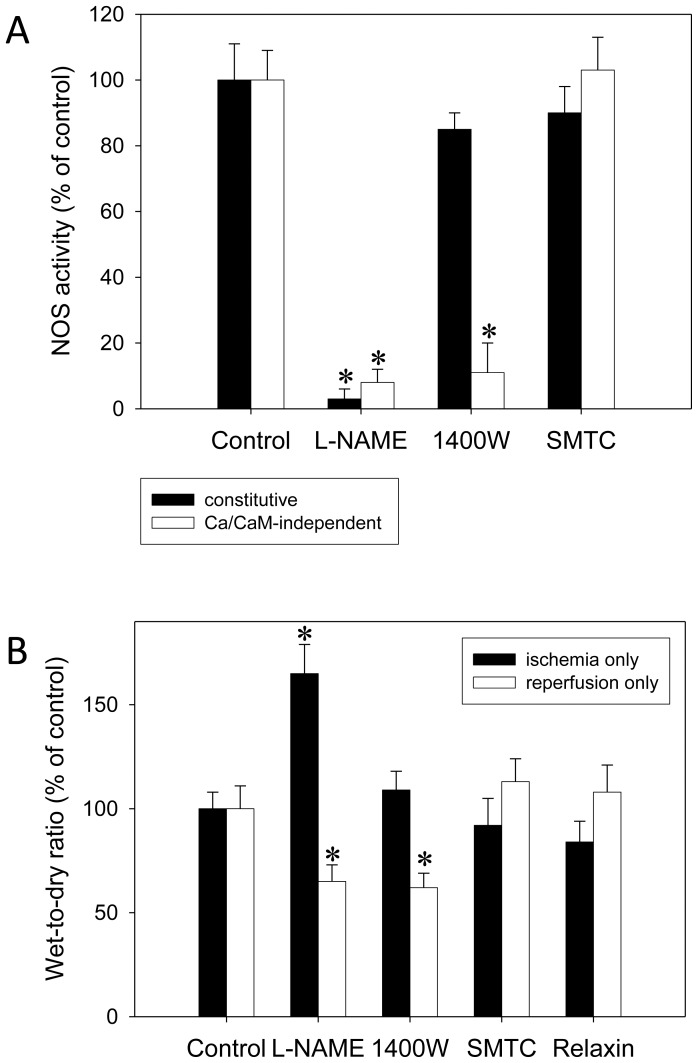
Figure 1. Validation of the selectivity of iNOS inhibition by 1400W.
Isolated rat lungs were perfused with buffer in recirculatory mode and underwent an IR cycle comprised of 90(A) NOS assays conducted in lung homogenates after IR experiments without intervention (n = 6 each) showing that 1400W inhibited iNOS (Ca/CaM-independent activity) with sufficient selectivity over constitutive NOS. L-NAME, a non-selective NOS inhibitor, was given at 100 µM, 1400W, a selective iNOS inhibitor, at 1 µM, and SMTC, an nNOS inhibitor, at 10 µM. (B) In another subset of lungs (n = 6 each), L-NAME, 1400W, SMTC, or relaxin (5 nM) were exclusively administered either during ischemia or during reperfusion. Here, the wet-to-dry ratio is shown which was representative for all other readouts. While L-NAME affected both ischemia and reperfusion 1400W impacted only on reperfusion; relaxin (when not applied during the full IR cycle) had no effect. There was no relevant effect of nNOS inhibition at all. P<0.05; *vs. control.
Figure 2
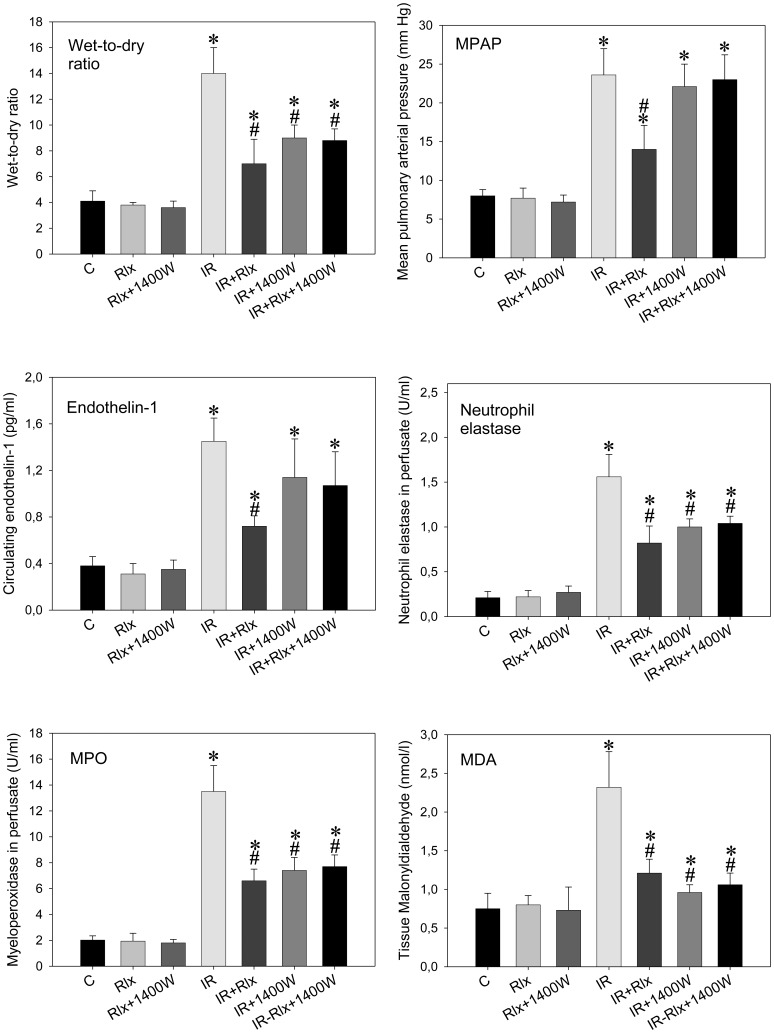
Figure 2. Selective iNOS inhibition by 1400W prevents relaxin-related protection.
Wet-to-dry weight ratio, mean pulmonary arterial pressure (MPAP), neutrophil elastase, myeloperoxidase (MPO), and endothelin-1 in perfusate, as well as tissue malonyldialdehyde (MDA) in isolated rat lungs perfused with buffer in recirculatory mode and subjected to 90 min ischemia followed by 90 min reperfusion. Experiments (n = 6 each) were carried out in the presence of vehicle (control), 5 nM of relaxin (Rlx), the selective iNOS inhibitor 1400W (1 µ), and combinations thereof. Both 1400W (IR+1400W) and relaxin (IR+Rlx) exerted beneficial effects; when applied in the presence of 1400W relaxin did not add protection (IR+Rlx+1400W). P<0.05; *vs. control; #vs. IR.
Figure 3
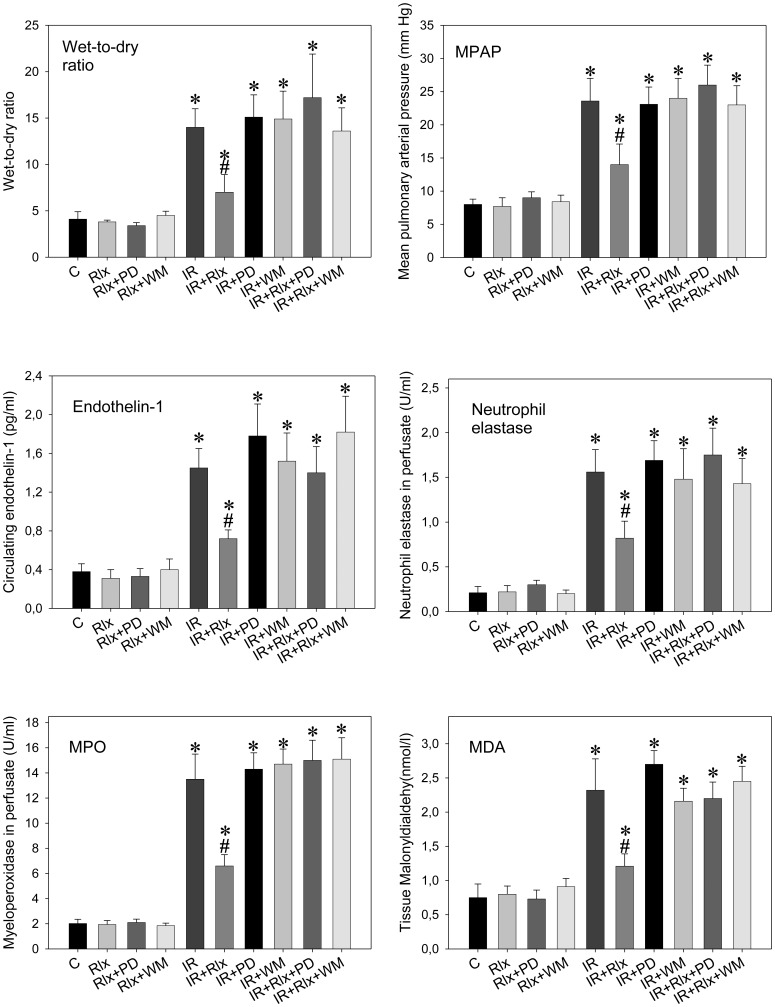
Figure 3. Both ERK-1/2 and PI3K inhibition abolishes relaxin’s protective effect.
Wet-to-dry weight ratio, mean pulmonary arterial pressure (MPAP), neutrophil elastase, myeloperoxidase (MPO), and endothelin-1 in perfusate, as well as tissue malonyldialdehyde (MDA) in isolated rat lungs perfused with buffer in recirculatory mode and subjected to 90 min ischemia followed by 90 min reperfusion. Experiments (n = 6 each) were carried out in the presence of vehicle (control), 5 nM of relaxin (Rlx), the ERK-1/2 inhibitor PD-98059 (PD) (50 µmol/l), the PI3K inhibitor wortmannin (WM) (100 nM), and combinations thereof. Inhibition of either ERK-1/2 or PI3K did not change IR (IR+PD and IR+WM) but completely prevented the effects of relaxin therein (IR+Rlx+PD and IR+Rlx+WM). P<0.05; *vs. control; #vs. IR.
Figure 4
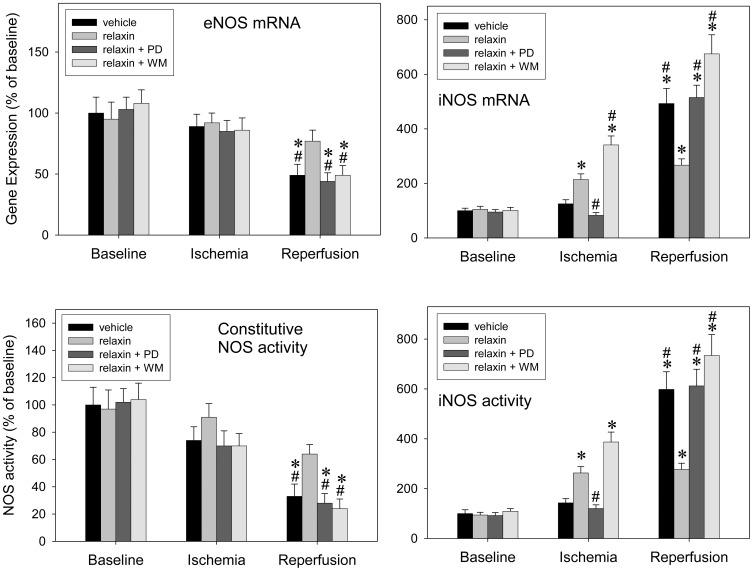
Figure 4. eNOS-iNOS cross-talk: relaxin-related stimulation of iNOS is mediated via ERK-1/2 and counter-balanced by PI3K.
Isolated rat lungs perfused with buffer in recirculatory mode were processed at baseline, after 90(n = 6 each) in order to determine gene expression (upper panel) and activity (lower panel) of eNOS and iNOS. Experiments were carried out in the presence of vehicle (control), 5 nM of relaxin, the ERK-1/2 inhibitor PD-98059 (PD) (50 µmol/l), the PI3K inhibitor wortmannin (WM) (100 nM), and combinations thereof. The natural course of IR, down-regulation of eNOS and up-regulation of iNOS in reperfusion, is altered by relaxin, into eNOS maintenance in reperfusion and early moderate iNOS induction in ischemia. Relaxin’s action is suppressed both by ERK-1/2 and PI3K inhibition. P<0.05; *vs. baseline; #vs. relaxin.
Figure 5
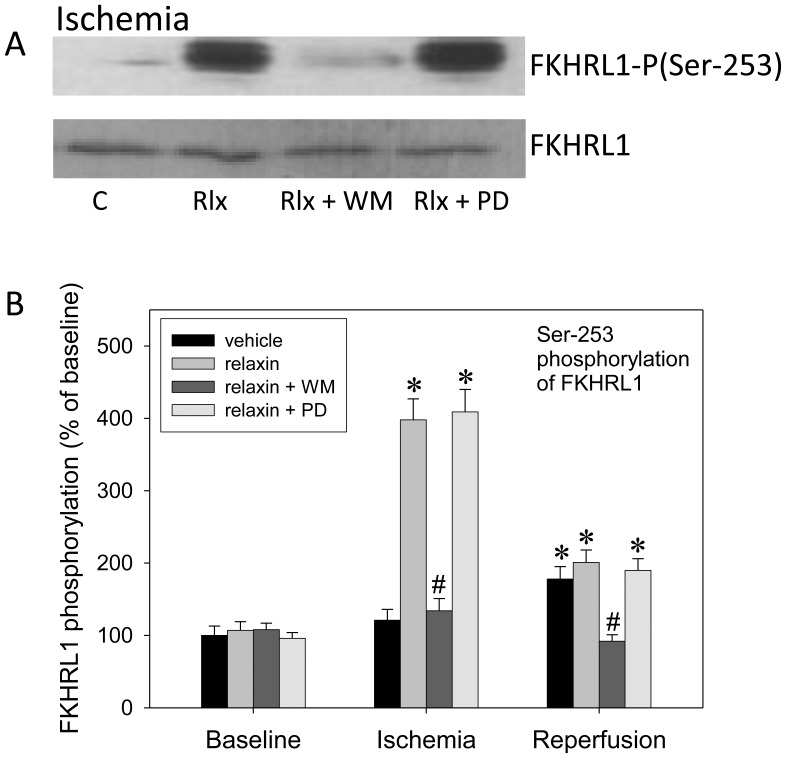
Figure 5. Relaxin, via PI3K, phosphorylates FKHRL-1.
Isolated rat lungs perfused with buffer in recirculatory mode were processed at baseline, after 90(n = 6 each) in order to determine protein expression (panel A) and Ser-253 phosphorylation (panel B) of the forkhead transcription factor, FKHRL1. Experiments were carried out in the presence of vehicle (control), 5 nM of relaxin, the ERK-1/2 inhibitor PD-98059 (PD) (50 µmol/l), the PI3K inhibitor wortmannin (WM) (100 nM), and combinations thereof. (A) Representative Western blot from lung homogenates produced after ischemia. (B) Quantification of Western blot data (n = 6 per group). Relaxin causes FKHRL-1 phosphorylation during ischemia in a PI3K (wortmannin)-dependent fashion; there is no dependence of ERK-1/2. P<0.05; *vs. baseline; #vs. relaxin.
Figure 6
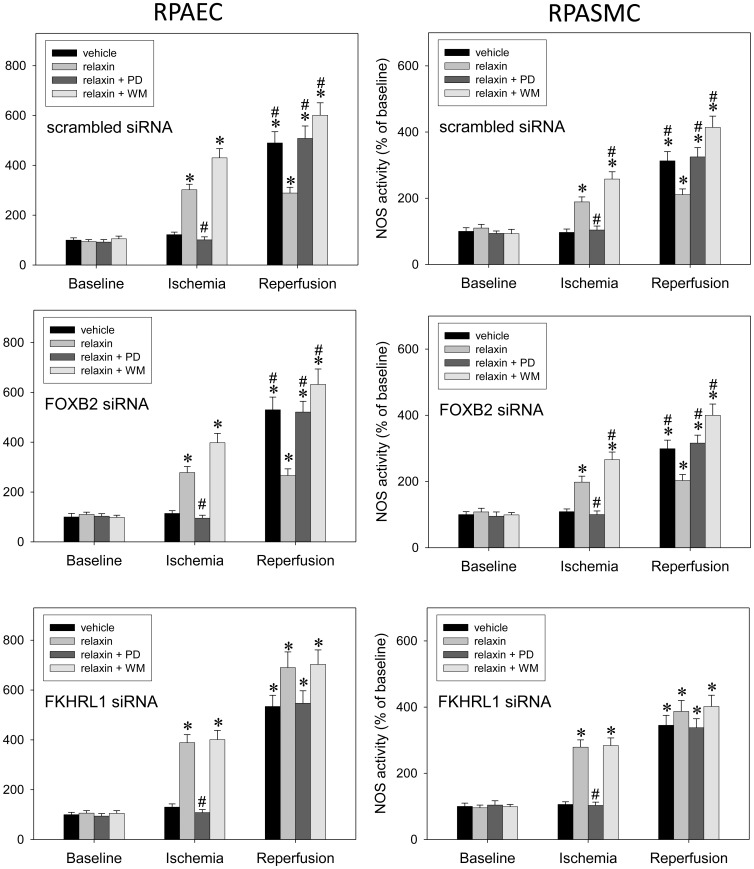
Figure 6. FKHRL1 is essential for relaxin signaling towards iNOS.
Primary rat pulmonary artery endothelial cells (RPAEC, left side) and rat pulmonary artery smooth muscle cells (RPASMC, right side) were processed at baseline, after 90 min hypoxia (5% oxygen), or after another 90 min of normoxia (n = 5 each) in order to determine iNOS activity. Experiments were carried out in the presence of vehicle (control), 5 nM of relaxin, the ERK-1/2 inhibitor PD-98059 (PD) (50 µmol/l), the PI3K inhibitor wortmannin (WM) (100 nM), and combinations thereof. Prior to experiments, cells had been transfected with scrambled siRNA (control), FOXB2 siRNA, or FKHRL1 siRNA. While both transfection with scrambled siRNA and knock-down of non-related forkhead factor, FOXB2, had no influence knock-down of FKHRL-1 abolished the susceptibility of relaxin’s effect towards PI3K inhibition in ischemia and equalized the extent of iNOS induction in reperfusion. P<0.05; *vs. baseline; #vs. relaxin.
Figure 7
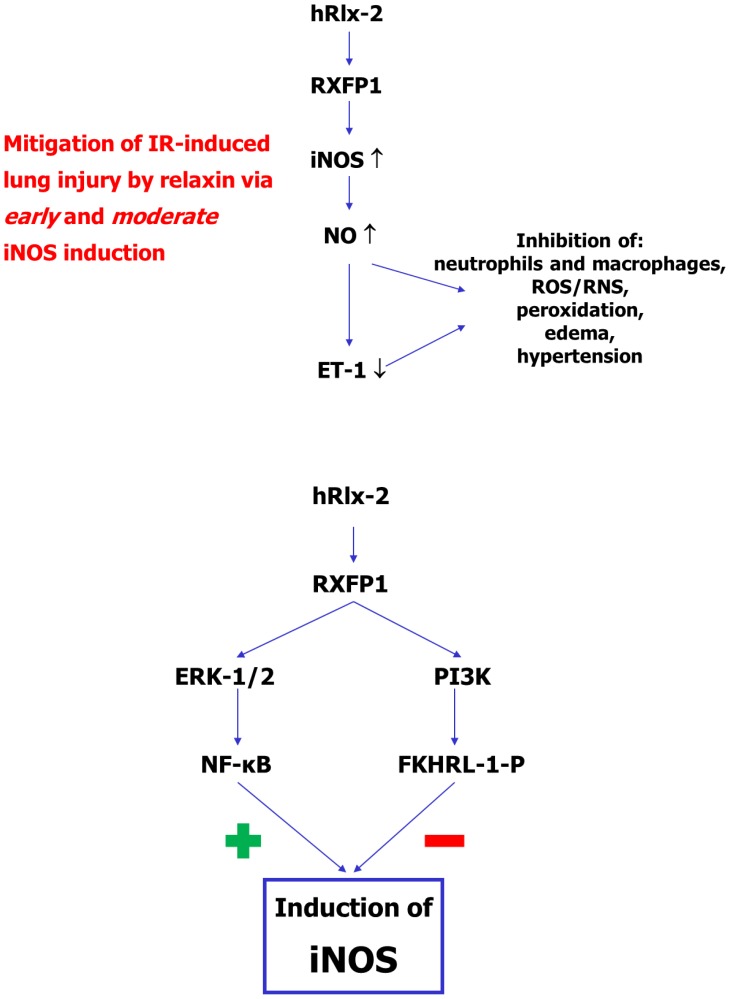
Figure 7. Summary of the proposed relaxin signaling during lung IR.
Upper panel: In a short-term IR cycle in rat isolated lungs, relaxin induced iNOS in a manner (early in ischemia but moderately in level) distinct from the natural course (later but marked in reperfusion). This moderately elevated NO generation suppresses the IR-related ET-1 surge, both effects act in concert to inhibit cell activation and subsequent tissue damage. Lower panel: Early and moderate iNOS induction by relaxin is dependent on a subtle balance between stimulatory ERK-1/2-NF-κB and inhibitory PI3K-FKHRL-1 pathways.

References

    1. Whitson BA, Prekker ME, Herrington CS, Whelan TP, Radosevich DM, et al. (2007) Primary graft dysfunction and long-term pulmonary function after lung transplantation. J Heart Lung Transplant 26: 1004–1011. - PubMed
    1. Sedoris KC, Ovechkin AV, Gozal E, Roberts AM (2009) Differential effects of nitric oxide synthesis on pulmonary vascular function during lung ischemia-reperfusion injury. Arch Physiol Biochem 115: 34–46. - PubMed
    1. Alexiou K, Matschke K, Westphal A, Stangl K, Dschietzig T (2010) Relaxin is a candidate drug for lung preservation: relaxin-induced protection of rat lungs from ischemia-reperfusion injury. J Heart Lung Transplant 29: 454–460. - PubMed
    1. Garvey EP, Oplinger JA, Furfine ES, Kiff RJ, Laszlo F, et al. (1997) 1400W is a slow, tight binding, and highly selective inhibitor of inducible nitric-oxide synthase in vitro and in vivo. J Biol Chem 272: 4959–4963. - PubMed
    1. Ichihara A, Inscho EW, Imig JD, Navar LG (1998) Neuronal nitric oxide synthase modulates rat renal microvascular function. Am J Physiol 274: 516–524. - PubMed

Publication types

MeSH terms

LinkOut - more resources