


Effects of radioactive caesium on bull testes after the Fukushima nuclear plant accident
- PMID: 24100305
- PMCID: PMC3792411
- DOI: 10.1038/srep02850
Effects of radioactive caesium on bull testes after the Fukushima nuclear plant accident
Abstract
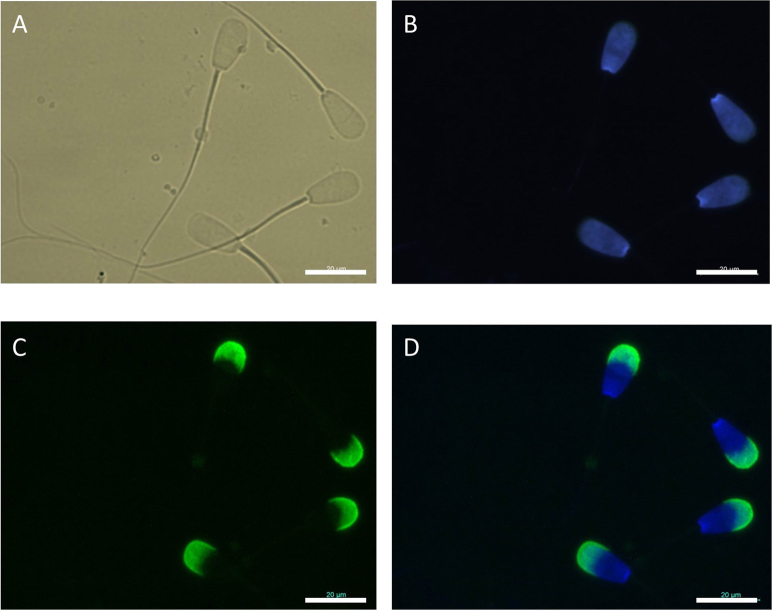
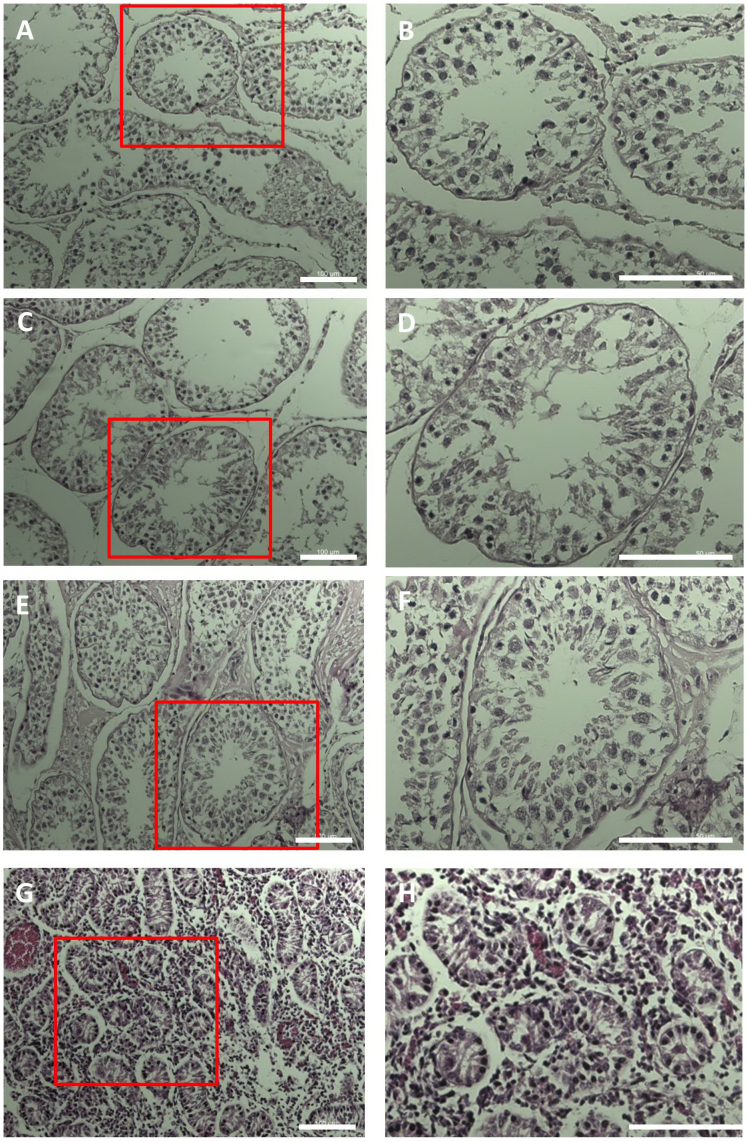
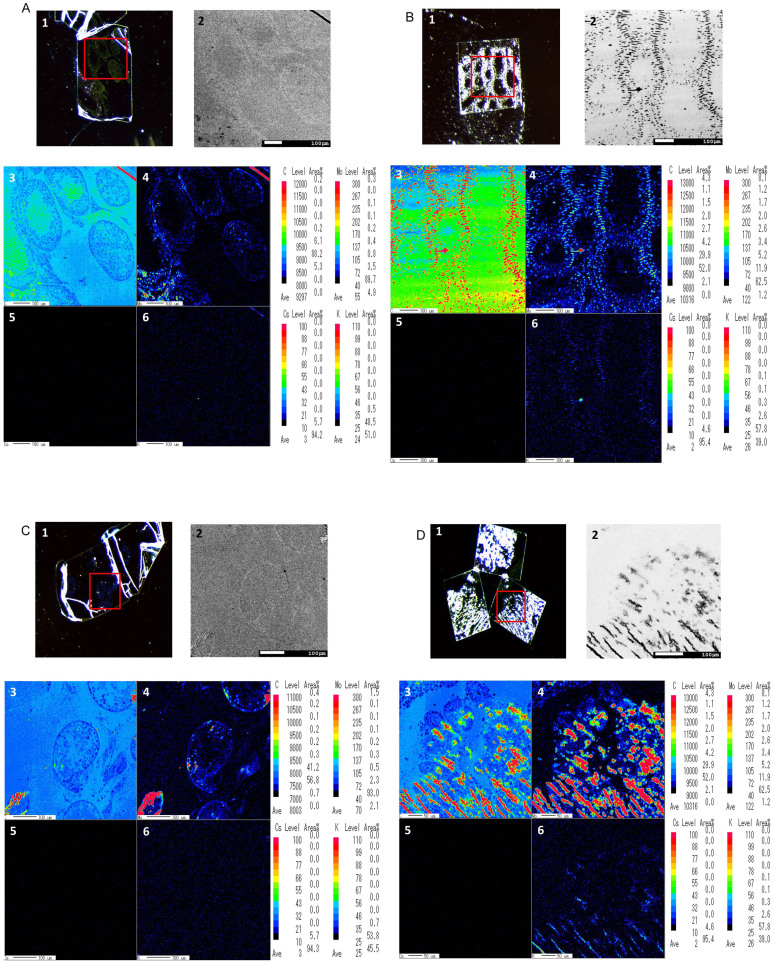
We aimed to investigate the effect of chronic radiation exposure associated with the Fukushima Daiichi Nuclear Plant accident on the testis from 2 bulls. Estimated dose of internal exposure in one bull was 0.7-1.2 mGy (¹³⁴Cs) and 0.4-0.6 mGy (¹³⁷Cs) and external exposure was 2.0 mGy (¹³⁴Cs) and 0.8 mGy (¹³⁷Cs) (196 days). Internal dose in the other was 3.2-6.1 mGy (¹³⁴Cs) and 1.8-3.4 mGy (¹³⁷Cs) and external dose was 1.3 mGy (¹³⁴Cs) and 0.6 mGy (¹³⁷Cs) (315 days). Sperm morphology and spermatogenesis were within normal ranges. ¹³⁴,¹³⁷Cs radioactivity was detected but Cs was not detectable in the testis by electron probe microanalysis. Thus, adverse radiation-induced effects were not observed in bull testes following chronic exposure to the above levels of radiation for up to 10 months. Since we could analyse a limited number of testes, further investigation on the effects of ionizing radiation on spermatogenesis should be extended to more animals.
Figures
References
-
- Mettler F. A. & Voelz G. L. Major radiation exposure – What to expect and how to respond. Engl. J. Med. 346, 1554–1561 (2002). - PubMed
-
- Chute J. P. To survive radiation injury, remember your aPCs. Nat. Med. 18, 1013–1014 (2012). - PubMed
-
- Otala M. et al. Protection from Radiation-Induced Male Germ Cell Loss by Sphingosine-1-Phosphate. Biol. Reprod. 70, 759–767 (2004). - PubMed
Publication types
MeSH terms
Substances
LinkOut - more resources
Full Text Sources
Other Literature Sources
