


Whole brain radiation-induced vascular cognitive impairment: mechanisms and implications
- PMID: 24107797
- PMCID: PMC4309372
- DOI: 10.1159/000354227
Whole brain radiation-induced vascular cognitive impairment: mechanisms and implications
Abstract
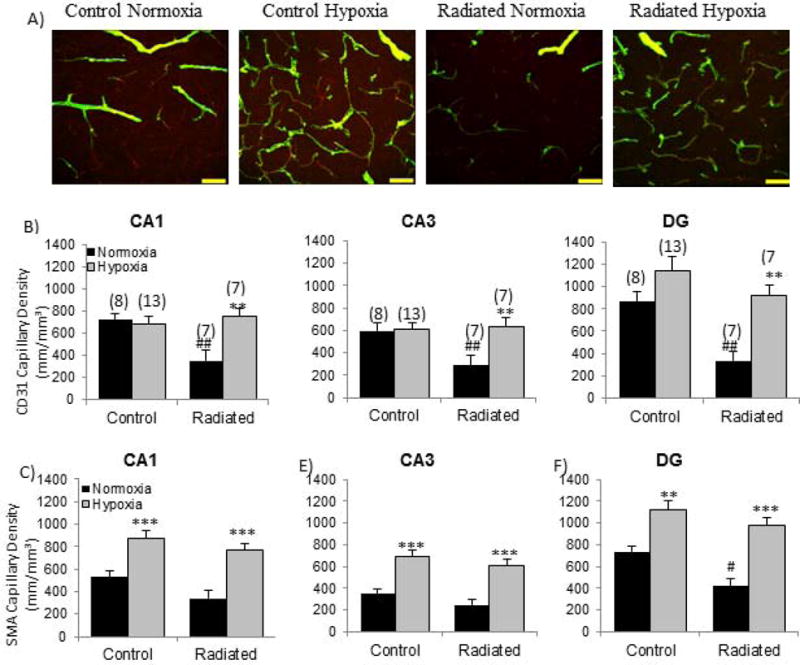
Mild cognitive impairment is a well-documented consequence of whole brain radiation therapy (WBRT) that affects 40-50% of long-term brain tumor survivors. The exact mechanisms for the decline in cognitive function after WBRT remain elusive and no treatment or preventative measures are available for use in the clinic. Here, we review recent findings indicating how changes in the neurovascular unit may contribute to the impairments in learning and memory. In addition to affecting neuronal development, WBRT induces profound capillary rarefaction within the hippocampus - a region of the brain important for learning and memory. Therapeutic strategies such as hypoxia, which restore the capillary density, result in the rescue of cognitive function. In addition to decreasing vascular density, WBRT impairs vasculogenesis and/or angiogenesis, which may also contribute to radiation-induced cognitive decline. Further studies aimed at uncovering the specific mechanisms underlying these WBRT-induced changes in the cerebrovasculature are essential for developing therapies to mitigate the deleterious effects of WBRT on cognitive function.
© 2013 S. Karger AG, Basel.
Conflict of interest statement
Figures
References
-
- American Cancer Society. Cancer Facts & Figures 2013. American Cancer Society; 2013.
-
- American Brain Tumor Association. Facts & Statistics, 2013 2013
-
- Zhang X, et al. A Review of Current Management of Brain Metastases. Annals of surgical oncology 2011 - PubMed
-
- Khuntia D, et al. Whole-brain radiotherapy in the management of brain metastasis. J Clin Oncol. 2006;24:1295–1304. - PubMed
-
- Robbins M, et al. Radiation-induced kidney injury: a role for chronic oxidative stress? Micron. 2002;33:133–141. - PubMed
Publication types
MeSH terms
Grants and funding
LinkOut - more resources
Full Text Sources
Other Literature Sources
