


Nitric oxide-sensing H-NOX proteins govern bacterial communal behavior
- PMID: 24113192
- PMCID: PMC3819143
- DOI: 10.1016/j.tibs.2013.08.008
Nitric oxide-sensing H-NOX proteins govern bacterial communal behavior
Abstract
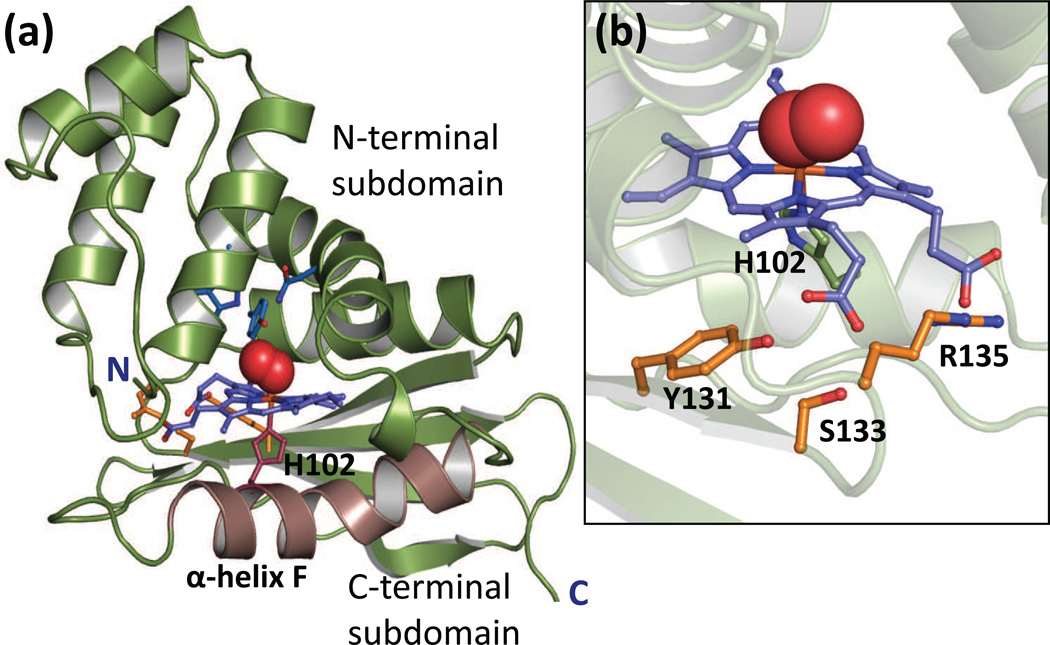
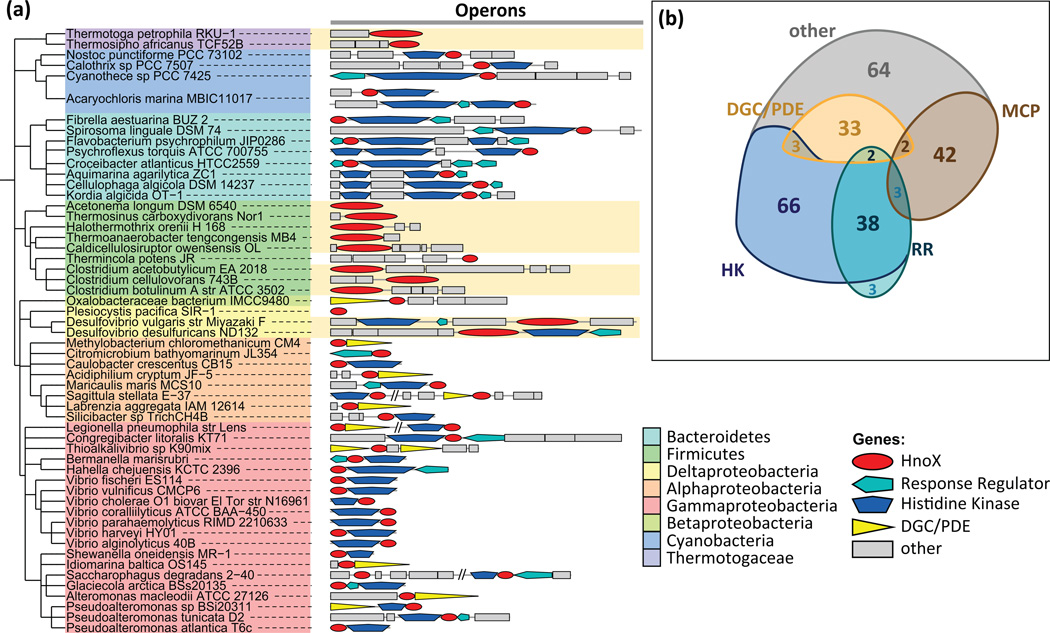
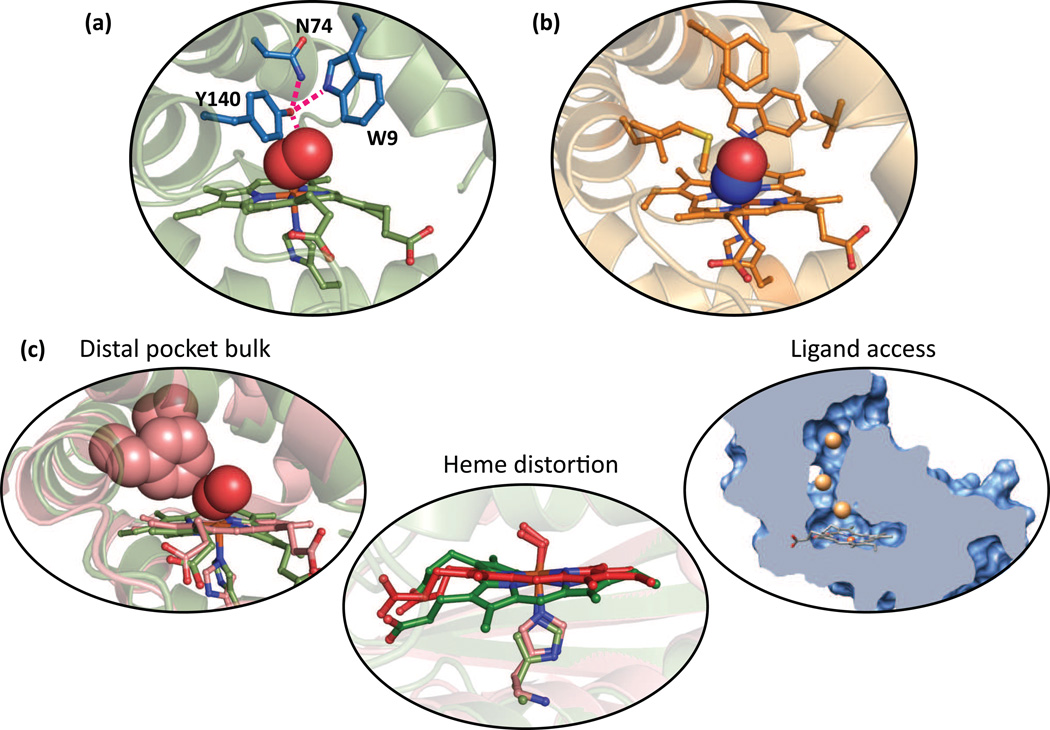
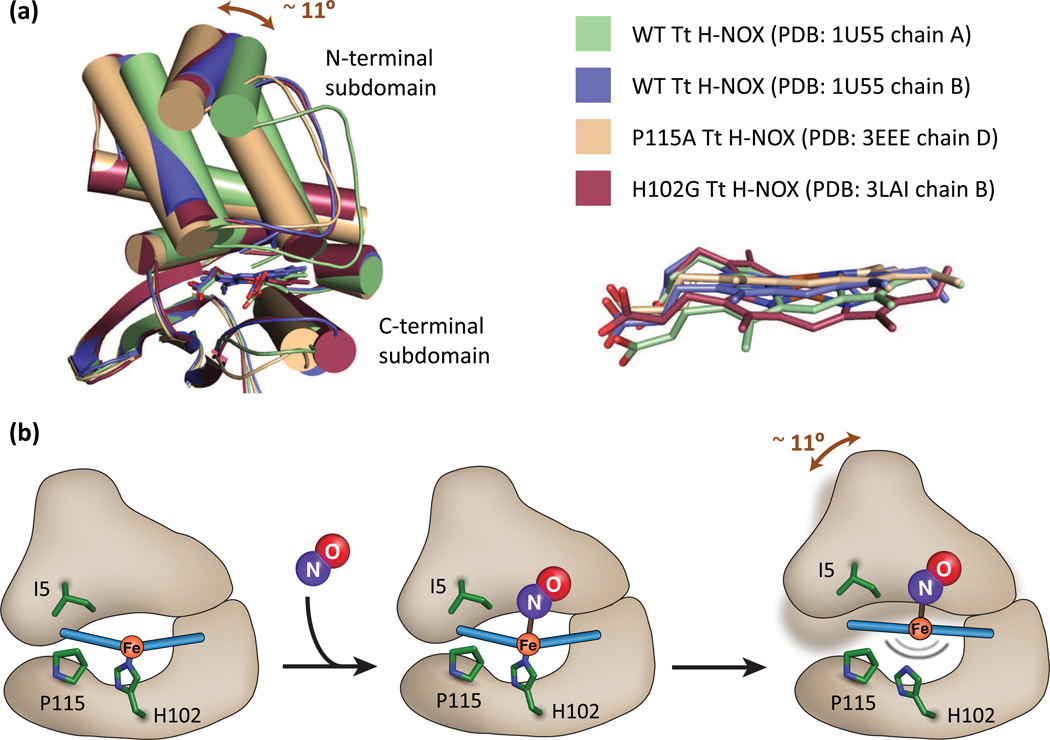
Heme-nitric oxide/oxygen binding (H-NOX) domains function as sensors for the gaseous signaling agent nitric oxide (NO) in eukaryotes and bacteria. Mammalian NO signaling is well characterized and involves the H-NOX domain of soluble guanylate cyclase. In bacteria, H-NOX proteins interact with bacterial signaling proteins in two-component signaling systems or in cyclic-di-GMP metabolism. Characterization of several downstream signaling processes has shown that bacterial H-NOX proteins share a common role in controlling important bacterial communal behaviors in response to NO. The H-NOX pathways regulate motility, biofilm formation, quorum sensing, and symbiosis. Here, we review the latest structural and mechanistic studies that have elucidated how H-NOX domains selectively bind NO and transduce ligand binding into conformational changes that modulate activity of signaling partners. Furthermore, we summarize the recent advances in understanding the physiological function and biochemical details of the H-NOX signaling pathways.
Keywords: H-NOX; biofilm; cyclic-di-GMP; nitric oxide; quorum sensing; two-component signaling.
Copyright © 2013 Elsevier Ltd. All rights reserved.
Figures


References
-
- Derbyshire ER, Marletta MA. Biochemistry of soluble guanylate cyclase. In: Schmidt H, editor. cGMP: Generators, Effectors and Therapeutic Implications. Handbook of experimental pharmacology; 2009. pp. 17–31. - PubMed
-
- MacMicking J, et al. Nitric oxide and macrophage function. Annu. Rev. Immunol. 1997;15:323–350. - PubMed
-
- Sudhamsu J, Crane BR. Bacterial nitric oxide synthases: what are they good for? Trends Microbiol. 2009;17:212–218. - PubMed
-
- Spiro S. Regulators of bacterial responses to nitric oxide. FEMS Microbiol. Rev. 2007;31:193–211. - PubMed
Publication types
MeSH terms
Substances
Grants and funding
LinkOut - more resources
Full Text Sources
Other Literature Sources
