


In vivo epithelial wound repair requires mobilization of endogenous intracellular and extracellular calcium
- PMID: 24121509
- PMCID: PMC3837106
- DOI: 10.1074/jbc.M113.488098
In vivo epithelial wound repair requires mobilization of endogenous intracellular and extracellular calcium
Abstract
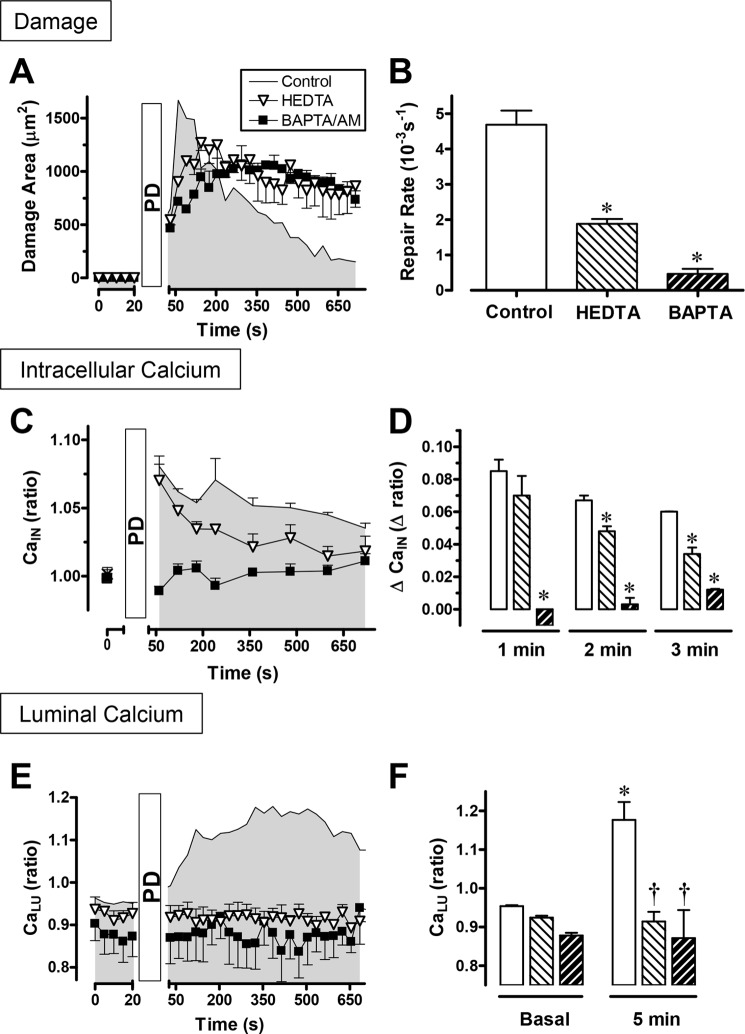
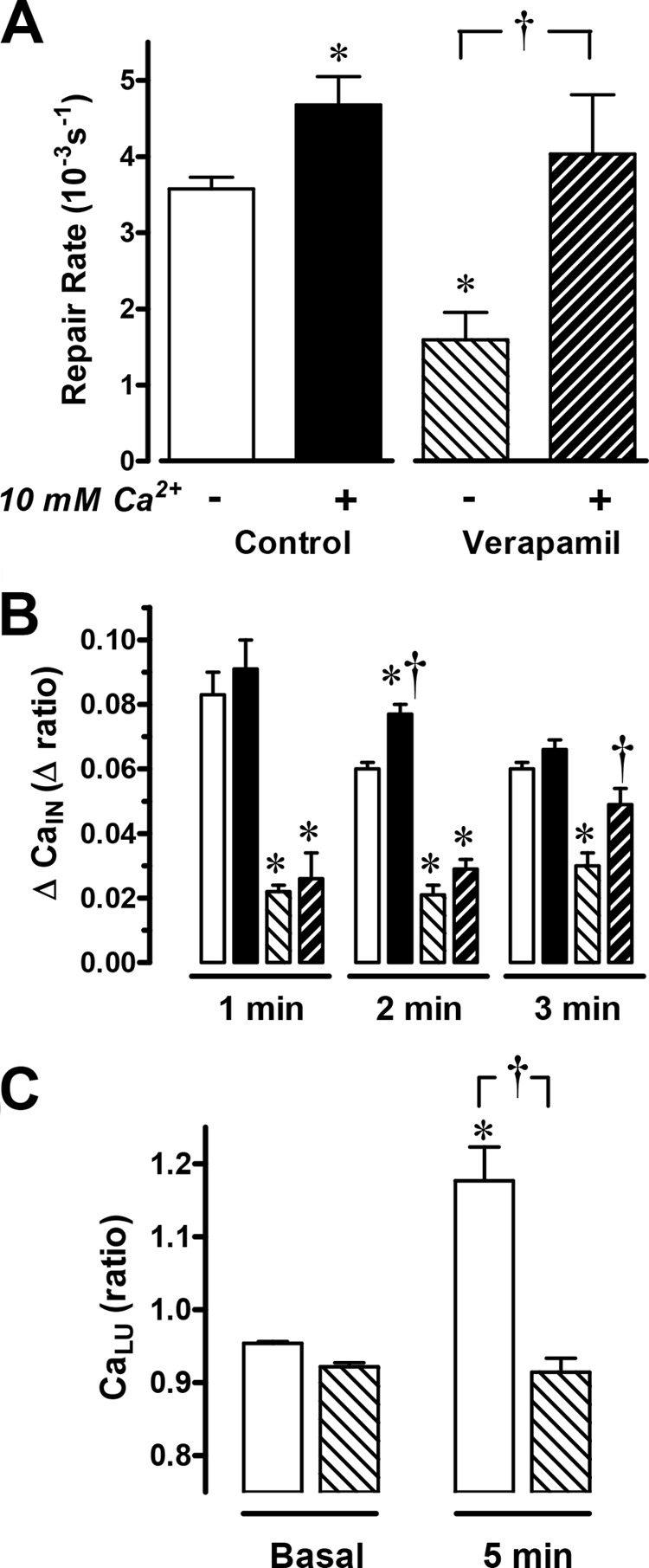
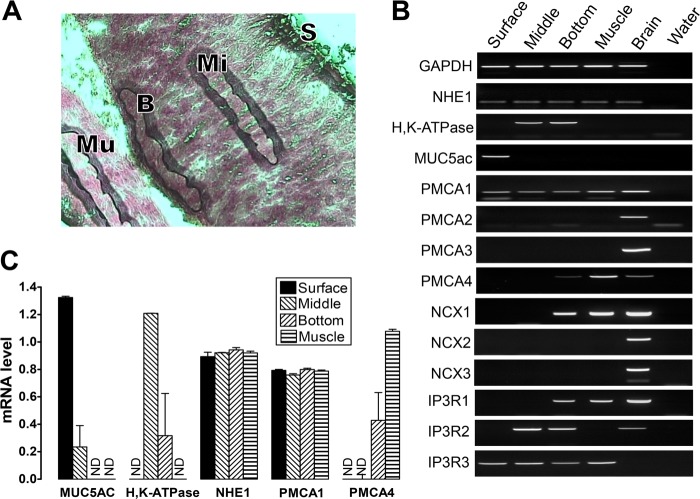
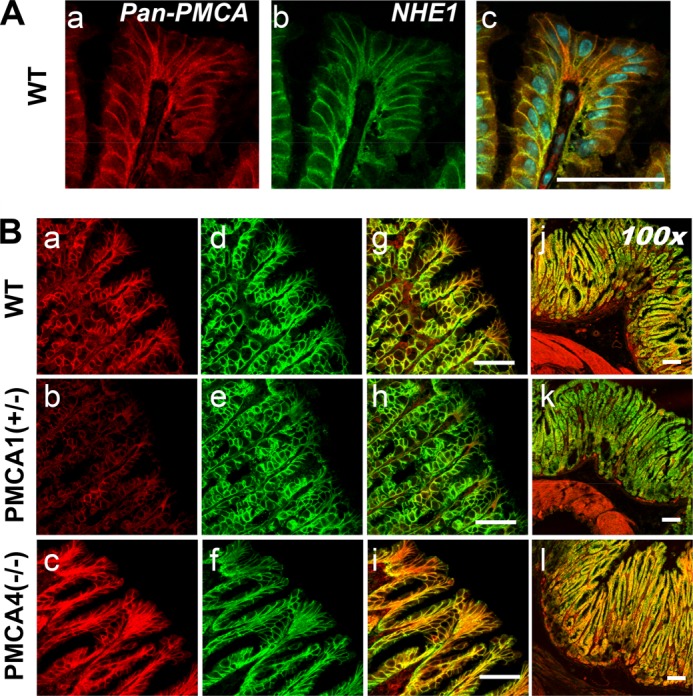
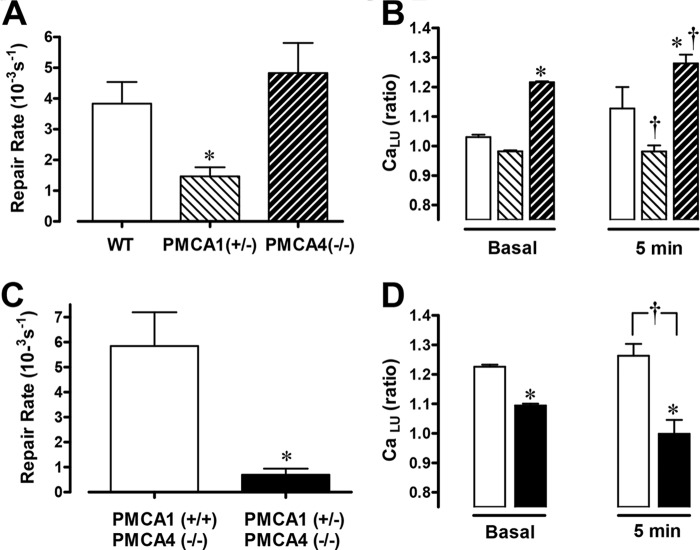
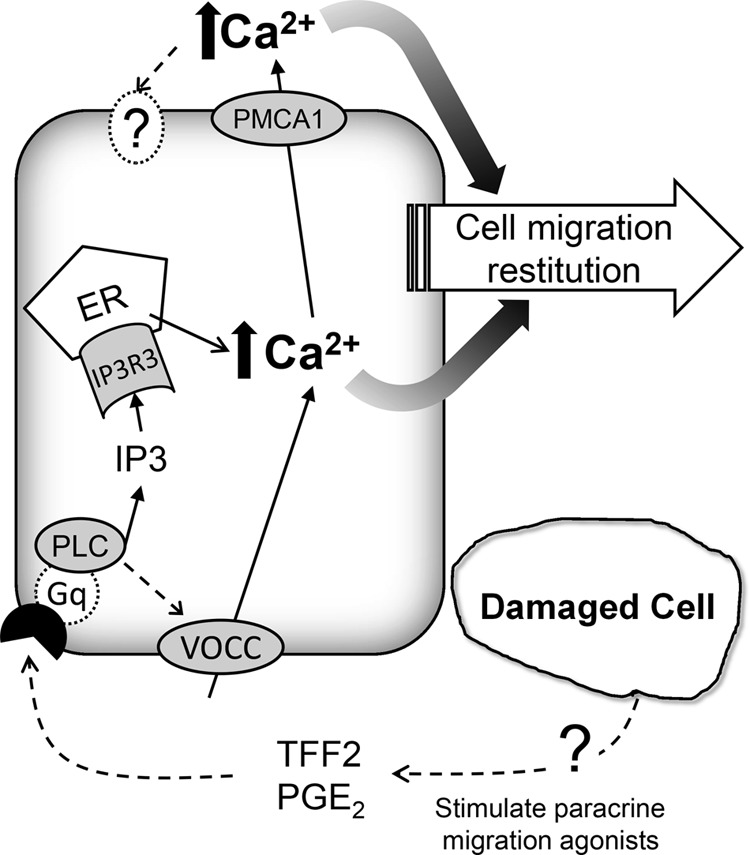
We report that a localized intracellular and extracellular Ca(2+) mobilization occurs at the site of microscopic epithelial damage in vivo and is required to mediate tissue repair. Intravital confocal/two-photon microscopy continuously imaged the surgically exposed stomach mucosa of anesthetized mice while photodamage of gastric epithelial surface cells created a microscopic lesion that healed within 15 min. Transgenic mice with an intracellular Ca(2+)-sensitive protein (yellow cameleon 3.0) report that intracellular Ca(2+) selectively increases in restituting gastric epithelial cells adjacent to the damaged cells. Pretreatment with U-73122, indomethacin, 2-aminoethoxydiphenylborane, or verapamil inhibits repair of the damage and also inhibits the intracellular Ca(2+) increase. Confocal imaging of Fura-Red dye in luminal superfusate shows a localized extracellular Ca(2+) increase at the gastric surface adjacent to the damage that temporally follows intracellular Ca(2+) mobilization. Indomethacin and verapamil also inhibit the luminal Ca(2+) increase. Intracellular Ca(2+) chelation (1,2-bis(o-aminophenoxy)ethane-N,N,N',N'-tetraacetic acid/acetoxymethyl ester, BAPTA/AM) fully inhibits intracellular and luminal Ca(2+) increases, whereas luminal calcium chelation (N-(2-hydroxyetheyl)-ethylendiamin-N,N,N'-triacetic acid trisodium, HEDTA) blocks the increase of luminal Ca(2+) and unevenly inhibits late-phase intracellular Ca(2+) mobilization. Both modes of Ca(2+) chelation slow gastric repair. In plasma membrane Ca-ATPase 1(+/-) mice, but not plasma membrane Ca-ATPase 4(-/-) mice, there is slowed epithelial repair and a diminished gastric surface Ca(2+) increase. We conclude that endogenous Ca(2+), mobilized by signaling pathways and transmembrane Ca(2+) transport, causes increased Ca(2+) levels at the epithelial damage site that are essential to gastric epithelial cell restitution in vivo.
Keywords: Calcium; Calcium Imaging; Calcium Signaling; Cell Migration; Fluorescence Resonance Energy Transfer (FRET); Fura Red; Photodamage; Two-photon Microscopy; Yellow Cameleon.
Figures
References
-
- Belkacemi L., Bédard I., Simoneau L., Lafond J. (2005) Calcium channels, transporters and exchangers in placenta. A review. Cell Calcium 37, 1–8 - PubMed
-
- Hofer A. M. (2005) Another dimension to calcium signaling. A look at extracellular calcium. J. Cell Sci. 118, 855–862 - PubMed
-
- Critchlow J., Magee D., Ito S., Takeuchi K., Silen W. (1985) Requirements for restitution of the surface epithelium of frog stomach after mucosal injury. Gastroenterology 88, 237–249 - PubMed
-
- Cheng A. M., Morrison S. W., Yang D. X., Hagen S. J. (2001) Energy dependence of restitution in the gastric mucosa. Am. J. Physiol. Cell Physiol. 281, C430–438 - PubMed
Publication types
MeSH terms
Substances
Grants and funding
LinkOut - more resources
Full Text Sources
Other Literature Sources
Miscellaneous
