


Recurrent inactivation of STAG2 in bladder cancer is not associated with aneuploidy
- PMID: 24121791
- PMCID: PMC3840052
- DOI: 10.1038/ng.2799
Recurrent inactivation of STAG2 in bladder cancer is not associated with aneuploidy
Abstract
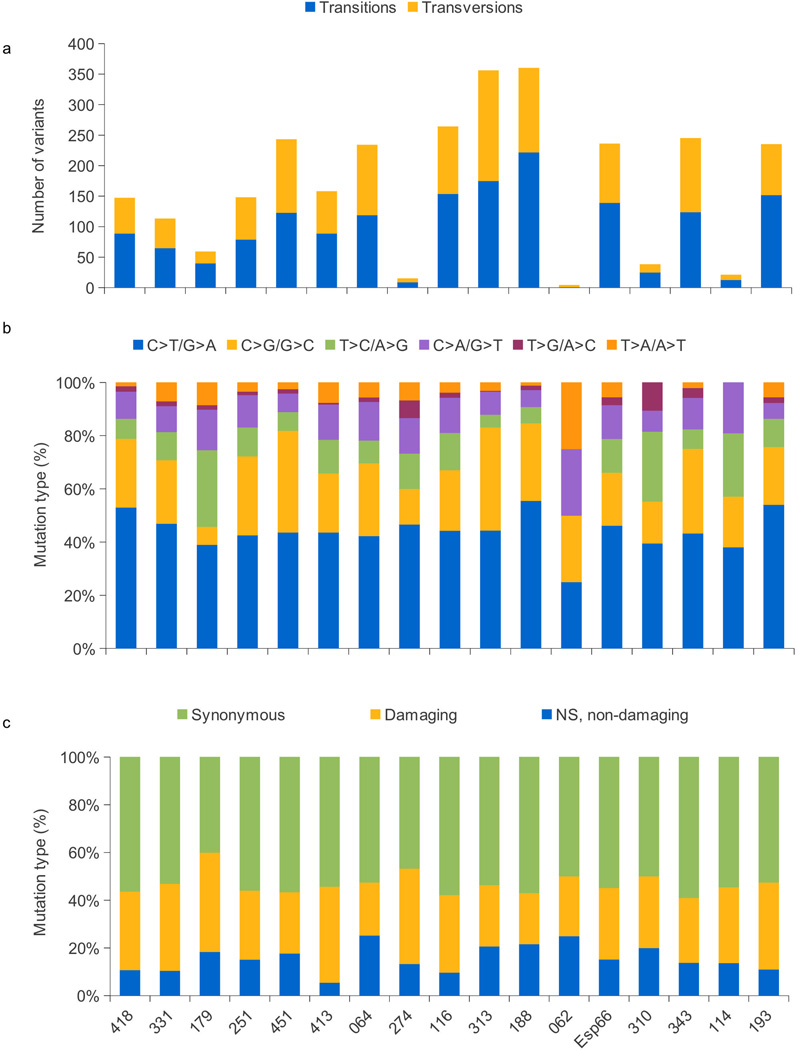
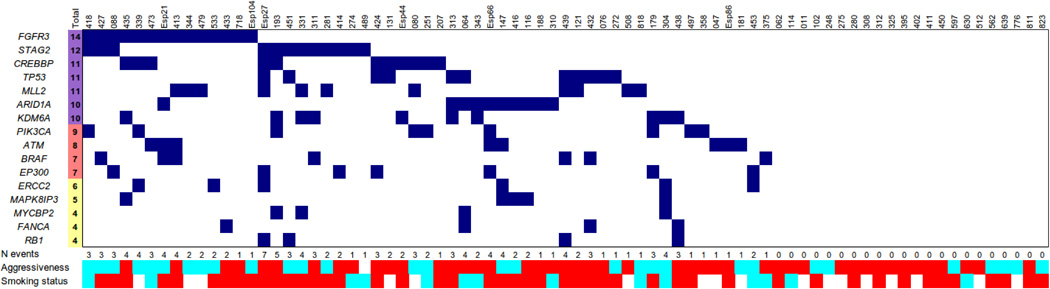
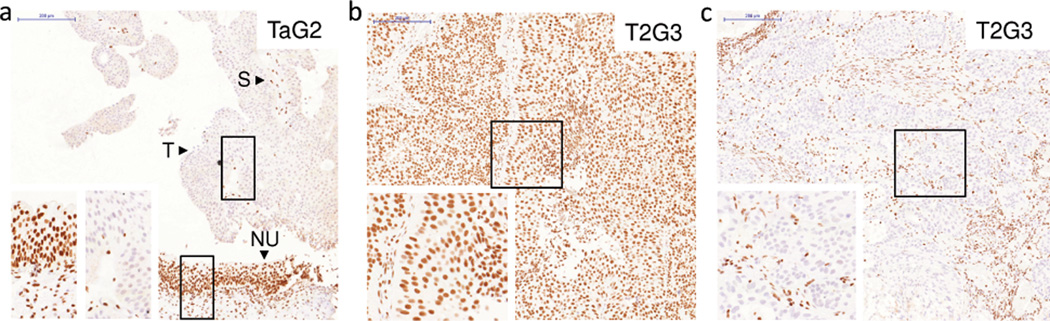
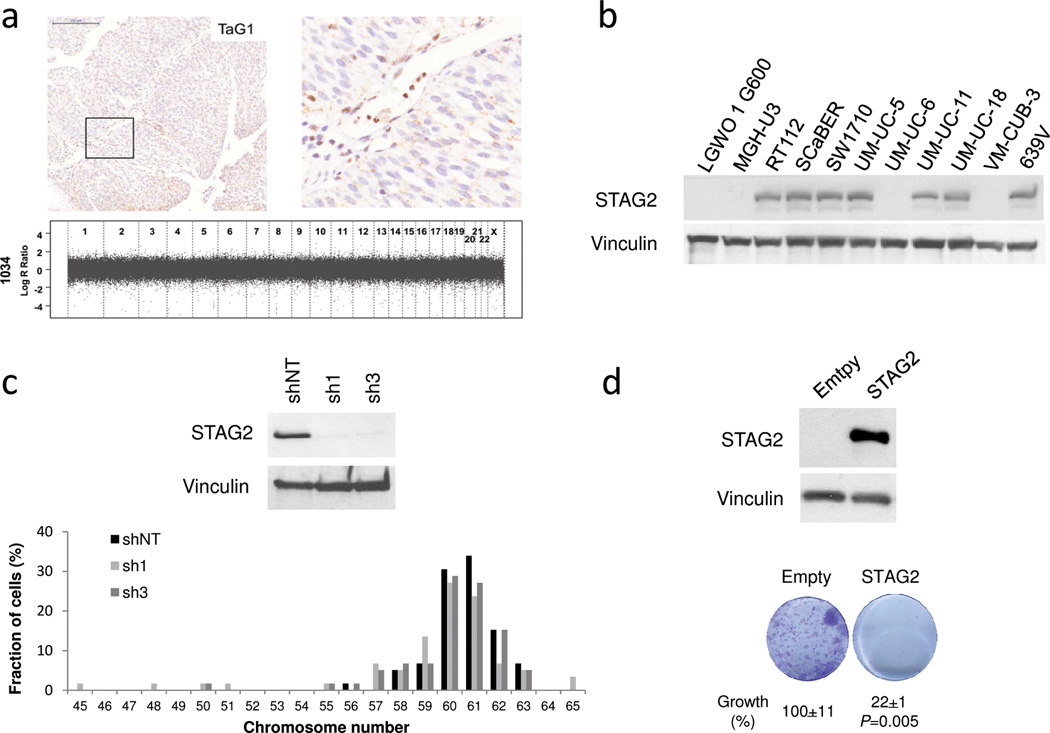
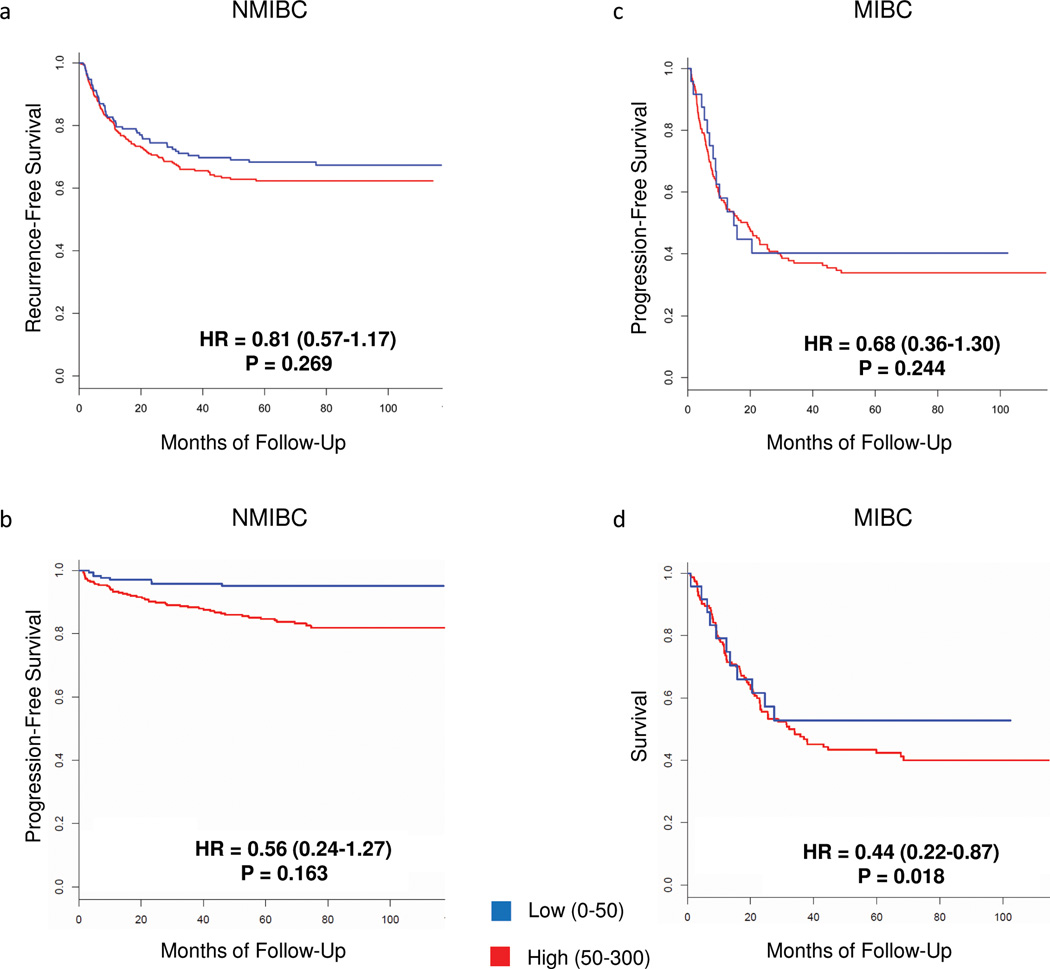
Urothelial bladder cancer (UBC) is heterogeneous at the clinical, pathological and genetic levels. Tumor invasiveness (T) and grade (G) are the main factors associated with outcome and determine patient management. A discovery exome sequencing screen (n = 17), followed by a prevalence screen (n = 60), identified new genes mutated in this tumor coding for proteins involved in chromatin modification (MLL2, ASXL2 and BPTF), cell division (STAG2, SMC1A and SMC1B) and DNA repair (ATM, ERCC2 and FANCA). STAG2, a subunit of cohesin, was significantly and commonly mutated or lost in UBC, mainly in tumors of low stage or grade, and its loss was associated with improved outcome. Loss of expression was often observed in chromosomally stable tumors, and STAG2 knockdown in bladder cancer cells did not increase aneuploidy. STAG2 reintroduction in non-expressing cells led to reduced colony formation. Our findings indicate that STAG2 is a new UBC tumor suppressor acting through mechanisms that are different from its role in preventing aneuploidy.
Figures
Comment in
-
Bladder cancer: STAG2 in the spotlight--have genomic studies identified a plausible biomarker?Nat Rev Urol. 2013 Dec;10(12):675. doi: 10.1038/nrurol.2013.253. Epub 2013 Nov 5. Nat Rev Urol. 2013. PMID: 24189933 No abstract available.
-
Frequent truncating mutations of STAG2 in bladder cancer.Urology. 2014 Apr;83(4):691-2. doi: 10.1016/j.urology.2013.11.027. Epub 2014 Jan 31. Urology. 2014. PMID: 24486001 No abstract available.
References
-
- Luis NM, Lopez-Knowles E, Real FX. Molecular biology of bladder cancer. Clin. Transl. Oncol. 2007;9:5–12. - PubMed
-
- Hernández S, et al. FGFR3 mutations as a prognostic factor in non-muscle invasive urothelial bladder carcinomas: results of a prospective study. J. Clin. Oncol. 2006;24:3664–3671. - PubMed
-
- López-Knowles E, et al. PIK3CA mutations are an early genetic alteration associated with FGFR3 mutations in superficial papillary bladder tumors. Cancer Res. 2006;66:7401–7404. - PubMed
-
- Real FX. p53: it has it all, but will it make to the clinic as a marker in bladder cancer? J. Clin. Oncol. 2007;25:5341–5344. - PubMed
Publication types
MeSH terms
Substances
Associated data
Grants and funding
LinkOut - more resources
Full Text Sources
Other Literature Sources
Medical
Molecular Biology Databases
Research Materials
Miscellaneous
