Long-term testosterone therapy in hypogonadal men ameliorates elements of the metabolic syndrome: an observational, long-term registry study
- PMID: 24127736
- PMCID: PMC4282282
- DOI: 10.1111/ijcp.12319
Long-term testosterone therapy in hypogonadal men ameliorates elements of the metabolic syndrome: an observational, long-term registry study
Abstract
Aim: The goal of this study was to determine if long-term testosterone (T) therapy in men with hypogonadism, henceforth referred to as testosterone deficiency (TD), ameliorates or improves metabolic syndrome (MetS) components.
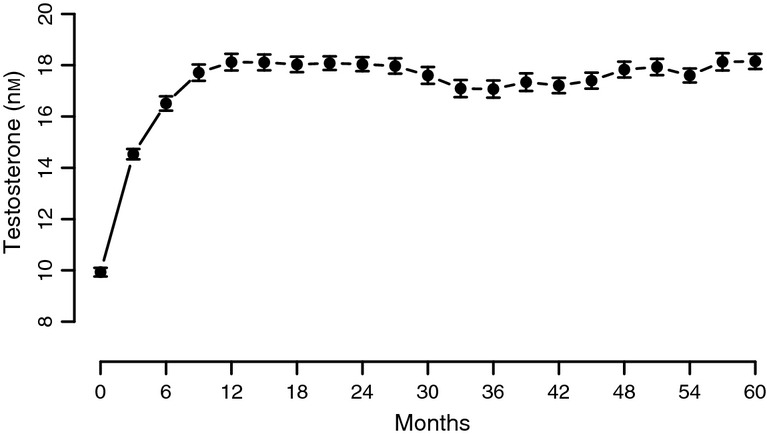
Methods: We performed a cumulative registry study of 255 men, aged between 33 and 69 years (mean 58.02 ± 6.30) with subnormal plasma total T levels (mean: 9.93 ± 1.38; range: 5.89-12.13 nmol/l) as well as at least mild symptoms of TD assessed by the Aging Males' symptoms scale. All men received treatment with parenteral T undecanoate 1000 mg (Nebido(®) , Bayer Pharma, Berlin, Germany), administered at baseline and 6 weeks and thereafter every 12 weeks for up to 60 months. Lipids, glucose, liver enzymes and haemoglobin A1c analyses were carried out in a commercial laboratory. Anthropometric measurements were also made throughout the study period.
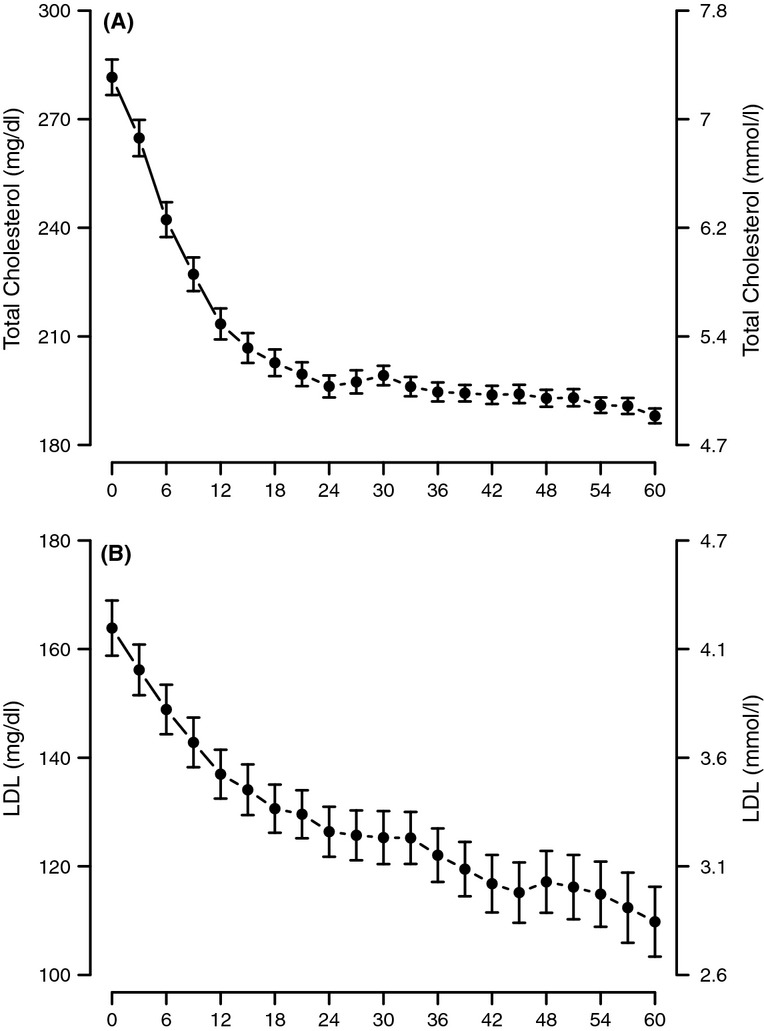
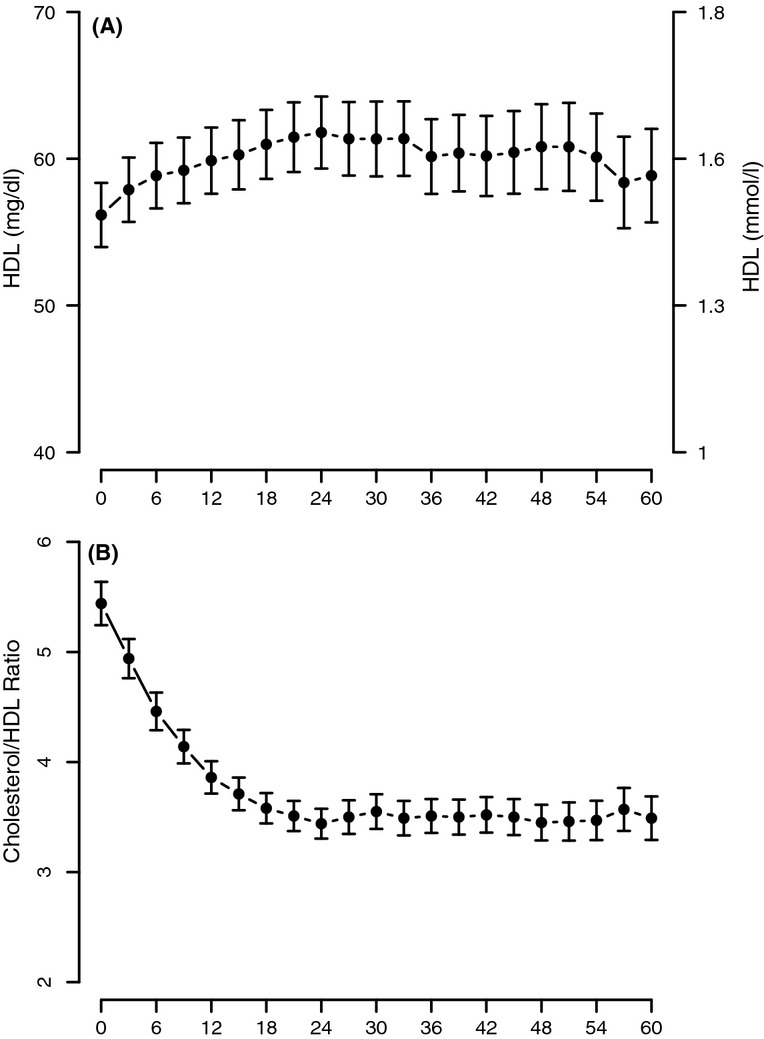
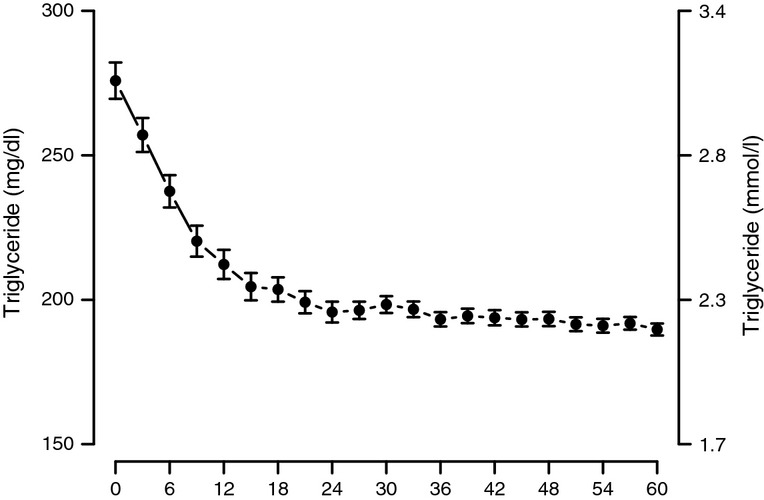
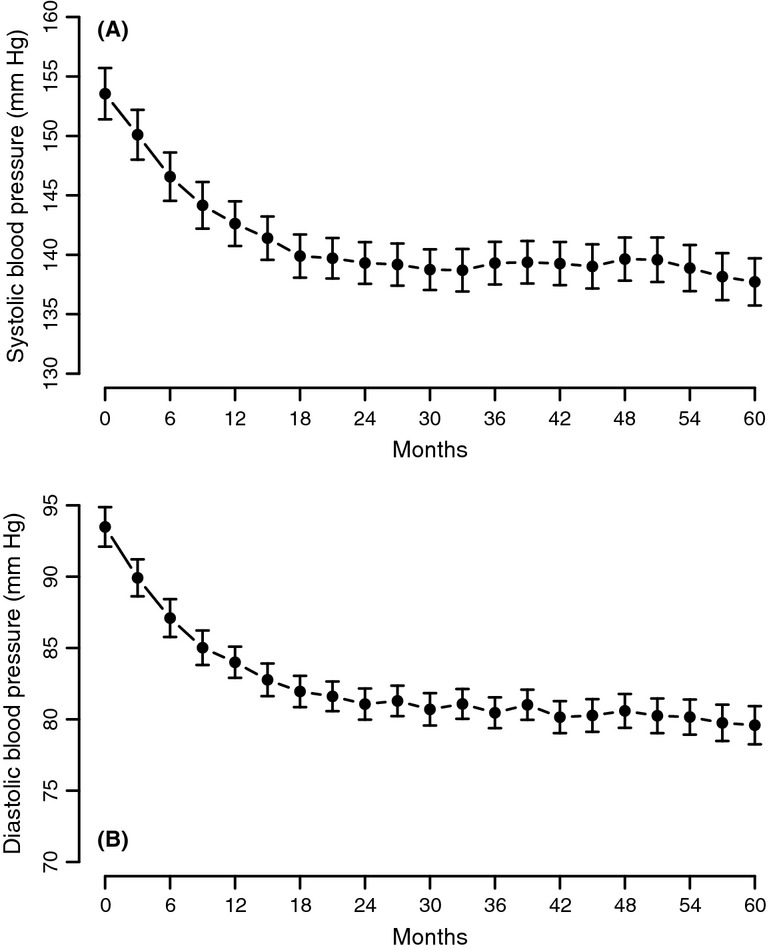
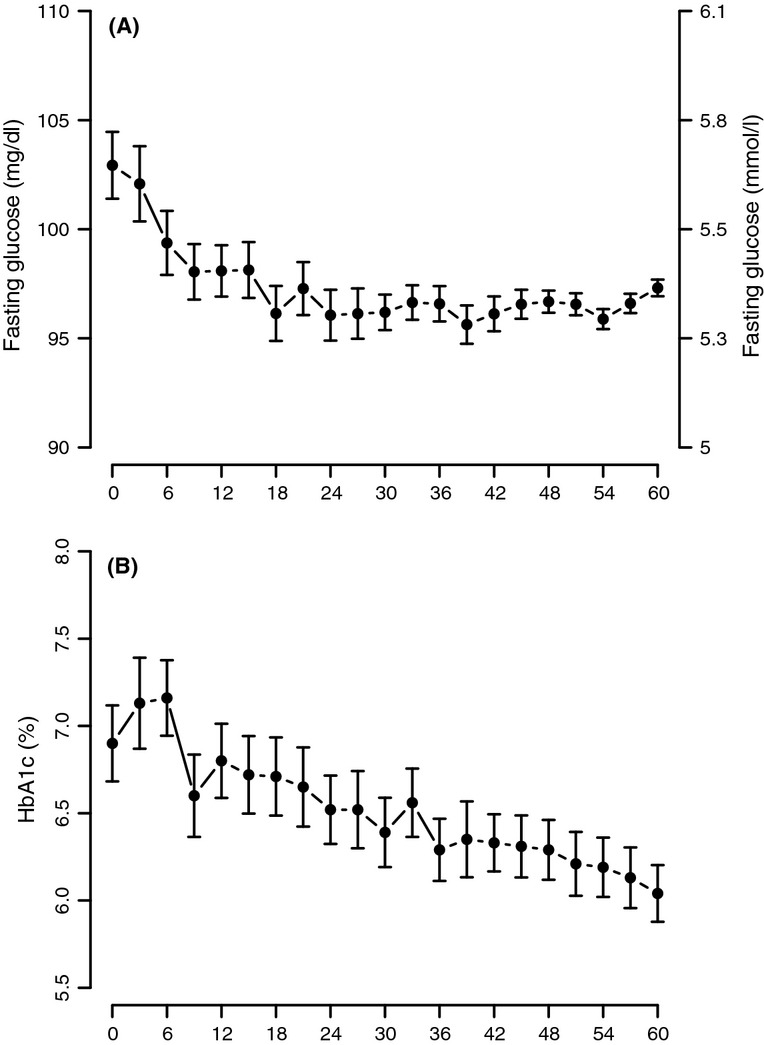
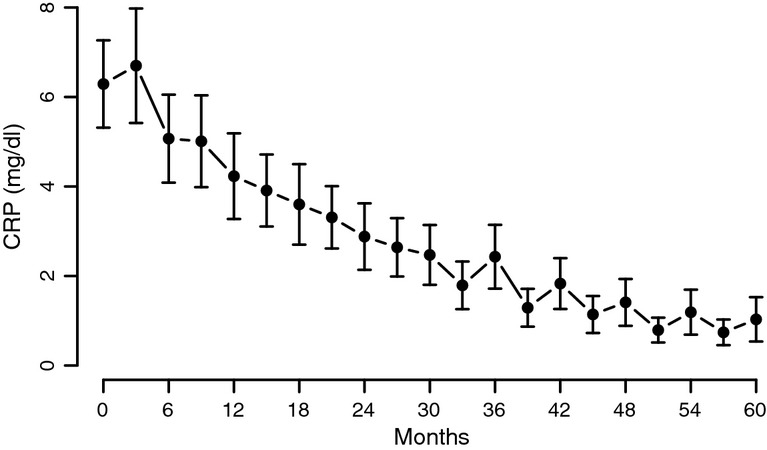
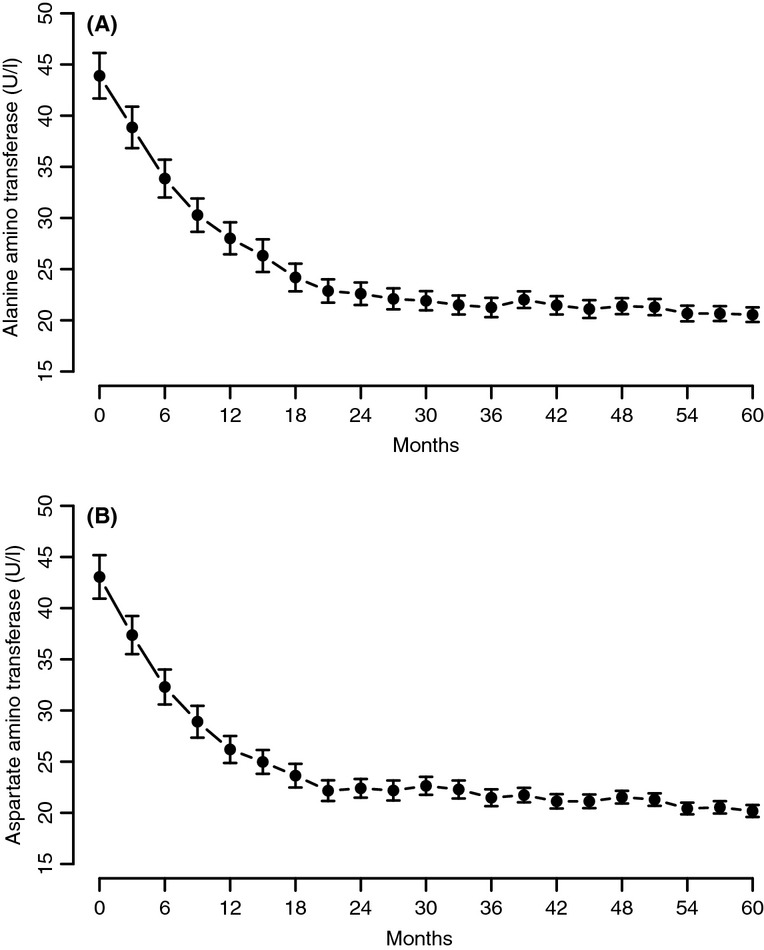
Results: Testosterone therapy restored physiological T levels and resulted in reductions in total cholesterol (TC) [7.29 ± 1.03 to 4.87 ± 0.29 mmol/l (281.58 ± 39.8 to 188.12 ± 11.31 mg/dl)], low-density lipoprotein cholesterol [4.24 ± 1.07 to 2.84 ± 0.92 mmol/l (163.79 ± 41.44 to 109.84 ± 35.41 mg/dl)], triglycerides [3.14 ± 0.58 to 2.16 ± 0.13 mmol/l (276.16 ± 51.32 to 189.78 ± 11.33 mg/dl)] and increased high-density lipoprotein levels [1.45 ± 0.46 to 1.52 ± 0.45 mmol/l (56.17 ± 17.79 to 58.85 ± 17.51 mg/dl)] (p < 0.0001 for all). There were marked reductions in systolic and diastolic blood pressure, blood glucose, haemoglobin A1c , C-reactive protein (6.29 ± 7.96 to 1.03 ± 1.87 U/l), alanine aminotransferase and aspartate aminotransferase (p < 0.0001 for all).
Conclusions: Long-term T therapy, at physiological levels, ameliorates MetS components. These findings strongly suggest that T therapy in hypogonadal men may prove useful in reducing the risk of cardiometabolic diseases.
© 2013 The Authors. International Journal of Clinical Practice Published by John Wiley & Sons Ltd.
Figures
Comment in
-
Words of wisdom: re: long-term testosterone therapy in hypogonadal men ameliorates elements of the metabolic syndrome:an observational, long-term registry study.Eur Urol. 2014 Nov;66(5):965-6. doi: 10.1016/j.eururo.2014.08.028. Eur Urol. 2014. PMID: 25763444 No abstract available.
References
-
- Aub JC. The use of testosterone. N Engl J Med. 1940;222:877–81.
-
- Aub JC, Kety SS. Recent advances in testosterone therapy. N Engl J Med. 1943;228:338–43.
-
- Traish AM, Kypreos KE. Testosterone and cardiovascular disease: an old idea with modern clinical implications. Atherosclerosis. 2011;214:244–8. - PubMed
-
- Kelly DM, Jones TH. Testosterone: a vascular hormone in health and disease. J Endocrinol. 2013;217:R47–71. - PubMed
-
- Kelly DM, Jones TH. Testosterone: a metabolic hormone in health and disease. J Endocrinol. 2013;217:R25–45. - PubMed
Publication types
MeSH terms
Substances
LinkOut - more resources
Full Text Sources
Other Literature Sources
Medical
Research Materials