


Niemann-Pick disease type C symptomatology: an expert-based clinical description
- PMID: 24135395
- PMCID: PMC3853996
- DOI: 10.1186/1750-1172-8-166
Niemann-Pick disease type C symptomatology: an expert-based clinical description
Abstract
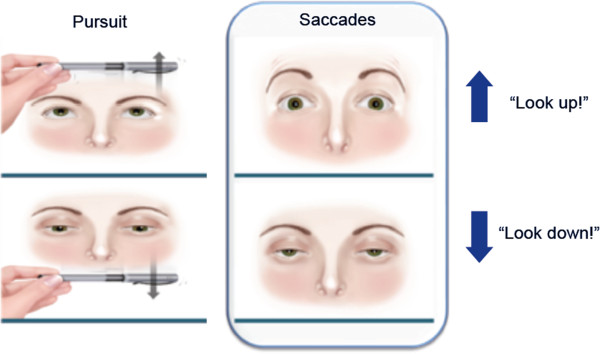
Niemann-Pick disease type C (NP-C) is a rare, progressive, irreversible disease leading to disabling neurological manifestations and premature death. The estimated disease incidence is 1:120,000 live births, but this likely represents an underestimate, as the disease may be under-diagnosed due to its highly heterogeneous presentation. NP-C is characterised by visceral, neurological and psychiatric manifestations that are not specific to the disease and that can be found in other conditions. The aim of this review is to provide non-specialists with an expert-based, detailed description of NP-C signs and symptoms, including how they present in patients and how they can be assessed. Early disease detection should rely on seeking a combination of signs and symptoms, rather than isolated findings. Examples of combinations which are strongly suggestive of NP-C include: splenomegaly and vertical supranuclear gaze palsy (VSGP); splenomegaly and clumsiness; splenomegaly and schizophrenia-like psychosis; psychotic symptoms and cognitive decline; and ataxia with dystonia, dysarthria/dysphagia and cognitive decline. VSGP is a hallmark of NP-C and becomes highly specific of the disease when it occurs in combination with other manifestations (e.g. splenomegaly, ataxia). In young infants (<2 years), abnormal saccades may first manifest as slowing and shortening of upward saccades, long before gaze palsy onset. While visceral manifestations tend to predominate during the perinatal and infantile period (2 months-6 years of age), neurological and psychiatric involvement is more prominent during the juvenile/adult period (>6 years of age). Psychosis in NP-C is atypical and variably responsive to treatment. Progressive cognitive decline, which always occurs in patients with NP-C, manifests as memory and executive impairment in juvenile/adult patients. Disease prognosis mainly correlates with the age at onset of the neurological signs, with early-onset forms progressing faster. Therefore, a detailed and descriptive picture of NP-C signs and symptoms may help improve disease detection and early diagnosis, so that therapy with miglustat (Zavesca(®)), the only available treatment approved to date, can be started as soon as neurological symptoms appear, in order to slow disease progression.
Figures
References
-
- Sevin M, Lesca G, Baumann N, Millat G, Lyon-Caen O, Vanier MT, Sedel F. The adult form of Niemann-Pick disease type C. Brain. 2007;130:120–133. - PubMed
Publication types
MeSH terms
LinkOut - more resources
Full Text Sources
Other Literature Sources
Medical
Miscellaneous
