


Small and large animal models in cardiac contraction research: advantages and disadvantages
- PMID: 24140081
- PMCID: PMC3947198
- DOI: 10.1016/j.pharmthera.2013.10.007
Small and large animal models in cardiac contraction research: advantages and disadvantages
Abstract
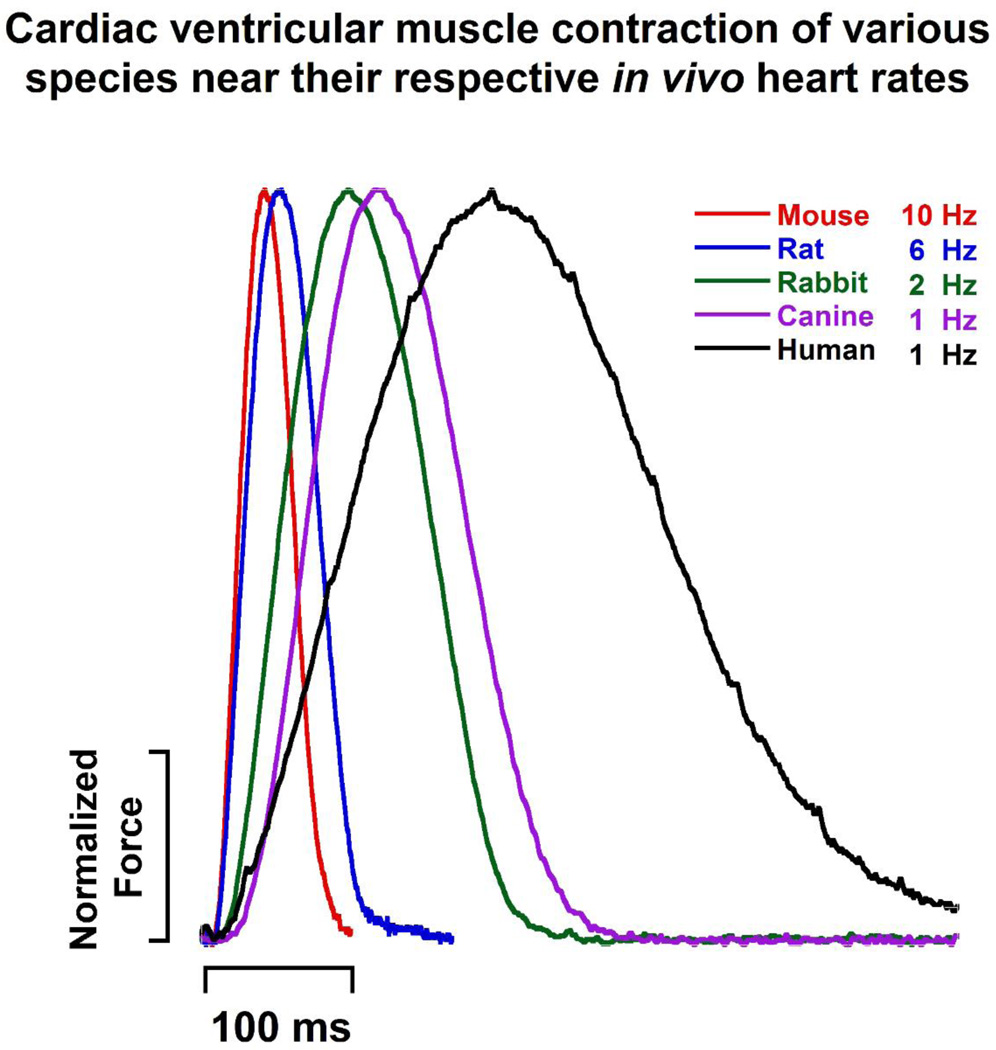
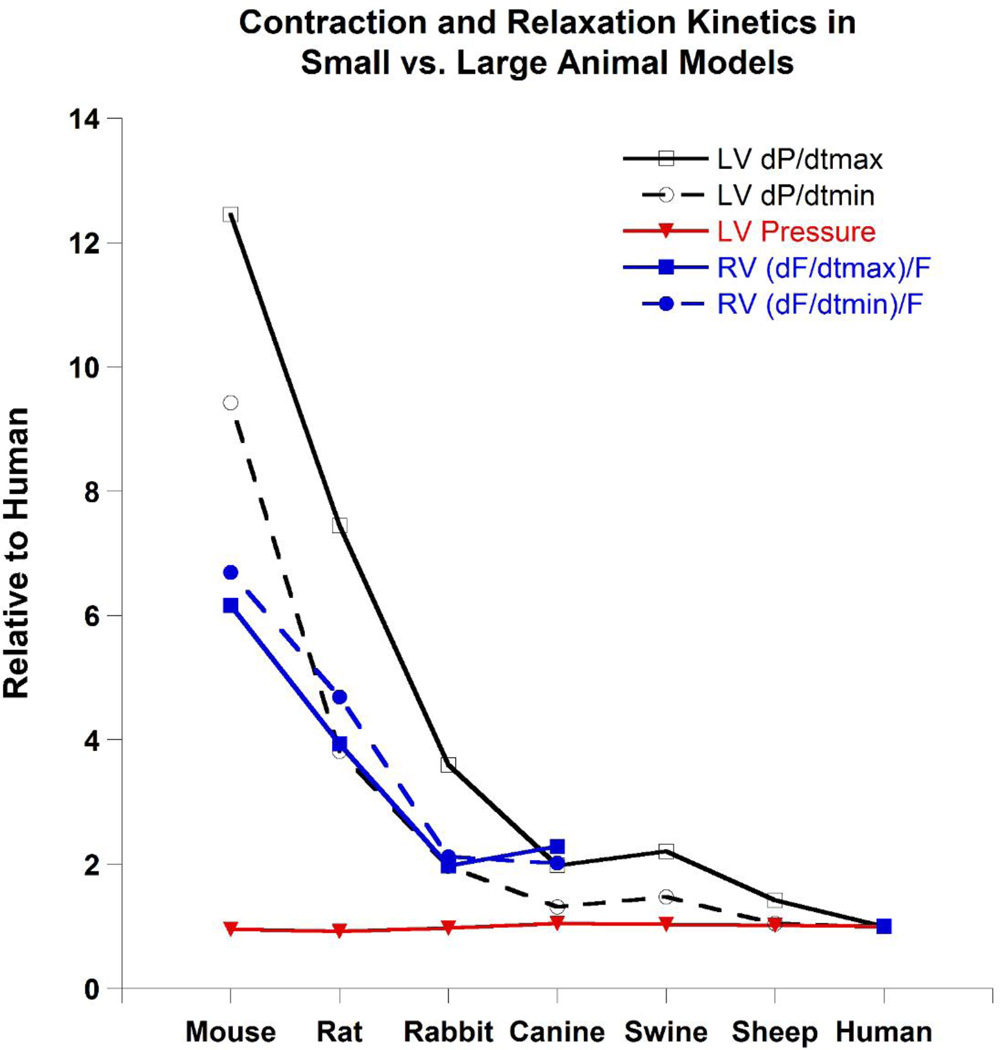
The mammalian heart is responsible for not only pumping blood throughout the body but also adjusting this pumping activity quickly depending upon sudden changes in the metabolic demands of the body. For the most part, the human heart is capable of performing its duties without complications; however, throughout many decades of use, at some point this system encounters problems. Research into the heart's activities during healthy states and during adverse impacts that occur in disease states is necessary in order to strategize novel treatment options to ultimately prolong and improve patients' lives. Animal models are an important aspect of cardiac research where a variety of cardiac processes and therapeutic targets can be studied. However, there are differences between the heart of a human being and an animal and depending on the specific animal, these differences can become more pronounced and in certain cases limiting. There is no ideal animal model available for cardiac research, the use of each animal model is accompanied with its own set of advantages and disadvantages. In this review, we will discuss these advantages and disadvantages of commonly used laboratory animals including mouse, rat, rabbit, canine, swine, and sheep. Since the goal of cardiac research is to enhance our understanding of human health and disease and help improve clinical outcomes, we will also discuss the role of human cardiac tissue in cardiac research. This review will focus on the cardiac ventricular contractile and relaxation kinetics of humans and animal models in order to illustrate these differences.
Keywords: (dF/dt(max))/F; (dF/dt(min))/F; AAV; APD; Cardiac contractility; Cardiac kinetics; Heart failure; Heart rate; LV dP/dt(max); LV dP/dt(min); LV τ; LVSP; MHC; Maximal velocity of contraction divided by developed force in cardiac trabeculae; Maximal velocity of contraction in cardiac trabeculae; Maximal velocity of relaxation divided by developed force in cardiac trabeculae; Maximal velocity of relaxation in cardiac trabeculae; NCX; RT(50); Relaxation time 50%: Time from peak force to 50% relaxation in cardiac trabeculae; SERCA; Species; TTP; action potential duration; adeno-associated virus; dF/dt(max); dF/dt(min); left ventricular isovolumic relaxation time constant; left ventricular maximal rate of pressure decline; left ventricular maximal rate of pressure rise; left ventricular systolic pressure; myosin heavy chain; sarcoplasmic-reticulum calcium ATPase; sodium calcium exchanger; time to peak: time from stimulation to peak force in cardiac trabeculae.
© 2013.
Conflict of interest statement
The authors declare that there are no conflicts of interest.
Figures
References
-
- Akar FG, Wu RC, Deschenes I, Armoundas AA, Piacentino V, 3rd, Houser SR, Tomaselli GF. Phenotypic differences in transient outward K+ current of human and canine ventricular myocytes: insights into molecular composition of ventricular Ito. Am J Physiol Heart Circ Physiol. 2004;286:H602–H609. - PubMed
-
- Allison JS, Qin H, Dosdall DJ, Huang J, Newton JC, Allred JD, Smith WM, Ideker RE. The transmural activation sequence in porcine and canine left ventricle is markedly different during long-duration ventricular fibrillation. J Cardiovasc Electrophysiol. 2007;18:1306–1312. - PubMed
-
- Alpert NR, Brosseau C, Federico A, Krenz M, Robbins J, Warshaw DM. Molecular mechanics of mouse cardiac myosin isoforms. Am J Physiol Heart Circ Physiol. 2002;283:H1446–H1454. - PubMed
-
- Aoyagi T, Fujii AM, Flanagan MF, Arnold LW, Brathwaite KW, Colan SD, Mirsky I. Transition from compensated hypertrophy to intrinsic myocardial dysfunction during development of left ventricular pressure-overload hypertrophy in conscious sheep. Systolic dysfunction precedes diastolic dysfunction. Circulation. 1993;88:2415–2425. - PubMed
Publication types
MeSH terms
Grants and funding
LinkOut - more resources
Full Text Sources
Other Literature Sources
Medical
Research Materials
Miscellaneous
