


High prevalence of prothrombotic abnormalities in multifocal osteonecrosis: description of a series and review of the literature
- PMID: 24145698
- PMCID: PMC4553995
- DOI: 10.1097/MD.0000000000000007
High prevalence of prothrombotic abnormalities in multifocal osteonecrosis: description of a series and review of the literature
Abstract
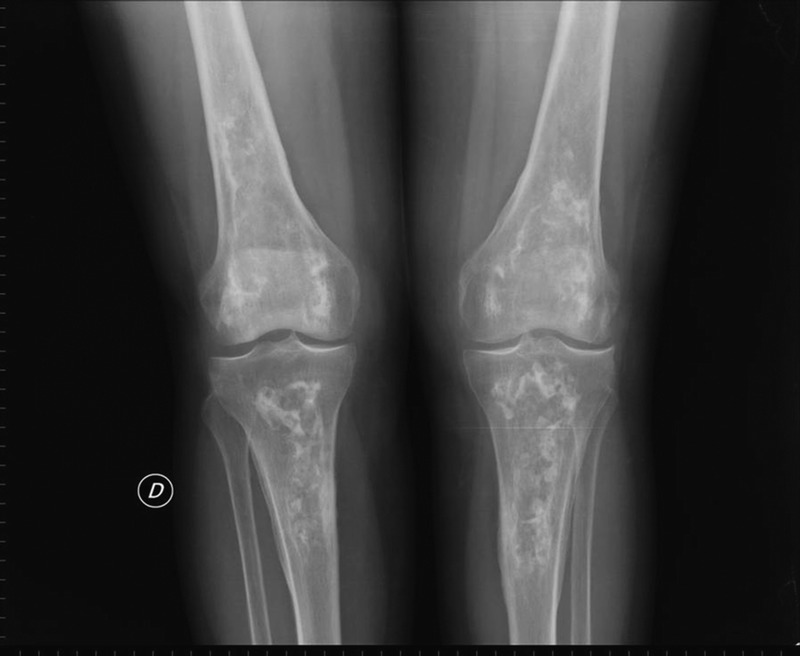
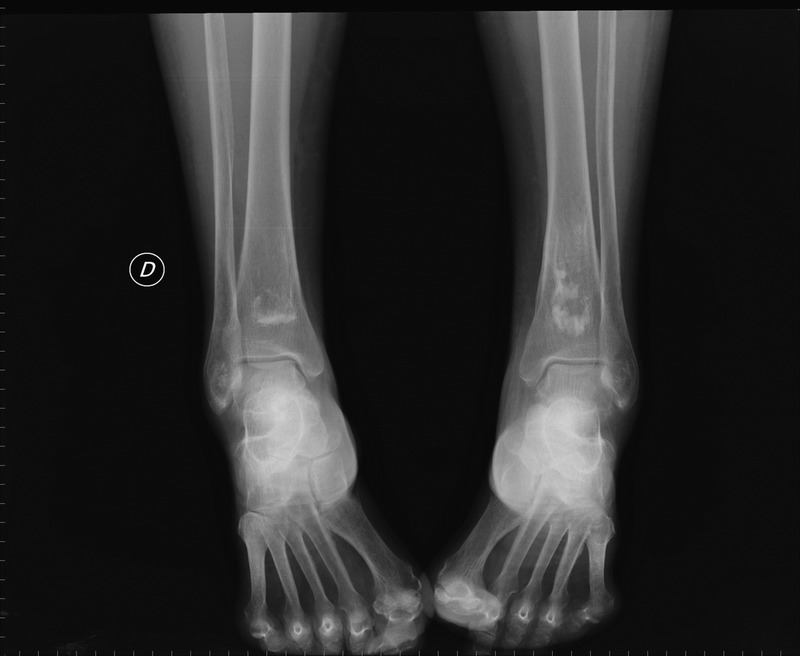
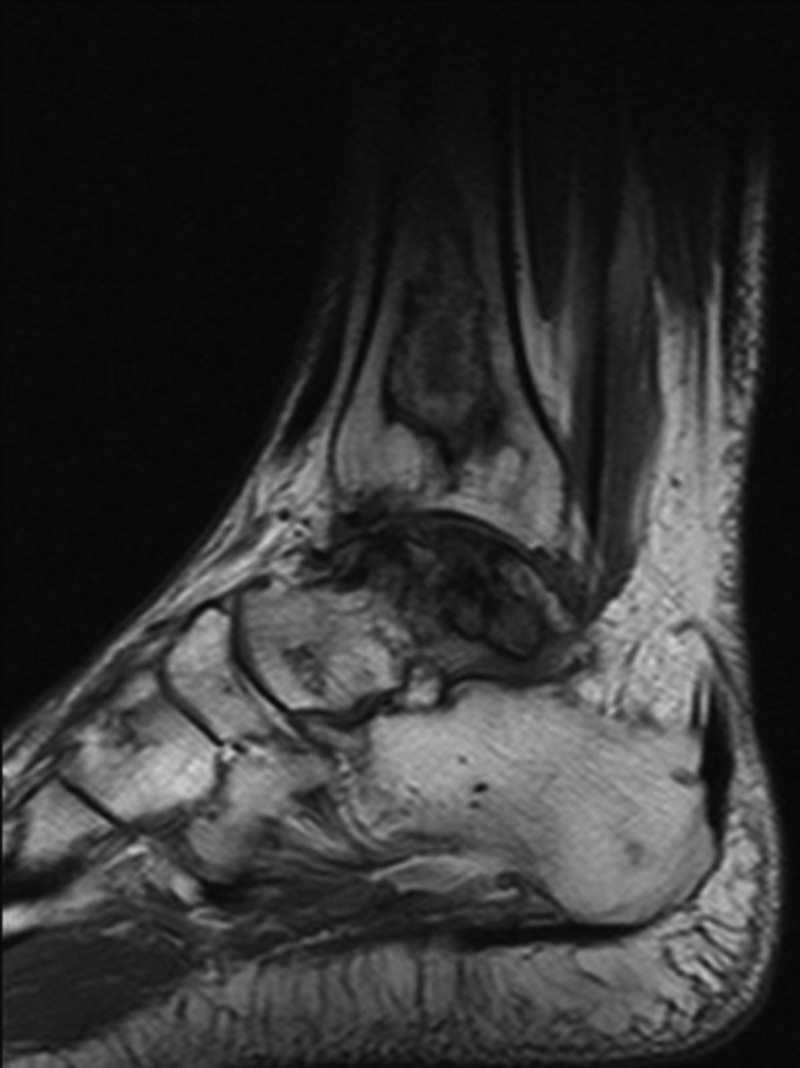
Multifocal or multiple osteonecrosis (ON), defined by the involvement of 3 or more anatomic sites, is unusual, being observed in only 3%-10% of patients diagnosed with ON. We report the clinical characteristics of a cohort of 29 patients with multifocal ON from a single center and evaluate the prevalence of associated prothrombotic abnormalities in 26 of these patients. We conducted a retrospective study of all patients diagnosed with multifocal ON evaluated in our institution during the last 20 years. We recorded clinical manifestations and underlying diagnoses. A wide thrombophilic profile was performed, including antithrombin, protein C, protein S, lupus anticoagulant, anticardiolipin antibodies, activated protein C resistance, factor V Leiden, mutation G-20210-A of the prothrombin gene, and factor VIII. Coagulation test results were compared with those in a healthy control group and a group of patients with history of lower-extremity deep venous thrombosis. The mean age of the patients was 49.2 ± 15 years (range, 28-81 yr). The mean number of ON localizations per patient was 5.2 ± 2.3 (range, 3-11). Hips were the most commonly affected joint (82%), followed by knees (58%), shoulders (37%), and ankles (13%). Most patients had an underlying disease process, and 12 of 25 (48%) patients had coagulation test abnormalities. The most common alterations were high factor VIII levels and antiphospholipid antibody (aPL) positivity in 24% and 20% of cases, respectively. These abnormalities were more prevalent in patients with multifocal ON compared with patients in the control groups. Sixty-one percent of patients had a history of corticosteroid treatment. Patients with coagulation abnormalities had a higher number of ON localizations per patient (6.5 ± 2.7 vs. 3.88 ± 0.8; p = 0.002) and a higher prevalence of atypical ON localizations (25% vs. 0%; p = 0.05). In conclusion, in the present cohort of patients with multifocal ON, 48% of the patients had at least 1 prothrombotic factor, especially high levels of factor VIII and aPL. These findings have major implications for the diagnosis and treatment of multifocal ON and clearly indicate the need to perform a thrombophilic profile in these patients.
Figures
References
-
- Alijotas J, Argemi M, Barquinero J. Kienbock’s disease and antiphospholipid antibodies. Clin Exp Rheumatol. 1990; 8: 297– 298. - PubMed
-
- Anonymous. Symptomatic multifocal osteonecrosis. A multicenter study. Collaborative Osteonecrosis Group. Clin Orthop Relat Res. 1999; 369: 312– 326. - PubMed
-
- Asherson RA, Khamashta MA, Ordi-Ros J, Derksen RH, Machin SJ, Barquinero J, Outt HH, Harris EN, Vilardell-Torres M, Hughes GR. The “primary” antiphospholipid syndrome: major clinical and serological features. Medicine (Baltimore). 1989; 68: 366– 374. - PubMed
-
- Assouline-Dayan Y, Chang C, Greenspan A, Shoenfeld Y, Gershwin ME. Pathogenesis and natural history of osteonecrosis. Semin Arthritis Rheum. 2002; 32: 94– 124. - PubMed
-
- Blanche P, Si-Larbi AG, Jouve P. Femoral head necrosis and hyperhomocysteinemia. J Rheumatol. 2001; 28: 1469. - PubMed
Publication types
MeSH terms
LinkOut - more resources
Full Text Sources
Other Literature Sources
Medical
Miscellaneous
