


Burkholderia mallei and Burkholderia pseudomallei cluster 1 type VI secretion system gene expression is negatively regulated by iron and zinc
- PMID: 24146925
- PMCID: PMC3795662
- DOI: 10.1371/journal.pone.0076767
Burkholderia mallei and Burkholderia pseudomallei cluster 1 type VI secretion system gene expression is negatively regulated by iron and zinc
Abstract
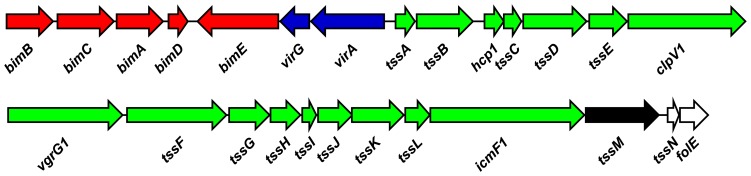
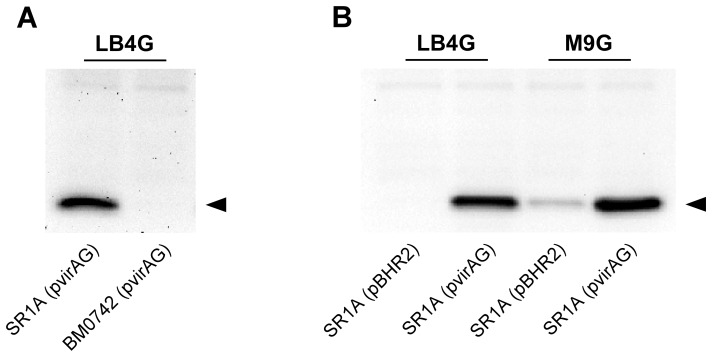
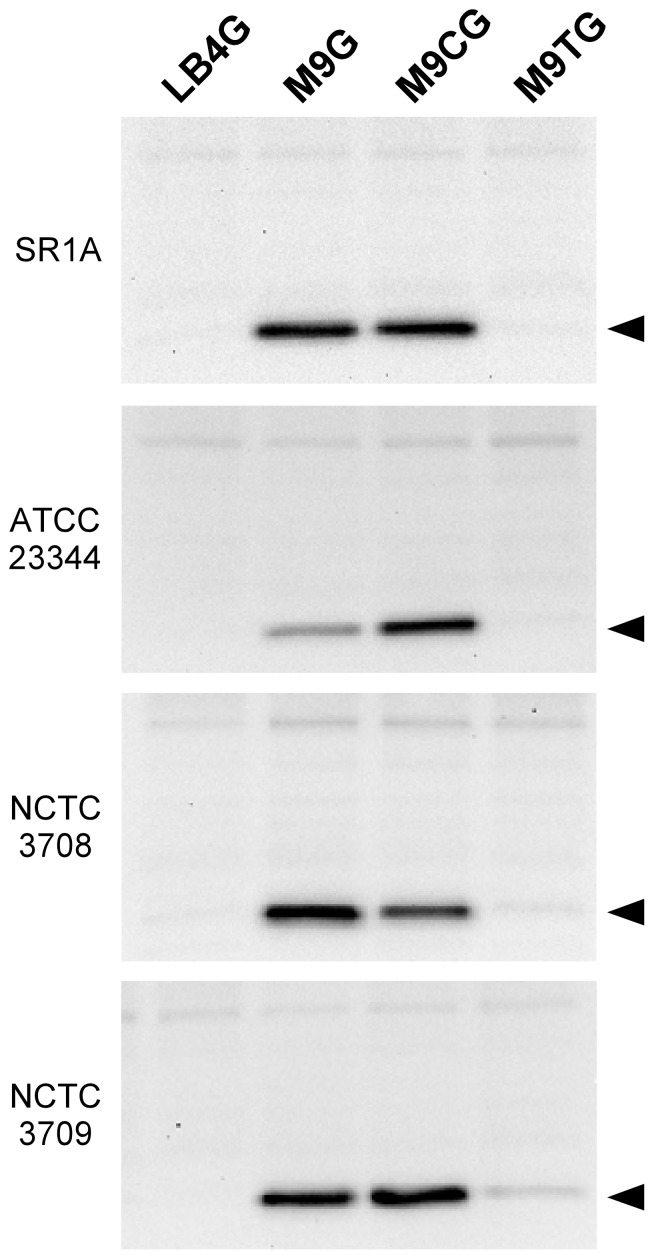
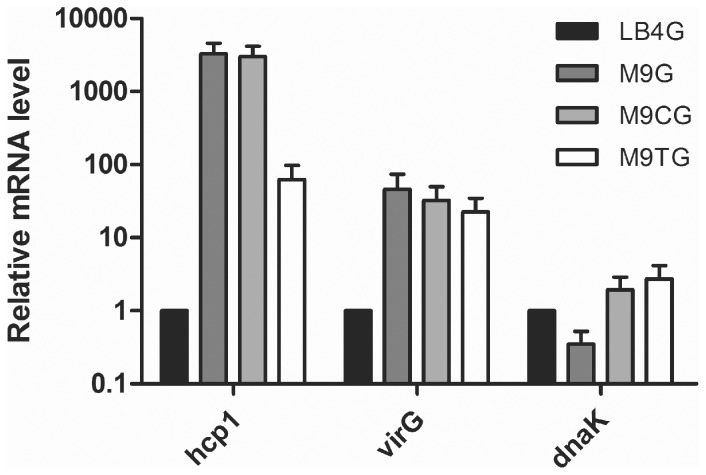
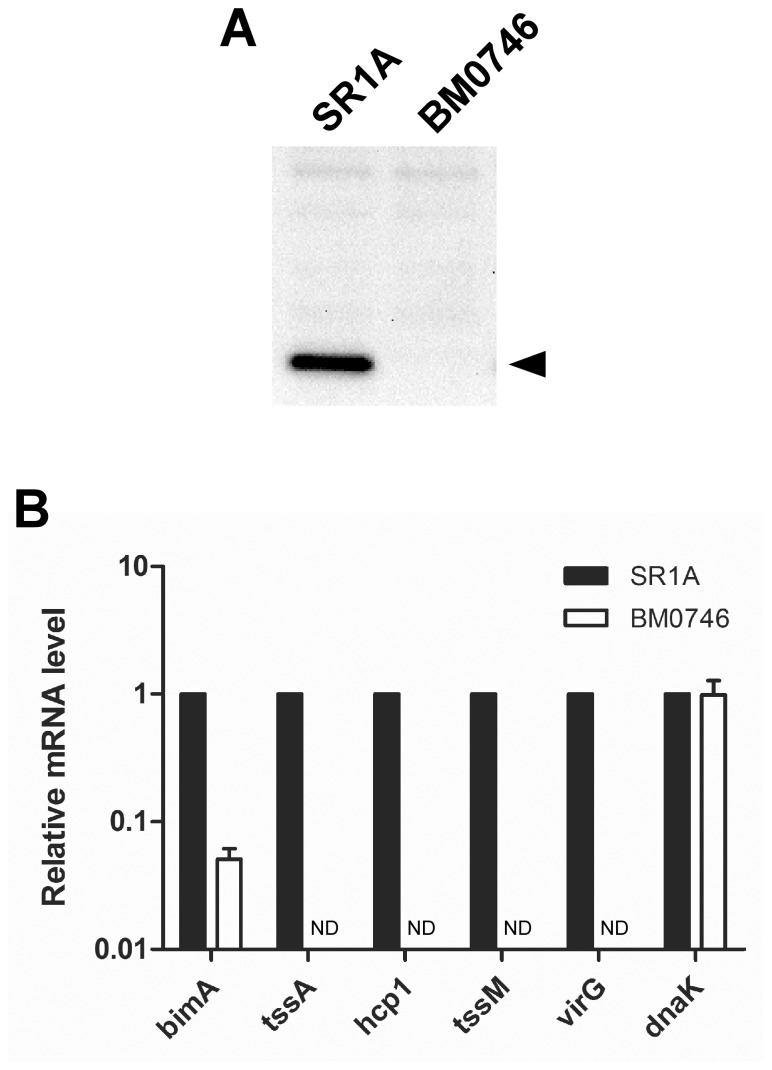
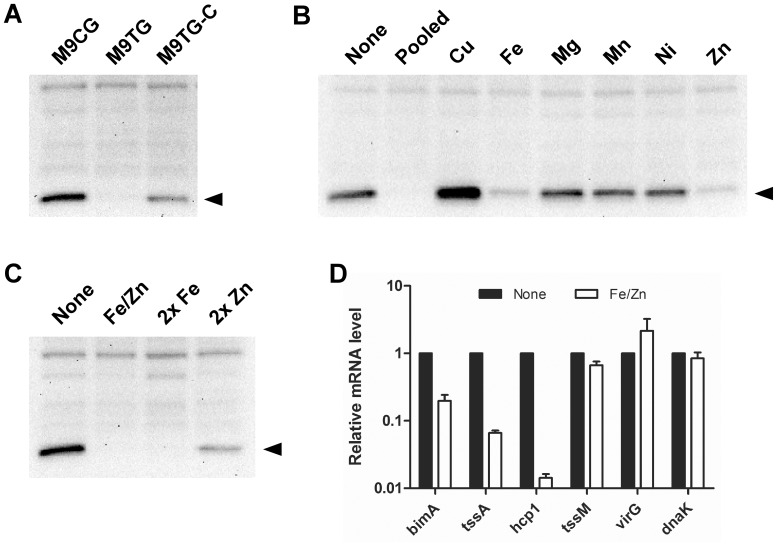
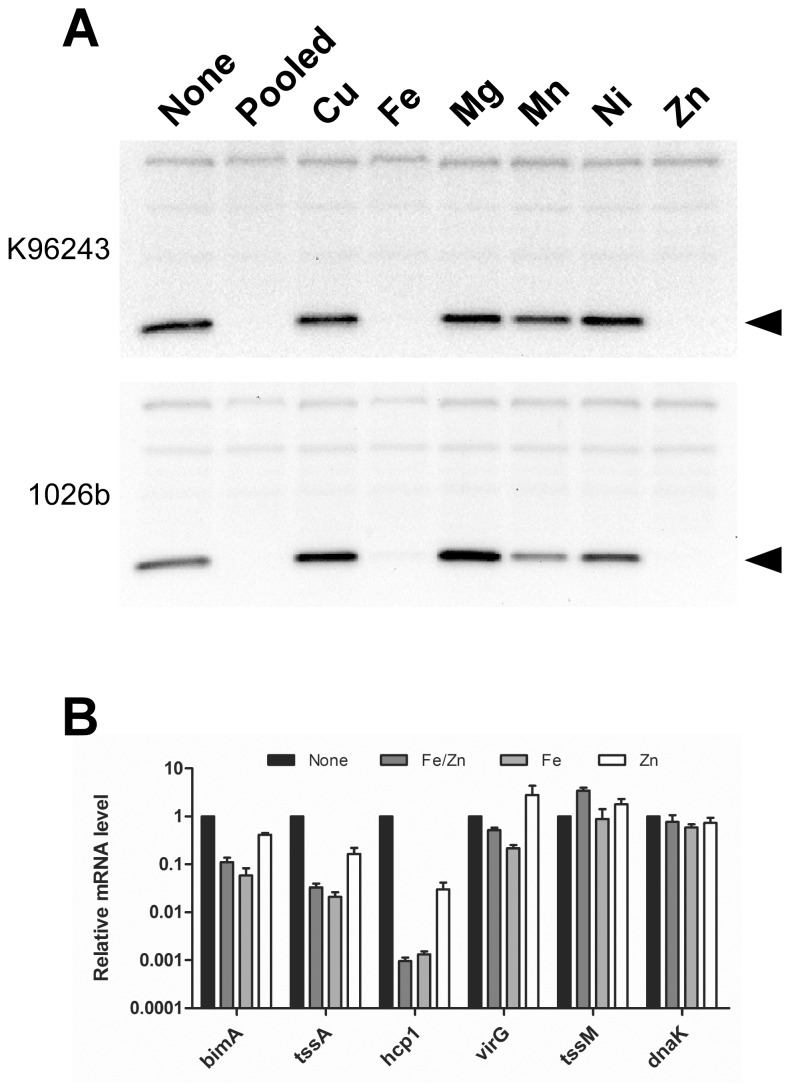
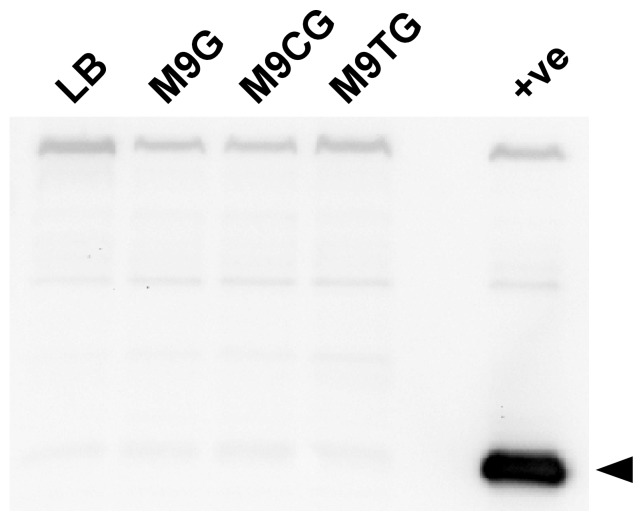
Burkholderia mallei is a facultative intracellular pathogen that causes glanders in humans and animals. Previous studies have demonstrated that the cluster 1 type VI secretion system (T6SS-1) expressed by this organism is essential for virulence in hamsters and is positively regulated by the VirAG two-component system. Recently, we have shown that T6SS-1 gene expression is up-regulated following internalization of this pathogen into phagocytic cells and that this system promotes multinucleated giant cell formation in infected tissue culture monolayers. In the present study, we further investigated the complex regulation of this important virulence factor. To assess T6SS-1 expression, B. mallei strains were cultured in various media conditions and Hcp1 production was analyzed by Western immunoblotting. Transcript levels of several VirAG-regulated genes (bimA, tssA, hcp1 and tssM) were also determined using quantitative real time PCR. Consistent with previous observations, T6SS-1 was not expressed during growth of B. mallei in rich media. Curiously, growth of the organism in minimal media (M9G) or minimal media plus casamino acids (M9CG) facilitated robust expression of T6SS-1 genes whereas growth in minimal media plus tryptone (M9TG) did not. Investigation of this phenomenon confirmed a regulatory role for VirAG in this process. Additionally, T6SS-1 gene expression was significantly down-regulated by the addition of iron and zinc to M9CG. Other genes under the control of VirAG did not appear to be as tightly regulated by these divalent metals. Similar results were observed for B. pseudomallei, but not for B. thailandensis. Collectively, our findings indicate that in addition to being positively regulated by VirAG, B. mallei and B. pseudomallei T6SS-1 gene expression is negatively regulated by iron and zinc.
Conflict of interest statement
Figures
References
-
- Neubauer H, Sprague LD, Zacharia R, Tomaso H, Al Dahouk S, et al. (2005) Serodiagnosis of Burkholderia mallei infections in horses: state-of-the-art and perspectives. J Vet Med B Infect Dis Vet Public Health 52: 201–205. - PubMed
-
- Redfearn MS, Palleroni NJ, Stanier RY (1966) A comparative study of Pseudomonas pseudomallei and Bacillus mallei . J Gen Microbiol 43: 293–313. - PubMed
-
- Waag DM, DeShazer D (2004) Glanders: new insights into an old disease. In: Lindler LE, Lebeda FJ, Korch GW, editors. Biological weapons defense: infectious diseases and counterbioterrorism. 1st ed: Humana Press, Inc, Totowa, NJ. 209–237.
-
- Khan I, Wieler LH, Melzer F, Elschner MC, Muhammad G, et al. (2012) Glanders in animals: a review on epidemiology, clinical presentation, diagnosis and countermeasures. Transbound Emerg Dis 60: 204–221. - PubMed
Publication types
MeSH terms
Substances
Grants and funding
LinkOut - more resources
Full Text Sources
Other Literature Sources
Medical
Molecular Biology Databases
