. 2013 Oct 11;8(10):e77002.
doi: 10.1371/journal.pone.0077002. eCollection 2013.

Anti-inflammatory effect of targeted delivery of SOD to endothelium: mechanism, synergism with NO donors and protective effects in vitro and in vivo

Affiliations

Anti-inflammatory effect of targeted delivery of SOD to endothelium: mechanism, synergism with NO donors and protective effects in vitro and in vivo

Vladimir V Shuvaev et al. PLoS One. .

Abstract

Pro-inflammatory activation of vascular endothelium is implicated in pathogenesis of severe conditions including stroke, infarction and sepsis. We have recently reported that superoxide dismutase (SOD) conjugated with antibodies (Ab/SOD) that provide targeted delivery into endothelial endosomes mitigates inflammatory endothelial activation by cytokines and agonists of Toll-like receptors (TLR). The goal of this study was to appraise potential utility and define the mechanism of this effect. Ab/SOD, but not non-targeted SOD injected in mice alleviated endotoxin-induced leukocyte adhesion in the cerebral vasculature and protected brain from ischemia-reperfusion injury. Transfection of endothelial cells with SOD, but not catalase inhibited NFκB signaling and expression of Vascular Cell Adhesion Molecule-1 induced by both cytokines and TLR agonists. These results affirmed that Ab/SOD-quenched superoxide anion produced by endothelial cells in response to proinflammatory agents mediates NFκB activation. Furthermore, Ab/SOD potentiates anti-inflammatory effect of NO donors in endothelial cells in vitro, as well as in the endotoxin-challenged mice. These results demonstrate the central role of intracellular superoxide as a mediator of pro-inflammatory activation of endothelium and support the notion of utility of targeted interception of this signaling pathway for management of acute vascular inflammation.


Conflict of interest statement

Competing Interests: The authors have declared that no competing interests exist.

Figures

Figure 1
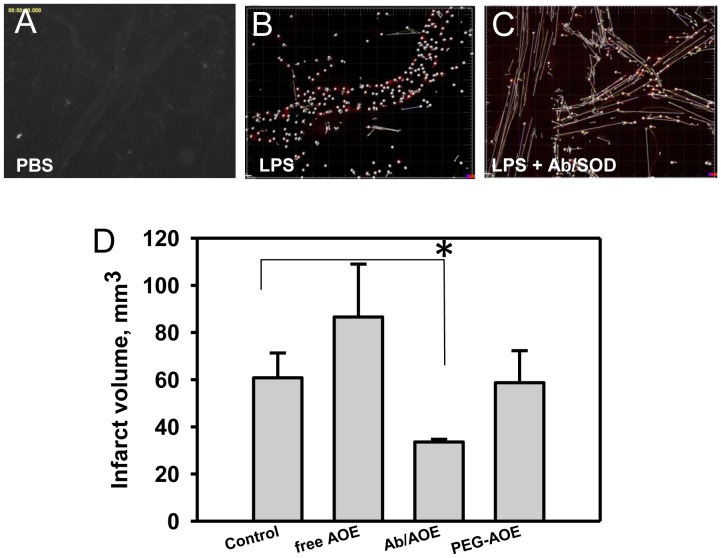
Figure 1. Protective effects of PECAM-directed Ab/AOE targeting in vivo.
(A–C). SOD targeting inhibits leukocyte adhesion to surface cerebral vessels in an in vivo model of inflammation. Mice were intravenously injected with PBS (A), LPS (B) or anti-PECAM/SOD and LPS (C). Labeled leukocytes interaction with endothelium of cerebral vessels was monitored by intravital microscopy through an implanted cranial window at 4 h after the injection. Observation of labeled leukocyte rolling was performed during a 30 s (16–20 frames/s) time-series acquisition. The spots denote the identified leukocytes by the automated particle counting function provided the image analysis. Displacement vectors are shown as tracks to indicate whether the cell is attached (no vector) or rolling (vectors of various lengths) during the image acquisition time interval. (D). Systemic administration of antioxidant enzymes (AOE) SOD and catalase conjugated with PECAM antibody (Ab/AOE) alleviates brain infarction in the filament model of MCAO. * P<0.05, n = 7 (control), 3 (free AOE), 5 (Ab/AOE), and 3 (PEG-AOE).
Figure 2
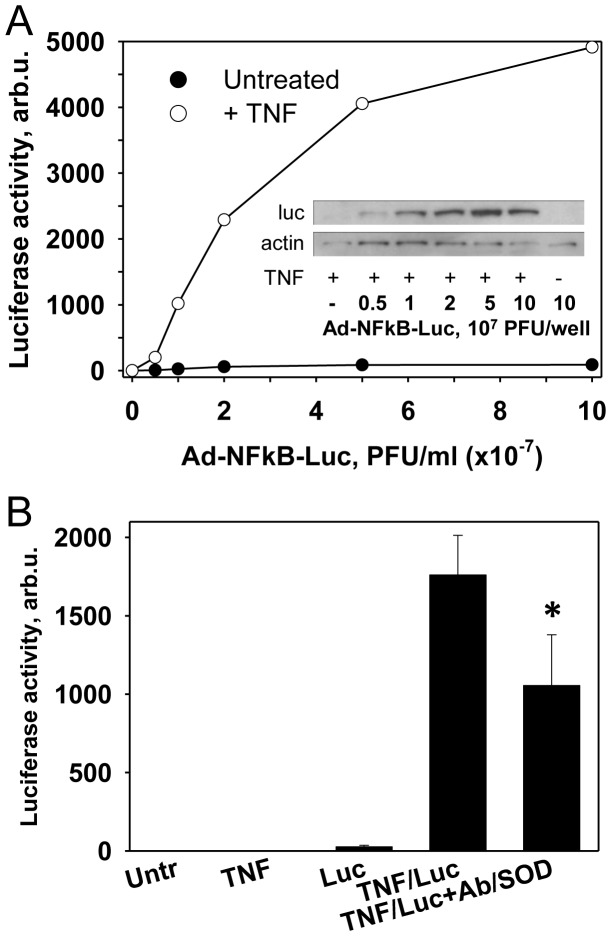
Figure 2. PECAM-directed Ab/SOD delivery to endothelium inhibits TNF-activated NF-κB signaling.
(A). Expression of NFkB-dependent luciferase by TNF-activated cells. HUVEC were transfected for 2 h with Ad-NFkB-Luc at 1×10⁷ PFU/ml (100 MOI), vector was washed out and cells were incubated for 16 h followed by activation with 10 ng/ml TNF for 4 h. Cells were lysed. Luciferase expression was assessed by Western blotting (inset), luciferase activity was measured by Luciferase activity assay (Promega). (B). Effects of Ab/SOD targeting. HUVEC were transfected with Ad-NFkB-Luc at 1×10⁷ PFU/ml (100 MOI) for 2 h, vector was washed out and cells were incubated for 16 h. Transfected cells were treated with Ab/SOD targeted to PECAM for 1 h and activated with 10 ng/ml TNF for 4 h. Cells were lysed and luciferase activity was measured by Luciferase activity assay (Promega). Non-transfected cells (without or with TNF activation) did not show luciferase activity. Mean±SEM are shown, * P<0.05, n = 4.
Figure 3
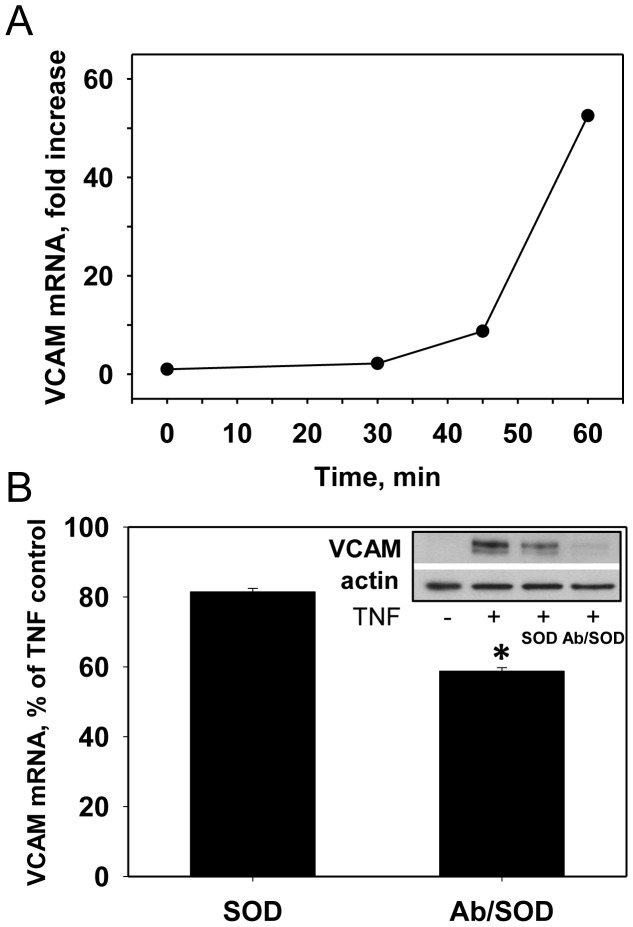
Figure 3. PECAM-directed Ab/SOD targeting to endothelial cells inhibits TNF-induced synthesis of VCAM.
(A). Kinetics of synthesis of VCAM after endothelial cells induction by 10 ng/ml TNF as measured by qPCR. (B). Effects of Ab/SOD targeting. Cells were pretreated with anti-PECAM/SOD or untargeted SOD for 1 h and activated with 10 ng/ml TNF. Level of VCAM mRNA was measured by qPCR in 1 h. *p<0.05 vs. control. (Inset), representative Western blot analysis of VCAM protein after 5 h.
Figure 4
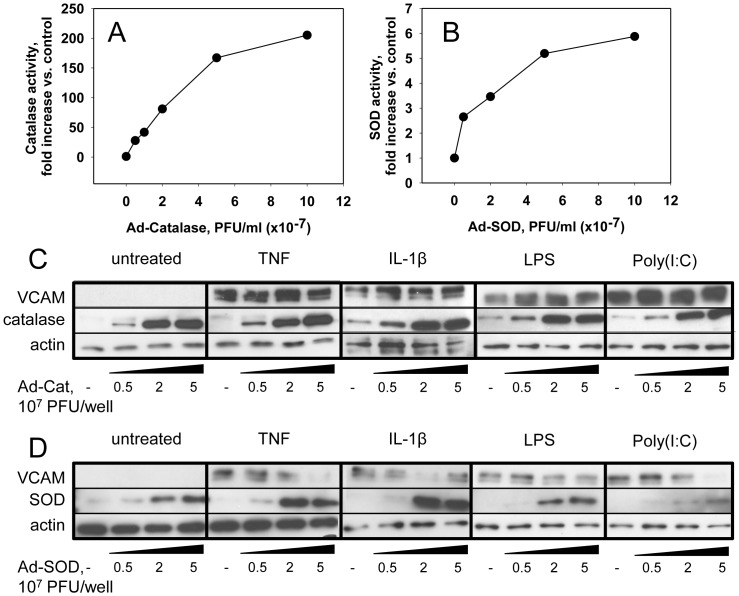
Figure 4. SOD1, but not catalase overexpression in endothelial cells inhibits VCAM expression induced by cytokines or TLR agonists.
A–B. HUVEC were transfected with increasing doses (0–10×107 PFU/ml; 0–1000 MOI) of either Ad-Cat or Ad-SOD1 adenoviral vectors. Enzyme activities of catalase (A) or SOD (B) were measured in corresponding cell lysate to test the level of the antioxidant enzyme expressions. C–D. Effects of catalase and SOD1 overexpression on cellular responsiveness to cytokines and TLR agonists were assayed by Western blotting of VCAM. Cells transfected with increasing doses (0–5×10⁷ PFU/ml; 0–500 MOI) of Ad-Cat (C) or Ad-SOD1 (D) were activated with 10 ng/ml TNF, 10 ng/ml Il-1β, 0.5 µg/ml TLR4 agonist LPS, or 20 µg/ml TLR3 agonist poly(I:C). VCAM expression was detected in 4 h for TNF, IL-1β and LPS treatment or in 5 h for poly(I:C) treatment.
Figure 5
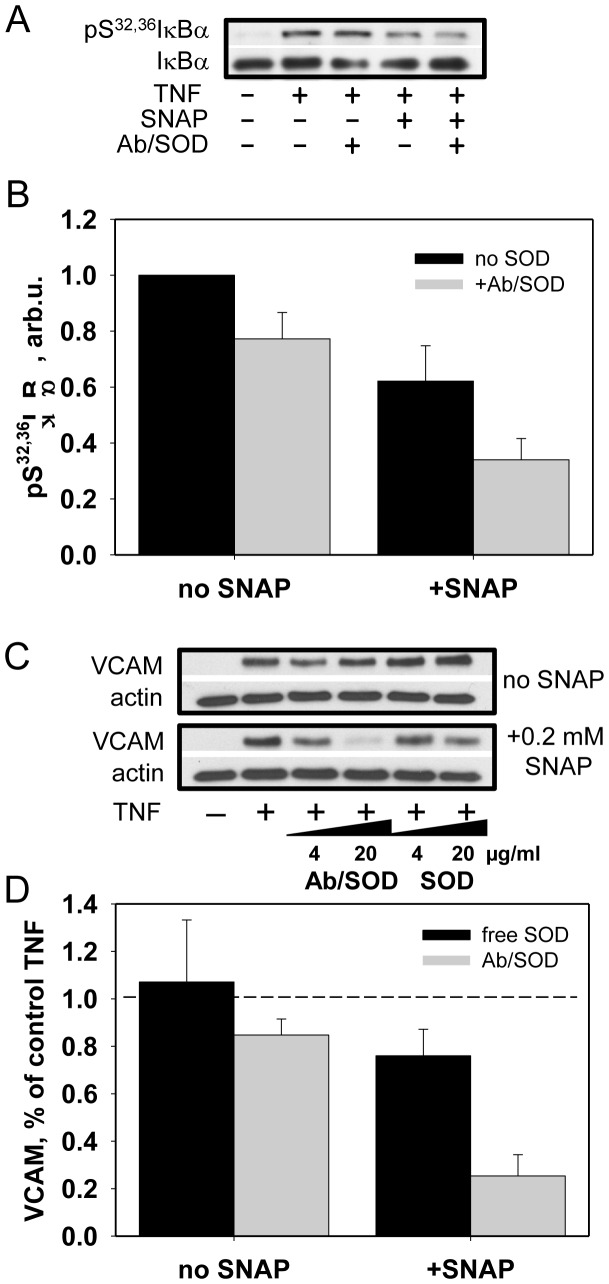
Figure 5. Ab/SOD potentiates anti-inflammatory effect of NO donor SNAP in vitro.
(A–B). Western blotting analysis of IκBα phosphorylation. HUVEC were treated with SNAP (0.2 mM), washed, treated with anti-PECAM/SOD (20 µg/ml SOD) for 1 h followed by activation with TNF (10 ng/ml) for 10 min. Western blotting (A) and level of phosphorylated IκBα normalized by total IκBα (B) are shown. (C–D). VCAM expression by HUVEC co-treated with SNAP and anti-PECAM/SOD. Experimental conditions described above. Cells were activated with TNF for 4 h. Western blotting (C) and VCAM level normalized by actin (D) are shown. Representative images from at least three experiments are shown.
Figure 6
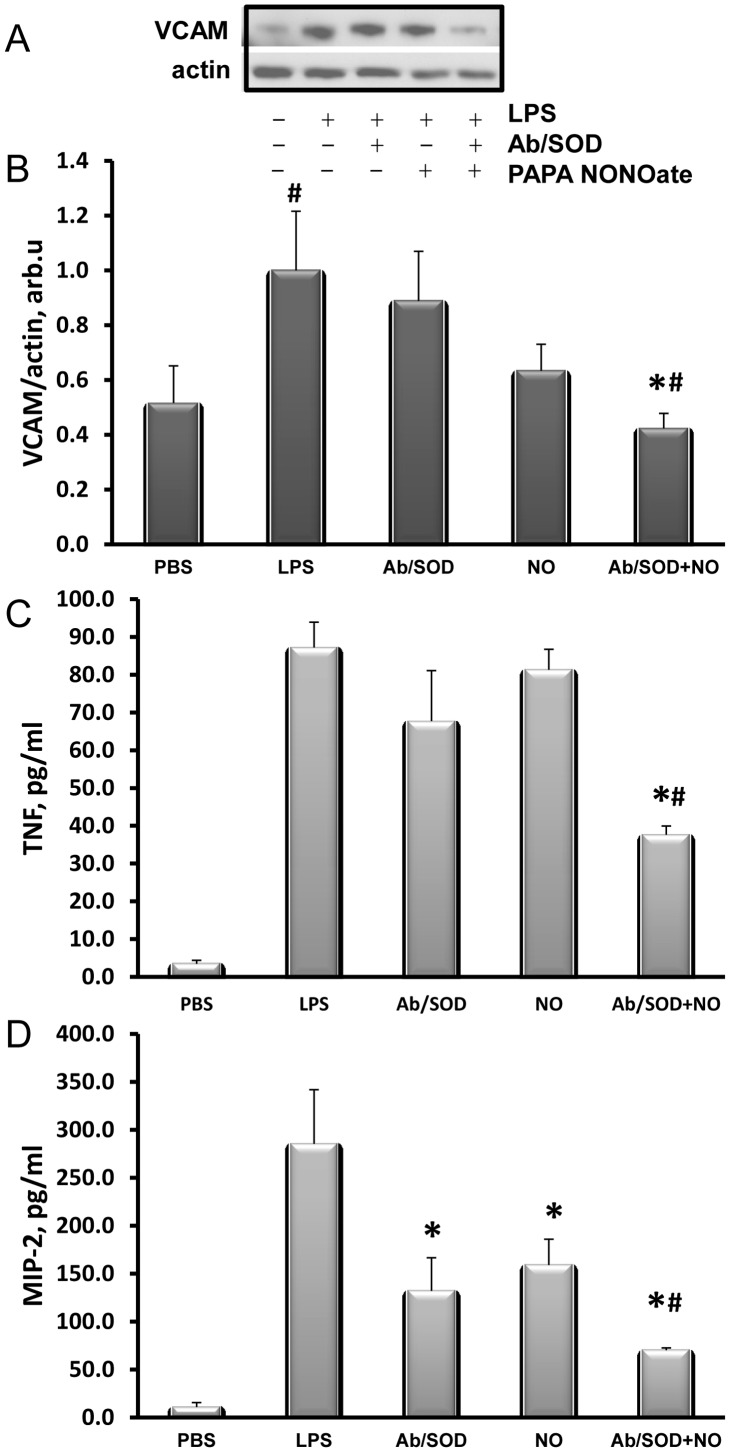
Figure 6. Ab/SOD potentiates anti-inflammatory effects of NO donor in LPS-challenged mice.
Animals were injected intravenously (in tail vein) with anti-PECAM/SOD (25 µg/mouse), PAPA NONOate (prepared immediately before use, 0.1 mM final concentration, based on blood volume of 7.5% of body weight) or their combination. LPS (200 µg/kg) was injected same way in 30 min. Lung tissue and plasma were harvested in 5 h. Lung VCAM level was assayed by Western blotting: (A), representative image; (B), Western blotting analysis. Plasma TNF and MIP-2 concentrations were measured by corresponding ELISA (C and D, respectively). Means ± SEM are shown; n≥3, * p≤0.05 vs. LPS-treated group; # p≤0.05 vs. LPS+NO group.

References

    1. Thomas SR, Witting PK, Drummond GR (2008) Redox control of endothelial function and dysfunction: molecular mechanisms and therapeutic opportunities. Antioxid Redox Signal 10: 1713–1765. - PubMed
    1. Yeh LH, Kinsey AM, Chatterjee S, Alevriadou BR (2001) Lactosylceramide mediates shear-induced endothelial superoxide production and intercellular adhesion molecule-1 expression. J Vasc Res 38: 551–559. - PubMed
    1. Zimmerman MC (2011) Angiotensin II and angiotensin-1-7 redox signaling in the central nervous system. Curr Opin Pharmacol 11: 138–143. - PMC - PubMed
    1. Laskin DL, Sunil VR, Fakhrzadeh L, Groves A, Gow AJ, et al. (2010) Macrophages, reactive nitrogen species, and lung injury. Ann N Y Acad Sci 1203: 60–65. - PMC - PubMed
    1. Pober JS, Sessa WC (2007) Evolving functions of endothelial cells in inflammation. Nat Rev Immunol 7: 803–815. - PubMed

Publication types

MeSH terms

LinkOut - more resources