


Single dose oral dexibuprofen [S(+)-ibuprofen] for acute postoperative pain in adults
- PMID: 24151035
- PMCID: PMC6485930
- DOI: 10.1002/14651858.CD007550.pub3
Single dose oral dexibuprofen [S(+)-ibuprofen] for acute postoperative pain in adults
Abstract
Background: This review is an update of a previously published review in The Cochrane Database of Systematic Reviews Issue 3, 2009 on single dose oral dexibuprofen (S(+)-ibuprofen) for acute postoperative pain in adults.Dexibuprofen is a non-steroidal anti-inflammatory drug (NSAID) licensed for use in rheumatic disease and other musculoskeletal disorders in the UK, and widely available in other countries worldwide. It is an active isomer of ibuprofen. This review sought to evaluate the efficacy and safety of oral dexibuprofen in acute postoperative pain, using clinical studies in patients with established pain, and with outcomes measured primarily over four to six hours, using standard methods. This type of study has been used for many decades to establish that drugs have analgesic properties.
Objectives: To assess the efficacy and adverse effects of single dose oral dexibuprofen for acute postoperative pain using methods that permit comparison with other analgesics evaluated in standardised studies using almost identical methods and outcomes.
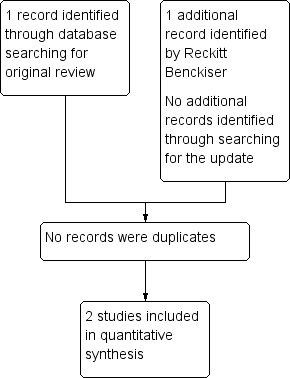
Search methods: Searches were run for the original review in 2009 and subsequent searches have been run in August 2013. We did not find any new published studies as a result of the updated search.We searched for randomised studies of dexibuprofen in acute postoperative pain in MEDLINE, EMBASE, and CENTRAL (The Cochrane LIbrary), and for clinical trial reports and synopses of published and unpublished studies from Internet sources.
Selection criteria: Randomised, double blind, placebo-controlled clinical studies of oral dexibuprofen for relief of acute postoperative pain in adults.
Data collection and analysis: Two review authors independently assessed study quality and extracted data. We extracted pain relief or pain intensity data and converted it into the dichotomous outcome of number of participants with at least 50% pain relief over four to six hours, from which relative risk and number needed to treat to benefit (NNT) were calculated. Numbers of participants using rescue medication over specified time periods, and time to use of rescue medication, were sought as additional measures of efficacy. We collected information on adverse events and withdrawals.
Main results: New data were identified for this update in one unpublished trial synopsis (BR1160 1995) in addition to the single study (Dionne 1998) that was included in the original review. In both studies dexibuprofen gave high levels of response, with 51/96 (53%) participants experiencing at least 50% pain relief with dexibuprofen 200 mg and 35/50 (70%) with dexibuprofen 400 mg, compared with 75/147 (51%) with racemic ibuprofen 400 mg, and 12/62 (13%) with placebo. The numbers of participants was too small to calculate NNTs with any meaning. The median time to additional analgesic use was greater than four hours for all active therapies, but about two hours for placebo.Adverse events were generally of mild or moderate intensity and consistent with events normally associated with anaesthesia and surgery. There were no serious adverse events or deaths.Additional data did not alter the conclusions from the earlier review.
Authors' conclusions: The information from these two studies in acute postoperative pain suggested that dexibuprofen may be a useful analgesic, but at doses not very different from racemic ibuprofen, for which considerably more evidence exists.
Conflict of interest statement
SD and RAM have received research support from charities, government and industry sources at various times. RAM has consulted for various pharmaceutical companies and received lecture fees from pharmaceutical companies related to analgesics and other healthcare interventions. JB has no interests to declare.
Figures
Update of
-
Single dose oral dexibuprofen [S(+)-ibuprofen] for acute postoperative pain in adults.Cochrane Database Syst Rev. 2009 Jul 8;(3):CD007550. doi: 10.1002/14651858.CD007550.pub2. Cochrane Database Syst Rev. 2009. Update in: Cochrane Database Syst Rev. 2013 Oct 23;(10):CD007550. doi: 10.1002/14651858.CD007550.pub3. PMID: 19588434 Free PMC article. Updated.
References
References to studies included in this review
BR1160 1995 {unpublished data only}
-
- Lancaster L, Goulder MA. A double blind, singe‐dose, parallel‐group study comparing the analgesic effect of S(+) ibuprofen with racemic ibuprofen and placebo following unilateral or bilateral extraction of third molars. Boots healthcare international, trial synopsis 1995:1‐79.
Dionne 1998 {published data only}
-
- Dionne RA, McCullagh L. Enhanced analgesia and suppression of plasma B‐endorphin by the S(+)‐isomer of ibuprofen. Clinical Pharmacology and Therapeutics 1998;63(5):694‐701. - PubMed
References to studies excluded from this review
Additional references
Clarke 2012
Collins 1997
-
- Collins SL, Moore RA, McQuay HJ. The visual analogue pain intensity scale: what is moderate pain in millimetres?. Pain 1997;72:95‐7. - PubMed
Collins 2001
-
- Collins SL, Edwards J, Moore RA, Smith LA, McQuay HJ. Seeking a simple measure of analgesia for mega‐trials: is a single global assessment good enough?. Pain 2001;91(1‐2):189‐94. - PubMed
Cook 1995
Cooper 1991
-
- Cooper SA. Single‐dose analgesic studies: the upside and downside of assay sensitivity. The Design of Analgesic Clinical Trials. Advances in Pain Research Therapy 1991;18:117‐24.
Derry 2009
Derry 2010
FitzGerald 2001
Gabard 1995
-
- Gabard B, Nirnberger G, Schiel H, Mascher H, Kikuta C, Mayer JM. Comparison of the bioavailability of dexibuprofen administered alone or as part of racemic ibuprofen. European Journal of Clinical Pharmacology 1995;48(6):505‐11. - PubMed
Hawel 2003
-
- Hawel R, Klein G, Singer F, Mayrhofer F, Kahler ST. Comparison of the efficacy and tolerability of dexibuprofen and celecoxib in the treatment of osteoarthritis of the hip. International journal of Clinical Pharmacology and Therapeutics 2003;41(4):153‐64. - PubMed
Higgins 2011
-
- Altman DG, Antes G, Gøtzsche P, Higgins JPT, Jüni P, Lewis S, et al. Assessing risk of bias in included studies. In: Higgins JPT, Altman DG, Sterne JAC editor(s). Cochrane Handbook for Systematic Reviews of Interventions. Version 5.1.0 [updated March 2011]. www.cochrane‐handbook.org. The Cochrane Collaboration, 2011.
Jadad 1996a
-
- Jadad AR, Carroll D, Moore RA, McQuay H. Developing a database of published reports of randomised clinical trials in pain research. Pain 1996;66(2‐3):239‐46. - PubMed
Jadad 1996b
-
- Jadad AR, Moore RA, Carroll D, Jenkinson C, Reynolds DJM, Gavaghan DJ, et al. Assessing the quality of reports of randomized clinical trials: is blinding necessary?. Controlled Clinical Trials 1996;17:1‐12. - PubMed
Kollenz 2009
L'Abbé 1987
-
- L'Abbé KA, Detsky AS, O'Rourke K. Meta‐analysis in clinical research. Annals of Internal Medicine 1987;107:224‐33. - PubMed
Lee 1985
McQuay 2005
McQuay 2012
Moher 1999
Moore 1996
Moore 1997a
Moore 1997b
Moore 1998
Moore 2003
-
- Moore RA, Edwards J, Barden J, McQuay HJ. Bandolier's Little Book of Pain. Oxford: Oxford University Press, 2003. [ISBN: 0‐19‐263247‐7]
Moore 2005
Moore 2006
-
- Moore A, McQuay H. Bandolier's Little Book of Making Sense of the Medical Evidence. Oxford: Oxford University Press, 2006. [ISBN: 0‐19‐856604‐2]
Moore 2011a
Moore 2013a
Moore 2013b
Morris 1995
Nuesch 2010
PACT 2013
-
- Prescription Cost Analysis, England 2012. London: Health and Social Care Information Centre, 2013. [ISBN: 978‐1‐84‐636859‐2]
Phleps 2001
-
- Phleps W. Overview on clinical data of dexibuprofen. Clinical Rheumatology 2001;20(Suppl 1):S15‐2. - PubMed
RevMan 2012 [Computer program]
-
- The Nordic Cochrane Centre, The Cochrane Collaboration. Review Manager (RevMan). Version 5.2. Copenhagen: The Nordic Cochrane Centre, The Cochrane Collaboration, 2012.
Singer 2000
-
- Singer F, Mayrhofer F, Klein G, Hawel R, Kollenz CJ. Evaluation of the efficacy and dose‐response relationship of dexibuprofen (S(+)‐ibuprofen) in patients with osteoarthritis of the hip and comparison with racemic ibuprofen using the WOMAC osteoarthritis index. International Journal of Clinical Pharmacology and Therapeutics 2000;38(1):15‐24. - PubMed
Toms 2008
Zheng 2008
-
- Zheng C, Hao H, Wang G, Sang G, Sun J, Li P, et al. Chiral separation of ibuprofen and chiral pharmacokinetics in healthy Chinese volunteers. European Journal of Drug Metabolism and Pharmacokinetics 2008;33(1):45‐51. - PubMed
Publication types
MeSH terms
Substances
LinkOut - more resources
Full Text Sources
Other Literature Sources
Medical
