


Tai chi chuan in medicine and health promotion
- PMID: 24159346
- PMCID: PMC3789446
- DOI: 10.1155/2013/502131
Tai chi chuan in medicine and health promotion
Abstract
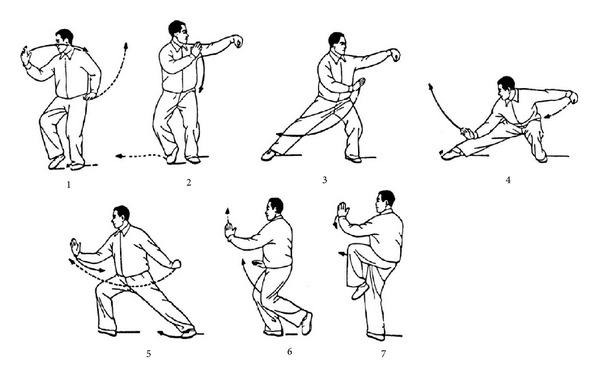
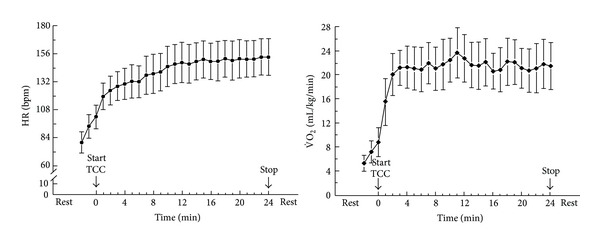
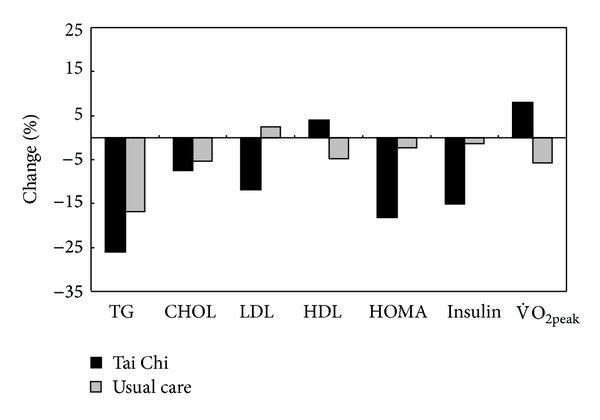
Tai Chi Chuan (Tai Chi) is a Chinese traditional mind-body exercise and recently, it becomes popular worldwide. During the practice of Tai Chi, deep diaphragmatic breathing is integrated into body motions to achieve a harmonious balance between body and mind and to facilitate the flow of internal energy (Qi). Participants can choose to perform a complete set of Tai Chi or selected movements according to their needs. Previous research substantiates that Tai Chi has significant benefits to health promotion, and regularly practicing Tai Chi improves aerobic capacity, muscular strength, balance, health-related quality of life, and psychological well-being. Recent studies also prove that Tai Chi is safe and effective for patients with neurological diseases (e.g., stroke, Parkinson's disease, traumatic brain injury, multiple sclerosis, cognitive dysfunction), rheumatological disease (e.g., rheumatoid arthritis, ankylosing spondylitis, and fibromyalgia), orthopedic diseases (e.g., osteoarthritis, osteoporosis, low-back pain, and musculoskeletal disorder), cardiovascular diseases (e.g., acute myocardial infarction, coronary artery bypass grafting surgery, and heart failure), chronic obstructive pulmonary diseases, and breast cancers. Tai Chi is an aerobic exercise with mild-to-moderate intensity and is appropriate for implementation in the community. This paper reviews the existing literature on Tai Chi and introduces its health-promotion effect and the potential clinical applications.
Figures

References
-
- China Sports. Simplified “Taijiquan”. 2nd edition. Beijing, China: China Publications Center; 1983.
-
- Lan C, Chen SY, Lai JS, Wong MK. Heart rate responses and oxygen consumption during Tai CM Chuan practice. American Journal of Chinese Medicine. 2001;29(3-4):403–410. - PubMed
-
- Garber CE, Blissmer B, Deschenes MR, et al. American College of Sports Medicine position stand. Quantity and quality of exercise for developing and maintaining cardiorespiratory, musculoskeletal, and neuromotor fitness in apparently healthy adults: guidance for prescribing exercise. Medicine and Science in Sports and Exercise. 2011;43(7):1334–1359. - PubMed
-
- Lan C, Chen SY, Lai JS. Relative exercise intensity of Tai Chi Chuan is similar in different ages and gender. American Journal of Chinese Medicine. 2004;32(1):151–160. - PubMed
-
- Wu G, Hitt J. Ground contact characteristics of Tai Chi gait. Gait and Posture. 2005;22(1):32–39. - PubMed
Publication types
LinkOut - more resources
Full Text Sources
Other Literature Sources
Research Materials
