. 2013 Oct 22;8(10):e78467.
doi: 10.1371/journal.pone.0078467. eCollection 2013.

Pistil starch reserves at anthesis correlate with final flower fate in avocado (Persea americana)

Affiliations

Pistil starch reserves at anthesis correlate with final flower fate in avocado (Persea americana)

María Librada Alcaraz et al. PLoS One. .

Abstract

A common observation in different plant species is a massive abscission of flowers and fruitlets even after adequate pollination, but little is known as to the reason for this drop. Previous research has shown the importance of nutritive reserves accumulated in the flower on fertilization success and initial fruit development but direct evidence has been elusive. Avocado (Persea americana) is an extreme case of a species with a very low fruit to flower ratio. In this work, the implications of starch content in the avocado flower on the subsequent fruit set are explored. Firstly, starch content in individual ovaries was analysed from two populations of flowers with a different fruit set capacity showing that the flowers from the population that resulted in a higher percentage of fruit set contained significantly more starch. Secondly, in a different set of flowers, the style of each flower was excised one day after pollination, once the pollen tubes had reached the base of the style, and individually fixed for starch content analysis under the microscope once the fate of its corresponding ovary (that remained in the tree) was known. A high variability in starch content in the style was found among flowers, with some flowers having starch content up to 1,000 times higher than others, and the flowers that successfully developed into fruits presented significantly higher starch content in the style at anthesis than those that abscised. The relationship between starch content in the ovary and the capacity of set of the flower together with the correlation found between the starch content in the style and the fate of the ovary support the hypothesis that the carbohydrate reserves accumulated in the flower at anthesis are related to subsequent abscission or retention of the developing fruit.


Conflict of interest statement

Competing Interests: The authors have declared that no competing interests exist.

Figures

Figure 1
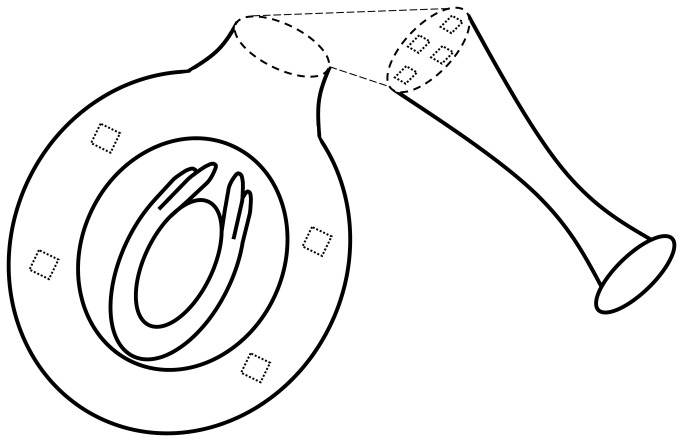
Figure 1. Diagram representing the pistil of an avocado flower after the dissection of the style.
Boxes indicate the regions in which starch content was measured in the ovary and cortical tissue of the style with the image analysis system.
Figure 2
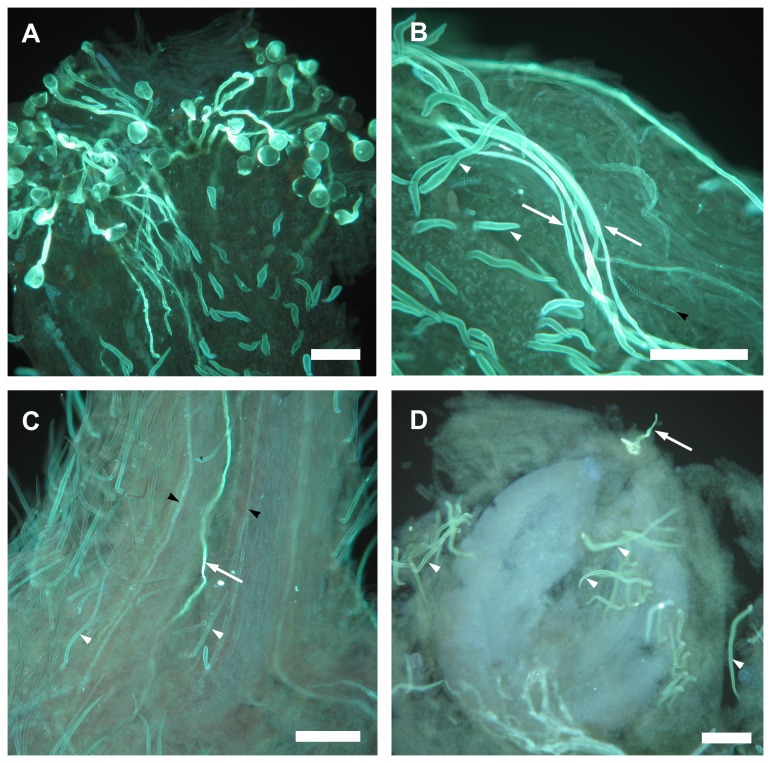
Figure 2. Progamic phase in avocado (Persea americana).
Pollen germination and pollen tube growth in avocado ‘Hass’. (A) Pollen grain germination at the stigma with pollen tubes growing along the style. (B) Pollen tubes (arrows) advancing to the base of the style. (C) Pollen tube (arrow) entering the ovary. (D) Pollen tube (arrow) reaching the ovule. Other aniline blue-stained signals include trichomes (white arrowheads) and xylem vessels (black arrowheads). Scale bars = 100 μm.
Figure 3
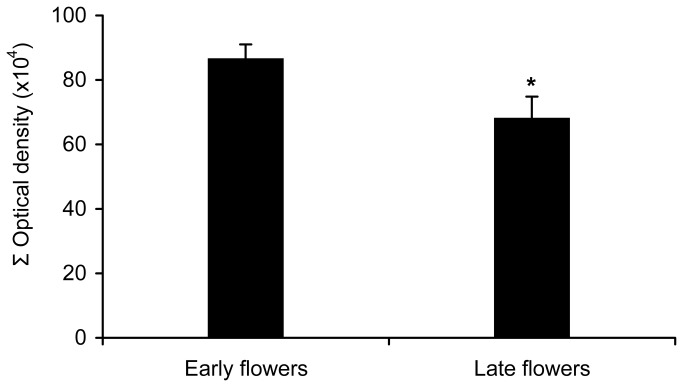
Figure 3. Starch content in early and late flowers.
Starch content in the ovary of flowers from early-developing inflorescences with that of flowers from a group of late-developing inflorescences that open around a month later and usually do not produce fruits in avocado ‘Hass’. Mean ± SE of the average values. Asterisk indicates a significant difference (P < 0.05).
Figure 4
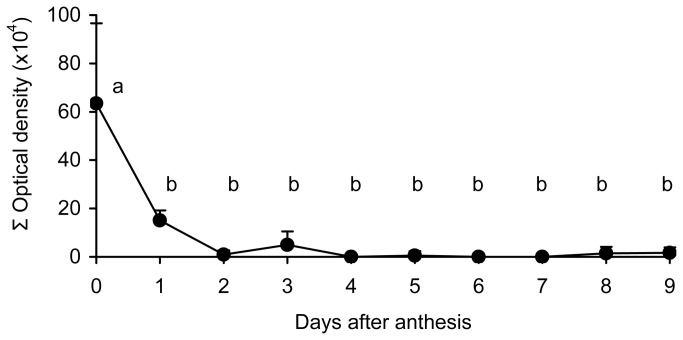
Figure 4. Starch content in the style of avocado flowers after anthesis.
Starch content in the cortical tissue of the style in hand-pollinated flowers in avocado ‘Hass’ during 9 days following anthesis. Each value is the mean ± SE. Different letters indicate significant differences (P < 0.05) using the Tukey-Kramer test.
Figure 5
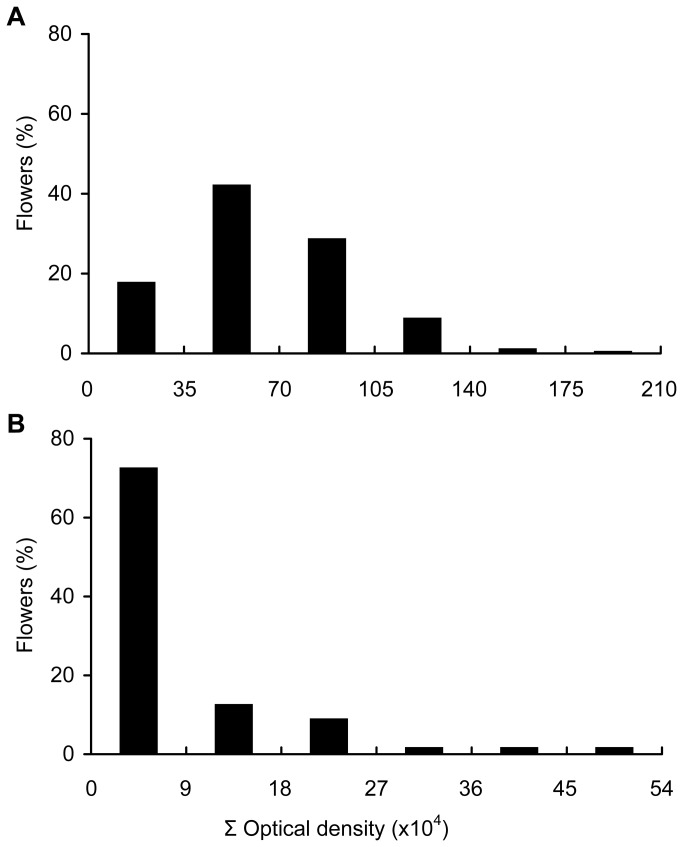
Figure 5. Distribution of avocado flowers according to their starch content in the style.
Starch content in the style (A) at anthesis and (B) the day following anthesis in avocado ‘Hass’.
Figure 6
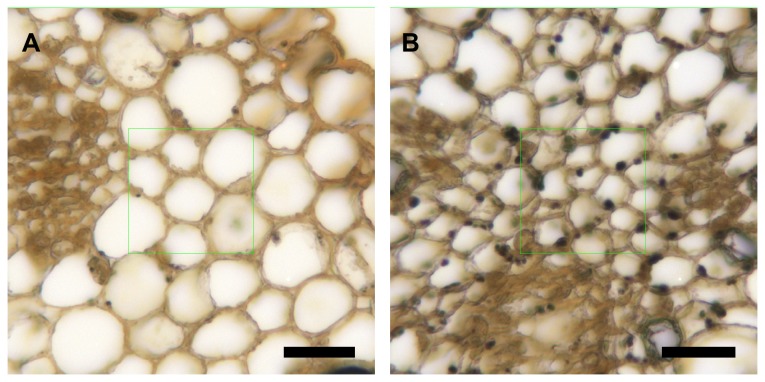
Figure 6. Starch in the style of avocado flowers.
I2KI-stained sections of avocado ‘Hass’ flowers with low- (A) and high-starch content (B) in the style. Bars = 20 μm.
Figure 7
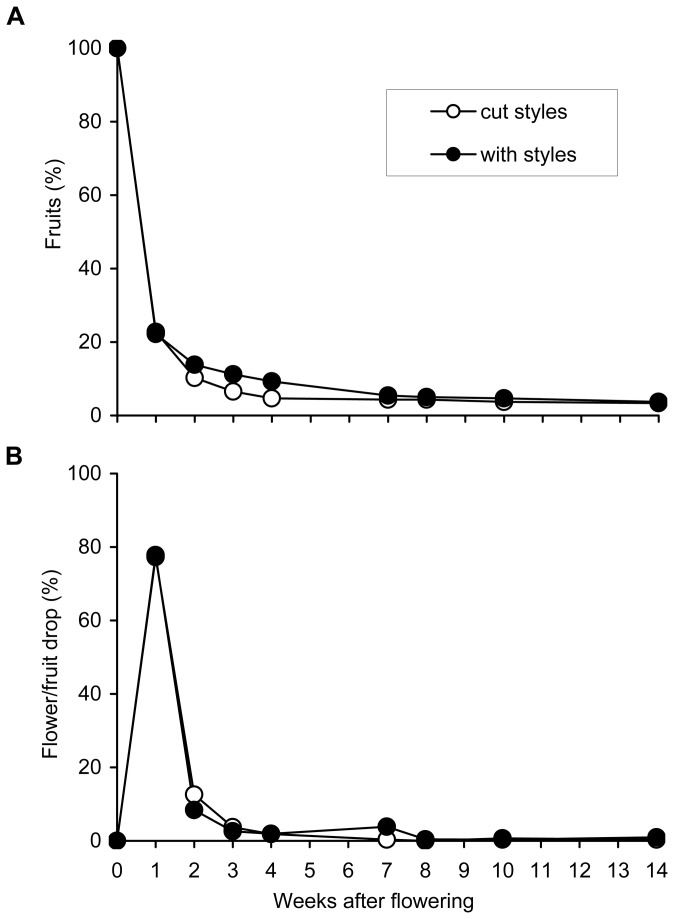
Figure 7. Fruit abscission in avocado.
(A) Percentage of fruits remaining in the trees from the original number of flowers and (B) percentage of fruits dropped each week in relation to the initial number of flowers in a population of flowers left as control and in the population of flowers whose styles were excised 1 day after pollination in avocado ‘Hass’.
Figure 8
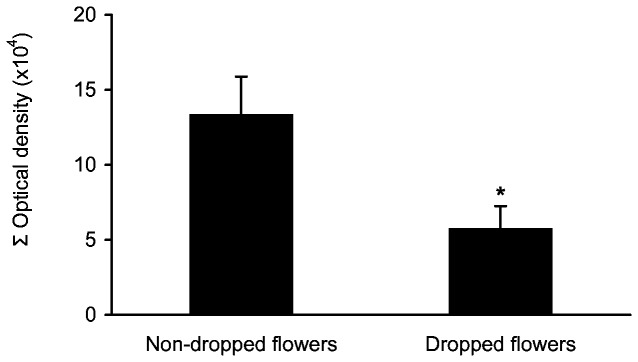
Figure 8. Starch content and reproductive success.
Starch content in the style in two populations of flowers, those that dropped and those that remained in the trees until harvest in avocado ‘Hass’. Mean ± SE of the average values. Asterisk indicates a significant difference (P < 0.05).

References

    1. Stephenson AG (1981) Flower and fruit abortion: proximate causes and ultimate functions. Annu Rev Ecol Syst 12: 253-279. doi:10.1146/annurev.es.12.110181.001345. - DOI
    1. Sutherland S (1987) Why hermaphroditic plants produce many more flowers than fruits: experimental tests with Agave mckelveyana . Evolution 41: 750-759. doi:10.2307/2408885. - DOI - PubMed
    1. Ayre DJ, Whelan RJ (1989) Factors controlling fruit-set in hermaphroditic plants - studies with the Australian proteaceae. Trends Ecol Evol 4: 267-272. doi:10.1016/0169-5347(89)90197-3. PubMed: 21227364. - DOI - PubMed
    1. Charlesworth D (1989) Why do plants produce so many more ovules than seeds? Nature 338: 21-22. doi:10.1038/338021a0. - DOI
    1. Reale L, Sgromo C, Ederli L, Pasqualini S, Orlandi F et al. (2009) Morphological and cytological development and starch accumulation in hermaphrodite and staminate flowers of olive (Olea europaea L.). Sexual Plant Reproduction 22: 109-119. - PubMed

Publication types

LinkOut - more resources