


Physiological and psychological effects of walking on young males in urban parks in winter
- PMID: 24168929
- PMCID: PMC3817995
- DOI: 10.1186/1880-6805-32-18
Physiological and psychological effects of walking on young males in urban parks in winter
Abstract
Background: Interaction with nature has a relaxing effect on humans. Increasing attention has been focused on the therapeutic effects of urban green space; however, there is a lack of evidence-based field research. This study provided scientific evidence supporting the physiological and psychological effects of walking on young males in urban parks in winter.
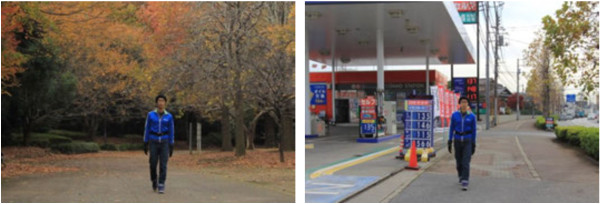
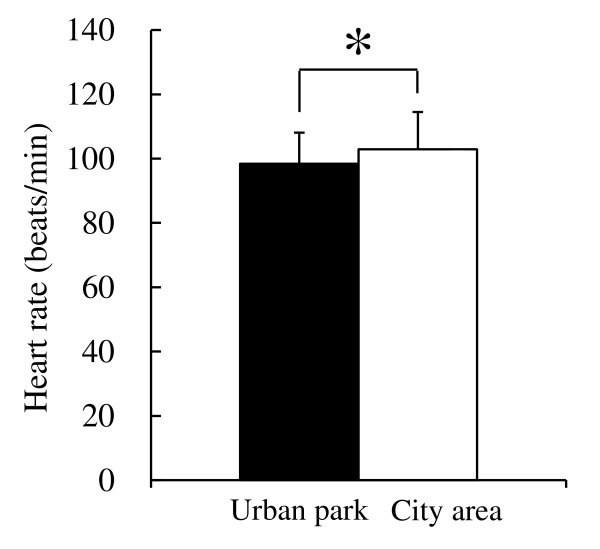
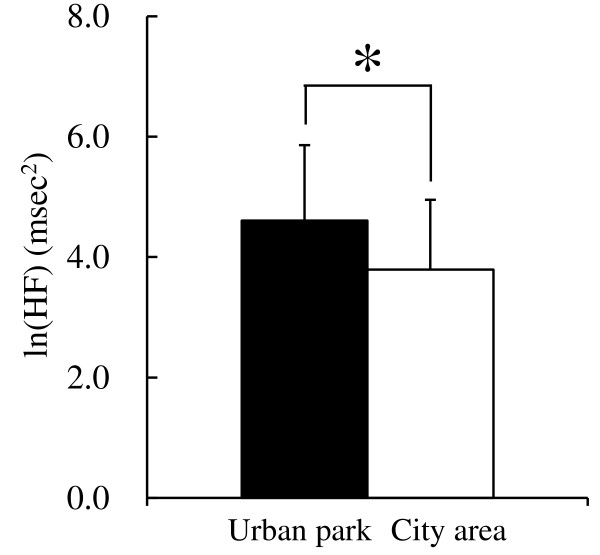
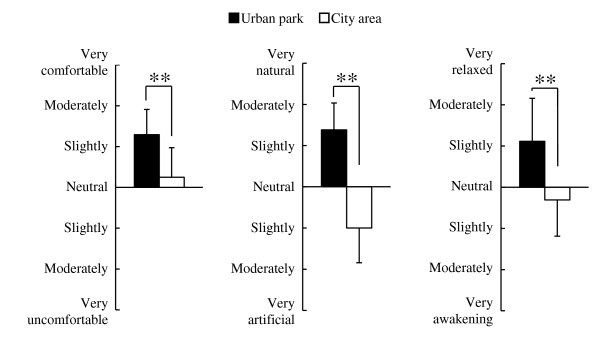
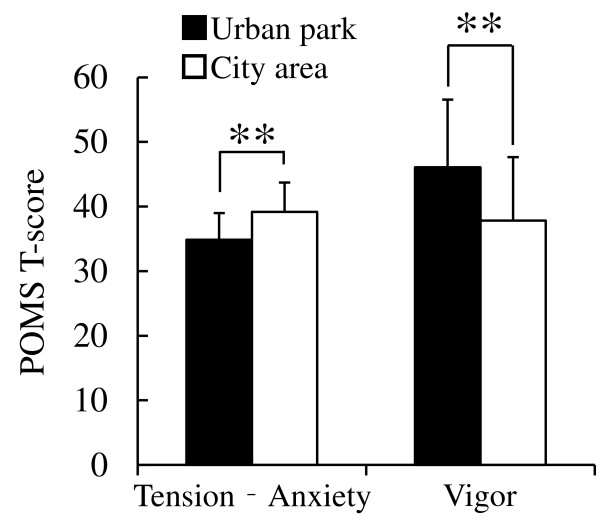
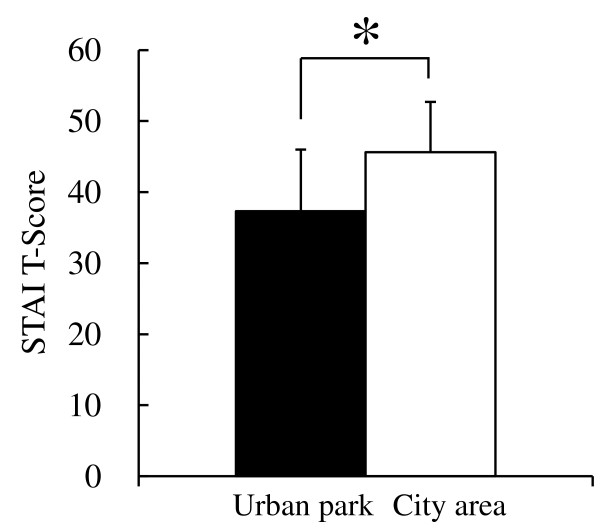
Findings: Subjects (13 males aged 22.5 ± 3.1 years) were instructed to walk predetermined 15-minute courses in an urban park (test) and in the city area (control). Heart rate and heart rate variability (HRV) were measured to assess physiological responses. The semantic differential (SD) method, Profile of Mood States (POMS), and State-Trait Anxiety Inventory (STAI) were used to determine psychological responses.Heart rate was significantly lower and the natural logarithm of the high frequency component of HRV was significantly higher when walking through the urban park than through the city area. The results of three questionnaires indicated that walking in the urban park improved mood and decreased negative feelings and anxiety.
Conclusions: Physiological and psychological data from this field experiment provide important scientific evidence regarding the health benefits of walking in an urban park. The results support the premise that walking in an urban park has relaxing effects even in winter.
Figures
References
-
- Brunet M, Guy F, Pilbeam D, Mackaye HT, Likius A, Ahounta D, Beauvilain A, Blondel C, Bocherens H, Boisserie JR, Bonis L, Coppens Y, Dejax J, Denys C, Duringer P, Eisenmann V, Fanone G, Fronty P, Geraads D, Lehmann T, Lihoreau F, Louchart A, Mahamat A, Merceron G, Mouchelin G, Otero O, Campomanes PP, Leon MPD, Rage JC, Sapanet M. et al. A new hominid from the Upper Miocene of Chad, Central Africa. Nature. 2002;418:141–151. doi: 10.1038/418141a. - DOI - PubMed
-
- Ulrich RS, Simons RF, Losito BD, Fiorito E, Miles MA, Zelson M. Stress recovery during exposure to natural and urban environments. J Environ Psychol. 1991;11:201–230. doi: 10.1016/S0272-4944(05)80184-7. - DOI
-
- Miyazaki Y, Park BJ, Lee J. In: Designing our Future: Local Perspectives on Bioproduction, Ecosystems and Humanity. Osaki M, Braimoh A, Nakagami K, editor. New York, NY: United Nations University Press; 2011. Nature therapy; pp. 407–412.
-
- Kaplan R, Kaplan S. The Experience of Nature: A Psychological Perspective. New York, NY: Cambridge University Press; 1989.
MeSH terms
LinkOut - more resources
Full Text Sources
Other Literature Sources
