. 2013 Nov 21;20(11):1352-63.
doi: 10.1016/j.chembiol.2013.09.014. Epub 2013 Oct 31.

Next-generation NAMPT inhibitors identified by sequential high-throughput phenotypic chemical and functional genomic screens

Affiliations

Next-generation NAMPT inhibitors identified by sequential high-throughput phenotypic chemical and functional genomic screens

Christina J Matheny et al. Chem Biol. .

Abstract

Phenotypic high-throughput chemical screens allow for discovery of small molecules that modulate complex phenotypes and provide lead compounds for novel therapies; however, identification of the mechanistically relevant targets remains a major experimental challenge. We report the application of sequential unbiased high-throughput chemical and ultracomplex small hairpin RNA (shRNA) screens to identify a distinctive class of inhibitors that target nicotinamide phosphoribosyl transferase (NAMPT), a rate-limiting enzyme in the biosynthesis of nicotinamide adenine dinucleotide, a crucial cofactor in many biochemical processes. The lead compound STF-118804 is a highly specific NAMPT inhibitor, improves survival in an orthotopic xenotransplant model of high-risk acute lymphoblastic leukemia, and targets leukemia stem cells. Tandem high-throughput screening using chemical and ultracomplex shRNA libraries, therefore, provides a rapid chemical genetics approach for seamless progression from small-molecule lead identification to target discovery and validation.


Figures

Figure 1
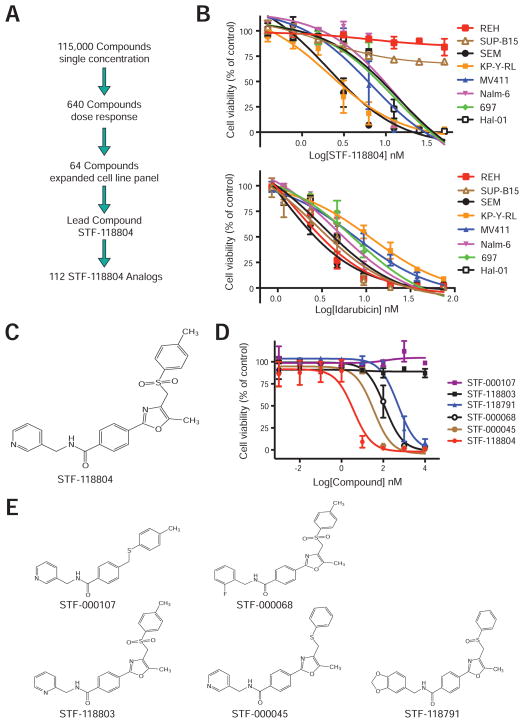
Figure 1. Phenotypic chemical HTS screen identifies a class of cytotoxic compounds
(A) Schematic summary of the experimental approach employed for a phenotypic, cell-based, high-throughput, small molecule screen and subsequent confirmatory analyses that identified lead compound STF-118804, which inhibited human ALL cell lines with nanomolar potency. Structurally related analogs were tested to determine structure-activity-relationship (SAR) of STF-118804. (B) Human B-ALL cell lines were treated with STF-118804 (upper) or idarubicin (lower) and assessed for viability at day 3 via CellTiter-Blue. Data are from 3 independent experiments performed in triplicate (± SEM). (C) Chemical structure of STF-118804. (D) Viability of MV411 cells was quantified after 3-day culture in the presence of the indicated structural analogs of STF-118804. Data represent three independent experiments performed in triplicate (± SEM). (E) Chemical structures are shown for representative STF-118804 analogs. See also Figure S1 and Table S1.
Figure 2
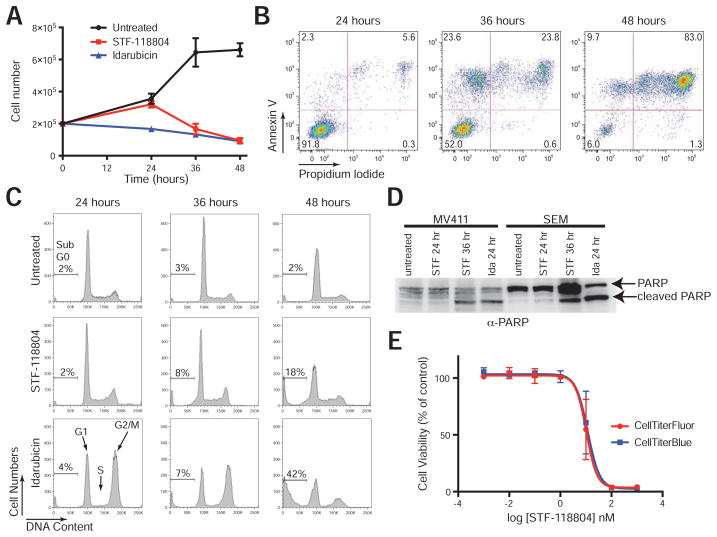
Figure 2. STF-118804 induces apoptosis without antecedent cell cycle arrest
(A) Growth of MV411 cells in the absence or presence of STF-11804 (100 nM) or idarubicin (25 nM) was quantified by trypan blue exclusion. Errors bars represent standard error of the mean for three independent experiments. (B) MV411 cells were treated with STF-118804 (100 nM) for the indicated times and assessed by flow cytometry for annexin V-FITC and propidium iodide staining. Double positive cells correspond to late stages of apoptosis. Data are representative of three independent experiments. (C) Cell cycle status was assessed by propidium iodide staining of MV411 cells treated or untreated for the indicated times with STF-118804 (100 nM) or idarubicin (25 nM). STF-118804 induced accumulation of a sub-G0 population at 48 hrs without antecedent reduction of the S/G2/M population, in contrast to idarubicin. Data are representative of three independent experiments. (D) The presence of cleaved PARP (89 kD) was assessed by western blot analysis of lysates from MV411 or SEM leukemia cell lines treated with 100 nM STF-118804 for 24 (STF 24) or 36 (STF 36) hours, or 25 nM idarubicin for 24 hours (Ida 24). Data are representative of two independent experiments. (E) Dose-response curve of MV411 cells treated with STF-118804 for 72 hours. Cell viability was measured by a resazurin-based assay (CellTiter-Blue) and a live cell protease-based assay (CellTiter-Fluor). Data represent three independent experiments performed in triplicate (± SEM). See also Figure S2.
Figure 3
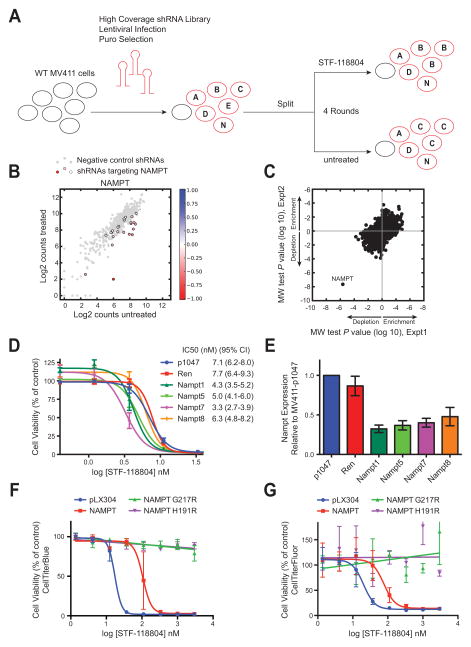
Figure 3. Knockdown of NAMPT increases sensitivity to STF-118804
(A) Scheme is shown for ultracomplex shRNA screen in which wild-type MV411 leukemia cells were transduced with a pooled shRNA lentiviral library and subjected to four rounds of treatment with STF-118804 or four rounds of passage. Frequency of shRNAs in treated and untreated cells was quantified by high-throughput sequencing. (B) Counts of individual NAMPT shRNAs (colored dots) in STF-118804 treated vs. untreated cells are shown in comparison to distribution of negative control shRNAs (gray dots). Color scale represents enrichment (blue) or depletion (red) of individual shRNAs in treated vs. untreated cells. (C) Mann Whitney U test P values for enrichment and depletion of STF-118804-treated cells in which different genes are knocked down are shown for two independent experimental replicates. (D) STF-118804 dose response is shown for MV411 cells expressing empty vector (pMK1047), or shRNAs against Renilla luciferase (Ren), or four different shRNAs against NAMPT. Data are from five independent experiments (± SEM). Respective IC50 and 95% confidence interval values are shown to the right. (E) Bar graph shows NAMPT transcript levels in cell lines used in panel 3D as measured by qPCR. Data are from four independent experiments (mean ± SEM). (F) (G) STF-118804 dose-response in HEK293T cells transfected with empty vector (pLX304), or constructs expressing the indicated wt or mutant NAMPT proteins. Cell viability was measured by CellTiter-Blue (F) or CellTiter-Fluor (G). Data are from three independent experiments performed in triplicate (±SEM). See also Table S2.
Figure 4
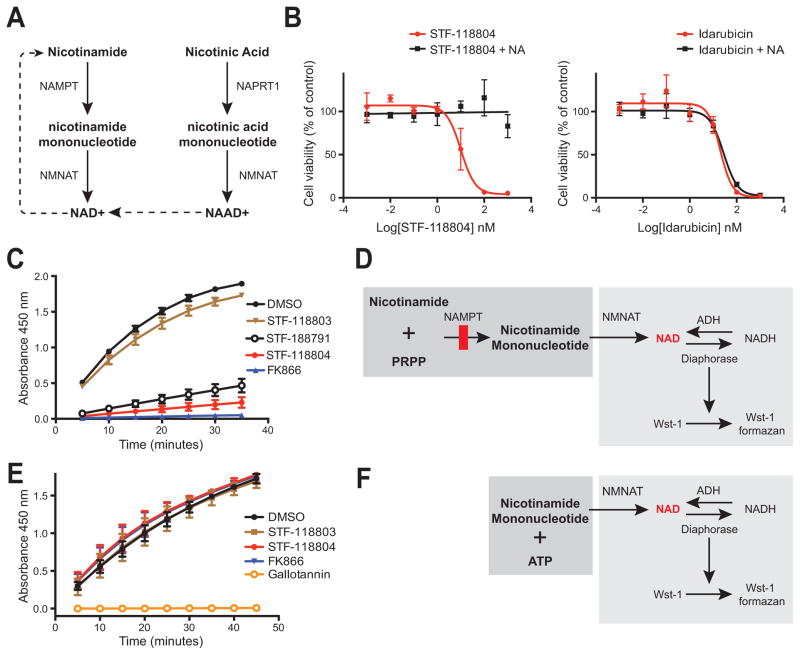
Figure 4. STF-118804 specifically inhibits NAMPT enzymatic activity
(A) The salvage (left side) and Press-Handler (right side) pathways that produce NAD+ from nicotinamide and nicotinic acid, respectively, are shown schematically. (B) The ability of nicotinic acid (10 μM) to rescue the viability of MV411 cells treated with STF-118804 (left) or idarubicin (right) was assessed at 72 hours of treatment by CellTiter-Fluor. Data represent three independent experiments performed in triplicate (± SEM). (C) (D) The indicated compounds were tested for inhibition of NAD+ production in a coupled in vitro enzyme assay (shown schematically) in which the enzymes NAMPT and NMNAT produce NAD+, which is indirectly measured via the formation of the colorimetric indicator Wst-1 formazan that is quantified via absorbance at 450 nm. Data represent three independent experiments performed in duplicate (± SEM). (E) (F) The indicated compounds were assessed for inhibition of NAD+ production by NMNAT, which produces NAD+ from the substrates nicotinamide mononucleotide and ATP (shown schematically). NAD+ production is indirectly measured by formation of NADH, which converts Wst-1 to Wst-1 formazan. STF-118804 did not inhibit NMNAT or other enzymes in the coupled assay including ADH and diaphorase, thus establishing its specificity for NAMPT, whereas gallotannin (10 μM), a known NMNAT inhibitor, prevented production of NAD+. Data represent three independent experiments performed in duplicate (± SEM).
Figure 5
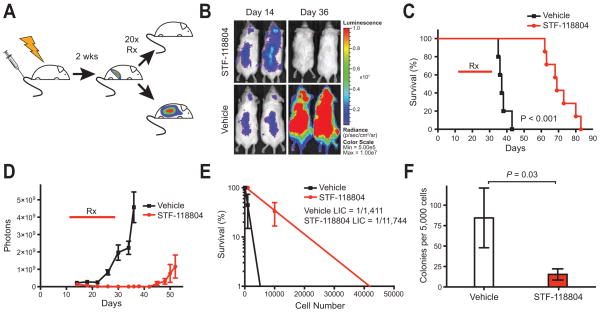
Figure 5. STF-118804 is highly efficacious in an orthotopic xenograft model of ALL
(A) Sublethally irradiated (2.5 gy) NSG mice were transplanted with MV411 cells (5 × 10⁶) modified to constitutively express firefly luciferase. Two-weeks post transplant mice were randomized into 2 groups, and treated subcutaneously for 20 days with either a split dose of 50 mg/kg STF-118804 (n = 7) or vehicle (n = 5). (B) Bioluminescent images of representative mice show no detectable tumor at Day 36 of STF-118804 treatment. (C) Survival curves for mice treated with STF-118804 (days 14–34) indicate survival extension for an average of 34 days longer than vehicle treated mice (P < 0.001, log-rank test). (D) Bioluminescence quantification shows prolonged suppression of disease for at least 18 days after treatment was discontinued and prevention of relapse in individual mice. Data represent mean numbers of photons from bioluminescence images for STF-118804 treated (n = 7) and vehicle treated (n = 5) mice (± SEM). (E) Frequencies of leukemia initiating cells (LICs) were quantified at Day 35 by limit-dilution secondary transplantation and Poisson statistics in mice treated with STF-118804 (n = 3) or vehicle (n = 3). Mice treated with STF-118804 showed a LIC frequency of 1/11,744 (1/4,480–1/30,784) whereas mice treated with vehicle showed a LIC frequency of 1/1,411 (1/600–1/3,320). Error bars are standard error of the mean. (F) Bar graph shows significant reduction (P = 0.03, Student’s t-test) of leukemia colony forming cells in bone marrow of mice treated with STF-118804 (n = 8) versus vehicle (n = 6) at Day 35 (mean ± SEM). Whole bone marrow was plated in human methocult without cytokines, which does not support the growth of endogenous murine progenitors. See also Figures S3 and S4.

Comment in

References

    1. Azorsa DO, Gonzales IM, Basu GD, Choudhary A, Arora S, Bisanz KM, Kiefer JA, Henderson MC, Trent JM, Von Hoff DD, et al. Synthetic lethal RNAi screening identifies sensitizing targets for gemcitabine therapy in pancreatic cancer. Journal of Translational Medicine. 2009;7:43. - PMC - PubMed
    1. Bassik MC, Kampmann M, Lebbink RJ, Wang S, Hein MY, Poser I, Weibezahn J, Horlbeck MA, Chen S, Mann M, et al. A systematic Mammalian genetic interaction map reveals pathways underlying ricin susceptibility. Cell. 2013;152:909–922. - PMC - PubMed
    1. Belenky P, Bogan KL, Brenner C. NAD+ metabolism in health and disease. Trends in Biochemical Sciences. 2007;32:12–19. - PubMed
    1. Boag JM, Beesley AH, Firth MJ, Freitas JR, Ford J, Hoffmann K, Cummings AJ, de Klerk NH, Kees UR. Altered glucose metabolism in childhood pre-B acute lymphoblastic leukaemia. Leukemia. 2006;20:1731–1737. - PubMed
    1. Brummelkamp TR, Fabius AW, Mullenders J, Madiredjo M, Velds A, Kerkhoven RM, Bernards R, Beijersbergen RL. An shRNA barcode screen provides insight into cancer cell vulnerability to MDM2 inhibitors. Nat Chem Biol. 2006;2:202–206. - PubMed

Publication types

MeSH terms