Ongoing surveillance for lymphatic filariasis in Togo: assessment of alternatives and nationwide reassessment of transmission status
- PMID: 24189363
- PMCID: PMC3886434
- DOI: 10.4269/ajtmh.13-0407
Ongoing surveillance for lymphatic filariasis in Togo: assessment of alternatives and nationwide reassessment of transmission status
Abstract
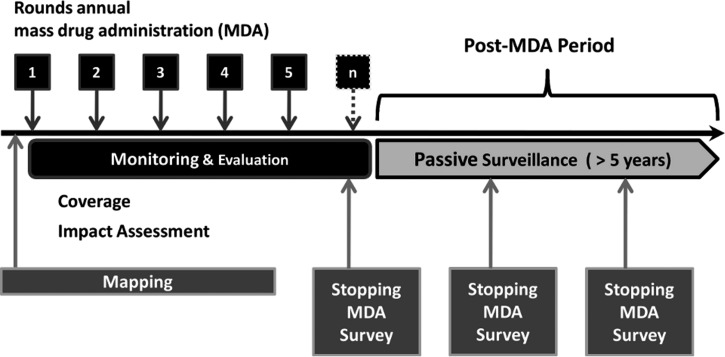
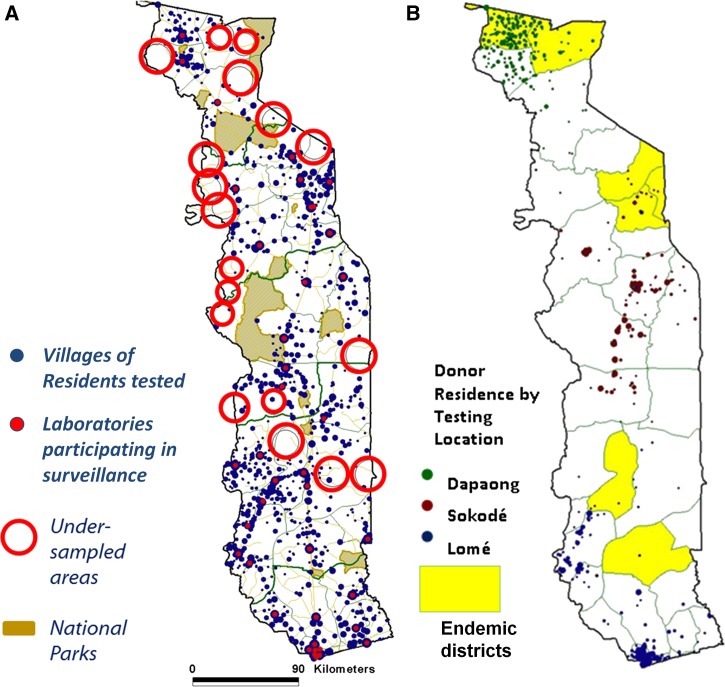
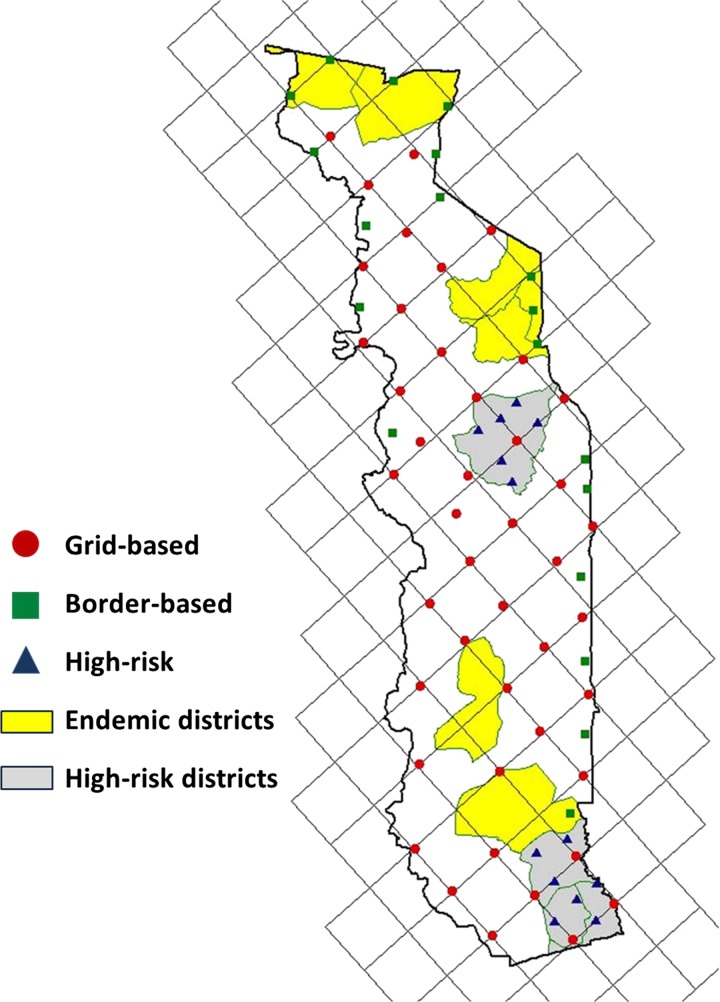
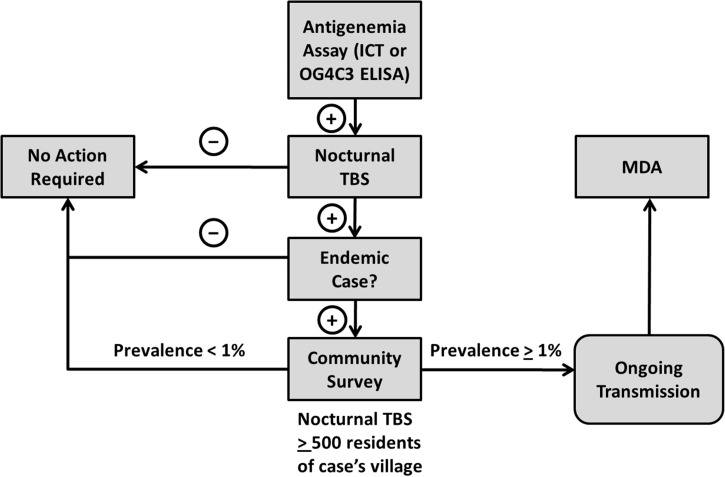
Tremendous progress has been made towards the goal of global elimination of lymphatic filariasis (LF) transmission by 2020. The number of endemic countries reducing LF transmission through mass drug administration continues to increase, and therefore, the need for effective post-intervention surveillance also continues to increase. Togo is the first sub-Saharan African country to implement LF surveillance, and it has 6 years of experience with this passive surveillance system. We herein report the results of a recent evaluation of the Togolese LF surveillance system, including an evaluation of blood donors as a surveillance population, and provide updated results of ongoing surveillance, including expansion in remote areas. Since implementation of LF surveillance in 2006, only three cases of positive Wuchereria bancrofti filaremia have been detected, suggesting that interruption of transmission has been sustained. Given the impracticality of validating the surveillance system in the absence of ongoing transmission, we confirmed the lack of transmission through a nationwide reassessment survey.
Figures
References
-
- Global Programme to Eliminate Lymphatic Filariasis Global Programme to eliminate lymphatic filariasis: progress report on mass drug administration, 2010. Wkly Epidemiol Rec. 2011;86:377–388. - PubMed
-
- WHA50 Elimination of Lymphatic Filariasis as a Public Health Problem. 1997. http://www.who.int/neglected_diseases/mediacentre/WHA_50.29_Eng.pdf Available at. Accessed August 27, 2012. - PubMed
-
- World Health Organization . Monitoring and Epidemiological Assessment of the Programme to Eliminate Lymphatic Filariasis at Implementation Unit Level. Geneva: World Health Organization; 2005.
-
- World Health Organization . Monitoring and Epidemiological Assessment of Mass Drug Administration in the Global Programme to Eliminate Lymphatic Filariasis: A Manual for National Elimination Programmes. Geneva, Switzerland: World Health Organization; 2011.
Publication types
MeSH terms
Grants and funding
LinkOut - more resources
Full Text Sources
Other Literature Sources