. 2014 Apr;127(4):539-51.
doi: 10.1007/s00401-013-1204-8. Epub 2013 Nov 5.

Unique neuromyelitis optica pathology produced in naïve rats by intracerebral administration of NMO-IgG

Affiliations

Unique neuromyelitis optica pathology produced in naïve rats by intracerebral administration of NMO-IgG

Nithi Asavapanumas et al. Acta Neuropathol. 2014 Apr.

Abstract

Animal models of neuromyelitis optica (NMO) are needed for elucidation of disease mechanisms and for testing new therapeutics. Prior animal models of NMO involved administration of human anti-aquaporin-4 immunoglobulin G antibody (NMO-IgG) to rats with pre-existing neuroinflammation, or to naïve mice supplemented with human complement. We report here the development of NMO pathology following passive transfer of NMO-IgG to naïve rats. A single intracerebral infusion of NMO-IgG to adult Lewis rats produced robust lesions around the needle track in 100 % of rats; at 5 days there was marked loss of aquaporin-4 (AQP4), glial fibrillary acidic protein (GFAP) and myelin, granulocyte and macrophage infiltration, vasculocentric complement deposition, blood-brain barrier disruption, microglial activation and neuron death. Remarkably, a distinct 'penumbra' was seen around lesions, with loss of AQP4 but not of GFAP or myelin. No lesions or penumbra were seen in rats receiving control IgG. The size of the main lesion with loss of myelin was greatly reduced in rats made complement-deficient by cobra venom factor or administered NMO-IgG lacking complement-dependent cytotoxicity (CDC) effector function. However, the penumbra was seen under these conditions, suggesting a complement-independent pathogenesis mechanism. The penumbra was absent with NMO-IgG lacking both CDC and antibody-dependent cellular cytotoxicity (ADCC) effector functions. Finally, lesion size was significantly reduced after macrophage depletion with clodronate liposomes. These results: (i) establish a robust, passive-transfer model of NMO in rats that does not require pre-existing neuroinflammation or complement administration; (ii) implicate ADCC as responsible for a unique type of pathology also seen in human NMO; and (iii) support a pathogenic role of macrophages in NMO.


Figures
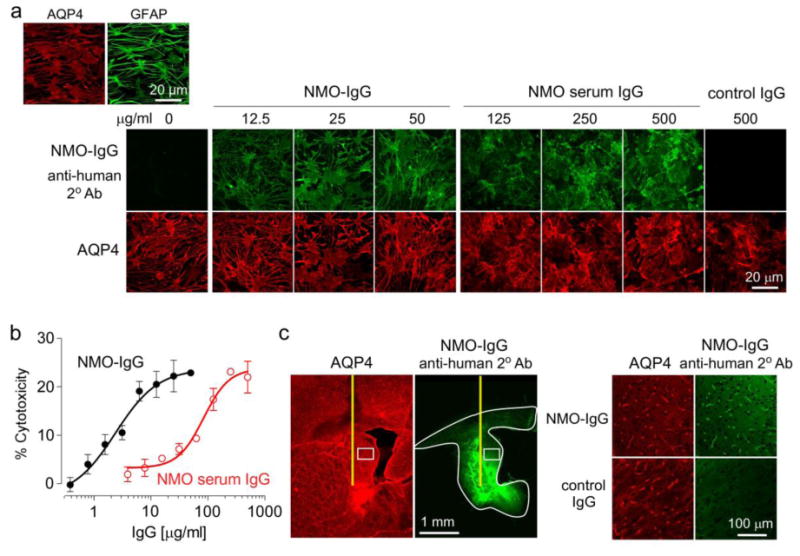
Figure 1
Figure 1. NMO-IgG binds to AQP4 in rat astrocytes and produces CDC in the presence of rat complement
a. (Top left) AQP4 and GFAP immunofluorescence in well-differentiated primary cultures of rat astrocytes. (Bottom) Binding of NMO-IgG (recombinant human antibody rAb-53) or control IgG purified from NMO patient serum (each stained green with anti-human secondary antibody) to AQP4 (red). b. CDC (by Alamar blue assay) in rat astrocyte cultures following 3-h incubation with 5% rat complement and NMO-IgG or IgG purified from NMO patient serum (S.E., n=6). c. (Left) Immumofluorescence of brain sections at 3 h after intracerebral injection of 10 μg NMO-IgG showing area of antibody diffusion (white line). (Right) Expanded micrograph of boxed region along with data for control IgG.
Figure 2
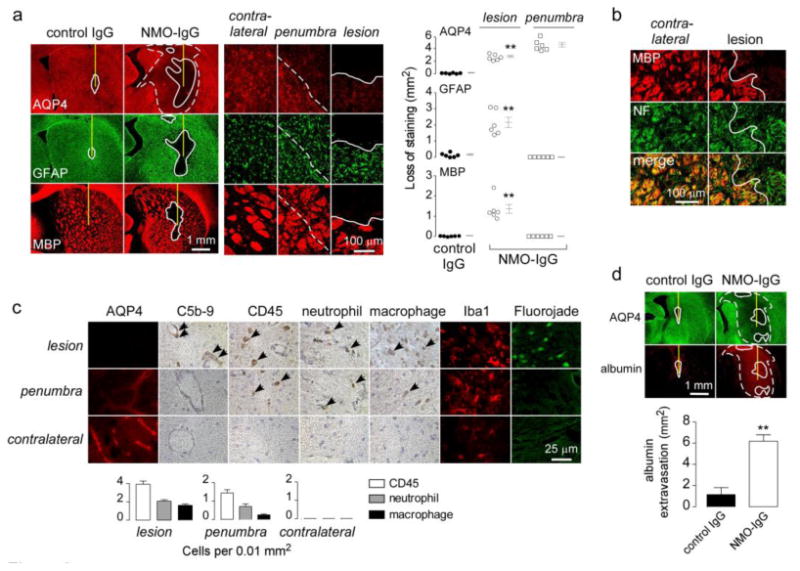
Figure 2. Intracerebral injection of NMO-IgG in rats produces NMO pathology
a. Brains were injected with 10 μg NMO-IgG or control IgG. (Left) AQP4, GFAP and MBP immunofluorescence at 5 days after injection. In this and subsequent figures the needle tract shown as a yellow line, white line demarcates region with loss of immunofluorescence, and white dashed line demarcates the penumbra (reduced AQP4 but normal GFAP and MBP immunofluorescence). (Middle) Higher magnification of indicated regions. (Right) Summary of lesion areas showing data for individual rats (S.E., n=6, ** P < 0.01). b. MBP and neurofilament [5] immunofluorescence. White line demarcates region with loss of immunofluorescence. c. (Left) Immunostaining for AQP4, activated complement (C5b-9), leukocytes (CD45), neutrophils (Ly6-G), macrophages (CD163), microglia (Iba1), and degenerating neurons (Fluorojade) in indicated regions. (Right) Number of infiltrating leukocytes per 0.01 mm2 (S.E., n=3). d. (Top) Albumin immunofluorescence. (Bottom) Area of albumin extravasation (S.E., n=3, ** P < 0.01).
Figure 3
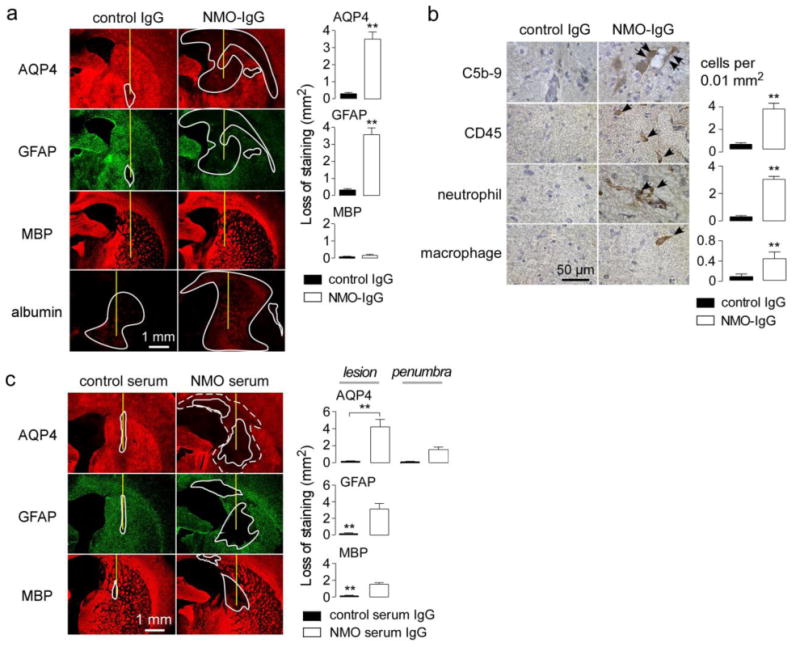
Figure 3. Characterization of early pathology and pathology produced by intracerebral injection of NMO patient serum
a. Brains were injected with 10 μg NMO-IgG or control IgG. (Left) AQP4, GFAP, MBP and albumin immunofluorescence at 1 day after injection. Needle track shown as yellow line and lesion demarcated by white line. (Right) Summary of lesion areas (S.E., n=3, ** P < 0.01). b. (Left) Immunohistochemistry in lesions from A. (Right) Number of infiltrating leukocytes per 0.01 mm2 (S.E., n=3). c. Brains were injected with 1 mg of purified IgG from NMO patient serum or control serum. (Left) AQP4, GFAP and MBP immunofluorescence at 5 days after injection. Summary of lesion areas (S.E., n=3, ** P < 0.01).
Figure 4
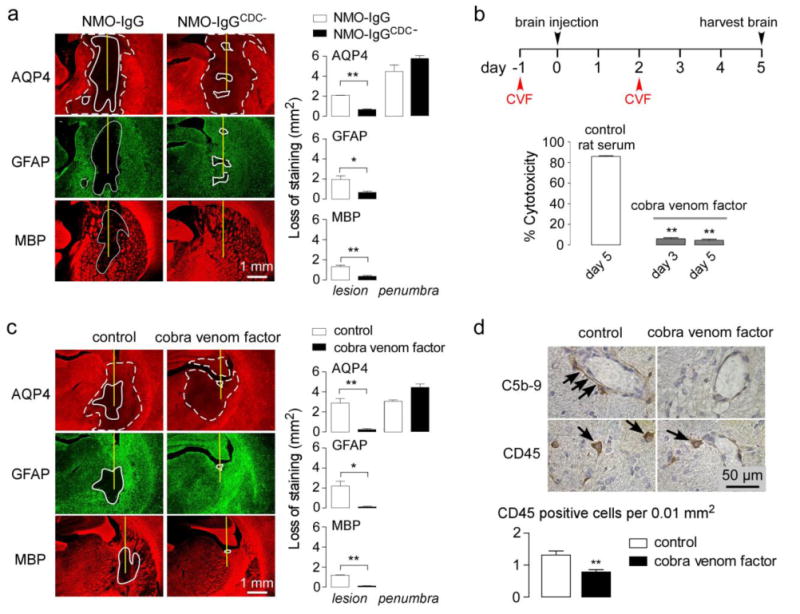
Figure 4. Generation of NMO lesions in rats is complement-dependent
a. Brains were injected with 10 μg of NMO-IgG or NMO-IgGCDC- (lacking CDC effector function). (Left) AQP4, GFAP and MBP immunofluorescence at 5 days after injection. (Right) Summary of lesion areas (S.E., n=3, ** P < 0.01, * P<0.05). b. Cytotoxicity (by Alamar blue assay) in AQP4-expressing CHO cells incubated with 5 μg/ml NMO-IgG and 5% serum from control and cobra venom factor-treated rats (S.E., n=3, ** P< 0.01). c. (Left) AQP4, GFAP and MBP immunofluorescence at 5 days after injection of 10 μg NMO-IgG in control and cobra venom factor-treated rats. (Right) Summary of lesion areas (S.E., n=3, ** P < 0.01, * P<0.05). d. (Top) C5b-9 and CD45 immunohistochemistry. (Bottom) Number of CD45-positive cells per 0.01 mm2 (S.E., n=3, ** P< 0.01).
Figure 5
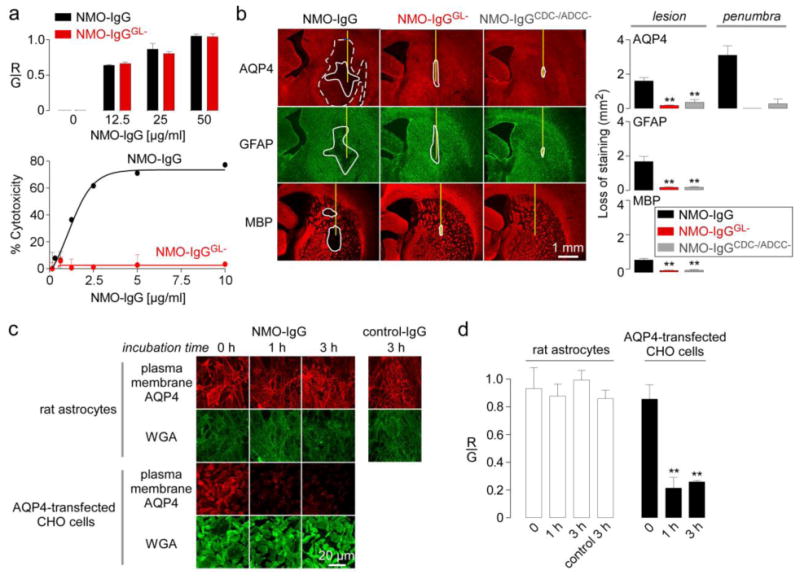
Figure 5. Mechanisms of penumbra pathology
a. (Top) Binding of control and deglycosylated NMO-IgG (NMO-IgGGL-) to AQP4-expressing CHO cells showing red-to-green fluorescence ratio (R/G) at indicated NMO-IgG concentrations. (Bottom) Cytotoxicity (by Alamar blue assay) following incubation for 1 h with NMO-IgG or NMO-IgGGL- and 5% complement (S.E., n=3). b. AQP4, GFAP and MBP immunofluorescence at 5 days after injection with NMO-IgG, NMO-IgGGL- or NMO-IgGCDC-/ADCC-. (Right) Summary of lesion areas (S.E., n=3, ** P < 0.01). c. Internalization of AQP4 in rat primary astrocyte cultures. Cells were incubated for 1 or 3 h at 37 °C with 100 μg/ml NMO-IgG or control IgG. Surface AQP4 immunofluorescence shown in red, with plasma membrane marker (WGA) in green. AQP4 internalization in AQP4-expressing CHO cells shown as positive control. d. R/G ratios from experiments as in c (S.E., n=3, ** P < 0.01).
Figure 6
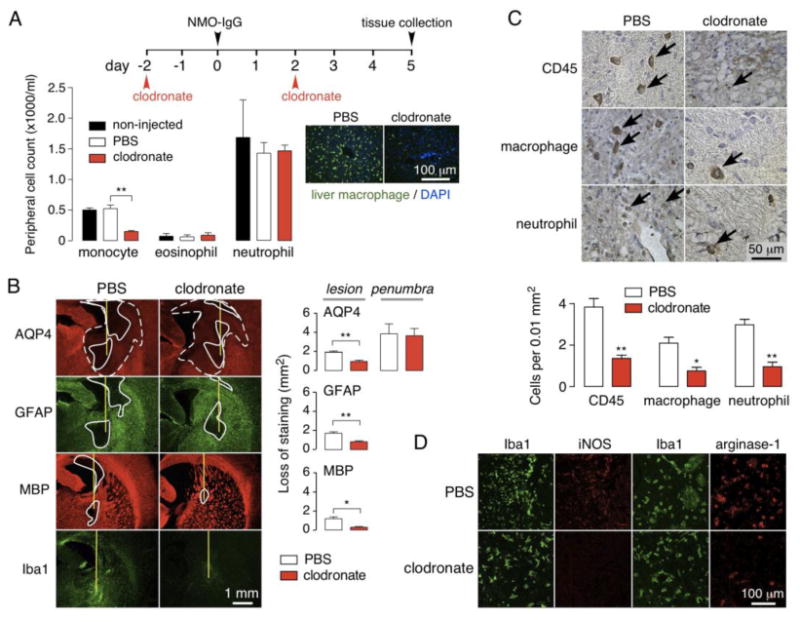
Figure 6. Pathogenic role of macrophages in NMO
a. Macrophages were depleted by intraperitoneal injection of clodronate liposomes. (Left) Peripheral monocyte, eosinophil and neutrophil counts at day 5 in control (non-injected), and PBS-liposome and clodronate-liposome injected rats (S.E., n=3, ** P < 0.01). (Right) Liver sections immunostained for macrophages (green) with DAPI (blue) counterstain. b. AQP4, GFAP and MBP immunofluorescence at 5 days after intracerebral injection of 10 μg NMO-IgG in rat treated with control or clodronate liposomes. (Right) Summary of lesion areas (S.E., n=3, ** P < 0.01, * P < 0.05). c. (Top) Immunohistochemistry showing infiltrating leukocytes (arrows) in lesions. (Bottom) Number of CD45, CD163 and Ly-6G positive cells per 0.01 mm2 (S.E., n=3, ** P < 0.01, * P < 0.05). d. Iba1, M1 (M1 mac) and M2 (M2 mac) macrophage staining in rats treated with PBS- or clodronate-liposomes.

References

    1. Aoyama M, Kakita H, Kato S, Tomita M, Asai K. Region-specific expression of a water channel protein, aquaporin 4, on brain astrocytes. J Neurosci Res. 2012;90(12):2272–2280. doi: 10.1002/jnr.23117. - DOI - PubMed
    1. Bennett JL, Lam C, Kalluri SR, Saikali P, Bautista K, Dupree C, Glogowska M, Case D, Antel JP, Owens GP, Gilden D, Nessler S, Stadelmann C, Hemmer B. Intrathecal pathogenic anti-aquaporin-4 antibodies in early neuromyelitis optica. Ann Neurol. 2009;66(5):617–629. doi: 10.1002/ana.21802. - DOI - PMC - PubMed
    1. Bergman I, Basse PH, Barmada MA, Griffin JA, Cheung NK. Comparison of in vitro antibody-targeted cytotoxicity using mouse, rat and human effectors. Cancer Immunol Immunother. 2000;49(4-5):259–266. - PMC - PubMed
    1. Bodega G, Suarez I, Lopez-Fernandez LA, Almonacid L, Zaballos A, Fernandez B. Possible implication of ciliary neurotrophic factor (CNTF) and beta-synuclein in the ammonia effect on cultured rat astroglial cells: a study using DNA and protein microarrays. Neurochem Int. 2006;48(8):729–738. doi:S0197-0186(06)00004-0. - PubMed
    1. Bush TG, Puvanachandra N, Horner CH, Polito A, Ostenfeld T, Svendsen CN, Mucke L, Johnson MH, Sofroniew MV. Leukocyte infiltration, neuronal degeneration, and neurite outgrowth after ablation of scar-forming, reactive astrocytes in adult transgenic mice. Neuron. 1999;23(2):297–308. - PubMed

Publication types

MeSH terms