


Turning bias in virtual spatial navigation: age-related differences and neuroanatomical correlates
- PMID: 24192272
- PMCID: PMC3946712
- DOI: 10.1016/j.biopsycho.2013.10.009
Turning bias in virtual spatial navigation: age-related differences and neuroanatomical correlates
Abstract
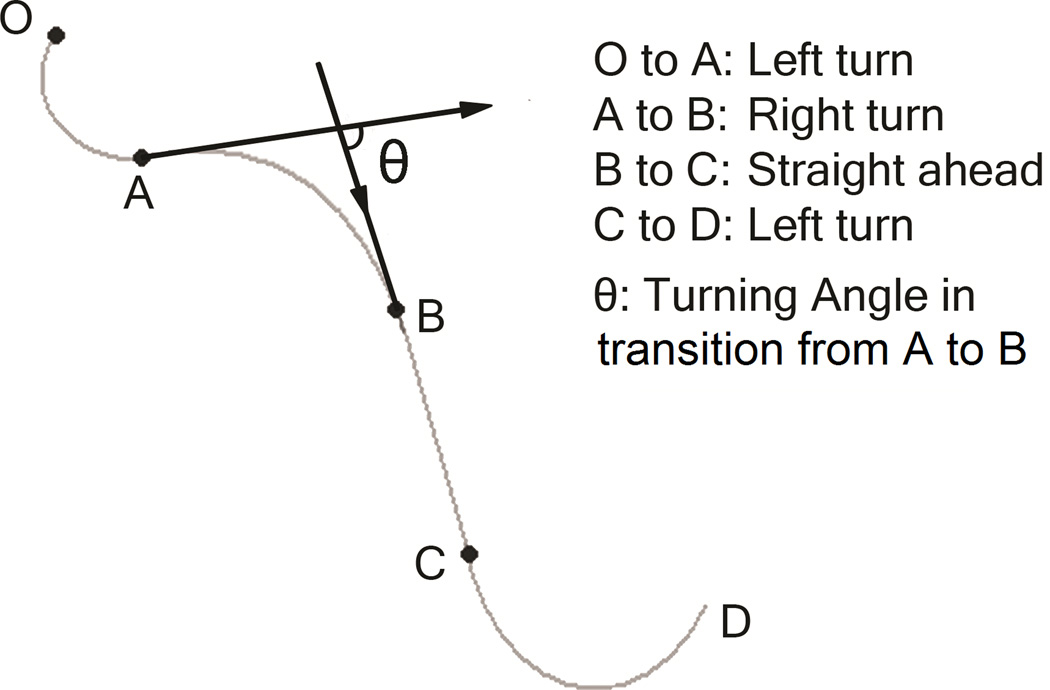
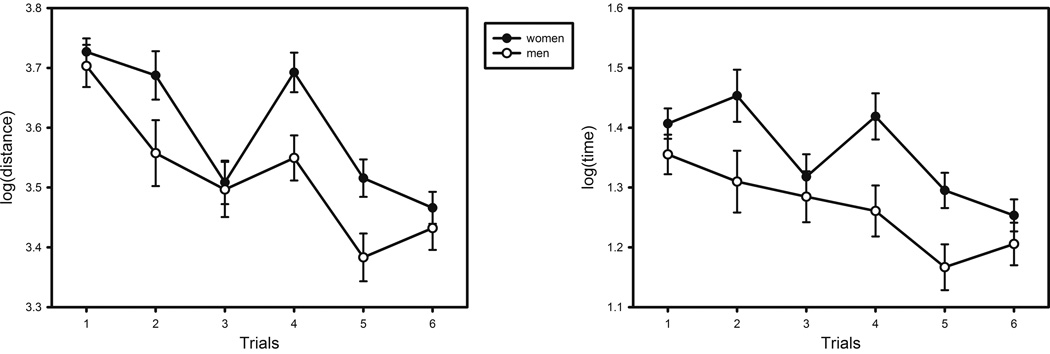
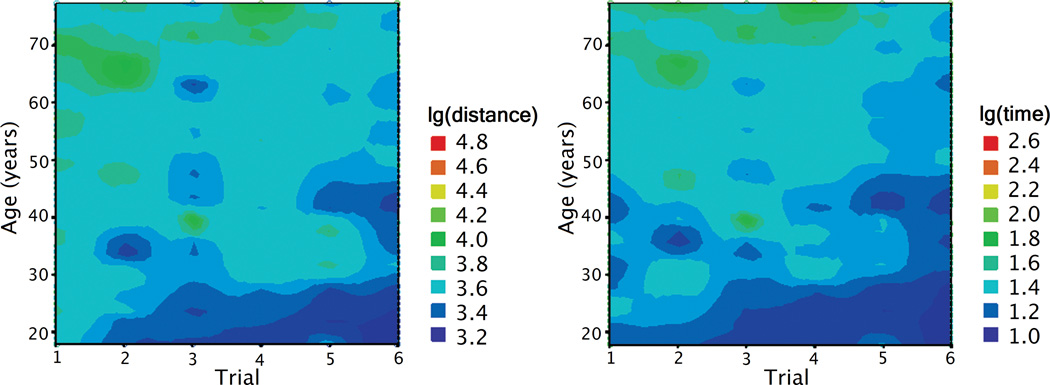
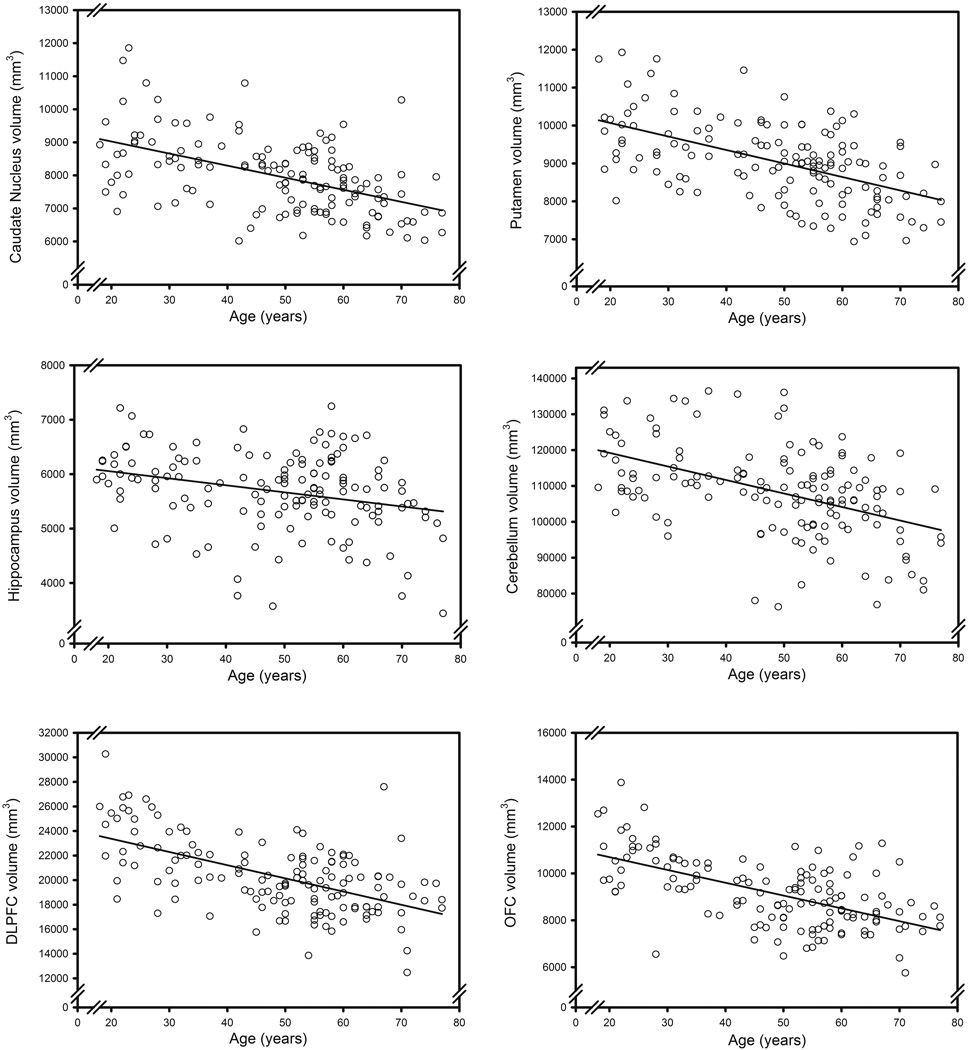
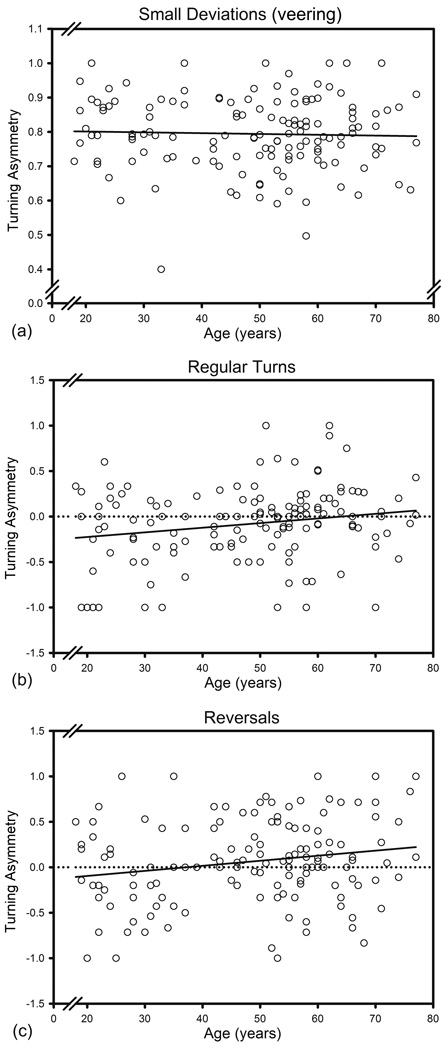
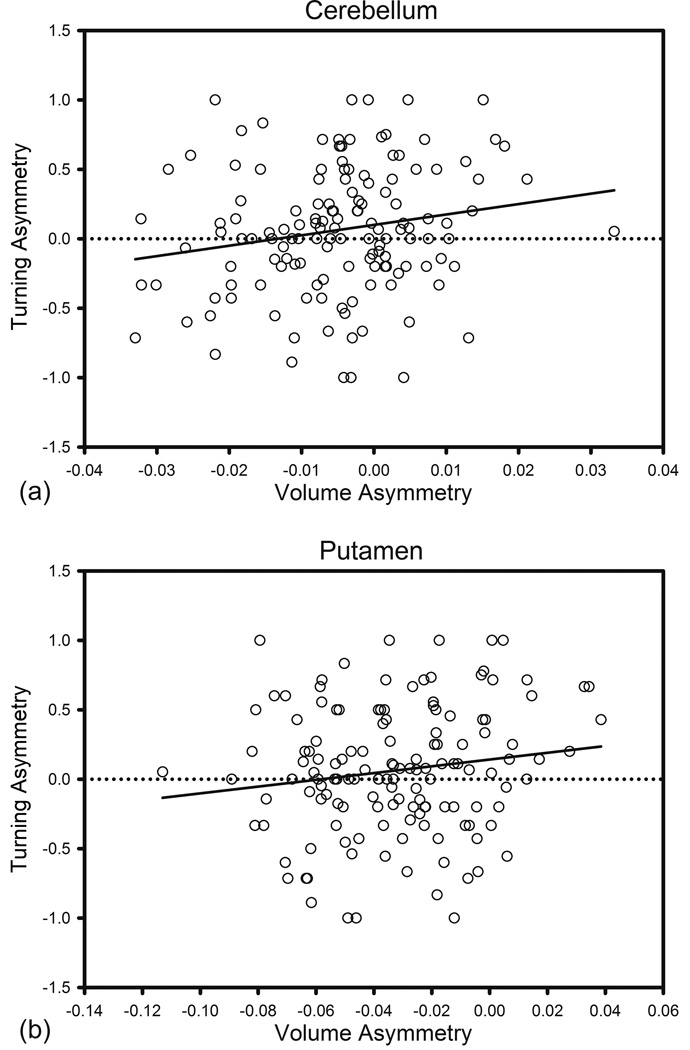
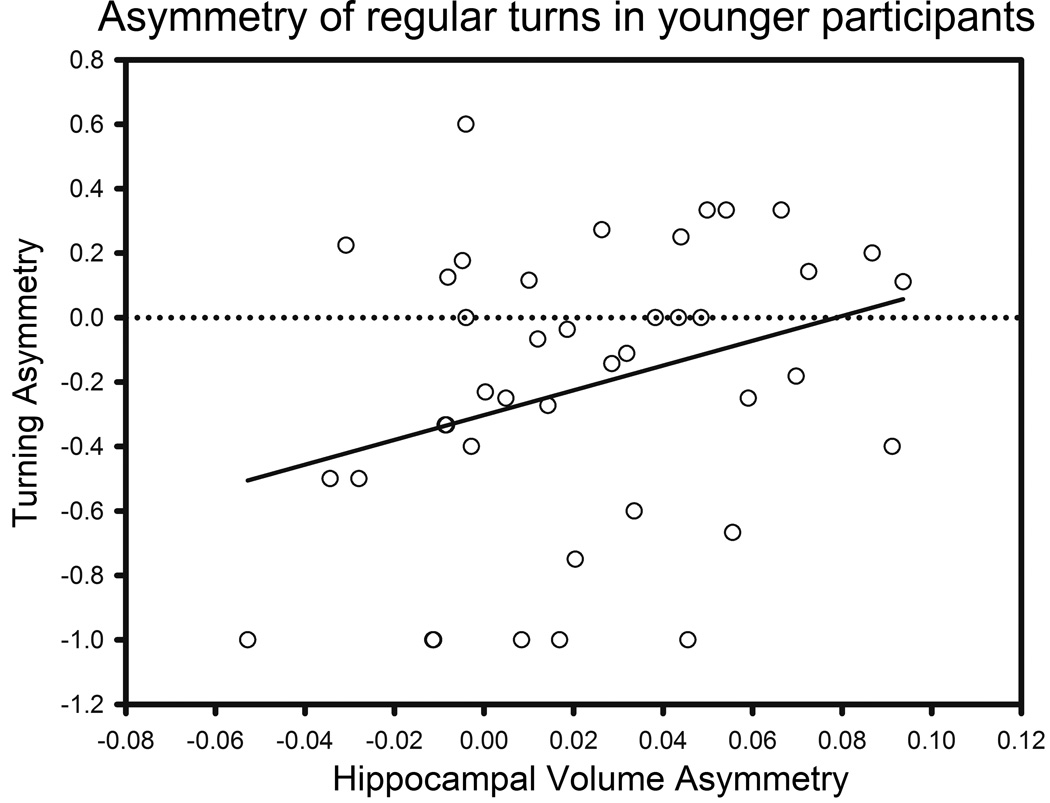
Rodents frequently exhibit rotational bias associated with asymmetry in lesions and neurotransmitters in the striatum. However, in humans, turning preference is inconsistent across studies, and its neural correlates are unclear. We examined turning bias in 140 right-handed healthy adults (18-77 years old), who navigated a virtual Morris Water Maze. On magnetic resonance images, we measured volumes of brain regions relevant to spatial navigation. We classified turns that occurred during virtual navigation as veering (less than 10°), true turns (between 10° and 90°) and course reversals (over 90°). The results showed that performance (time of platform search and distance traveled) was negatively related to age. The distance traveled was positively associated with volume of the orbito-frontal cortex but not with the volumes of the cerebellum, the hippocampus or the primary visual cortex. Examination of turning behavior showed that all participants veered to the right. In turns and reversals, although on average there was no consistent direction preference, we observed significant individual biases. Virtual turning preference correlated with volumetric asymmetry in the striatum, cerebellum, and hippocampus but not in the prefrontal cortex. Participants preferred to turn toward the hemisphere with larger putamen, cerebellum and (in younger adults only) hippocampus. Advanced age was associated with greater rightward turning preference. Men showed greater leftward preference whereas women exhibited stronger rightward bias.
Keywords: Aging; Brain asymmetry; Brain volume; MRI; Morris Water Maze.
Copyright © 2013 Elsevier B.V. All rights reserved.
Figures


References
-
- Bender AR, Daugherty AM, Raz N. Vascular risk moderates associations between hippocampal subfield volumes and memory. Journal of Cognitive Neuroscience. 2013 Jun 14; [Epub ahead of print] - PubMed
-
- Benjamini Y, Hochberg Y. Controlling the false discovery rate: A practical and powerful approach to multiple testing. Journal of the Royal Statistical Society, Series B. 1995;57:289–300.
-
- Botez MI, Botez T, Elie R, Attig E. Role of the cerebellum in complex human-behavior. Italian Journal of Neurological Sciences. 1989;10:291–300. - PubMed
-
- Bracha HS. Asymmetric rotational (circling) behavior, a dopamine-related asymmetry: Preliminary findings in unmedicated and never-medicated schizophrenic patients. Biological psychiatry (1969) 1987;22:995–1003. - PubMed
-
- Bracha HS, Seitz DJ, Otemaa J, Glick SD. Rotational movement (circling) in normal humans: Sex difference and relationship to hand, foot and eye preference. Brain Research. 1987;411:231–235. - PubMed
Publication types
MeSH terms
Grants and funding
LinkOut - more resources
Full Text Sources
Other Literature Sources
Medical
