


The influence of health-risk perception and distress on reactions to low-level chemical exposure
- PMID: 24204356
- PMCID: PMC3817372
- DOI: 10.3389/fpsyg.2013.00816
The influence of health-risk perception and distress on reactions to low-level chemical exposure
Abstract
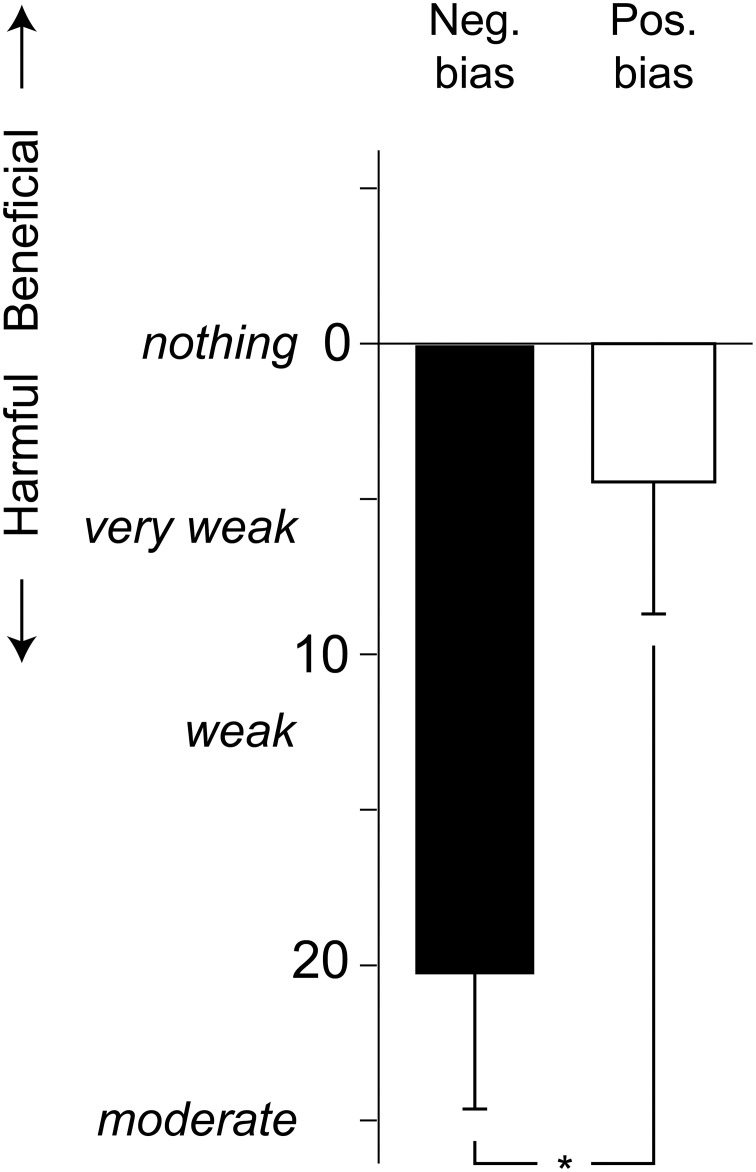
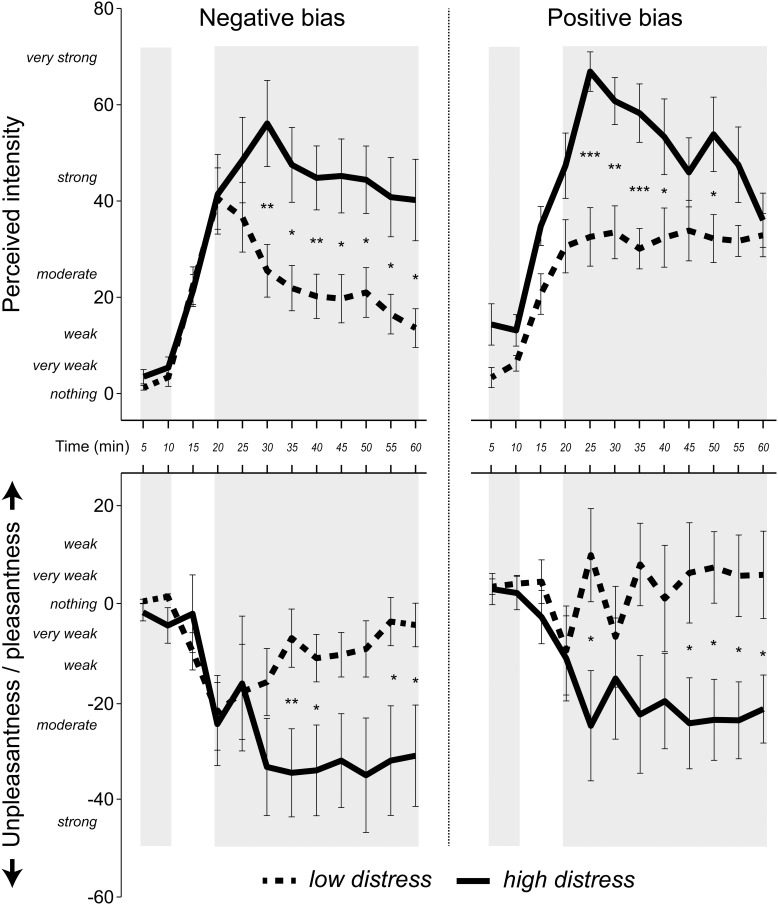
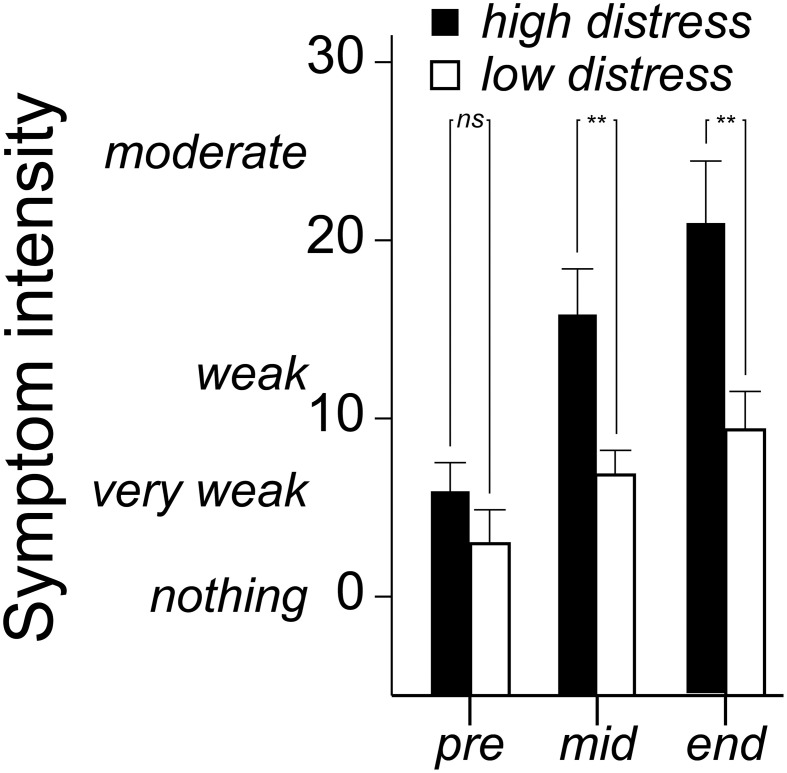
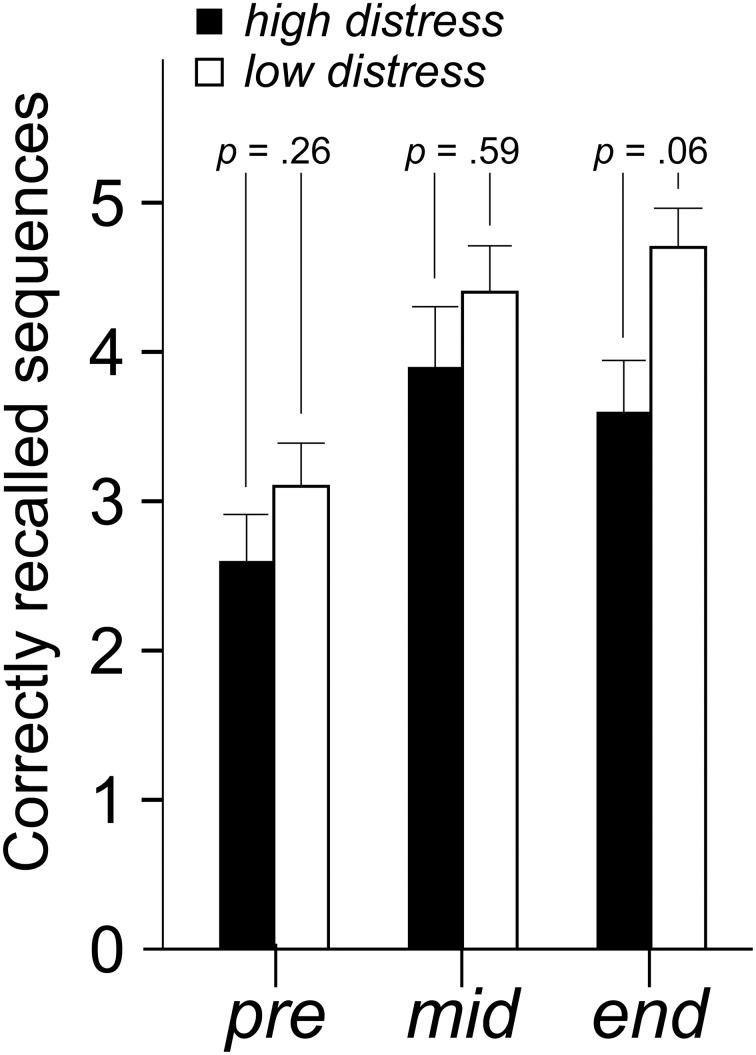
The general aim of the current study was to investigate how perceived health risk of a chemical exposure and self-reported distress are related to perceived odor intensity and odor valence, symptoms, cognitive performance over time as well as reactions to blank exposure. Based on ratings of general distress, 20 participants constituted a relatively low distress group, and 20 other participants a relatively high distress group. Health risk perception was manipulated by providing positively and negatively biased information regarding n-butanol. Participants made repeated ratings of intensity, valence and symptoms and performed cognitive tasks while exposed to 4.7 ppm n-butanol for 60 min (first 10 min were blank exposure) inside an exposure chamber. Ratings by the positive and negative bias groups suggest that the manipulation influenced perceived health risk of the exposure. The high distress group did not habituate to the exposure in terms of intensity when receiving negative information, but did so when receiving positive information. The high distress group, compared with the low distress group, rated the exposure as significantly more unpleasant, reported greater symptoms and performed worse on a cognitively demanding task over time. The positive bias group and high distress group rated blank exposure as more intense. The main findings suggest that relatively distressed individuals are negatively affected by exposures to a greater degree than non-distressed.
Keywords: bias; cognition; distress; environmental psychology; health-risk perception; olfaction; perception; sensitization.
Figures

References
-
- Borg G. (1998). Borg's Perceived Exertion and Pain Scales. Champaign, IL: Human Kinetics
-
- Borg G., Borg E. (2001). A new generation of scaling methods: level-anchored ratio scaling. Psychologica 28, 15–45
LinkOut - more resources
Full Text Sources
Other Literature Sources
