


Utilisation of mucin glycans by the human gut symbiont Ruminococcus gnavus is strain-dependent
- PMID: 24204617
- PMCID: PMC3808388
- DOI: 10.1371/journal.pone.0076341
Utilisation of mucin glycans by the human gut symbiont Ruminococcus gnavus is strain-dependent
Abstract
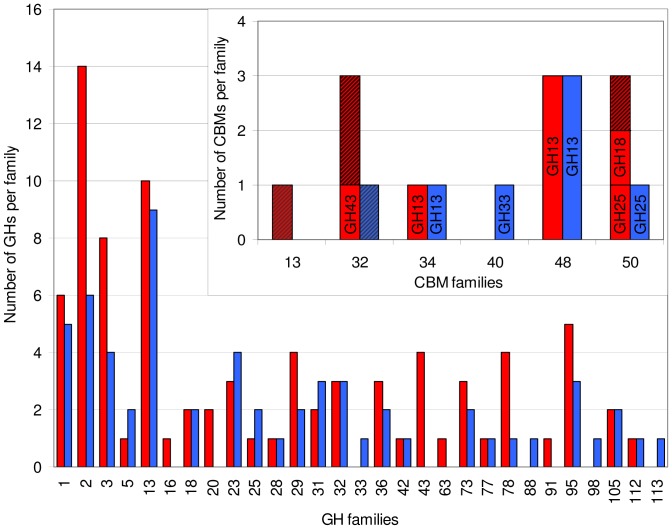
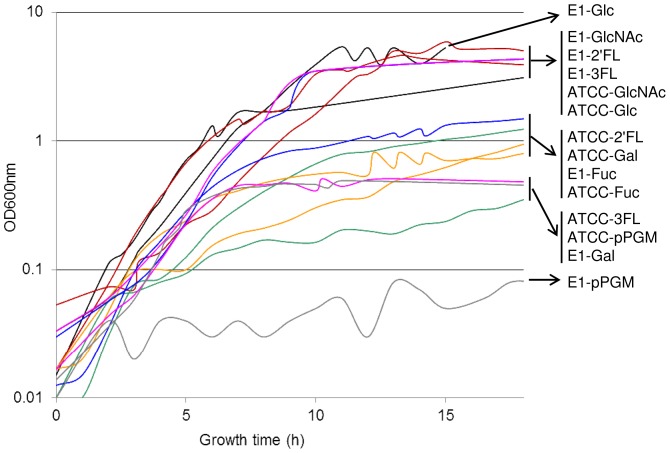
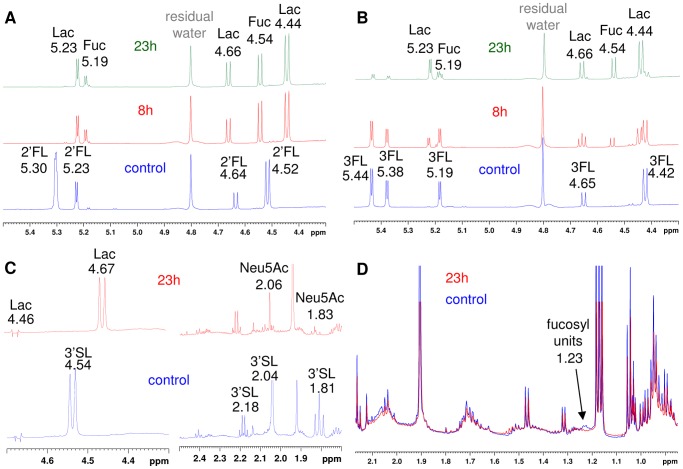
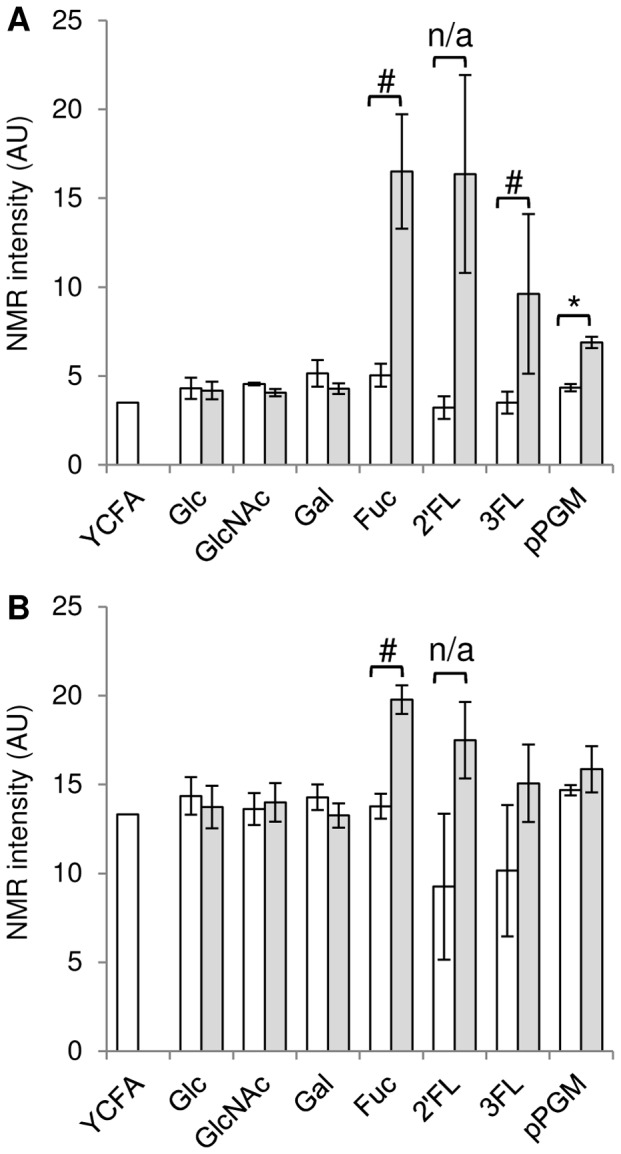
Commensal bacteria often have an especially rich source of glycan-degrading enzymes which allow them to utilize undigested carbohydrates from the food or the host. The species Ruminococcus gnavus is present in the digestive tract of ≥90% of humans and has been implicated in gut-related diseases such as inflammatory bowel diseases (IBD). Here we analysed the ability of two R. gnavus human strains, E1 and ATCC 29149, to utilize host glycans. We showed that although both strains could assimilate mucin monosaccharides, only R. gnavus ATCC 29149 was able to grow on mucin as a sole carbon source. Comparative genomic analysis of the two R. gnavus strains highlighted potential clusters and glycoside hydrolases (GHs) responsible for the breakdown and utilization of mucin-derived glycans. Transcriptomic and functional activity assays confirmed the importance of specific GH33 sialidase, and GH29 and GH95 fucosidases in the mucin utilisation pathway. Notably, we uncovered a novel pathway by which R. gnavus ATCC 29149 utilises sialic acid from sialylated substrates. Our results also demonstrated the ability of R. gnavus ATCC 29149 to produce propanol and propionate as the end products of metabolism when grown on mucin and fucosylated glycans. These new findings provide molecular insights into the strain-specificity of R. gnavus adaptation to the gut environment advancing our understanding of the role of gut commensals in health and disease.
Conflict of interest statement
Figures
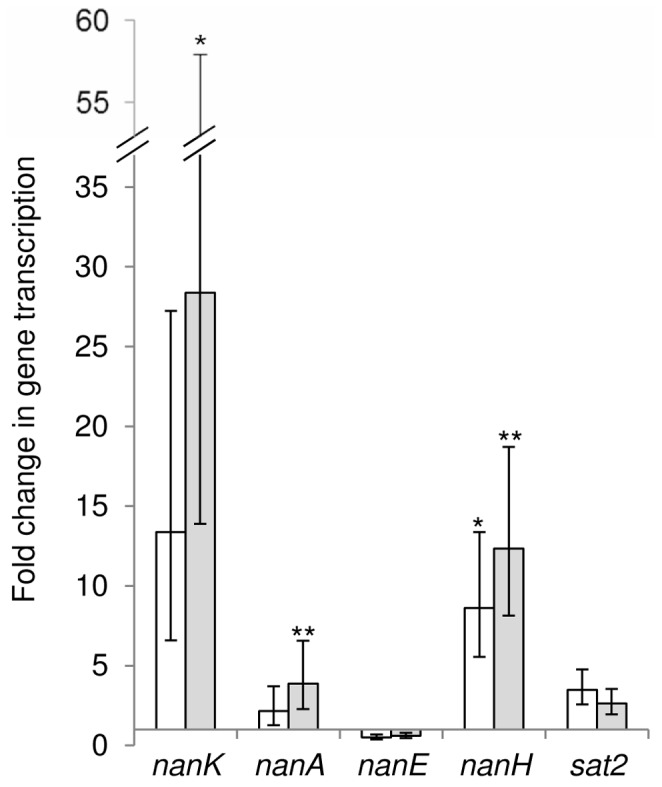
 to
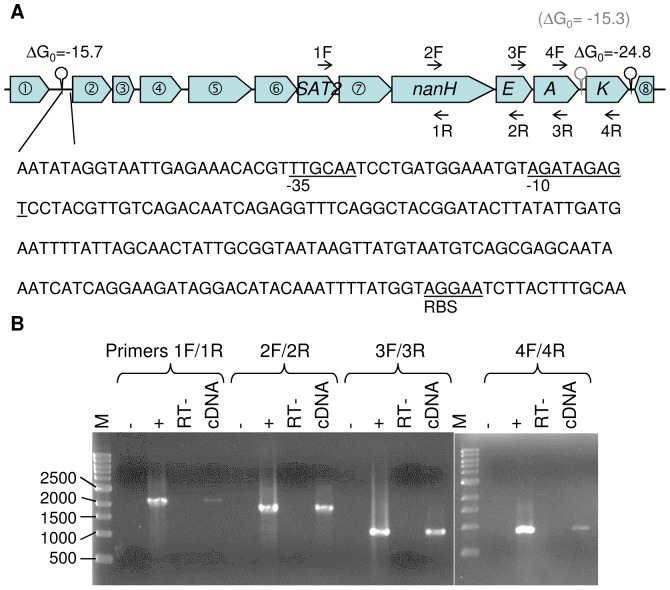
to  , respectively. Circles above thick vertical lines indicate potential stem-loop structures that might act as Rho-independent transcriptional terminators. The free energy of the thermodynamic ensemble is given on top, expressed as kcal.mol−1. The inset shows the DNA sequence of the promoter located upstream of the putative RUMGNA_02701 gene (
 ). The putative −35 and −10 regions and ribosome-binding site (RBS) are underlined. (B) Confirmation of the nan operonic structure. The PCR products obtained following RT-PCR of RNA extracted from R. gnavus ATCC 29149 grown on pPGM were obtained using primers set spanning the SAT2 to NanK ORFs and analysed by electrophoresis on agarose gel. PCR from RT negative control (RT−) was performed to confirm the absence of genomic DNA contamination of the RNA sample prior to RT. PCR negative (−) and positive (+) controls were carried out with water or ATCC 29149 genomic DNA as template, respectively. The positions of the primers are shown in panel A and their sequences are provided in Table S1. M, DNA ladder size marker (with increments indicated in base pairs).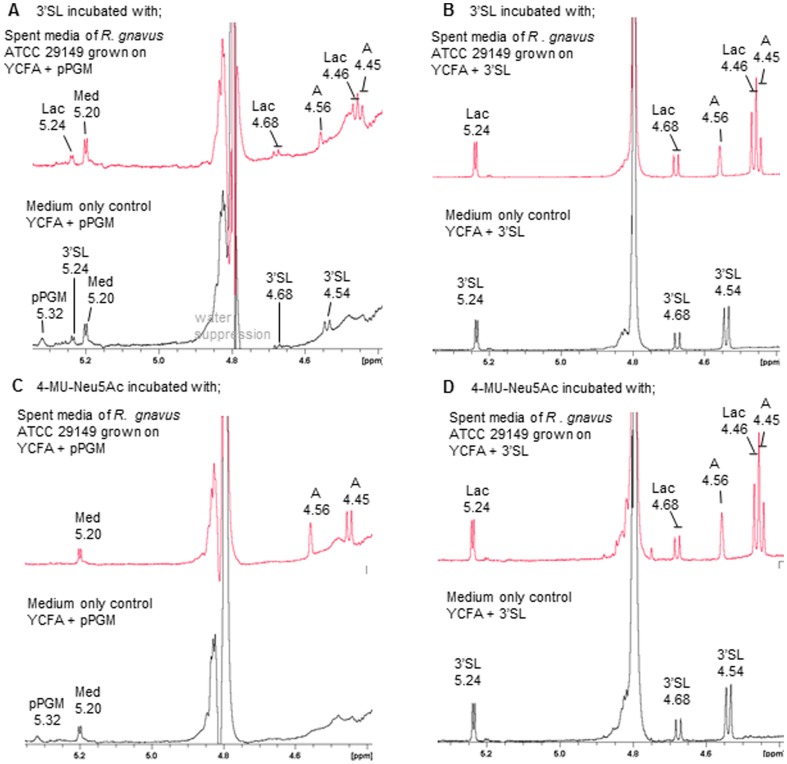
References
-
- Flint HJ, Scott KP, Louis P, Duncan SH (2012) The role of the gut microbiota in nutrition and health. Nat Rev Gastroenterol Hepatol 9: 577–589. - PubMed
Publication types
MeSH terms
Substances
Grants and funding
LinkOut - more resources
Full Text Sources
Other Literature Sources
Molecular Biology Databases
