


Endovascular therapeutic hypothermia for acute ischemic stroke: ICTuS 2/3 protocol
- PMID: 24206528
- PMCID: PMC9673996
- DOI: 10.1111/ijs.12151
Endovascular therapeutic hypothermia for acute ischemic stroke: ICTuS 2/3 protocol
Abstract
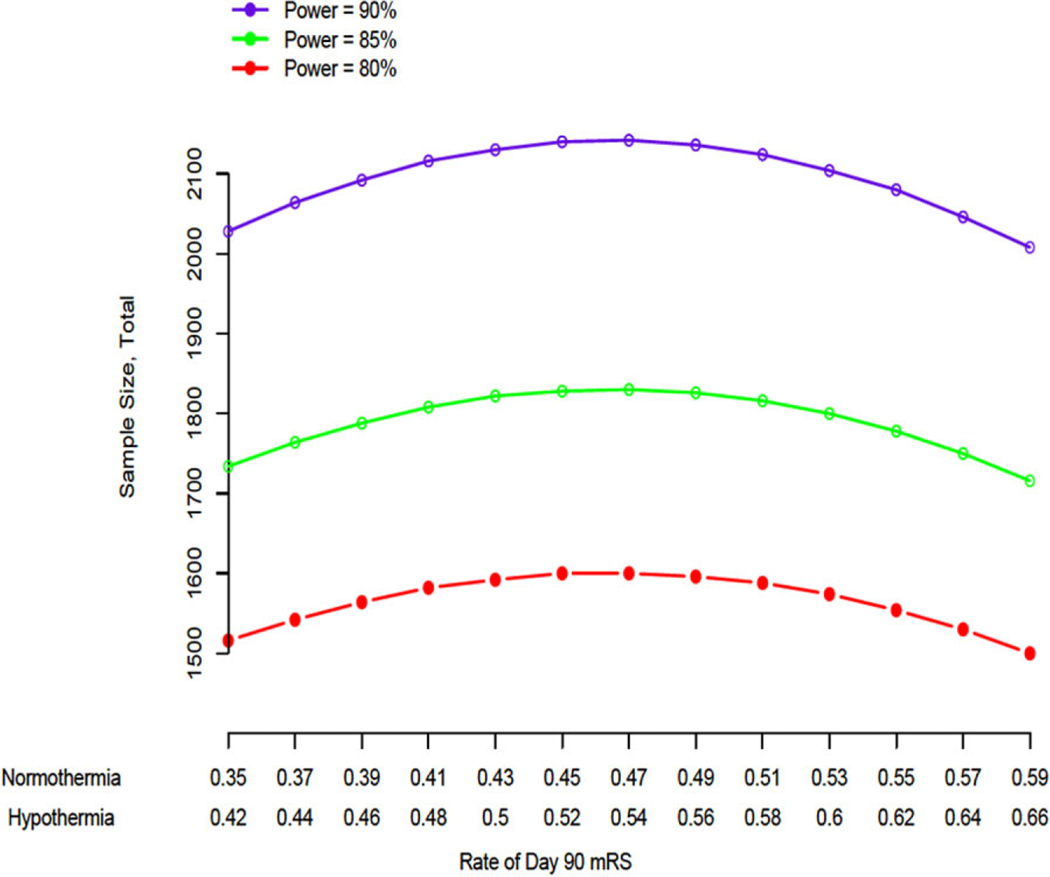
Therapeutic hypothermia improves neurological outcome after out-of-hospital cardiac arrest or neonatal hypoxic-ischemic injury. Although supported by preclinical evidence, therapeutic hypothermia for acute stroke remains under study. In the Intravascular Cooling in the Treatment of Stroke (ICTuS) trial, awake stroke patients were successfully cooled using an endovascular cooling catheter and a novel antishivering regimen. In the ICTuS-L study, the combination of endovascular hypothermia and thrombolysis proved feasible; while hypothermia was associated with no increased risk of bleeding complications, there was an increased association with pneumonia. Despite efforts to expedite, cooling began on average six-hours after stroke onset. We designed a novel Phase 2/3 trial to further test the safety of combined thrombolysis and endovascular hypothermia and to determine if the combination shows superiority compared with thrombolysis alone. ICTuS 2 (n = 400) will assess four hypotheses, and if milestones are met, ICTuS 3 (n = 1200) will begin as a seamless continuation for a total sample of 1600 patients. The ICTuS 2 milestones include (1) target temperature reached within six-hours of symptom onset; (2) no increased risk of pneumonia; (3) no increase in signs/symptoms of fluid overload due to chilled saline infusions; and (4) sufficient recruitment to complete the trial on time. The ICTuS 2/3 protocol contains novel features - based on the previous ICTuS and ICTuS-L trials - designed to achieve these milestones. Innovations include scrupulous pneumonia surveillance, intravenous chilled saline immediately after randomization to induce rapid cooling, and a requirement for catheter placement within two-hours of thrombolysis. An Investigational Device Exemption has been obtained and an initial group of sites initiated.
Keywords: acute stroke therapy; cerebral infarction; clinical trial; hypothermia; methodology; neuroprotection.
© 2013 The Authors. International Journal of Stroke © 2013 World Stroke Organization.
Conflict of interest statement
Conflict of interest: None declared.
Figures
References
-
- Castillo J, Martinez F, Leira R, Prieto JM, Lema M, Noya M. Mortality and morbidity of acute cerebral infarction related to temperature and basal analytic parameters. Cerebrovasc Dis 1994; 4:66–71.
-
- Dietrich WD, Busto R, Valdes I, Loor Y. Effects of normothermic versus mild hyperthemic forebrain ischemia in rats. Stroke 1990; 21:1318–25. - PubMed
-
- Chen H, Chopp M, Welch KM. Effect of mild hyperthermia on the ischemic infarct volume after middle cerebral artery occlusion in the rat. Neurology 1991; 41:1133–5. - PubMed
-
- Dietrich WD. The importance of brain temperature in cerebral injury. J Neurotrauma 1992; 9(Suppl. 2):S475–85. - PubMed
-
- Wang Y, Lim LL, Levi C, Heller RF, Fisher J. Influence of admission body temperature on stroke mortality. Stroke 2000; 31:404–9. - PubMed
Publication types
MeSH terms
Grants and funding
LinkOut - more resources
Full Text Sources
Other Literature Sources
Medical
Miscellaneous
