Review
. 2014 Oct;22(10):2264-74.
doi: 10.1007/s00167-013-2759-6. Epub 2013 Nov 13.

Patellofemoral pain syndrome

Affiliations
Review

Patellofemoral pain syndrome

Wolf Petersen et al. Knee Surg Sports Traumatol Arthrosc. 2014 Oct.

Abstract

The patellofemoral pain syndrome (PFPS) is a possible cause for anterior knee pain, which predominantly affects young female patients without any structural changes such as increased Q-angle or significant chondral damage. This literature review has shown that PFPS development is probably multifactorial with various functional disorders of the lower extremity. Biomechanical studies described patellar maltracking and dynamic valgus in PFPS patients (functional malalignment). Causes for the dynamic valgus may be decreased strength of the hip abductors or abnormal rear-foot eversion with pes pronatus valgus. PFPS is further associated with vastus medialis/vastus lateralis dysbalance, hamstring tightness or iliotibial tract tightness. The literature provides evidence for a multimodal non-operative therapy concept with short-term use of NSAIDs, short-term use of a medially directed tape and exercise programmes with the inclusion of the lower extremity, and hip and trunk muscles. There is also evidence for the use of patellar braces and foot orthosis. A randomized controlled trial has shown that arthroscopy is not the treatment of choice for treatment of PFPS without any structural changes. Patients with anterior knee pain have to be examined carefully with regard to functional causes for a PFPS. The treatment of PFPS patients is non-operative and should address the functional causes.

Level of evidence: V.


Figures
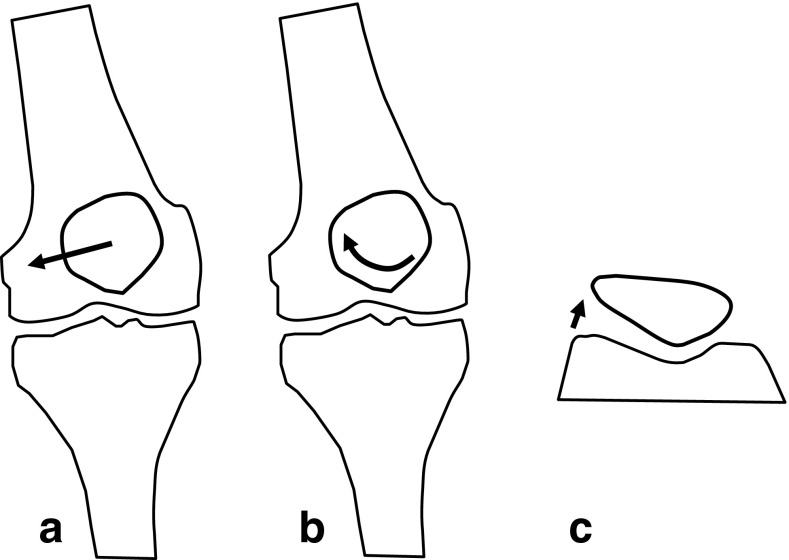
Fig. 1
Fig. 1
This schematic drawing shows results of an experimental study published by Wilson et al. [72]. Patients with PFPS had significantly increased lateral shift (a), lateral spin (b) and a tendency towards increased lateral tilt (c)
Fig. 2
Fig. 2
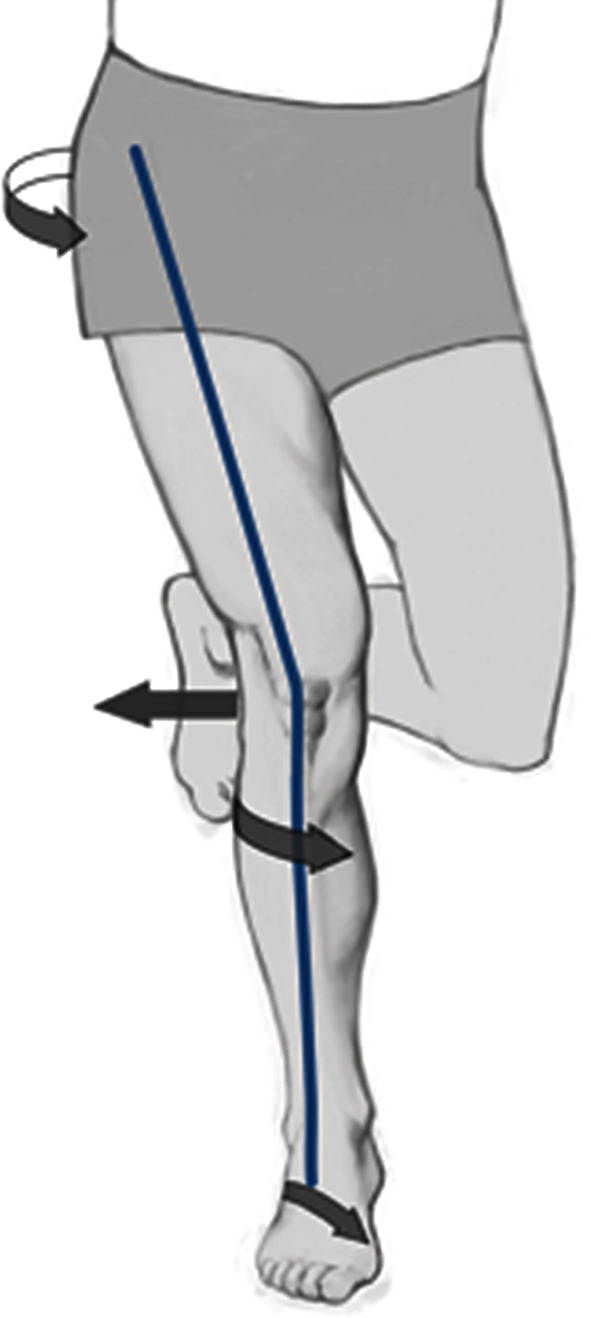
Cause for functional or dynamic valgus can be internal rotation of the femur, the tibia or both. Internal rotation of the femur might be the result of weakness of the hip abductors; internal rotation of the tibia might arise from rear-foot eversion or pes pronatus. Functional valgus may lead to lateral patella maltracking
Fig. 3
Fig. 3
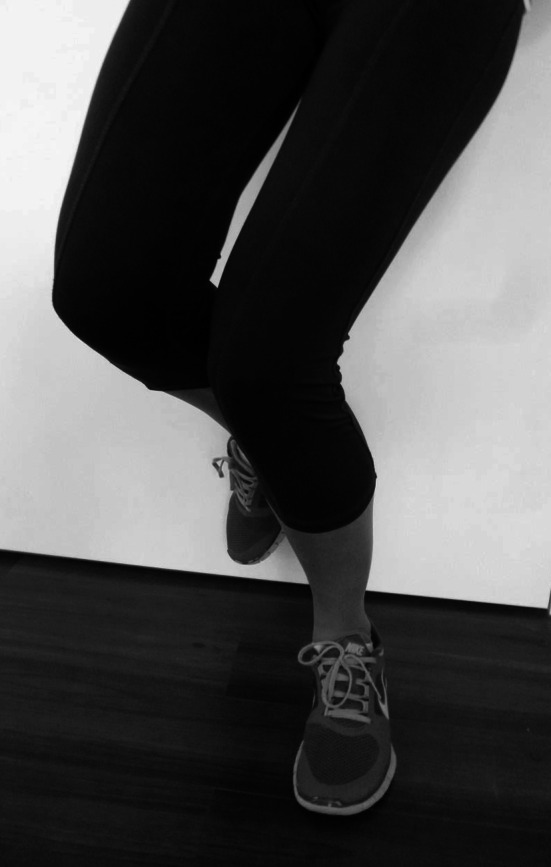
Dynamic valgus can be visualized by one-legged squats. Young female athlete with dynamic valgus and PFPS
Fig. 4
Fig. 4
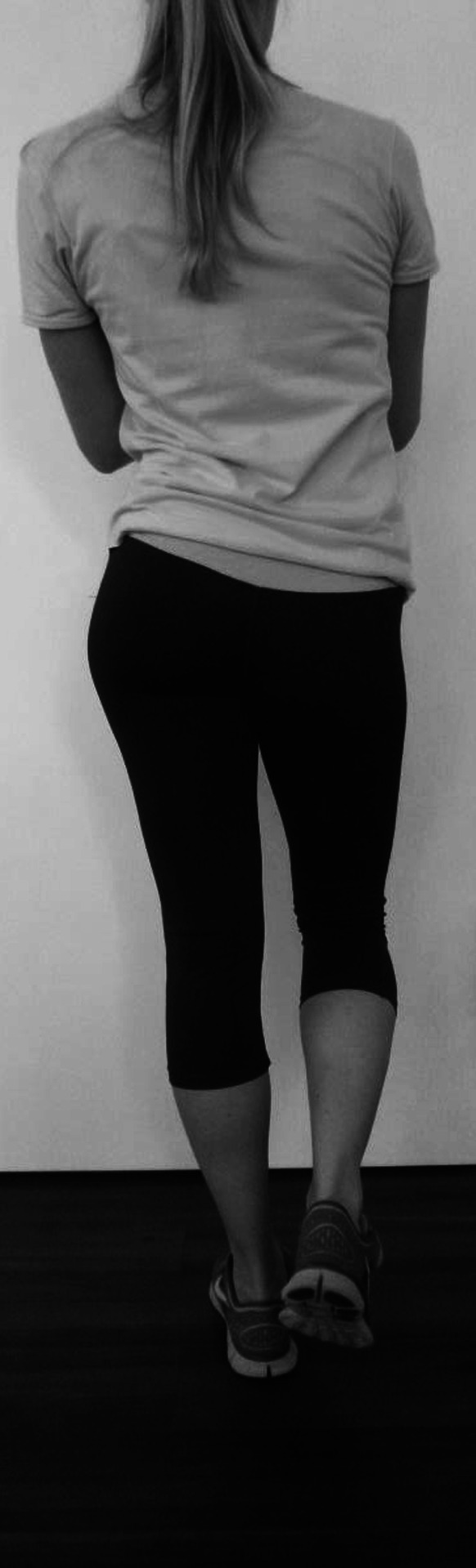
Hip muscle weakness can be demonstrated by having the patient raise the contralateral leg. If the patient’s hip cannot keep up 1 min and hip drops, then that is a sign of a weak abductor
Fig. 5
Fig. 5
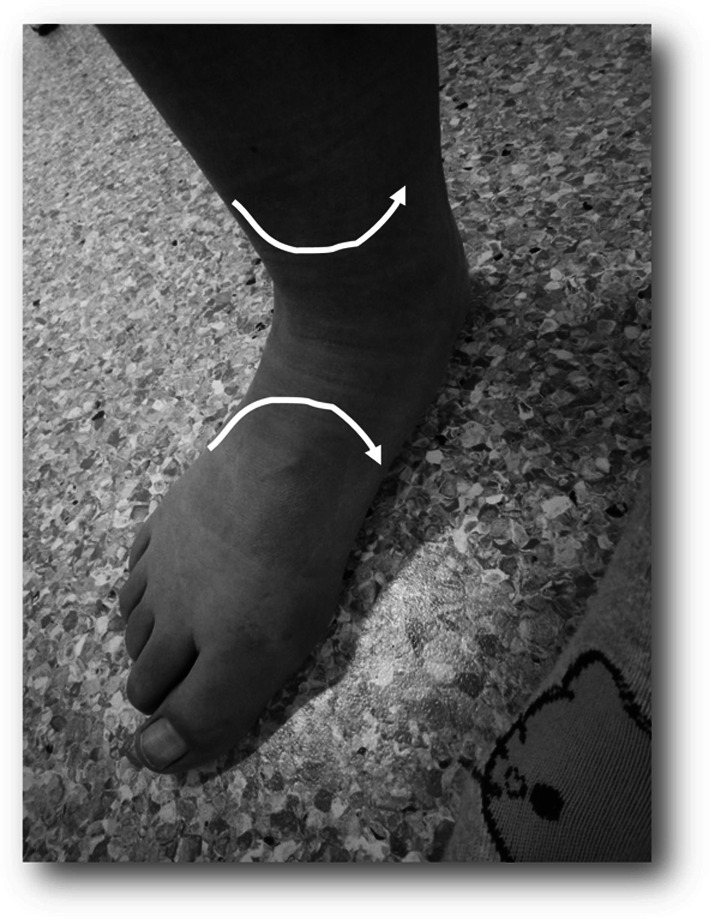
Patient with the combination of pes pronatus valgus and PFPS. In this patient, internal rotation of the foot leads to internal rotation of the tibia
Fig. 6
Fig. 6
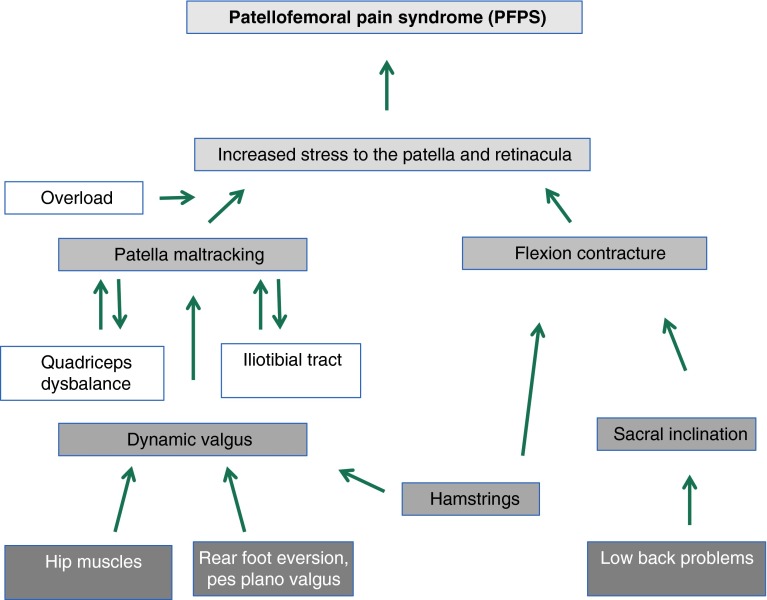
This algorithm summarizes the findings from the literature, which explains the pathogenesis for PFPS
Fig. 7
Fig. 7
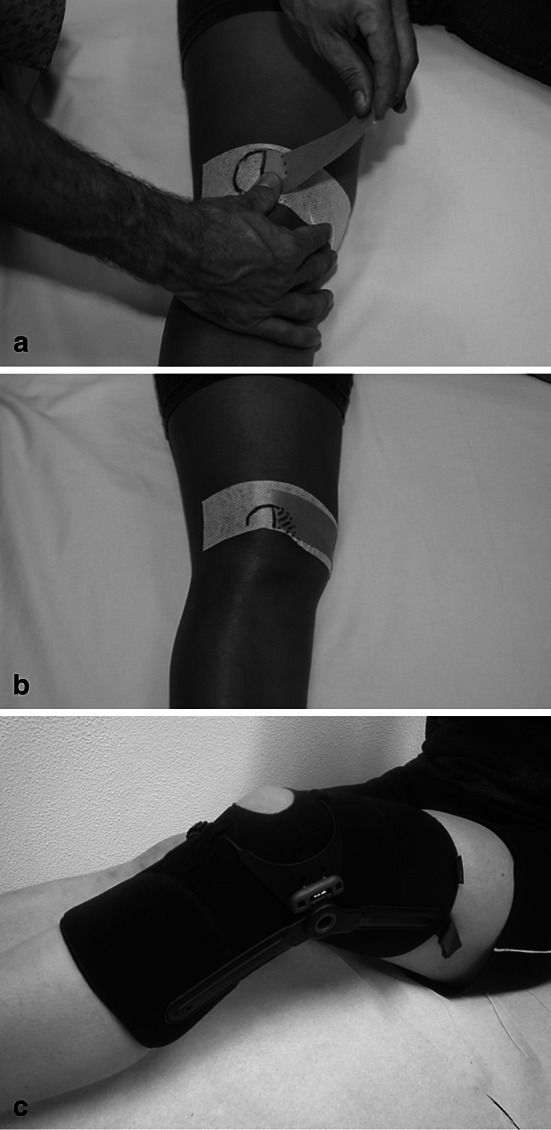
a, b Application of a classical Mc Connel tape, c Example of a patella brace (Patella pro) which can apply a medially directed force to the patella
Fig. 8
Fig. 8
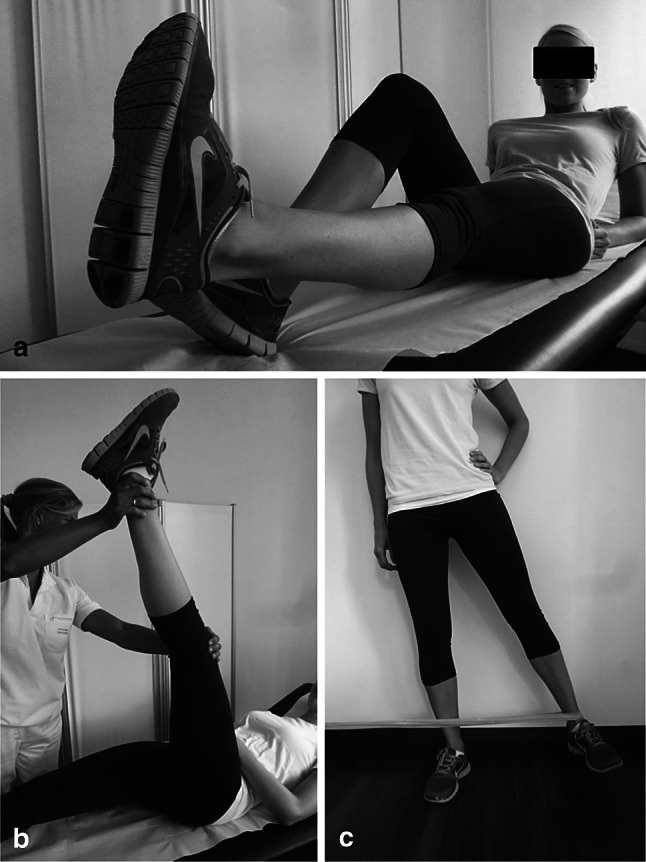
Exercises for the treatment of PFPS should include a the quadriceps, b the hamstrings and c the hip muscles

References

    1. Al-Hakim W, Kumar Jaiswal P, Khan W, Johnstone D. The non-operative treatment of anterior knee pain. Open Orthop J. 2012;6(Suppl 2: M10):320–326. doi: 10.2174/1874325001206010320. - DOI - PMC - PubMed
    1. Baldon R, Nakagawa TH, Muniz TB, Amorim CF, Maciel CD, Serrão FV. Eccentric hip muscle function in females with and without patellofemoral pain syndrome. J Athl Train. 2009;44(5):490–496. doi: 10.4085/1062-6050-44.5.490. - DOI - PMC - PubMed
    1. Barton CJ, Levinger P, Crossley KM, Webster KE, Menz HB. The relationship between rearfoot, tibial and hip kinematics in individuals with patellofemoral pain syndrome. Clin Biomech (Bristol, Avon) 2012;27(7):702–705. doi: 10.1016/j.clinbiomech.2012.02.007. - DOI - PubMed
    1. Barton CJ, Levinger P, Menz HB, Webster KE. Kinematic gait characteristics associated with patellofemoral pain syndrome: a systematic review. Gait Posture. 2009;30(4):405–416. doi: 10.1016/j.gaitpost.2009.07.109. - DOI - PubMed
    1. Barton CJ, Levinger P, Webster KE, Menz HB. Walking kinematics in individuals with patellofemoral pain syndrome: a case-control study. Gait Posture. 2011;33(2):286–291. doi: 10.1016/j.gaitpost.2010.11.022. - DOI - PubMed

MeSH terms