The diagnosis of fetal alcohol syndrome
- PMID: 24223670
- PMCID: PMC3820992
- DOI: 10.3238/arztebl.2013.0703
The diagnosis of fetal alcohol syndrome
Abstract
Background: The estimated prevalence of fetal alcohol syndrome (FAS) is 8 for every 1000 live births. FAS has serious, lifelong consequences for the affected children and their families. A variety of professionals deal with persons who have FAS, including pediatricians, general practitioners, neurologists, gynecologists, psychiatrists, and psychotherapists. Early diagnosis is important so that the affected children can receive the support they need in a protective environment.
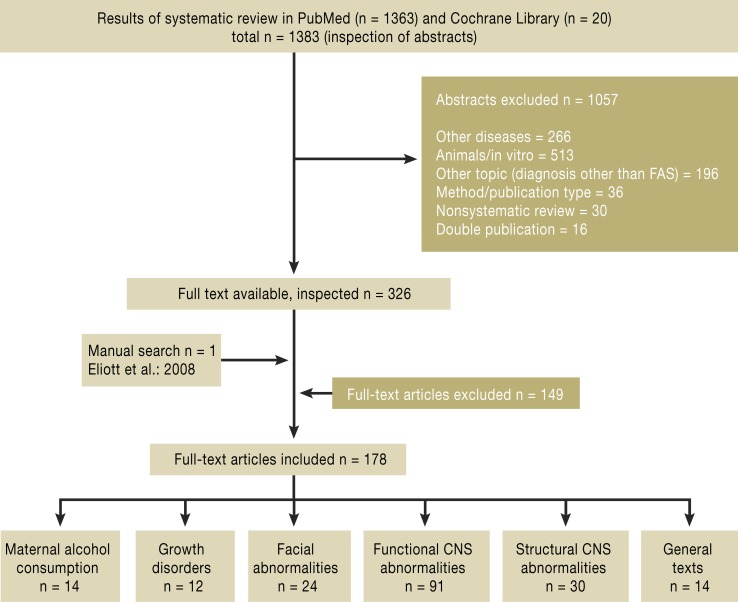
Methods: A multidisciplinary guideline group has issued recommendations for the diagnosis of FAS after assessment of the available scientific evidence. This information was derived from pertinent literature (2001-2011) retrieved by a systematic search in PubMed and the Cochrane Library, along with the US-American and Canadian guidelines and additional literature retrieved by a manual search.
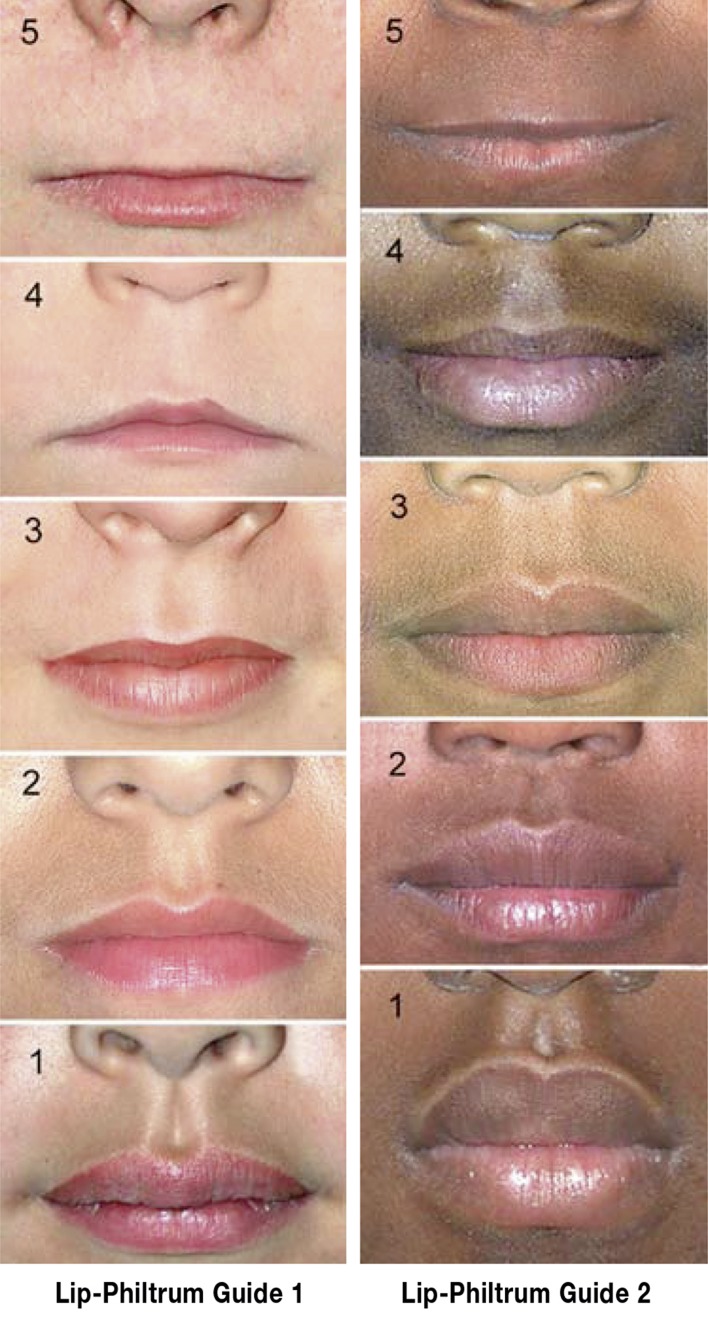
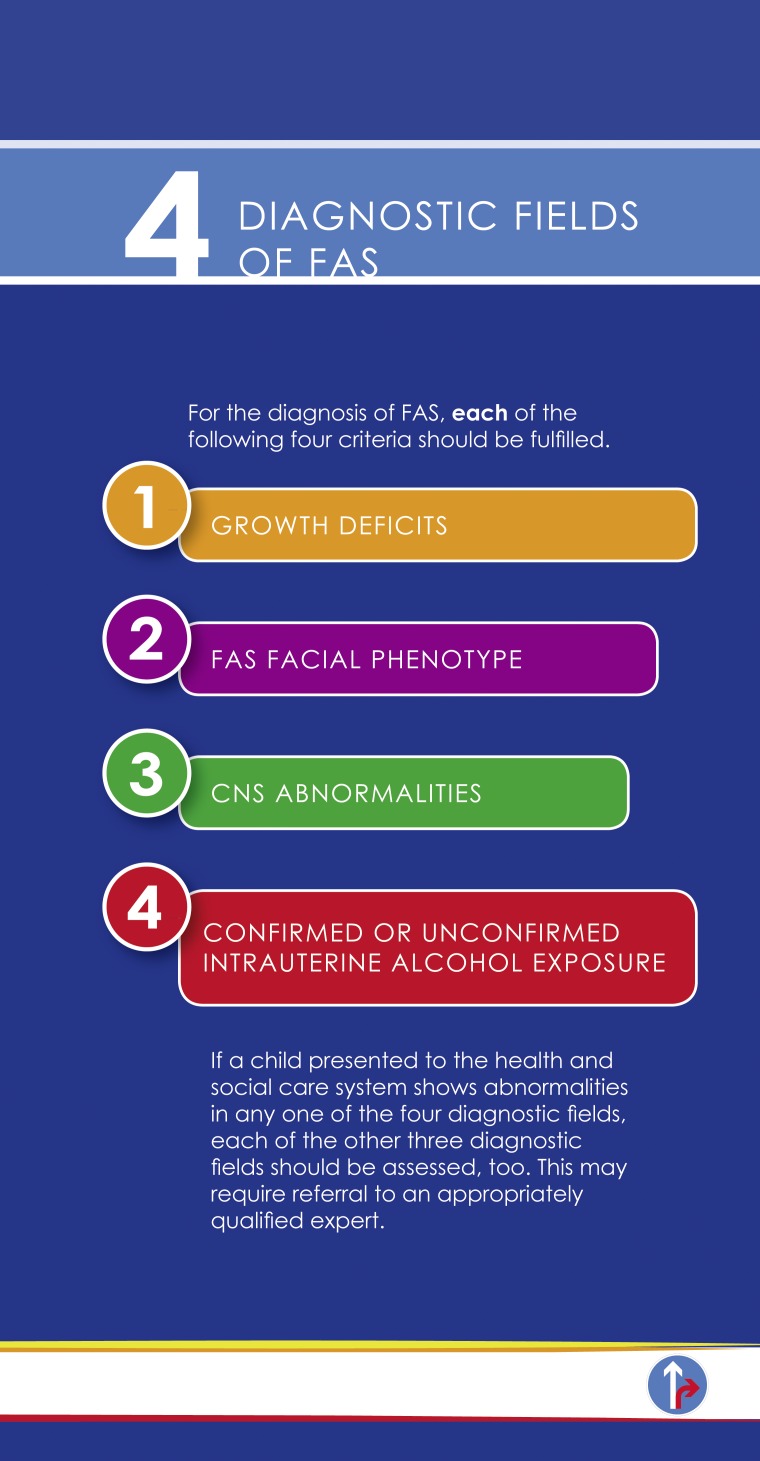
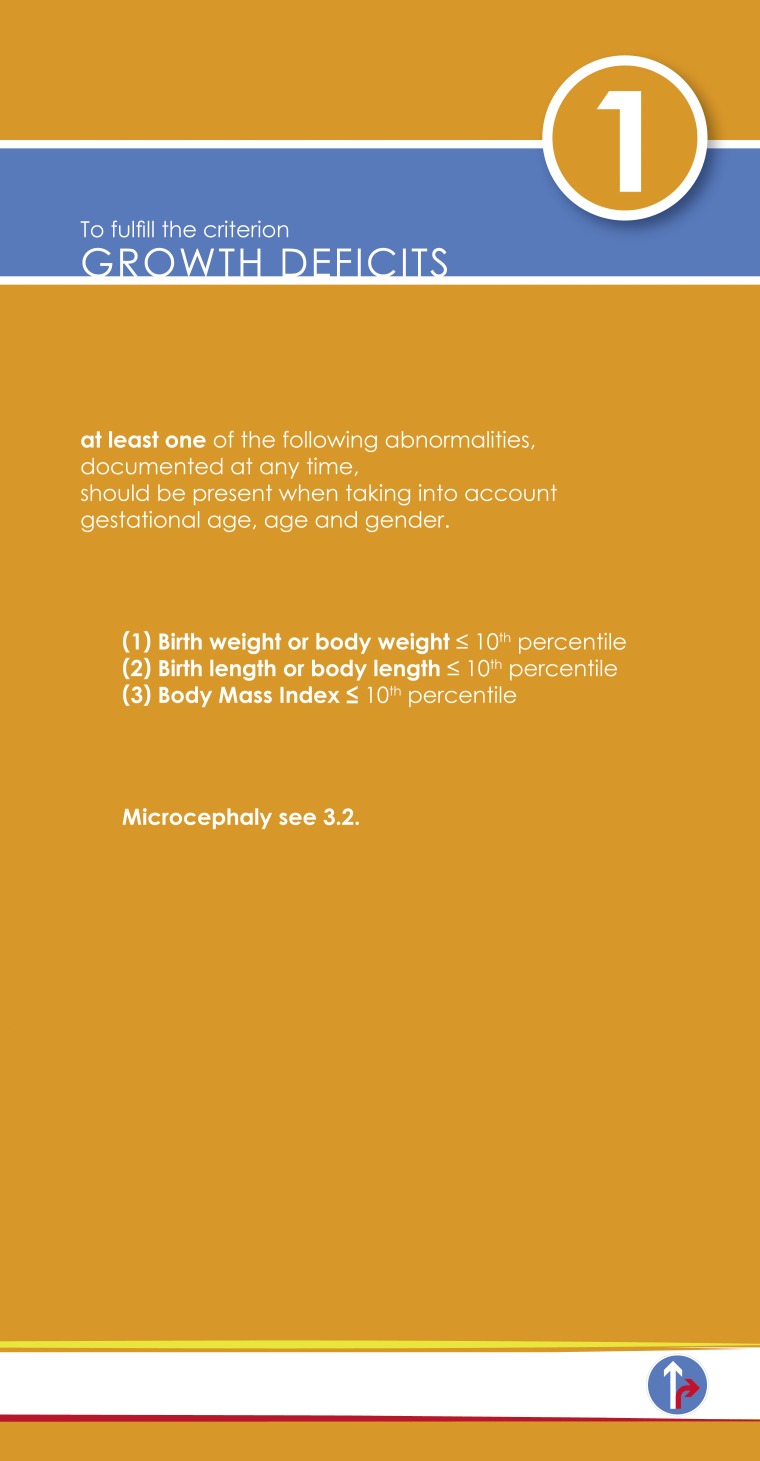
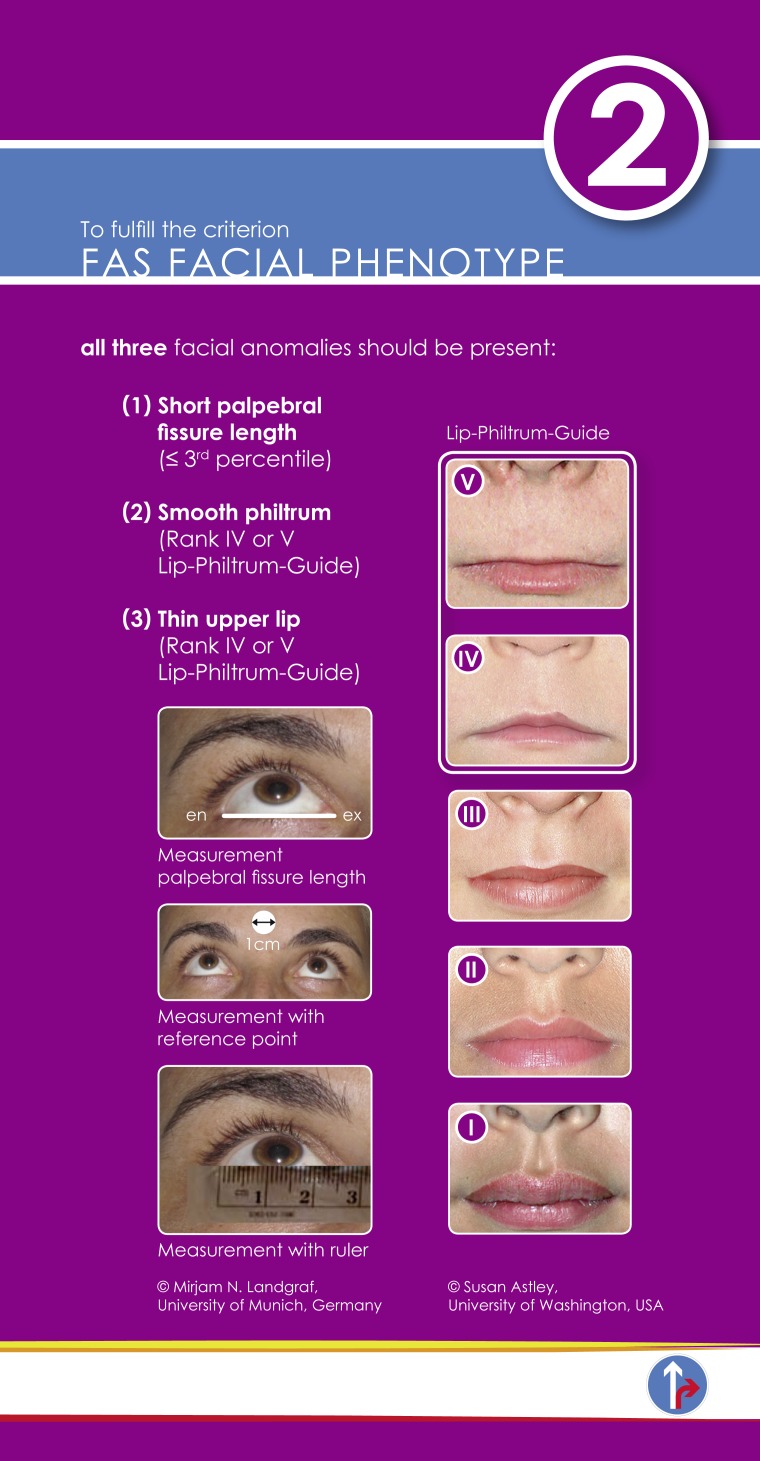
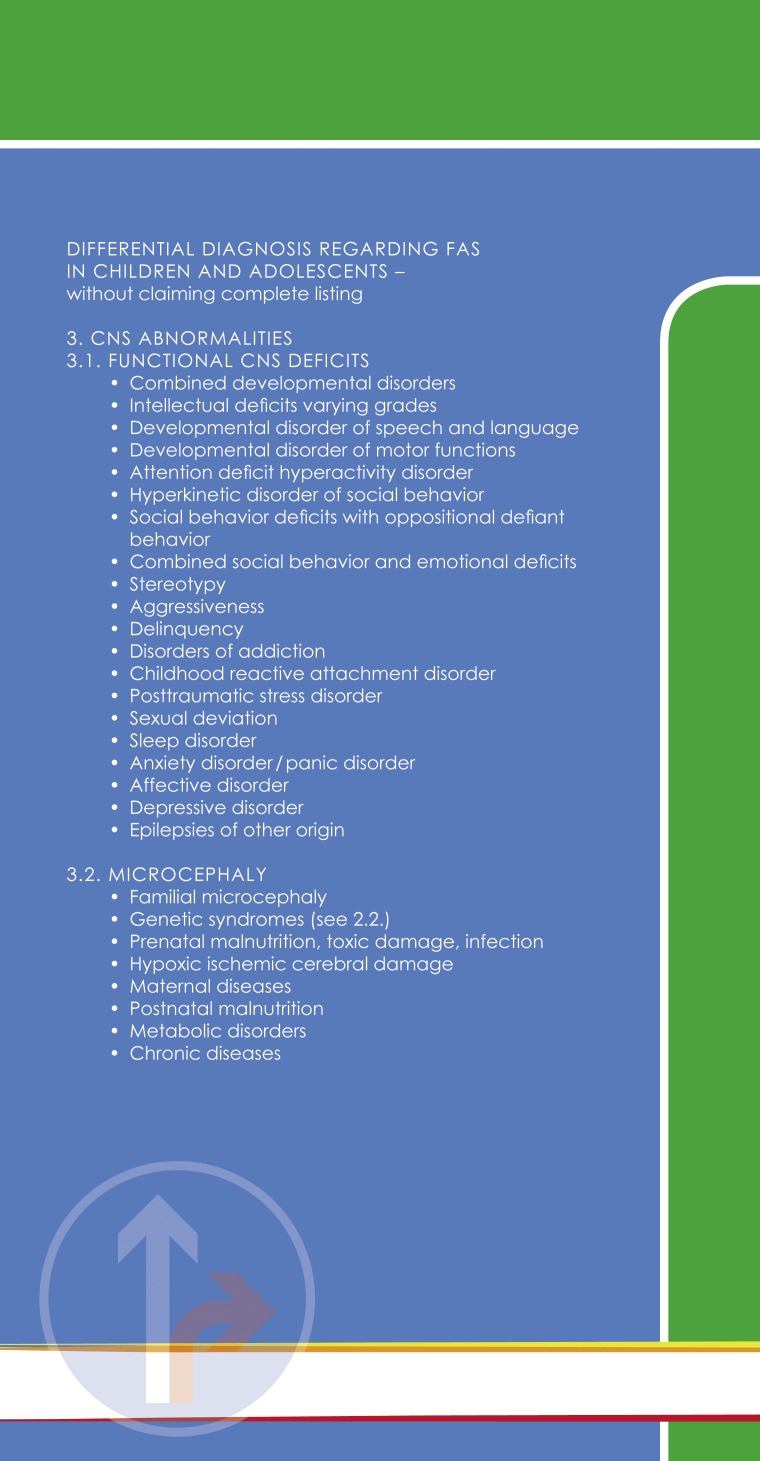
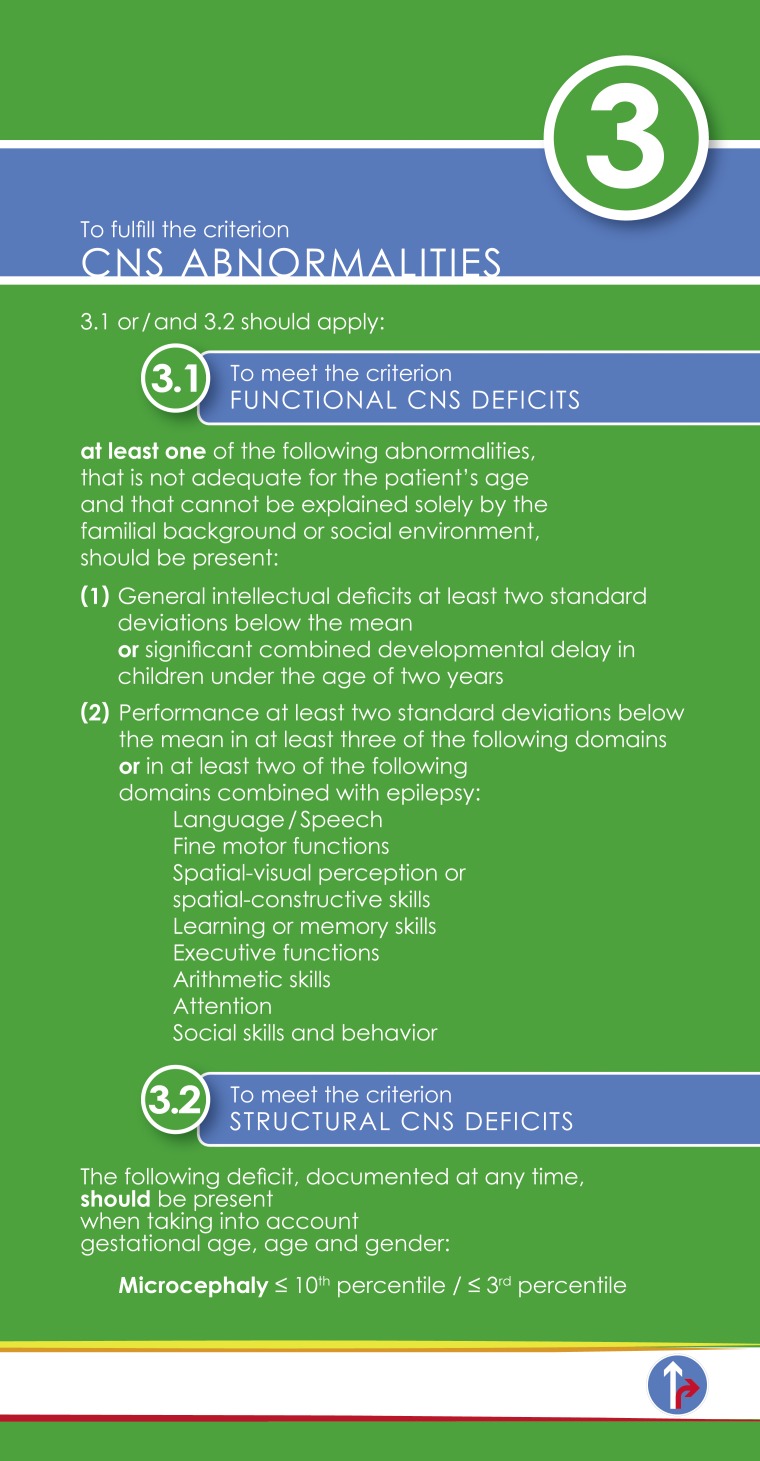
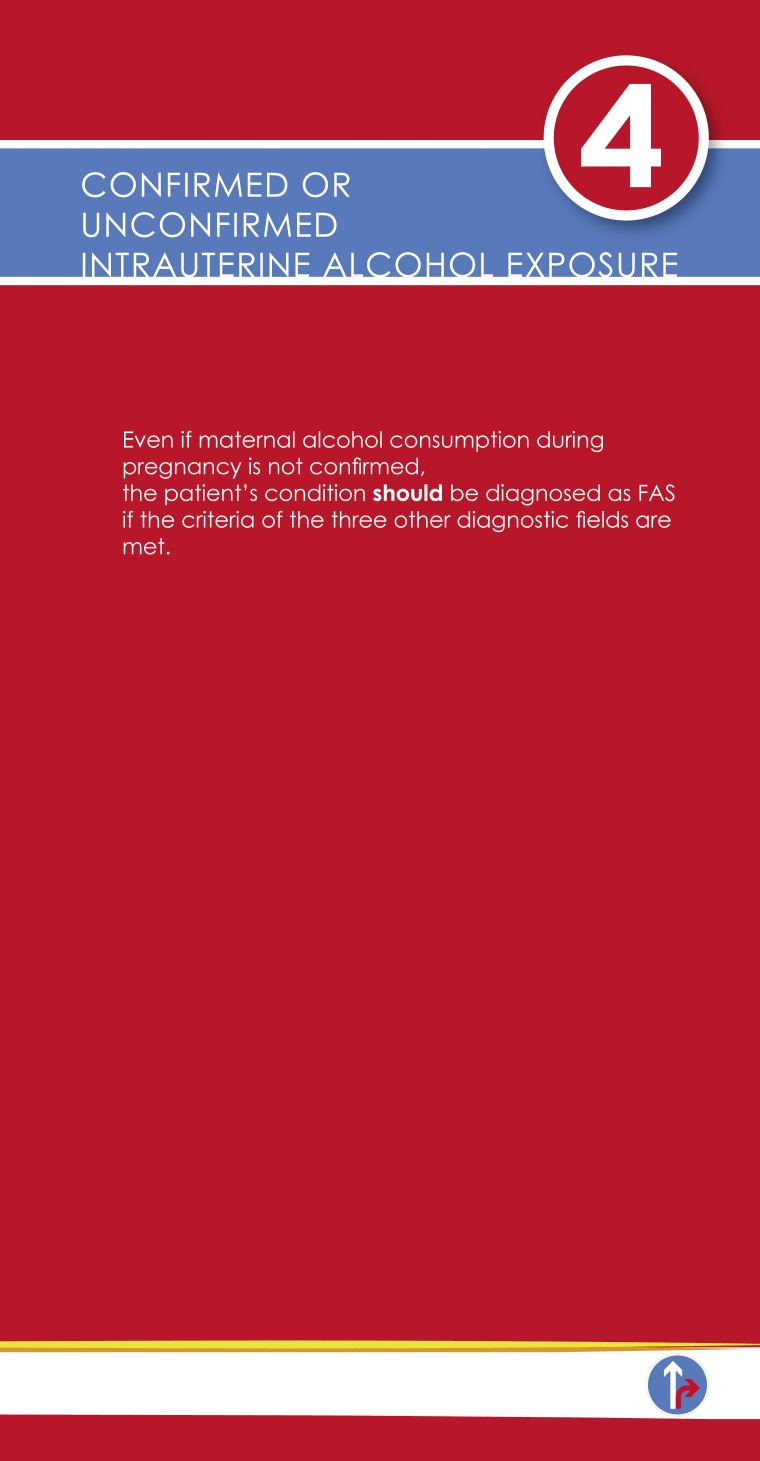
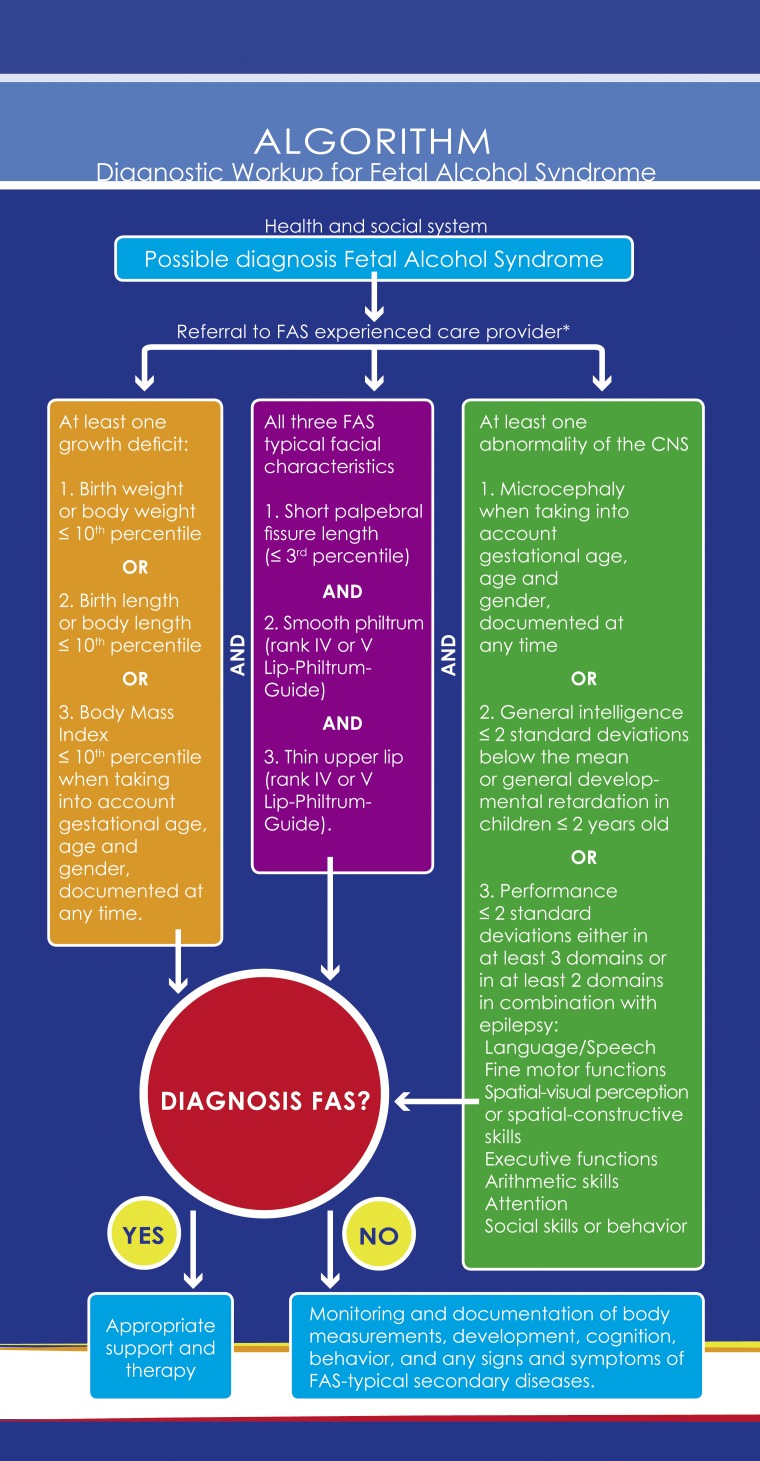
Results: Of the 1383 publications retrieved by the searches, 178 were analyzed for the evidence they contained. It was concluded that the fully-developed clinical syndrome of FAS should be diagnosed on the basis of the following criteria: Patients must have at least one growth abnormality, e.g., short stature, as well as all three characteristic facial abnormalities-short palpebral fissure length, a thin upper lip, and a smooth philtrum. They must also have at least one diagnosed structural or functional abnormality of the central nervous system, e.g., microcephaly or impaired executive function. Confirmation of intrauterine exposure to alcohol is not obligatory for the diagnosis.
Conclusion: Practical, evidence-based criteria have now been established for the diagnosis of the fully-developed FAS syndrome. More research is needed in order to enable uniform, evidence-based diagnostic assessment of all fetal alcohol spectrum disorders and optimize supportive measures for the children affected by them.
Figures

References
-
- May. Epidemiology of FASD in a province in Italy: Prevalence and characteristics of children in a random sample of schools. Alcohol Clin Exp Res. 2006;30:1562–1575. - PubMed
-
- Bergmann. Perinatale Einflussfaktoren auf die spätere Gesundheit - Ergebnisse des Kinder- und Jugendgesundheitssurveys (KiGGS) Bundesgesundheitsblatt - Gesundheitsforschung - Gesundheitsschutz. 2007;50:670–676. - PubMed
-
- Streissguth AP, Bookstein FL, Barr HM, Sampson PD, O’Malley K, Young JK. Risk factors for adverse life outcomes in fetal alcohol syndrome and fetal alcohol effects. J Dev Behav Pediatr. 2004;25:228–238. - PubMed
-
- Klug MG, Burd L, Martsolf JT, Ebertowski M. Body mass index in fetal alcohol syndrome. Neurotoxicol Teratol. 2003;25:689–696. - PubMed
Publication types
MeSH terms
LinkOut - more resources
Full Text Sources
Other Literature Sources
Medical
Research Materials
Miscellaneous