


doi: 10.1186/1741-7015-11-226.
Global health: the importance of evidence-based medicine
- PMID: 24228722
- PMCID: PMC4190636
- DOI: 10.1186/1741-7015-11-226
Item in Clipboard
Global health: the importance of evidence-based medicine
BMC Med.
.
Abstract
Global health is a varied field that comprises research, evaluation and policy that, by its definition, also occurs in disparate locations across the world. This forum article is introduced by our guest editor of the Medicine for Global Health article collection, Gretchen Birbeck. Here, experts based across different settings describe their personal experiences of global health, discussing how evidence-based medicine in resource-limited settings can be translated into improved health outcomes.
Figures
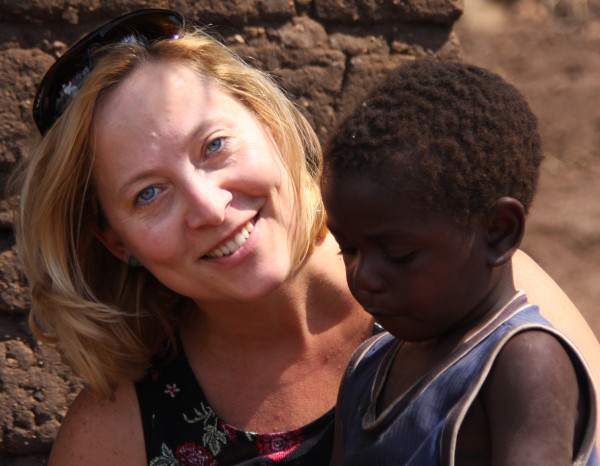
Gretchen L. Birbeck is a Professor at the University of Rochester and adjunct faculty at the University of Zambia. With residences in both Zambia and the US, she conducts research, provides clinical services and trains the next generation of clinical researchers on both continents. She has been recognized as a US Paul Rogers Society Global Health Research Ambassador and a World Health Organization Ambassador for Epilepsy. She was a National Finalist for the C. Peter Magrath University/Community Engagement Award for her two decades of work as the Epilepsy Care Team Director at Chikankata Hospital in rural Zambia.
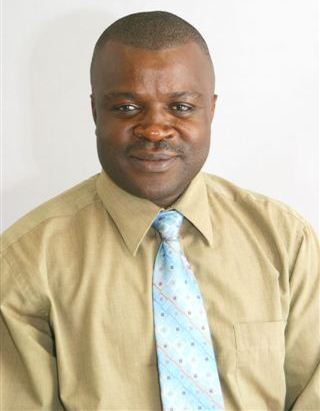
Charles Shey Wiysonge is the Deputy Director of the Centre for Evidence-based Health Care at Stellenbosch University. He is a specialist in evidence-based medicine and vaccinology. Before moving into research, Dr. Wiysonge held senior positions in Cameroon’s Ministry of Public Health. His research is united by a set of questions regarding strategies for promoting and protecting health and preventing disease and death in Africa as well as an engagement with systematic reviews and knowledge translation. Dr. Wiysonge was decorated by the Presidency of the Republic of Cameroon in 2011 with the National Order of Valour (the highest honor in Cameroon), in the category ‘Chevalier.’

Edward Mills is Canada Research Chair in Global Health at the University of Ottawa. He is adjunct faculty at the National University of Rwanda and Stanford University. He is trained in both Clinical Epidemiology and International Law. He works predominantly on issues of HIV/AIDS in Africa. In addition, he runs a statistical methods group that conducts clinical trials and meta-analysis.
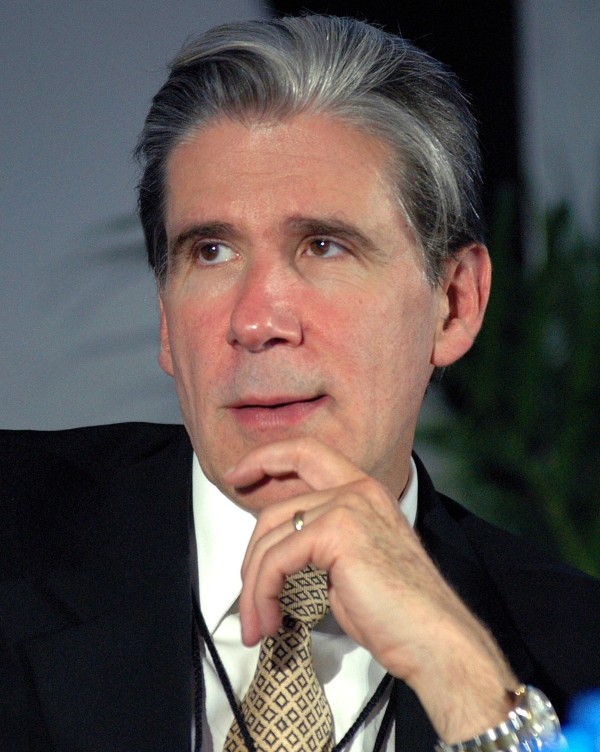
Julio Frenk is the Dean of the Faculty at Harvard School of Public Health and T & G Angelopoulos Professor of Public Health and International Development, a joint appointment with the Harvard Kennedy School of Government. Dr. Frenk served as the Minister of Health of Mexico from 2000 to 2006, where he introduced universal health coverage. He was the founding director of the National Institute of Public Health of Mexico and has also held leadership positions at the Mexican Health Foundation, the World Health Organization, and the Bill and Melinda Gates Foundation.
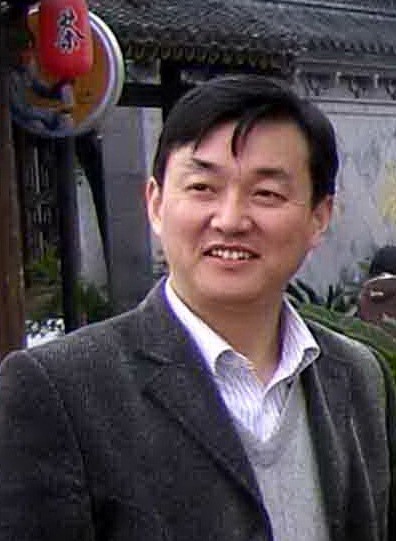
Xiao-Nong Zhou is Director of the National Institute of Parasitic Diseases at the Chinese Center for Disease Control and Prevention, based in Shanghai, P.R. China. Currently, Professor Zhou is serving as Chair of the National Expert Advisory Committee on schistosomiasis and other parasitic diseases for China’s National Health and Family Planning Commission (formal Ministry of Health). He has collaborated with WHO/TDR and WHO, for instance he is member of WHO/TDR STAC, member of WHO STAC on NTDs, member of WHO Foodborne Burden Epidemiology Reference Group. He had contributed to the Regional Network on Asian Schistosomiasis and Other Helminth Zoonoses during 2007 to 2012 as former President and to the WHO Thematic Reference Group on Environment, Agriculture and Infectious Diseases during 2009 to 2011 as co-chair.
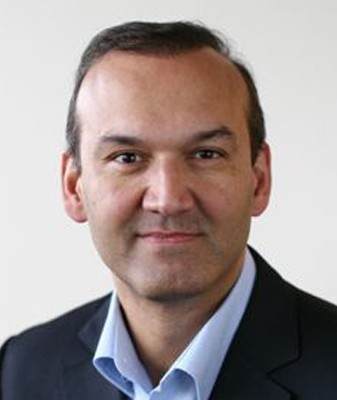
Prabhat Jha is the University of Toronto Endowed Professor in Disease Control at the Dalla Lana School of Public Health, and the founding Executive Director of the Centre for Global Health Research at St. Michael’s Hospital. He is the lead investigator of the Million Death Study in India, which quantifies the causes of premature mortality and the contribution of key risk factors, such as tobacco and alcohol.
References
-
- Commission on Health Research for Development. Health Research -Essential Link to Equity inDdevelopment. New York: Oxford University Press; 1990.
-
- Wiysonge CS, Lavis JN, Volmink J. Make the money work for health in sub-Saharan Africa. Lancet. 2009;373:1174. - PubMed
-
- Nachega JB, Uthman OA, Ho YS, Lo M, Anude C, Kayembe P, Wabwire-Mangen F, Gomo E, Sow PS, Obike U, Kusiaku T, Mills EJ, Mayosi BM, Ijsselmuiden C. Current status and future prospects of epidemiology and public health training and research in the WHO African region. Int J Epidemiol. 2012;41:1829–1846. doi: 10.1093/ije/dys189. - DOI - PMC - PubMed
MeSH terms
LinkOut - more resources
Full Text Sources
Other Literature Sources
Medical
