Effects of protein energy supplementation during pregnancy on fetal growth: a review of the literature focusing on contextual factors
- PMID: 24235913
- PMCID: PMC3827488
- DOI: 10.3402/fnr.v57i0.20499
Effects of protein energy supplementation during pregnancy on fetal growth: a review of the literature focusing on contextual factors
Abstract
Background: Maternal diet during pregnancy is one of the most important factors associated with adequate fetal growth. There are many complications associated with fetal growth restriction that lead to lifelong effects. The aim of this review was to describe the studies examining the effects of protein energy supplementation during pregnancy on fetal growth focusing on the contextual differences.
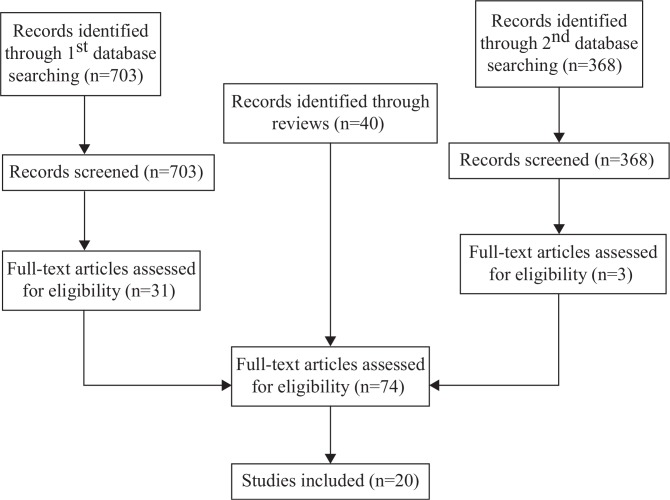
Methods: Relevant articles published between 2007 and 2012 were identified through systematic electronic searches of the PubMed, Science Direct, and EBSCO database and the examination of the bibliographies of retrieved articles. The search aimed to identify studies examining pregnant women receiving protein and/or energy during pregnancy and to assess fetal growth measures. Data of effectiveness and practical aspects of protein energy supplementation during pregnancy were extracted and compiled.
Results: Twenty studies (11 randomized controlled trials, 8 controlled before and after, and 1 prospective study) were included in this review. Positive outcomes in infants and women cannot be expected if the supplementation is not needed. Therefore, it is essential to correctly select women who will benefit from dietary intervention programs during pregnancy. However, there is currently no consensus on the most effective method of identifying these women. The content of protein in the supplements considering total diet is also an important determinant of fetal growth. Balanced protein energy supplementation (containing up to 20% of energy as protein) given to pregnant women with energy or protein deficit appears to improve fetal growth, increase birth weight (by 95-324 g) and height (by 4.6-6.1 mm), and decrease the percentage of low birth weight (by 6%). Supplements with excess protein (>20% of energy as protein) provided to women with a diet already containing adequate protein may conversely impair fetal growth. There is also no consensus on the best time to start supplementation.
Conclusions: Strong quality studies examining adequate criteria to screen women who would benefit from supplementation, time to start supplementation, and type of supplements are warranted.
Keywords: birth weight; fetal growth; infants; intrauterine growth; maternal supplements; protein energy supplements.
References
-
- World Bank. Low-birthweight babies (% of births) in Sub Saharan Africa. 2011. Available from: http://www.tradingeconomics.com/sub-saharan-africa/low-birthweight-babie... [cited 18 November 2011].
-
- UNICEF. Progress for children. 2006. Available from: http://www.unicef.org/progressforchildren/2006n4/index_lowbirthweight.html [cited 18 November 2011]
-
- Airede AK. Trend of birthweights of African newborns: an overview. East Afr Med J. 1996;73:271–5. - PubMed
-
- Goldenberg RL, Culhane JF. Low birth weight in the United States. Am J Clin Nutr. 2007;85:S584–S90. - PubMed
LinkOut - more resources
Full Text Sources
Other Literature Sources