


Brain responses to body image stimuli but not food are altered in women with bulimia nervosa
- PMID: 24238299
- PMCID: PMC4225677
- DOI: 10.1186/1471-244X-13-302
Brain responses to body image stimuli but not food are altered in women with bulimia nervosa
Abstract
Background: Research into the neural correlates of bulimia nervosa (BN) psychopathology remains limited.
Methods: In this functional magnetic resonance imaging study, 21 BN patients and 23 healthy controls (HCs) completed two paradigms: (1) processing of visual food stimuli and (2) comparing their own appearance with that of slim women. Participants also rated food craving and anxiety levels.
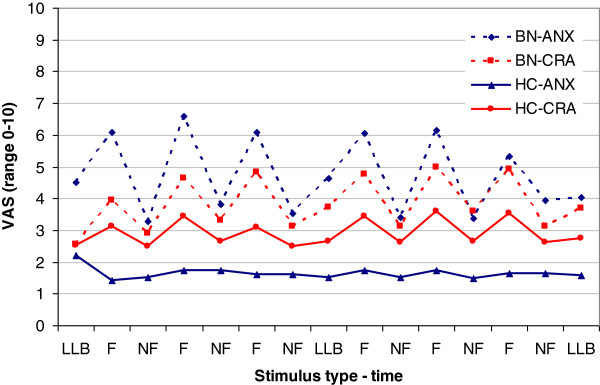
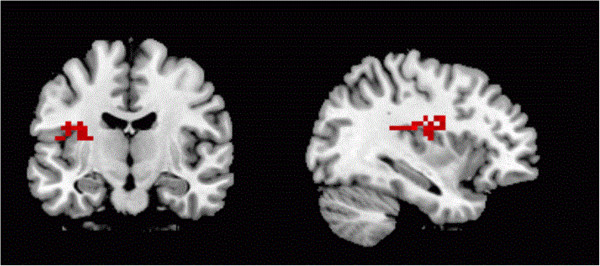
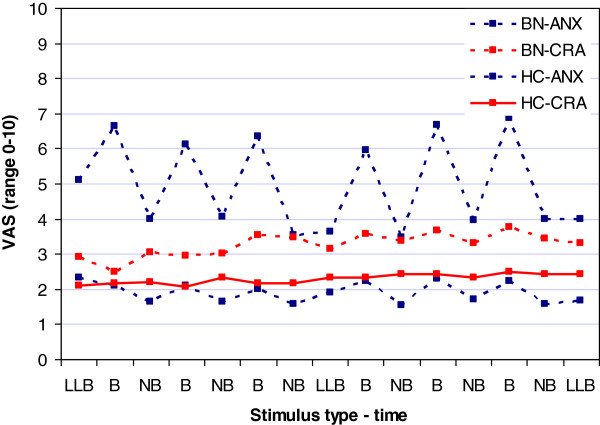
Results: Brain activation patterns in response to food cues did not differ between women with and without BN. However, when evaluating themselves against images of slim women, BN patients engaged the insula more and the fusiform gyrus less, compared to HCs, suggesting increased self-focus among women with BN whilst comparing themselves to a 'slim ideal'. In these BN patients, exposure to food and body image stimuli increased self-reported levels of anxiety, but not craving.
Conclusions: Our findings suggest that women with BN differ from HCs in the way they process body image, but not in the way they process food stimuli.
Figures
References
-
- Lavender A, Startup H, Naumann U, Samarawickrema N, Dejong H, Kenyon M, van den Eynde F, Schmidt U. Emotional and social mind training: a randomised controlled trial of a new group-based treatment for bulimia nervosa. PLoS One. 2012;7(10):e46047. doi: 10.1371/journal.pone.0046047. - DOI - PMC - PubMed
Publication types
MeSH terms
LinkOut - more resources
Full Text Sources
Other Literature Sources
Research Materials
