


OPSI threat in hematological patients
- PMID: 24251241
- PMCID: PMC3829791
OPSI threat in hematological patients
Abstract
Overwhelming post-splenectomy infection (OPSI) is a rare medical emergency, mainly caused by encapsulated bacteria, shortly progressing from a mild flu-like syndrome to a fulminant, potentially fatal, sepsis. The risk of OPSI is higher in children and in patients with underlying benign or malignant hematological disorders. We retrospectively assessed OPSI magnitude in a high risk cohort of 162 adult splenectomized patients with malignant (19%) and non malignant (81%) hematological diseases, over a 25-year period: 59 of them splenectomized after immunization against encapsulated bacteria, and 103, splenectomized in the previous 12-year study, receiving only life-long oral penicillin prophylaxis. The influence of splenectomy on the immune system, as well as the incidence, diagnosis, risk factors, preventive measures and management of OPSI are also outlined. OPSI occurred in 7 patients (4%) with a median age of 37 years at time interval from splenectomy ranging from 10 days to 12 years. All OPSIs occurred in non immunized patients, except one fatal Staphylococcus aureus -mediated OPSI in a patient adequately immunized before splenectomy. Our analysis further provides evidence that OPSI is a lifelong risk and that current immune prophylaxis significantly decreases OPSI development. Improvement in patients' education about long-term risk of OPSI and increased physician awareness to face a potentially lethal medical emergency, according to the current surviving sepsis guidelines, represent mandatory strategies for preventing and managing OPSI appropriately.
Keywords: Overwhelming postsplenectomy infection (OPSI) syndrome; hematological disorders; splenectomy.
Figures
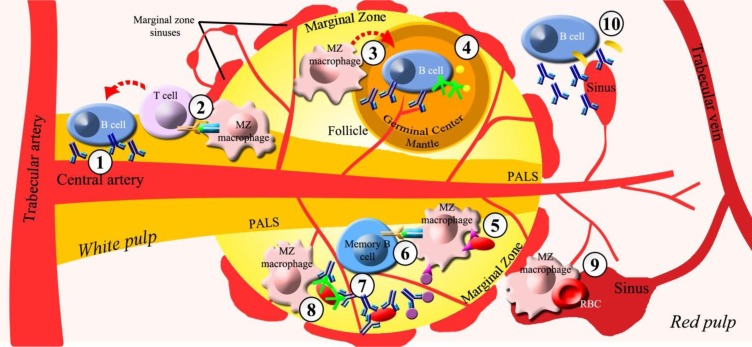
 ; T-cell receptor/Major hystocompatibility complex binding,
  ; complement,
  ;opsonin,
  ; pathogen-recognition-receptors (PRRs),
  ; particulate antigen,
  ; GM-CSF (Granulocyte-macrophage colony-stimulating factor),
  .
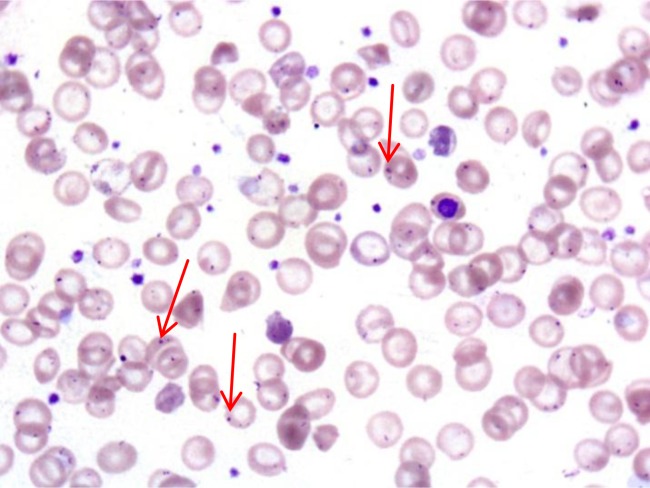
.
References
-
- William BM , Corazza GR . Hyposplenism: a comprehensive review. Part I. Basic concepts and causes . Hematology . 2007 ; 12 ( 1 ): 1 – 13 . - PubMed
-
- Mebius RE , Kraal G . Structure and function of the spleen . Nat Immunol . 2005 ; 5 ( 8 ): 606 – 616 . - PubMed
-
- Cesta MF . Normal structure, function, and histology of the spleen . Toxicol Pathol . 2006 ; 34 ( 5 ): 455 – 465 . - PubMed
-
- Sills RH . Splenic function: physiology and splenic hypofunction . Crit Rev Oncol Hematol . 1987 ; 7 ( 1 ): 1 – 36 . - PubMed
LinkOut - more resources
Full Text Sources