


Modern prescription theory and application: realistic expectations for speech recognition with hearing AIDS
- PMID: 24253361
- PMCID: PMC4070617
- DOI: 10.1177/1084713813506301
Modern prescription theory and application: realistic expectations for speech recognition with hearing AIDS
Abstract
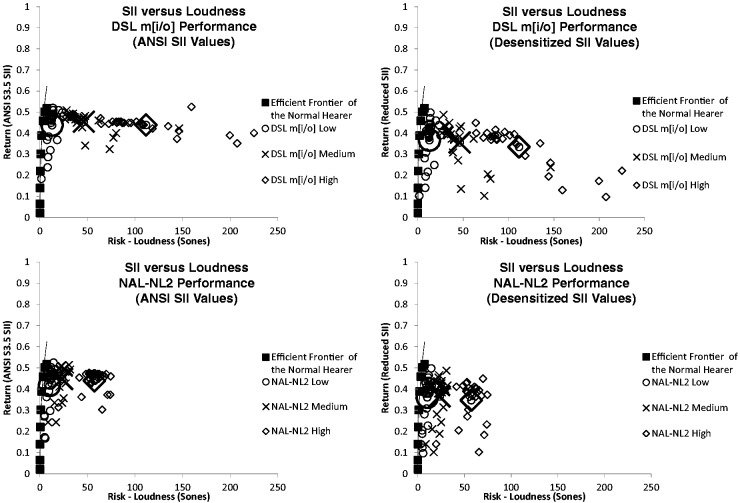
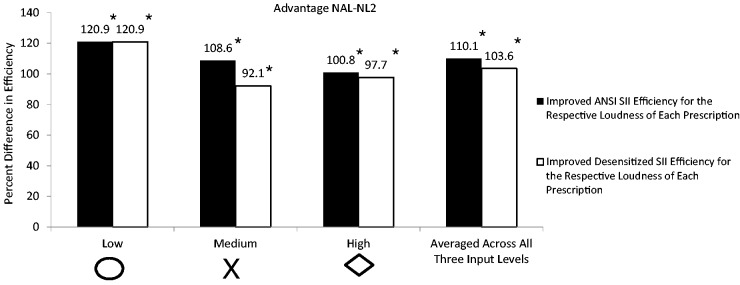
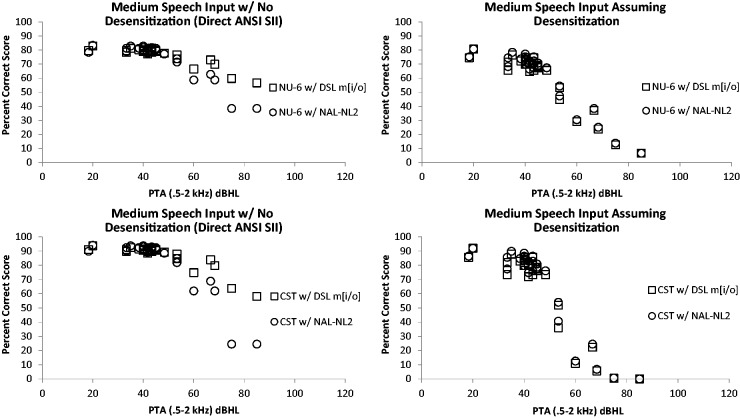
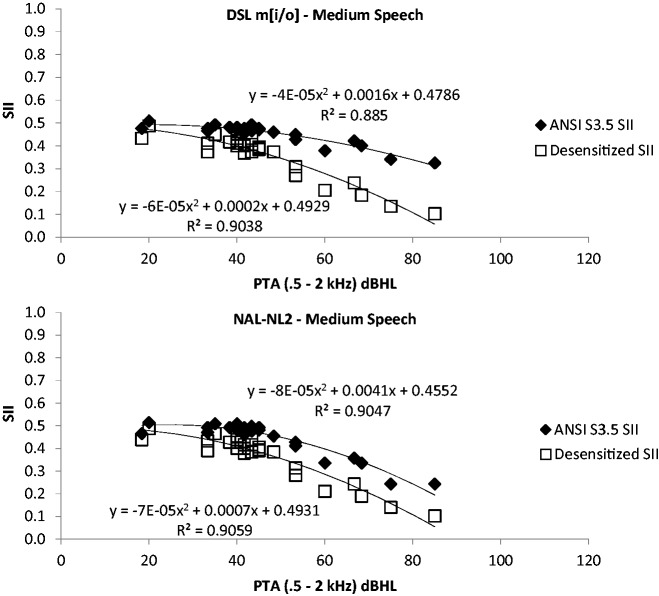
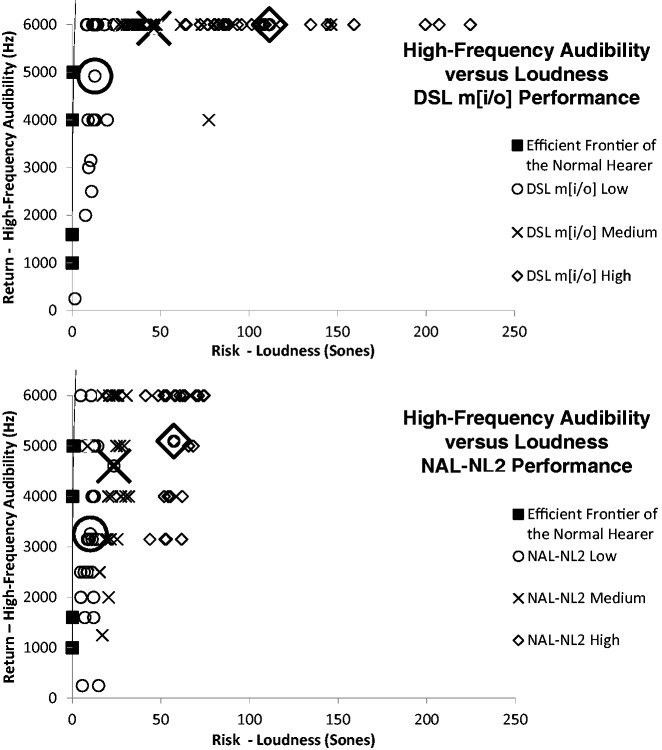
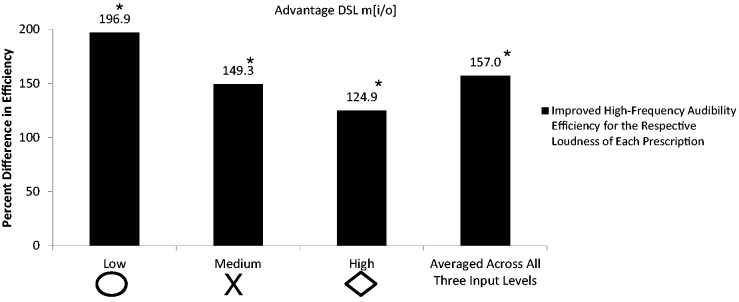
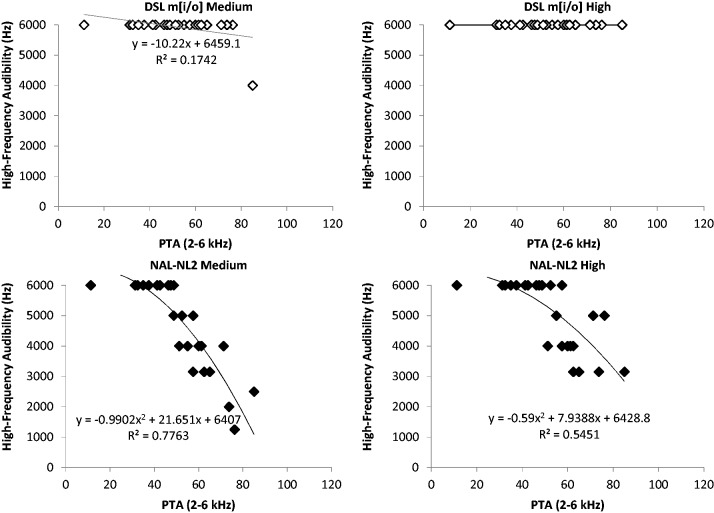
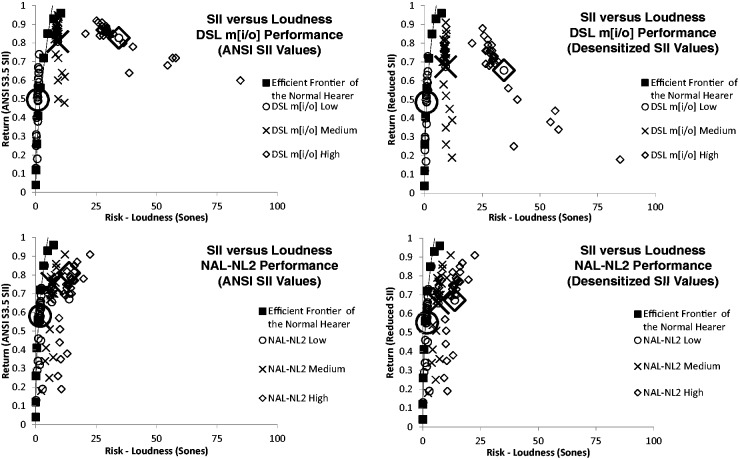
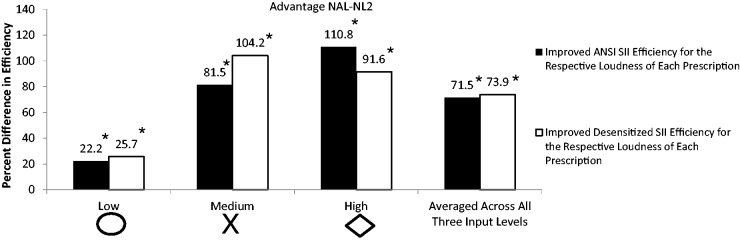
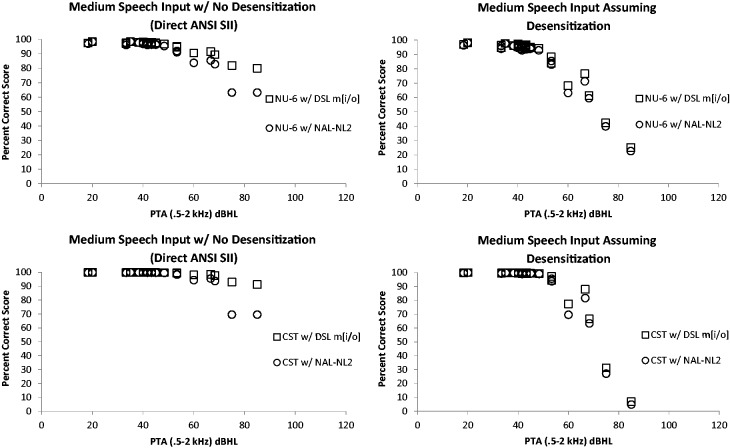
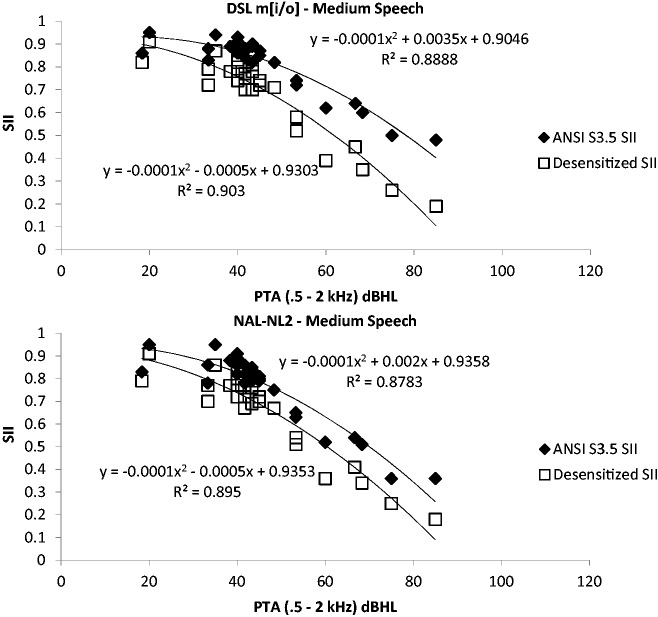
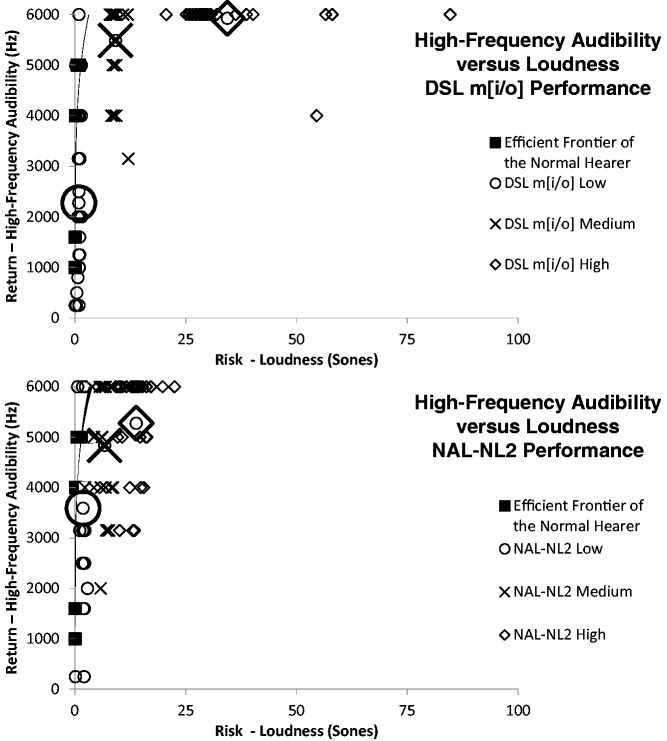
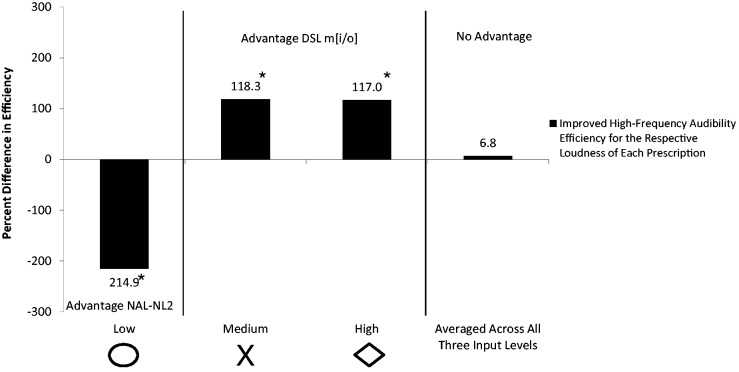
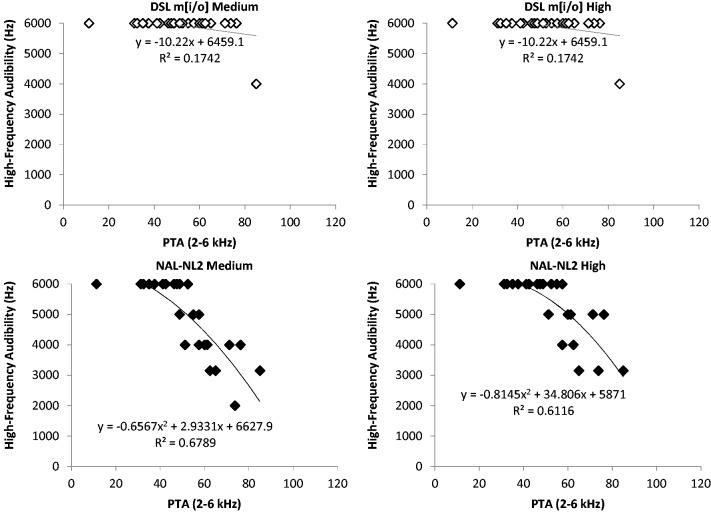
A major decision at the time of hearing aid fitting and dispensing is the amount of amplification to provide listeners (both adult and pediatric populations) for the appropriate compensation of sensorineural hearing impairment across a range of frequencies (e.g., 160-10000 Hz) and input levels (e.g., 50-75 dB sound pressure level). This article describes modern prescription theory for hearing aids within the context of a risk versus return trade-off and efficient frontier analyses. The expected return of amplification recommendations (i.e., generic prescriptions such as National Acoustic Laboratories-Non-Linear 2, NAL-NL2, and Desired Sensation Level Multiple Input/Output, DSL m[i/o]) for the Speech Intelligibility Index (SII) and high-frequency audibility were traded against a potential risk (i.e., loudness). The modeled performance of each prescription was compared one with another and with the efficient frontier of normal hearing sensitivity (i.e., a reference point for the most return with the least risk). For the pediatric population, NAL-NL2 was more efficient for SII, while DSL m[i/o] was more efficient for high-frequency audibility. For the adult population, NAL-NL2 was more efficient for SII, while the two prescriptions were similar with regard to high-frequency audibility. In terms of absolute return (i.e., not considering the risk of loudness), however, DSL m[i/o] prescribed more outright high-frequency audibility than NAL-NL2 for either aged population, particularly, as hearing loss increased. Given the principles and demonstrated accuracy of desensitization (reduced utility of audibility with increasing hearing loss) observed at the group level, additional high-frequency audibility beyond that of NAL-NL2 is not expected to make further contributions to speech intelligibility (recognition) for the average listener.
Keywords: efficiency; hearing aids; modern prescription theory; realistic expectations; speech recognition.
Figures
References
-
- Abrams H. B., Chisolm T. H., McManus M., McArdle R. (2012) Initial-fit approach versus verified prescription: Comparing self-perceived hearing aid benefit. Journal of the American Academy of Audiology 23: 768–778 - PubMed
-
- American National Standards Institute (2007) ANSI S3.5-1997 – Methods for calculation of the speech intelligibility index, New York, NY: Author
-
- Audioscan. (2012). Verifit®User’s Guide (Version 3.10). Retrieved from http://audioscan.com/Docs/vfmanual.pdf.
-
- Bentler R., Pavlovic C. V. (1992) Addendum to “Transfer functions and correction factors used in hearing aid evaluation and research.”. Ear and Hearing 1992: 284–286 - PubMed
-
- Bernstein J., Summers V., Grassi E., Grant K. (2013) Auditory models of suprathreshold distortion and speech intelligibility in persons with impaired hearing. Journal of the Academy of Audiology 24: 307–328 - PubMed
Publication types
MeSH terms
LinkOut - more resources
Full Text Sources
Other Literature Sources
Medical
Miscellaneous